Salmos 32
Bibiri Kuyie Nnɑ́ɑǹtì Pɑ́tíri · Toca un versículo para ver sus referencias cruzadas.
Kuyie ncĩ̀ɛ̃́ nwè mɔ̀kɛmɛ̀ diwɛ̀ì
1Dɑfiti yɛ̀nfɛ̀.
Dɛ̀ nnɑɑti Kuyie ncĩ̀ɛ̃́ nwè o yetímɛ̀,
kù ũtɛ́ wè o yɛi.
2Dɛ̀ nnɑɑti ti yiɛ̀ nKuyie ntɛ̃́nkɛ í kɑɑ̀nnɛ̀ wèè kó mɛyɛi,
dɛ̀ nnɑɑti wèè yɛ̀mmɛ̀ wenni.
3N do í dɑ́ɑ dìì mɔ̀nnì n yɛi nkɛ̀ n wɛ̃rímú mùù dèè,
kɛ̀ n níí ntṹṹ nkɛ mítìrì.
4Kɛ yɛ̃́ ɑ do m puotìmɛ̀ kuyie nnɛ̀ kɛyènkɛ̀,
kɛ̀ n wɛ̃rímú dèè kɛ̀ m mɔ̀tɛ́ mupɑɑkɛ̀ntie kɔ̃mɛ.
5M mɛ ndɑ dɑ́ɑmmu n yɛi,
n yí sɔ̀nnɛ n yetímɛ̀,
m bɛ́immu kɛ tú n cɑ̀ɑ̀rɛ̀, kɛ dɑ dɑ́ɑ n yɛi,
nkɑ̀ɑ mɛ̀ nni nhũtɛ́.
6Dɛɛ̀ te kɛ̀ bɛsɑ̀ɑ̀bɛ̀ dò nkɛ́ ndɑ bɑ́ɑ́ ndimɔ̀nnì sɑ̀ɑ̀rì.
Bɑ́ kɛ̀ mɛyɛi tùɔ̀kɛní fɛtɑɑfɛ̀ diɛfɛ̀ kɔ̃mɛ mɛ̀ bɑ́ɑ́ bɛ̀ nìntɛ.
7Fɔ̃́ɔ̃̀ tu n kó disɔ̀rì kɛ ɔ̃ nni nkɑ̃nkɛ́ mɛhɑ́ɑ́rìmɛ̀ mɔ̀nnì,
M bo ndiè nkɛ dɑ sɑ̃ntí ɑ n kɑ̃nkɛ́ mɛ̀ɛ̀ kpɛ́í.
8Kɛ̀ Kuyie ndɔ̀:
N yóó dɑ tiémmu kɛ dɑ bɛnkɛ kucɛ ɑ dò nkɛ́tũnnɛ kù,
m bo ndɑ duɔ̀ nyitié kɛ́ ndɑ wúó nsɑ̃́ɑ̃̀.
9Bɑ́ɑ́ yɛi ntɛsɑ̃ntɛ̀ nɛ̀ sɑ̃mmɑrímú dɛ kɔ̃mɛ,
bɛ̀ ɑ̃ɑ̃̀ dɛ̀ tisɑ̃nkɛ́ndɑ́ntì nɛ̀ iwɛ̃ĩ kɛ̀ dɛ̀ bo yie mbɛ kpɛti.
10Oyɛiwe ɔ̃ nfɛ̃́ũrìmu mɛdiɛ̀,
kɛ̀ Kuyie nyɑ́rí wèè kù duɔ́ nhomɑ́ɑ̀.
11Díndi bɛsɑ̀ɑ̀bɛ̀ nyɑ̃nkunɛ̀ Kuyie nkó kucɛ miɛkɛ, diwɛ̀ì ndi bo.
Díndi bɛ̀ɛ̀ yɛ̀mmɛ̀ wenni mpĩɛ̃kùnɛ̀ diwɛ̀ì.
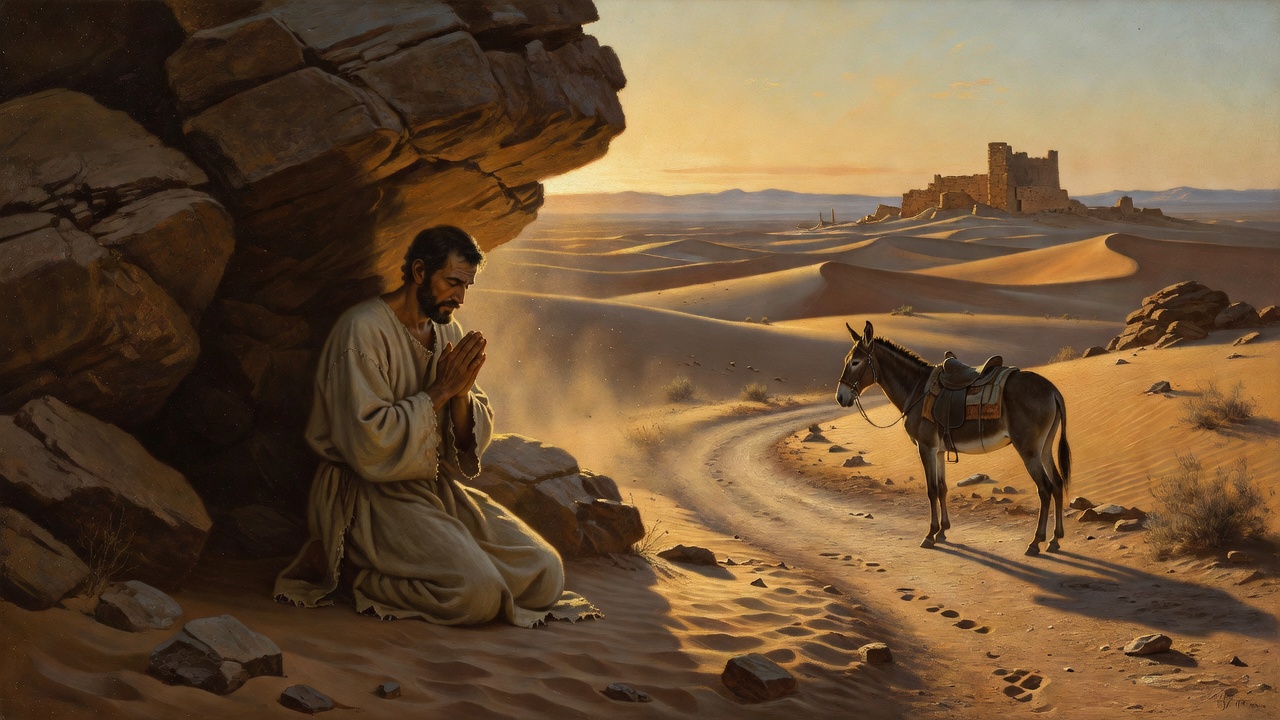
¿Sabías que…?
El Gozo del Perdón y la Guía
- El salmo comienza con un título que lo identifica como un Masquil de David, término tradicionalmente asociado a un poema instructivo o de reflexión, que aborda el contraste entre la angustia del pecado oculto y la bendición del perdón.Fuentes: el propio texto bíblico
- El término hebreo Selah aparece tres veces en este salmo (versículos 4, 5 y 7), interpretado comúnmente como una pausa musical o un momento de meditación durante la recitación del texto.Fuentes: el propio texto bíblico
- El salmo recurre a la imagen de animales de trabajo, contrastando a quien sigue voluntariamente el consejo divino con caballos o mulos tercos que necesitan freno y brida para ser dirigidos.Fuentes: el propio texto bíblico
Notas escritas con ayuda de IA a partir de fuentes abiertas (Theographic Bible Metadata, CC BY-SA 4.0; Easton’s Bible Dictionary, dominio público) y revisadas antes de publicarse.
Créditos y licencia de esta traducción
Bibiri Kuyie Nnɑ́ɑǹtì Pɑ́tíri
The Holy Bible in the Ditammari language of Benin
copyright © 2001 SIM International
Language: Ditammari
Translation by: SIM
This translation text is made available to you under the
terms of the Creative Commons License: Attribution-Noncommercial-No Derivative Works.
( http://creativecommons.org/licenses/by-nc-nd/3.0/ )
In addition, you have permission to port the text to different file formats, as long as you
do not change any of the text or punctuation of the Bible.
You may share, copy, distribute, transmit, and extract portions
or quotations from this work, provided that you include the above copyright
information:
You must give Attribution to the work.
You do not sell this work for a profit.
You do not make any derivative works that change any of the actual words or punctuation of the Scriptures.
Permissions beyond the scope of this license may be
available if you contact
us with your request.
This translation is made available to you under the terms of the
Creative Commons Attribution-No Derivatives license 4.0.
You may share and redistribute this Bible translation or extracts from it in any format, provided that:
You include the above copyright and source information.
You do not make any derivative works that change any of the actual words or punctuation of the Scriptures.
Pictures included with Scriptures and other documents on this site are licensed just for use with those Scriptures and documents.
For other uses, please contact the respective copyright owners.
2022-05-31
Fuente: http://ebible.org/tbzsim/ · eBible.org