Malaquías 1
Bibiri Kuyie Nnɑ́ɑǹtì Pɑ́tíri · Toca un versículo para ver sus referencias cruzadas.
Acerca de este libro
Sobre Malaquías
- El Easton's Bible Dictionary (1897) presenta a Malaquías, nombre que significa "mensajero" o "ángel", como el último de los profetas menores y el autor del último libro del canon del Antiguo Testamento. No se sabe nada de él más allá de lo que contiene su libro de profecías.Fuentes: Easton: Malachi · Malachi
- Algunos han supuesto que el nombre es simplemente un título para un mensajero de Jehová, y no un nombre propio. El Easton's Bible Dictionary (1897), sin embargo, concluye que hay razón para considerar que Malaquías era el nombre habitual del profeta.Fuentes: Easton: Malachi · Malachi
- El Easton's Bible Dictionary (1897) fecha las profecías hacia 420 a. C., después del segundo regreso de Nehemías desde Persia, o posiblemente antes de ese regreso. Como Esdras no lo menciona y él no habla de la restauración del templo, el diccionario infiere que profetizó después de Hageo y Zacarías.Fuentes: Easton: Malachi
- El Easton's Bible Dictionary (1897) trata a Malaquías como contemporáneo de Nehemías, al comparar Malaquías 2:8 con Nehemías 13:15 y Malaquías 2:10-16 con Nehemías 13:23. También señala que los servicios del templo aún existían, citando Malaquías 1:10, 3:1 y 3:10.Fuentes: Easton: Malachi
Notas escritas con ayuda de IA a partir de fuentes abiertas (Theographic Bible Metadata, CC BY-SA 4.0; Easton’s Bible Dictionary, dominio público) y revisadas antes de publicarse.
1Di mpɑ́tíri ti nɑ́ɑ́ ti Yiɛ̀ nKuyie mbɛ́innɛ̀ tìnti Mɑdɑsii Isidɑyɛɛribɛ kpɛ́í.
Kuyie nhɔ̃ɔ̃ tɑ̃ɑ̃tɛ́mɛ̀ kù dɔ́ wè
2Mɛm̀mɛ kɛ̀ ti Yiɛ̀ nKuyie mbɛ́i nkɛ dɔ̀: N di dɔ́mu kɛ̀ di nɛ́ békú dimɑ́ɑ̀ kɛ tú: Bɑ mbɛnkú ti Yiɛ̀ Kuyie nti dɔ́mɛ̀? Dɛ̀ í dò nhEsɑyuu weè kòtí Sɑkɔbɑɑ? Nɛ̀ mɛmmɛ kɛ̀ n dɔkɛ Sɑkɔbu kɛ nii Esɑyuu. 3Kɛ pɔ̀ntɛ o kó kutempɛ̃ nkó yɛhɛkɛ̀ kɛ duɔ́ nkɛ̀ yɛ̀ dɔúnko, kɛ nɑɑ́ nsikpɑmɔɔ́ kó diɑ̃rì. 4Kɛ̀ dɛ̀ dò nhEdɔmmu ɛì kɔbɛ bo yĩ́, bɛ̀ mɛ̀ nti pɔ̀ntɛmɛ̀ ti bo mɑɑ́, kɛ̀ bɛ̀ mɑɑ́ m borɛ̀ pɔ̀ntɛ, mí nKuyie Mpɑkɛdɑɑ míì bɛ́i! M bo bɛ̀ pɔ̀ntɛ kɛ̀ bɛ̀ɛ yú dɛ kó kɛtenkɛ̀ kɛ dɔ̀: Mɛyɛi nhɛì, m miɛkɛ pɛ́ì bɛ̀ sɑ̃́ɑ̃̀ bɛ ɛì. 5Díndi Isidɑyɛɛribɛ kɛ̀ dí dɛ̀ yɑ̀, kɛ́bɑntɛ́ kɛ dò m mí ndi Yiɛ̀ nKuyie n dɛu kɛ í pĩ ndíì mɑ́ɑ̀ kó yɛhɛkɛ̀ mutɔ̃mmú.
Ikuɔ́ nìùbɛ̀ cɑ̀ɑ̀rɛ̀mɛ̀ kɛ̀ Kuyie mbɛ̀ kpɑnnɛ̀
6Kɛ̀ ti Yiɛ̀ Kuyie Mpɑkɛdɑɑ bɛ́innɛ̀ ikuɔ́ nìùbɛ̀ kɛ dɔ̀: Dɛbirɛ ɔ̃ ndému dɛ cicɛ kɛ̀ kudɑɑkù yìé nku yiɛ̀ nkpɛti. Kɛ̀ n tu di cicɛ dɛ̀ nɛ́ yĩmɛ kɛ̀ di í n dé? Kɛ̀ n tu di yiɛ̀, dɛ̀ nɛ́ yĩmɛ kɛ̀ di í yíé n kpɛti? Di n sènkɛ̀rìmu kɛ nɛ́ békú dimɑ́ɑ̀ kɛ tú: Ti kù sènkɛ̀rì bɑ mmiɛkɛ? 7Dɛ̀ yĩ́mɛ kɛ̀ di m pɑ̃ɑ̃ n ci dɛ̀, kɛ dɛ̀ dɑkù n wũɔ̃tɔ̀rɛ̀ ĩ́nkɛ̀? Di cɑɑ̀ri n yètìrì ndi, di wèńtɛ́ n wũɔ̃tɔ̀rɛ̀ nyɛ dɛtetìrɛ̀. Kɛ nɛ́ békú dimɑ́ɑ̀ kɛ tú ti sĩ̀nkùnnɛ ɔ̃̀mmɛ botí ku wũɔ̃tɔ̀rɛ̀? 8Di n feu dìì mɔ̀nnì iwũɔ̃ ìì ɑ̃ inuɔ nyìmɑ́ɑ̀ ìmɑ́ɑ̀ nɛ̀ ìì tu yɛkpĩɛ̃̀ nnɛ̀ ìì mɔ, di yɛ̀mmɛ̀ dò ndɛ wennimɑɑ̀? Kɛ̀ di yɛ̀mmɛ̀ dò ndɛ̀ wennimu dí dɛ̀ pɑ̃ di kóo kùmɑ̀ndɑ́ɑ̀, kɛ́ nsɑ̀ kɛ̀ dɛ̀ bo ò nɑrikɛ kòo dì cɔutɛ́. Mí nKuyie Mpɑkɛdɑɑ míì bɛ́i! 9Di bo dɔɔ̀ dɛndɛ kó dimɑ̀ɑ̀ kɛ́deè kɛ nɛ́ nni nyu, mí nKuyie nkɛ tú n di kuɔ́ mmɛsémmɛ̀, kɛ̀ n tì kèèɑ̀? Mí nKuyie Mpɑkɛdɑɑ m bɑ́ɑ́ tì kèè bìtì! 10Kòò mɔù di miɛkɛ do nkpetínnɛ́ n cĩ́ɛ̃̀tɛ̀ kó yɛbòrɛ̀ dɛ̀ nɑ ntɔ̃ũmu, kɛ̀ di bɑ́ ncɔ́unko n wũɔ̃tɔ̀nnì dɛtetìrɛ̀. N di wúó ndɛ̀ í n nɑɑti, nyí cɔú di m pɑ̃ɑ̃ nyɛ̀ɛ̀ pɑ̃rɛ̀ ketíkɛ. 11Titentì timɔu duɔ́mɛ̀ n yètìrì feímu tipíìtì timɔu. Kɛ̀ bɛ̀ m pɑ̃ɑ̃ nyɛpɑ̃rɛ̀ sɑ̀ɑ̀yɛ̀, kɛ n tuɔ̀ ntihúúntì. Mí nKuyie Mpɑkɛdɑɑ n yètìrì feímu titentì timɔu miɛkɛ. 12Kɛ̀ díndi nɛ́ cɑɑ̀ri n yètìrì kɛ̀ di yɛ̀mmɛ̀ dò n kó diwũɔ̃tɔ̀nnì tu cɛ̃́nkoo kpɛri, kɛ̀ di bo nɑ kɛ́dɑɑ́ ndìì ĩ́nkɛ̀ di cɛ̃́nkɛ nìntɛ dɛ̀. 13Kɛ̀ dɛ̀ di dònnɛ̀ muwɛ̃rímú. Di sènkɛ̀rìmu mí nKuyie Mpɑkɛdɑɑ, kɛ m pɑ̃ɑ̃ nyiwũɔ̃ di yùúkú ì yoo ìì tú yɛkpĩɛ̃̀, yoo ìì mɔ. Mí ndi Yiɛ̀ nKuyie m bɑ́ɑ́ cɔutɛ́ dɛ kó yɛpɑ̃rɛ̀. 14Di yuukumu díndi bɛ̀ɛ̀ ɔ̃ mmɔkɛ iwũɔ̃ sɑ̀ɑ̀yì di dò nkɛ́ m pɑ̃ ì kɛ nɛ́ n féútɛ́ fɛ̀ɛ̀ ɑ̃ kuyɛ̀nkù. Dɛ̀ yɛmbɛ̀ díndi di bo yɑ̀. N tú okpɑ̀ɑ̀tì diɛwè nwe, kɛ̀ yɛbotɛ̀ yɛmɔu yɛ̃́ n kpɛ́í. Mí ndi Yiɛ̀ nKuyie Mpɑkɛdɑɑ míì bɛ́i.
¿Sabías que…?
La honra a Dios y los sacrificios defectuosos
- El nombre Malaquías significa mensajero o ángel. Aunque algunos han sugerido que se trataba de un título en vez de un nombre propio, la tradición lo considera el nombre del profeta, ubicando su ministerio en la época de Nehemías, después de Hageo y Zacarías.Fuentes: Malachi
- El mensaje inicial evoca a los hermanos gemelos Jacob y Esaú, antepasados de Israel y Edom. El texto contrasta el amor del pacto con Israel frente a la desolación que sobrevendría sobre la región montañosa de Edom.Fuentes: Esau (Edom) · Jacob (Israel) · Edom · el propio texto bíblico
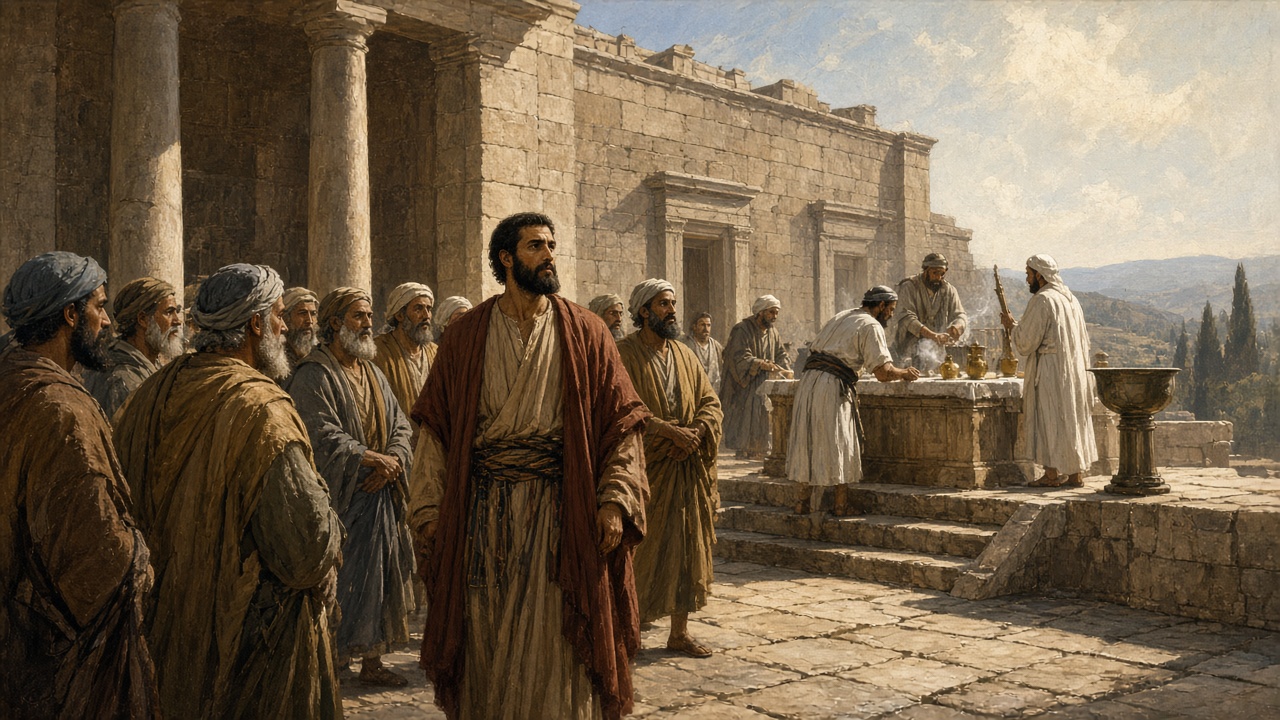
- Los sacerdotes son reprendidos por presentar sobre el altar animales ciegos, cojos y enfermos en lugar de animales sanos. Malaquías evidencia su falta de respeto preguntando si acaso un gobernador aceptaría tales ofrendas defectuosas.Fuentes: el propio texto bíblico
Notas escritas con ayuda de IA a partir de fuentes abiertas (Theographic Bible Metadata, CC BY-SA 4.0; Easton’s Bible Dictionary, dominio público) y revisadas antes de publicarse.
Lugares de este capítulo
- Edom · 30.746, 35.604 · versículo 4
Solo aparecen lugares identificados con alta confianza (90 % o más según las fuentes académicas reunidas por OpenBible). Mapa de la época: DARE (Digital Atlas of the Roman Empire), CC BY 4.0; mapa actual: © colaboradores de OpenStreetMap; lugares: OpenBible.info (CC BY 4.0).
Créditos y licencia de esta traducción
Bibiri Kuyie Nnɑ́ɑǹtì Pɑ́tíri
The Holy Bible in the Ditammari language of Benin
copyright © 2001 SIM International
Language: Ditammari
Translation by: SIM
This translation text is made available to you under the
terms of the Creative Commons License: Attribution-Noncommercial-No Derivative Works.
( http://creativecommons.org/licenses/by-nc-nd/3.0/ )
In addition, you have permission to port the text to different file formats, as long as you
do not change any of the text or punctuation of the Bible.
You may share, copy, distribute, transmit, and extract portions
or quotations from this work, provided that you include the above copyright
information:
You must give Attribution to the work.
You do not sell this work for a profit.
You do not make any derivative works that change any of the actual words or punctuation of the Scriptures.
Permissions beyond the scope of this license may be
available if you contact
us with your request.
This translation is made available to you under the terms of the
Creative Commons Attribution-No Derivatives license 4.0.
You may share and redistribute this Bible translation or extracts from it in any format, provided that:
You include the above copyright and source information.
You do not make any derivative works that change any of the actual words or punctuation of the Scriptures.
Pictures included with Scriptures and other documents on this site are licensed just for use with those Scriptures and documents.
For other uses, please contact the respective copyright owners.
2022-05-31
Fuente: http://ebible.org/tbzsim/ · eBible.org