Lucas 3
Bibiri Kuyie Nnɑ́ɑǹtì Pɑ́tíri · Toca un versículo para ver sus referencias cruzadas.
Isɑ̃ɑ̃-Bɑtiisi kó mutɔ̃mmú
1Tibɛɛri Sesɑɑ kó tikpɑ̀tì benni tɛpíítɛ̀ nɛ̀ dinummurì miɛkɛ, kɛ̀ Pɔ̃nsi Pidɑti tu Sudee kóò kùmɑ̀ndɑ́ɑ̀ kɛ̀ Edɔti Tetidɑki tu Kɑdidee kóo kpɑ̀ɑ̀tì, kòo nɑntɛ̀ Fidipu tu Itidee nɛ̀ Tɑdɑkonniti kó kɛtenkɛ̀ kóo kpɑ̀ɑ̀tì. Kɛ̀ Disɑnniyɑ Tetidɑki tu Abidɛnni kóo kpɑ̀ɑ̀tì. 2Kɛ sɔ̃́ nhAnni nɛ̀ Kɑifu bɛ̀ tu ikuɔ́ nìùbɛ̀ kó bɛkótíbɛ̀. Kɛ̀ Kuyie mbɛ́innɛ̀ Isɑ̃ɑ̃, Sɑkɑrii birɛ dikpɑ́ɑ̀ miɛkɛ. 3Kɛ̀ Isɑ̃ɑ̃ kɔtɛ Suditɛ̃ɛ̃ kó yɛhɛkɛ̀ kɛ́nnɑ́ɑntɛ bɛnìtìbɛ̀ kɛ tú: Duɔ́nnɛ̀ kɛ̀ bɛ̀ di ɑ̃nnɛ́ bɑ̀tɛ́mmù, dɛ̀ɛ̀ bɛnkú kɛ dò ndi borimɛ cèètɛ kɛ̀ Kuyie ndí cĩ́ɛ̃́ ndi yɛi.
4Mɛm̀mɛ kɛ̀ dɛ̀ɛ dɔɔ̀ kɛ́ndò nKuyie mpɑ̃ɑ̃nɑ́ɑǹtì nɑ́ɑǹtò Esɑii do wɑ̃̀ri tì kɛ dɔ̀:
Onìtì wèè bo dikpɑ́ɑ̀ miɛkɛ
weè pɛ́u mɛtɑmmɛ̀ kɛ tú:
Tũntɛnɛ̀ ti Yiɛ̀ nkó kucɛ,
sɛ́innɛ̀ o cɛ,
5kɛ́ĩ́tínnɛ́ yɛfɔ̃̀tɛ̀ yɛmɔu
kɛ́pɔntɛ yɛtɑ̃rɛ̀ nɛ̀ sitɑ̃ɑ̃́,
kɛ́sɛ́i nyicɛ ìì kɔ̀ḿmú
kɛ́hɛnnɛ dɛ̀ɛ̀ ikú.
6Kɛ̀ bɛnìtìbɛ̀ bɛmɔuu yɑ̀ Odɛɛtíwè Kuyie nduɔnní wè.
7Kɛ̀ Isɑ̃ɑ̃ nnɑ́ɑ́ mbɛ̀ɛ̀ kɔ̀rìní o borɛ̀ kòo bo bɛ̀ ɑ̃nnɛ́ bɑ̀tɛ́mmù kɛ tú: Iwɑ̀ɑ̀kɛ díndi! We ndi nɑ̀kɛ́ kɛ tú di yentɛ́nɛ̀ Kuyie nkó kɛmiɛkɛ kɛ̀ɛ̀ kèríní? 8Di borimɛɛ bɛnkɛ tũnkɛ́ di cèètɛmɛ̀. Di bɑ́ ntú dɛ̀ sɑ̀nnɛ̀ di bo ntúmɛ̀ Abɑrɑhɑmmu tu di cicɛ. N di nɑ́ɑ́ mɔ́mmuɔ nwe, Kuyie mbo nɑ kɛ́túótɛ́mu yɛ ntɑ̃́rɛ̀ kɛ́dɔɔ̀ Abɑrɑhɑmmu kó iyɑɑ̀bí. 9Okɔ̃ũtì sũ̀ɔ̃́tɛ́mu o pĩɛ̃tɛ̀ kɛ bo u dɛtie. Dɛtie ndɛ̀ɛ̀ kó dimɑ̀ɑ̀ í pɛí yɛbɛ sɑ̀ɑ̀yɛ̀ bɛ̀ bo dɛ̀ u kɛ́cɔ́u.
10Kɛ̀ bɛnìtìbɛ̀ɛ ò bekɛ kɛ dɔ̀: Ti nɛ́ dò nkɛ́dɔɔ̀ bɑ? 11Kòo bɛ̀ tɛ̃̀ńnɛ́ kɛ dɔ̀: Kɛ̀ wèè mɔ̀kɛ yɛyɑɑ̀bòrɛ̀ yɛ̀dɛ́ɛ̀ wèe pɑ̃ dìmɑ́ɑ̀ wèè kpɑ, kɛ̀ wèè mɔ̀kɛ tidiitì kòo totɛ́nɛ̀ wèè kpɑ.
12Kɛ̀ bɛdɑ̀mpóòcɔutíbɛ̀ɛ kɔtɛní Isɑ̃ɑ̃ borɛ̀, kòo bo bɛ̀ ɑ̃nnɛ́ bɑ̀tɛ́mmù, kóò bekɛ kɛ dɔ̀: Okótì ti dò nkɛ́dɔɔ̀ bɑ? Kòo bɛ̀ tɛ̃̀ńnɛ́ kɛ dɔ̀: 13Di bɑ́ ncɔú dɑ̀mpóò kɛ̀ dɛ̀ pɛ̃nkù bɛ̀ yɛ̃ nyì mmɑ̀mɛ̀.
14Kɛ̀ bɛhɑ̃ɑ̃pɔ̀mbɛ̀ɛ ò bekɛ kɛ dɔ̀: Tínti tɑ́? Ti dò nkɛ́dɔɔ̀ bɑ? Kòo bɛ̀ tɛ̃̀ńnɛ́ kɛ dɔ̀: Di bɑ́ɑ́ fietɛ òmɔù kpɛrɛ nɛ̀ muwɛ̃rímú, di bɑ́ɑ́ pĩ́ nhòmɔù kòo di yietí dɛtetìrɛ̀, di yɛ̀mmɛ̀ ńnɑɑtinɛ̀ bɛ̀ di yietì ìì díítí.
15Bɛnìtìbɛ̀ do mɛ mbɑɑmɛ̀ Odɛɛtíwè kɛ̀ bɛ yɛ̀mmɛ̀ ndò Isɑ̃ɑ̃ bo ntú Odɛɛtíwè nwe. 16Kɛ̀ Isɑ̃ɑ̃ bɛ̀ nɑ̀kɛ́ kɛ dɔ̀: Mí n di ɑ̃ɑ̃̀ bɑ̀tɛ́mmù nɛ̀ mɛniɛ mmɛ, wèè n tũ̀nní ò dɛumu kɛ m pɛ̃ɛ̃tɛ́, n yí tùɔ̀kɛ m bo ũtɛ́mɛ̀ o nɛùtì kó mutɑ̃́ɑ̃́, wenwe bo ndi ɑ̃ɑ̃̀ bɑ̀tɛ́mmù nɛ̀ Muyɑɑ́nsɑ̀ɑ̀mù nɛ̀ muhɑ̃ɑ̃́. 17Ò tɔ o piɛnkù nku kɛ bo ye nkɛ́bɑtɛ mɛbii nnɛ̀ tifùtì kɛ́ɑ̃nnɛ́ mɛbii nho bɔu miɛkɛ kɛ́cɔ́u ntifùtì muhɑ̃ɑ̃́ mmùù í kɔ̃ mmu miɛkɛ.
18Nɛ̀ itié mpɛ́u miɛkɛ nkɛ Isɑ̃ɑ̃ do nɑ́ɑ́mmɛ̀ bɛnìtìbɛ̀ Tinɑ́ɑǹsɑ̀ɑ̀tì, 19kɛ́kpɑnnɛ̀ okpɑ̀ɑ̀tì Edɔti Tetidɑki ò fìètɛ mɛ̀ɛ̀ kpɛ́í o nɑntɛ̀ Fidipu pokù Edodiyɑti kɛ puokɛ, kɛ wɛ̃̀tɛ kɛ dɔ̀ɔ̀ mɛyɛi tɛ̃mɛ̀ pɛ́u. 20Kɛ̀ Edɔti nɛ́ dɔkɛ yíɛ́ kɛ́dɔɔ̀ mɛyɛi nkɛ́pĩ́ Isɑ̃ɑ̃ kɛ́kpetínnɛ́.
Bɛ̀ do ɑ̃nnɛ́mɛ̀ Yesu bɑ̀tɛ́mmù
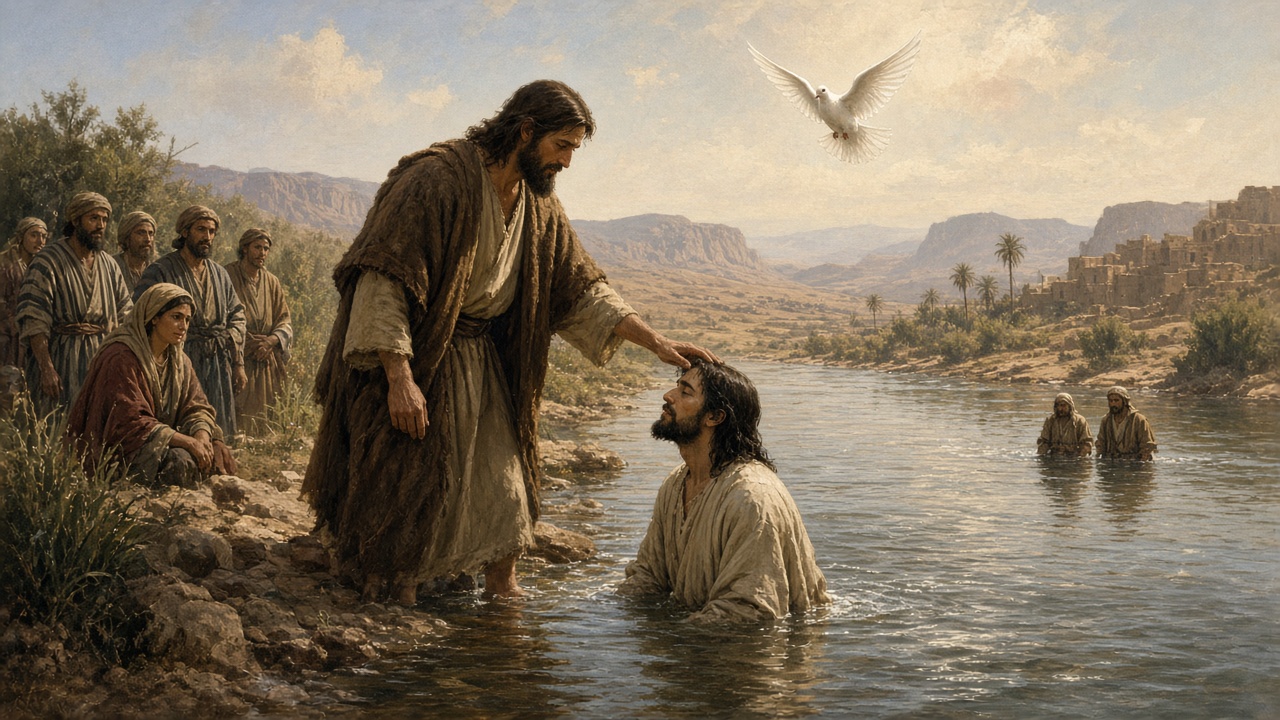
21Kɛ̀ Isɑ̃ɑ̃ nhɑ̃ɑ̃̀ bɛnìtìbɛ̀ bɛmɔu bɑ̀tɛ́mmù kɛ̀ Yesu múnkɛɛ duɔ́ nkòo ò ɑ̃nnɛ́ bɑ̀tɛ́mmù kòo bɑ́ntɛ̀ Kuyie kɛ̀ tiwɛtìi kpetɛ́. 22Kɛ̀ Muyɑɑ́nsɑ̀ɑ̀mùu cútɛ́ní o ĩ́nkɛ̀ kɛ dònnɛ̀ dikpɛtìnɔ́nkperi, kɛ̀ bɛ̀ɛ keè mɛtɑmmɛ̀ mɑmɛ̀ kɛĩ́nkɛ̀ bíɛ́kɛ̀ kɛ̀ mɛ̀ tu: Yie nweè tu m birɛ kɛ̀ nh ò dɔ́ mɛsɑ̀ɑ̀ nkoò tɑ̃́ mɛdiɛ̀.
Yesu kó kufuku
23Yesu do yóó ketɛ́ o tɔ̃mmú kɛ mɔkɛ yɛbie nsipísìtɑ̃ɑ̃ti ndi kɛ̀ bɛnìtìbɛ̀ yɛ̀mmɛ̀ ndò o cicɛ tú Sosɛfu, kɛ̀ Sosɛfu cicɛ tú Edii. 24Kɛ̀ Edii cicɛ ntú Mɑtɑti, kɛ̀ Mɑtɑti cicɛ tú Defii, kɛ̀ Defii cicɛ tú Mɛdisii, kɛ̀ Mɛdisii cicɛ tú Yɑnnɑii, kɛ̀ Yɑnnɑii cicɛ tú Sosɛfu. 25Kɛ̀ Sosɛfu cicɛ ntú Mɑtɑtiɑsi, kɛ̀ Mɑtɑtiɑsi cicɛ tú Amɔɔsi, kɛ̀ Amɔɔsi cicɛ tú Nɑummu, kɛ̀ Nɑummu cicɛ tú Esidii, kɛ̀ Esidii cicɛ tú Nɑkɑii. 26Kɛ̀ Nɑkɑii cicɛ ntú Mɑɑti, kɛ̀ Mɑɑti cicɛ tú Mɑtɑtiɑsi, kɛ̀ Mɑtɑtiɑsi cicɛ tú Semmɛinni, kɛ̀ Semmɛinni cicɛ tú Yosee, kɛ̀ Yosee cicɛ tú Yodɑɑ. 27Kɛ̀ Yodɑɑ cicɛ ntú Yoɑnnɑnni, kɛ̀ Yoɑnnɑnni cicɛ tú Desɑɑ, kɛ̀ Desɑɑ cicɛ tú Sodobɑbɛɛri, kɛ̀ Sodobɑbɛɛri cicɛ tú Sɑdɑtiɛri, kɛ̀ Sɑdɑtiɛri cicɛ tú Nɛdii. 28Kɛ̀ Nɛdii cicɛ ntú Mɛdiki, kɛ̀ Mɛdiki cicɛ tú Adii kɛ̀ Adii cicɛ tú Kosɑmmu, kɛ̀ Kosɑmmu cicɛ tú Edimɑdɑmmu, kɛ̀ Edimɑdɑmmu cicɛ tú Ɛɛri. 29Kɛ̀ Ɛɛri cicɛ ntú Sesuu, kɛ̀ Sesuu cicɛ tú Ediesɛɛ, kɛ̀ Ediesɛɛ cicɛ tú Yodimmu, kɛ̀ Yodimmu cicɛ tú Mɑtɑti, kɛ̀ Mɑtɑti cicɛ tú Defii. 30Kɛ̀ Defii cicɛ ntú Simmɛɔ̃ɔ̃, kɛ̀ Simmɛɔ̃ɔ̃ cicɛ tú Sudɑɑ, kɛ̀ Sudɑɑ cicɛ tú Sosɛfu, kɛ̀ Sosɛfu cicɛ tú Yonnɑmu, kɛ̀ Yonnɑmu cicɛ tú Ediɑkimmu. 31Kɛ̀ Ediɑkimmu cicɛ ntú Mɛdeyɑ, kɛ̀ Mɛdeyɑ cicɛ tú Mɛnnɑ, kɛ̀ Mɛnnɑ cicɛ tú Mɑtɑtɑɑ, kɛ̀ Mɑtɑtɑɑ cicɛ tú Nɑtɑ̃ɑ̃. 32Kɛ̀ Nɑtɑ̃ɑ̃ cicɛ ntú Dɑfiti, kɛ̀ Dɑfiti cicɛ tú Isɑii, kɛ̀ Isɑii cicɛ tú Obɛdi, kɛ̀ Obɛdi cicɛ tú Boɑsi, kɛ̀ Boɑsi cicɛ tú Sɑdimɔɔ, kɛ̀ Sɑdimɔɔ cicɛ tú Nɑsɔ̃ɔ̃. 33Kɛ̀ Nɑsɔ̃ɔ̃ cicɛ ntú Aminɑdɑbu, kɛ̀ Aminɑdɑbu cicɛ tú Adiminni, kɛ̀ Adiminni cicɛ tú Adinii kɛ̀ Adinii cicɛ tú Esidommu, kɛ̀ Esidommu cicɛ tú Pedɛsi, kɛ̀ Pedɛsi cicɛ tú Sudɑɑ. 34Kɛ̀ Sudɑɑ cicɛ ntú Sɑkɔbu, kɛ̀ Sɑkɔbu cicɛ tú Isɑki, kɛ̀ Isɑki cicɛ tú Abɑrɑhɑmmu, kɛ̀ Abɑrɑhɑmmu cicɛ tú Tedɑɑ, kɛ̀ Tedɑɑ cicɛ tú Nɑkɔɔ. 35Kɛ̀ Nɑkɔɔ cicɛ ntú Seduki, kɛ̀ Seduki cicɛ tú Edeuu, kɛ̀ Edeuu cicɛ tú Pedɛki kɛ̀ Pedɛki cicɛ tú Ebɛɛri kɛ̀ Ebɛɛri cicɛ tú Sirɑɑ. 36Kɛ̀ Sirɑɑ cicɛ ntú Kɑinɑmmu, kɛ̀ Kɑinɑmmu cicɛ tú Adifɑkisɑri, kɛ̀ Adifɑkisɑri cicɛ tú Sɛmmu, kɛ̀ Sɛmmu cicɛ tú Nɔwee, kɛ̀ Nɔwee cicɛ tú Demɛki. 37Kɛ̀ Demɛki cicɛ ntú Mɑtusɑdɛmmu, kɛ̀ Mɑtusɑdɛmmu cicɛ tú Enɔki, kɛ̀ Enɔki cicɛ tú Yedɛti, kɛ̀ Yedɛti cicɛ tú Mɑdedeɛdi, kɛ̀ Mɑdedeɛdi cicɛ tú Kenɑmmu. 38Kɛ̀ Kenɑmmu cicɛ ntú Enɔsi, kɛ̀ Enɔsi cicɛ tú Sɛti, kɛ̀ Sɛti cicɛ tú Adɑmmu kɛ̀ Adɑmmu cicɛ ntú Kuyie.
¿Sabías que…?
Juan el Bautista prepara el camino
- Lucas sitúa la predicación de Juan en el año decimoquinto de Tiberio César, hijastro de Augusto, quien lo sucedió en el año 14 d. C. y murió en el 37 d. C. El Diccionario Bíblico de Easton (1897) señala que Juan comenzó su ministerio público en ese año, y que Poncio Pilato, el sexto procurador romano de Judea del 26 al 36 d. C., mantuvo su sede en Cesarea durante un período que abarcó los ministerios de Juan y de Jesús. Herodes Antipas, hijo de Herodes, era entonces tetrarca de Galilea.Fuentes: el propio texto bíblico · Tiberius · Pontius Pilate · Herod Antipas
- El capítulo sitúa estos acontecimientos durante el sumo sacerdocio de Anás y de Caifás. El Diccionario Bíblico de Easton (1897) registra que Anás fue sumo sacerdote del año 7 al 14 d. C. y fue depuesto por el procurador romano, y que Caifás, que se había casado con la hija de Anás, fue elevado a ese cargo en el año 25 d. C. La misma entrada sugiere que los judíos aún podían considerar a Anás el sumo sacerdote legítimo, pues la ley de Moisés mantenía el cargo de por vida, y que probablemente servía junto a Caifás como presidente del sanedrín o como adjunto del sumo sacerdote.Fuentes: el propio texto bíblico · Annas
- Juan, hijo de Zacarías, era de linaje sacerdotal: su padre era sacerdote del turno de Abías, y su madre, Elisabet, pertenecía a las hijas de Aarón. El Diccionario Bíblico de Easton (1897) señala que la misión de Juan fue objeto de profecía, incluida la voz que clama en el desierto en Isaías, y que su nacimiento ocurrió seis meses antes del de Jesús. En este capítulo predica un bautismo de arrepentimiento por toda la región alrededor del Jordán, y el tetrarca Herodes después lo encarcela, luego de que Juan lo reprende por causa de Herodías.Fuentes: el propio texto bíblico · John the Baptist
Notas escritas con ayuda de IA a partir de fuentes abiertas (Theographic Bible Metadata, CC BY-SA 4.0; Easton’s Bible Dictionary, dominio público) y revisadas antes de publicarse.
Lugares de este capítulo
- Abilene · 33.627, 36.106 · versículo 1
- Galilee · 32.760, 35.527 · versículos 1, 19
- Ituraea · 33.400, 35.850 · versículo 1
- Judea · Hoy: Judea 1 · 31.777, 35.234 · versículo 1
- Trachonitis · Hoy: Lajat · 32.969, 36.455 · versículo 1
- Jordan · Hoy: Jordan River · 31.761, 35.558 · versículo 3
Solo aparecen lugares identificados con alta confianza (90 % o más según las fuentes académicas reunidas por OpenBible). Mapa de la época: DARE (Digital Atlas of the Roman Empire), CC BY 4.0; mapa actual: © colaboradores de OpenStreetMap; lugares: OpenBible.info (CC BY 4.0).
Créditos y licencia de esta traducción
Bibiri Kuyie Nnɑ́ɑǹtì Pɑ́tíri
The Holy Bible in the Ditammari language of Benin
copyright © 2001 SIM International
Language: Ditammari
Translation by: SIM
This translation text is made available to you under the
terms of the Creative Commons License: Attribution-Noncommercial-No Derivative Works.
( http://creativecommons.org/licenses/by-nc-nd/3.0/ )
In addition, you have permission to port the text to different file formats, as long as you
do not change any of the text or punctuation of the Bible.
You may share, copy, distribute, transmit, and extract portions
or quotations from this work, provided that you include the above copyright
information:
You must give Attribution to the work.
You do not sell this work for a profit.
You do not make any derivative works that change any of the actual words or punctuation of the Scriptures.
Permissions beyond the scope of this license may be
available if you contact
us with your request.
This translation is made available to you under the terms of the
Creative Commons Attribution-No Derivatives license 4.0.
You may share and redistribute this Bible translation or extracts from it in any format, provided that:
You include the above copyright and source information.
You do not make any derivative works that change any of the actual words or punctuation of the Scriptures.
Pictures included with Scriptures and other documents on this site are licensed just for use with those Scriptures and documents.
For other uses, please contact the respective copyright owners.
2022-05-31
Fuente: http://ebible.org/tbzsim/ · eBible.org