Lucas 16
Bibiri Kuyie Nnɑ́ɑǹtì Pɑ́tíri · Toca un versículo para ver sus referencias cruzadas.
Ti dòmmɛ̀ kɛ́nciì kɛ́pɛ̃ɛ̃tɛ́ kutenkù kɔbɛ
1Kɛ̀ Yesu nɑ́kɛ́ o tɑncɔ́ùmbɛ̀ kɛ dɔ̀: Tikpɑ̀tì yiɛ̀ mmɔu weè do bɑnnɛ̀ o kóo tɔ̃ntì mɔù o kpɑ̀tì kɛ̀ bɛ̀ɛ ò nɑ̀kɛ́ kɛ dɔ̀ dɛ yiɛ̀ ntì cɑ̀ɑri. 2Kòo yú dɛ kóo tɔ̃ntì kóò nɑ́kɛ́ kɛ dɔ̀: N yo kɛ̀ bɛ̀ tu ɑ cɑɑri n kpɑ̀tì, bɛnkɛ ɑ pɑ́tɛ kɛ̀ n yɑ̀ ɑ pĩ́ mmɛ̀ɛ̀ botí mutɔ̃mmú. A tɛ̃́nkɛ í yó mbɑɑ n kpɑ̀tì. 3Kɛ̀ dɛ kóò nìtì ntoti o yɛ̀mmɛ̀ kɛ tú: Mutɔ̃mmú yiɛ̀ nyó m bɛti kɛ̀ n yĩ́mɛ? N yí yóó nɑ kɛ́kúútí, kɛ̀ ifɛi m bonɛ̀ muyɑ̃ũ. 4Kòo dɔ̀: N yɑ̀mu n yóó yĩ́mɛ̀ kɛ̀ bɛ̀ m bɛ̀ti dìì yiè mutɔ̃mmú nní mmɔkɛ bɛ̀ɛ̀ bo n cɔutɛ́. 5Kɛ yúní bɛ̀ɛ̀ bɑnnɛ̀ ò pĩ́ nwèè borɛ̀ mutɔ̃mmú, kɛ́bekɛ oketiwè kɛ dɔ̀: A bɑnnɛ ìdɛ wèè n duɔ́ mmutɔ̃mmú? 6Kòò dɔ̀: Mɛkùɔ̀ ntikɑ̃̀nkɑ̃̀ntì tɛkɔ̀ùtɛ̀ (100). Kòò dɔ̀: Túótɛ́ ɑ pɑ́tíri kɛ́wɑ̃ri kɛ dɔ̀ tikɑ̃̀nkɑ̃̀ntì sipísìnùmmù. 7Kɛ́bekɛ otɔù kɛ dɔ̀: A ò bɑ̀nnɛ ìdɛ? Kòo ò nɑ́kɛ́ kɛ dɔ̀: Tiyɔ̀tì tɛkɔ̀ùtɛ̀ (100). Kòò dɔ̀: Túótɛ́ ɑ pɑ́tíri kɛ́wɑ̃ri kɛ dɔ̀ tiyɔ̀tì sipísìni. 8Kɛ̀ tikpɑ̀tì yiɛ̀ nsɑ̃ntɛ dɛ kóò yúókù o ciì nkpɛ́í, kɛ yɛ̃́ kutenkù kuu nkɔbɛ ciìmɛ̀ bɛ kɔbɛ ììkɛ̀ kɛ pɛ̃ɛ̃tɛ́ bɛ̀ɛ̀ tu kuwenniku kɔbɛ.
9N di nɑ́ɑ́mmu kɛ tú: Túótɛ́nɛ̀ kɛtenkɛ̀ kiɛ nkó tikpɑ̀tì kɛ́wɑmmúnɛ̀ di nɛ́pobɛ̀, kɛ̀ dɛ̀ɛ yie nkɛ̀ tì dèè dìì yiè, bɛ̀ di cɔutɛ́ kɛĩ́nkɛ̀ di yó mbo dɛ̀ sɑ̃́ɑ̃̀. 10Wèè pĩ ndɛsɑ́m̀pɔ́rɛ̀ kɛ̀ dɛ̀ wenni weè yóó mpĩ́ ndɛdiɛrɛ̀ kɛ̀ dɛ̀ wenni, wèè pĩ ndɛsɑ́m̀pɔ́rɛ̀ kɛ̀ dɛ̀ í wenni wè í yó mpĩ́ ndɛdiɛrɛ̀ kɛ̀ dɛ̀ wenni. 11Kɛ̀ di í pĩ́ nkɛtenkɛ̀ kiɛ nkó tikpɑ̀tì kɛ̀ dɛ̀ wenni, we mbo di duɔ́ ntìì tu timɔ́mmɔnti?
12Kɛ̀ di í pĩ́ nhotɔù kpɛrɛ kɛ̀ dɛ̀ wenni we mbo di duɔ́ ndɛ̀ɛ̀ tu di kpɛrɛ?
13Otɔ̃ntì mɔù bɑ́ɑ́ nɑ kɛ́ntũ mbɛkpɑ̀ɑ̀tìbɛ̀ bɛ̀dɛ́bɛ̀, ò bo ndɔ́ yie nkɛ́nii nhotɔù, ò bo ntɑunɛ̀ yie nkɛ́yɑtɛnɛ̀ otɔù. Òmɔù bɑ́ɑ́ nɑ kɛ́ntũ nKuyie nnɛ̀ idíítí.
Bɛnìtìbɛ̀ wùó ndɛ̀ dɛdiɛrɛ̀ Kuyie ndɛ̀ wùó nyisɔkɛ nyi
14Kɛ̀ Fɑdisĩɛ̃bɛɛ keè kɛ́ndɑú Yesu, kɛ yɛ̃́ bɛ̀ dɔ́mɛ̀ idíítí mɛdiɛ̀. 15Kɛ̀ Yesu bɛ̀ nɑ̀kɛ́ kɛ dɔ̀: Di tú bɛ̀ɛ̀ ɔ̃ ndɔɔri bɛ̀mbɛ bɛnìtìbɛ̀ ììkɛ̀ kɛ dò mbɛ̀ wenni, Kuyie mmɛ nyɛ̃́mu di yɛ̀mmɛ̀, kɛ yɛ̃́ bɛnìtìbɛ̀ wùó ndɛ̀ dɛdiɛrɛ̀, Kuyie ndɛ̀ wùó nyisɔkɛ nyi.
16Mɔyiisi kó ikuɔ́ nɛ̀ Kuyie mpɑ̃ɑ̃nɑ́ɑǹtì nɑ́ɑm̀bɛ̀ kó yɛpɑ́tɛ dɛɛ̀ do bo kɛ yɑ̀ɑ kɑ̃́ɑ̃́nnɛ̀ Isɑ̃ɑ̃ kó dimɔ̀nnì. Isɑ̃ɑ̃ kó dimɔ̀nnì ndi bɛnìtìbɛ̀ kèèmɛ̀ Tinɑ́ɑǹsɑ̀ɑ̀tì kɛ mɑù kɛ bo tɑ Kuyie nkpɑ̀ɑ̀tìyuu. 17Nɛ̀ mɛmmɛ kɛĩ́nkɛ̀ nɛ̀ kɛtenkɛ̀ dɛ̀ bo pɛ̃ɛ̃tɛ́mɛ̀ bo ntɔ̃ũnɛ̀ ikuɔ́ kó fɛwɑ̃rìfɛ̀ fɛ̀mɑ́ɑ̀ bo fetimɛ̀.
Yesu nɑ̀kɛ́mɛ̀ mupobɛtìmù kpɛti
18Wèè bɛ̀ti o pokù kɛ tùótɛ́ otɔù ò nɑɑ́ nwèè dɔuti dɔutinɛ̀ wènwe bɛnitipòbɛ̀. Kɛ̀ wèè tùótɛ́ onitipòkù bɛ̀ bɛ̀tì wè ò nɑɑ́ nwèè dɔuti dɔutinɛ̀ wènwe bɛnitipòbɛ̀.
Tikpɑ̀tì yiɛ̀ nnɛ̀ ocĩ̀rì Dɑsɑɑ
19Onìtì mɔù weè do bo kɛ mɔkɛ tikpɑ̀tì mɛdiɛ̀ nkɛ dɑɑti tiyɑɑ̀kpetì, kɛ bo diwɛ̀ì miɛkɛ, kɛ yo ndɛsɑ̀ɑ̀rɛ̀ yɛwe yɛmɔu. 20Kòo cĩ̀rì mɔù dɛ̀ bo, kɛ̀ bɛ̀ ò tu Dɑsɑɑ, kòò dɑ̀ɑ́tí yɛmuɔ nho kɔ̃̀ntì timɔu kɛ dɔu tikpɑ̀tì yiɛ̀ mbòrìnùù. 21Kɛ níí ndɔ́ kɛ́tɑ̃nkɛ́ tikpɑ̀tì yiɛ̀ nyo nkɛ̀ dɛ̀ɛ̀ duò, kɛ̀ simɔɔ́ nkɔrìní kɛ dɛ́ú o muɔ. 22Kɛ̀ dɛ kóo cĩ̀rìi kú, kɛ̀ Kuyie ntɔ̃rɛ̀ɛ ò tùótɛ́, kɛ́kɔtɛnɛ̀ Abɑrɑhɑmmu borɛ̀, kɛ̀ tikpɑ̀tì yiɛ̀ nkú kɛ̀ bɛ̀ɛ ò kũnnɛ́. 23Kɛ̀ tikpɑ̀tì yiɛ̀ nní mbo bɛcíríbɛ̀ kó dihɛì, kɛ fɛ̃́ũ̀rì mɛdiɛ̀, kɛ́wéntɛ́, kɛ́yɑ̀ Dɑsɑɑ mɛdɛ́timɛ̀, kòo bo Abɑrɑhɑmmu borɛ̀. 24Kòo pĩɛ̃kɛ́ kɛ dɔ̀: N cicɛ Abɑrɑhɑmmu! N kuɔ́ mmɛsémmɛ̀, kɛ́duɔ́ nkɛ̀ Dɑsɑɑ pɔɔ̀tɛ̀ o nɔ́mbii mɛniɛ nkɛ yɑ̀ɑ dúo n nɔ́ndɛnfɛ̀, n fɛ̃́ũ̀rìmu mɛdiɛ̀ mmuhɑ̃ɑ̃́ mmuu mmiɛkɛ. 25Kɛ̀ Abɑrɑhɑmmuu ò tɛ̃̀ńnɛ́ kɛ dɔ̀: M birɛ dentɛní ɑ do mɔkɛmɛ̀ tikpɑ̀tì kɛtenkɛ̀ ĩ́nkɛ̀ kɛ̀ Dɑsɑɑ fɛ̃́ũ̀rì, di mmɔ̀nnì kɛ̀ bɛ̀ ò òmpùnnɛ kɑ̀ɑ mɛ ntó fɛ̃́ũ̀rì. 26Difɔ̃̀tìrì cũmpuri diì ketɛ́ kɛ bo ti cuokɛ̀, kòo mɔù dɔ́ kɛ́kɔtoo di borɛ̀, ò bɑ́ɑ́ nɑ, kɛ̀ di kóò mɔù mɛ ndɔ́ kɛ́kɔtɛní ti borɛ̀, ò bɑ́ɑ́ nɑ. 27Kɛ̀ tikpɑ̀tì yiɛ̀ ndɔ̀: N dɑ bɑ́ɑmmu n cicɛ, duɔ́ nkɛ̀ Dɑsɑɑ kɔtɛ n cĩ́ɛ̃̀tɛ̀. 28N nɛí bomu sìnùmmù kòo sì nɑ̀kɛ́, kɛ̀ sì bɑ́ɑ́ kɔtɛní m mɛ̀ mbo mɛ̀ɛ̀ fɛ̃́ṹtímɛ̀ miɛkɛ. 29Kɛ̀ Abɑrɑhɑmmuu ò tɛ̃̀ńnɛ́ kɛ dɔ̀: Mɔyiisi kuɔ́ nɛ̀ Kuyie mpɑ̃ɑ̃nɑ́ɑǹtì nɑ́ɑm̀bɛ̀ pɑ́tɛ dɛ̀ bomu, bɛ̀ɛ yie ndɛ̀ yɛ̃ mmù. 30Kɛ̀ tikpɑ̀tì yiɛ̀ ndɔ̀: N cicɛ Abɑrɑhɑmmu, bɛ̀ɛ̀ ku, kɛ̀ bɛ kóò mɔù kɔ̀too kɛ bɛ̀ nɑ̀kɛ́, bɛ̀ yóó yiemmu kɛ́ceetɛ. 31Kɛ̀ Abɑrɑhɑmmuu ò nɑ̀kɛ́ kɛ dɔ̀: Kɛ̀ bɛ̀ í yie mMɔyiisi kó ikuɔ́ nɛ̀ Kuyie mpɑ̃ɑ̃nɑ́ɑǹtì nɑ́ɑm̀bɛ̀ pɑ́tɛ kpɛti, bɑ́ kɛ̀ bɛcíríbɛ̀ kóò mɔù yɑ̃̀ńtɛ́ kɛ bɛ̀ nɑ̀kɛ́ bɛ̀ í yóó yie.
¿Sabías que…?
Riqueza, dos amos y Lázaro
- En las palabras de Jesús sobre el rico y Lázaro, el rico clama: 'Padre Abraham', y Abraham responde: 'Hijo'. El Diccionario Bíblico de Easton (1897) explica el nombre Abraham como 'Padre de una multitud' y lo describe como heredero de las promesas.Fuentes: el propio texto bíblico · Abraham
- Hablando a los fariseos, que se burlaban de él, Jesús dice que la Ley y los Profetas fueron proclamados hasta Juan, y que desde entonces se predica el evangelio del reino de Dios. El Diccionario Bíblico de Easton (1897) llama a Juan el Bautista 'precursor de nuestro Señor', afirma que su misión fue objeto de profecía, entre ellas Isaías 40:3 y Malaquías 3:1, y declara que su nacimiento ocurrió seis meses antes del de Jesús.Fuentes: el propio texto bíblico · John the Baptist
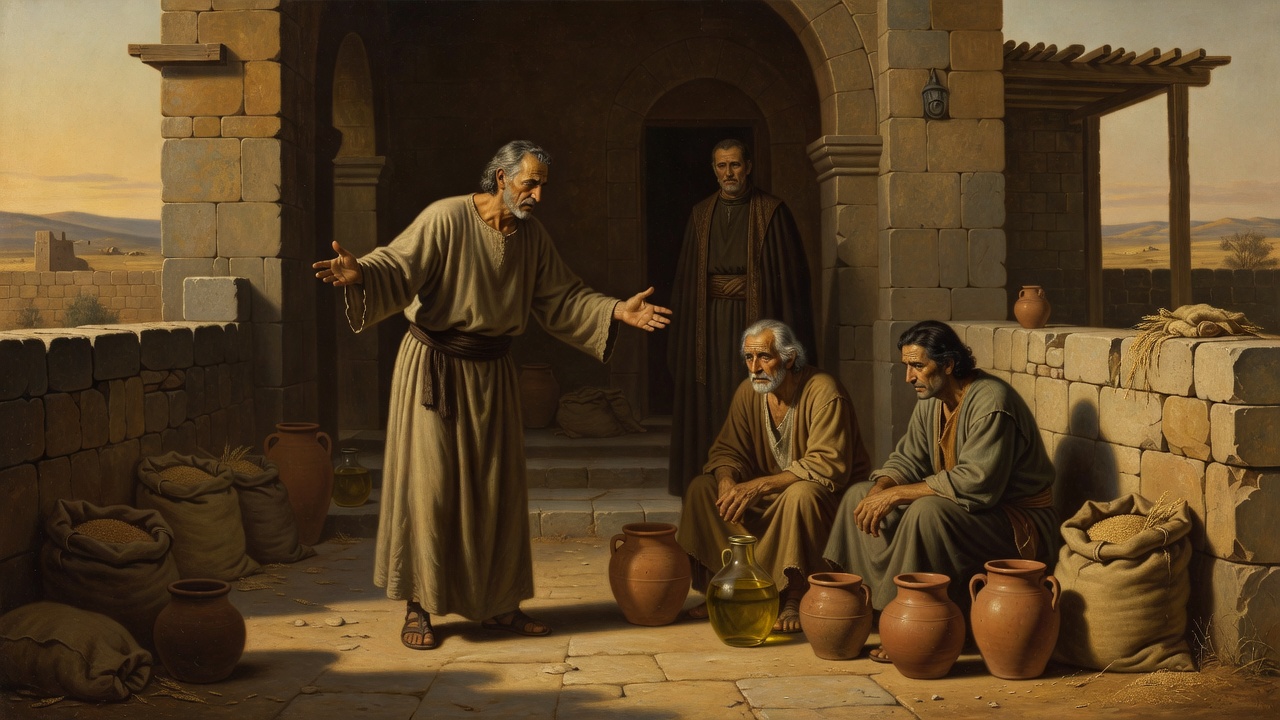
- A un administrador acusado de desperdiciar los bienes de su señor se le ordena rendir cuentas y dejar el puesto. Hace que los deudores reescriban sus cuentas, reduciendo cien medidas de aceite de oliva a cincuenta y cien medidas de trigo a ochenta, y el señor elogia al administrador deshonesto porque había actuado con astucia. Jesús dice entonces que ningún siervo puede servir a dos amos, y que nadie puede servir al mismo tiempo a Dios y al dinero.Fuentes: el propio texto bíblico
Notas escritas con ayuda de IA a partir de fuentes abiertas (Theographic Bible Metadata, CC BY-SA 4.0; Easton’s Bible Dictionary, dominio público) y revisadas antes de publicarse.
Créditos y licencia de esta traducción
Bibiri Kuyie Nnɑ́ɑǹtì Pɑ́tíri
The Holy Bible in the Ditammari language of Benin
copyright © 2001 SIM International
Language: Ditammari
Translation by: SIM
This translation text is made available to you under the
terms of the Creative Commons License: Attribution-Noncommercial-No Derivative Works.
( http://creativecommons.org/licenses/by-nc-nd/3.0/ )
In addition, you have permission to port the text to different file formats, as long as you
do not change any of the text or punctuation of the Bible.
You may share, copy, distribute, transmit, and extract portions
or quotations from this work, provided that you include the above copyright
information:
You must give Attribution to the work.
You do not sell this work for a profit.
You do not make any derivative works that change any of the actual words or punctuation of the Scriptures.
Permissions beyond the scope of this license may be
available if you contact
us with your request.
This translation is made available to you under the terms of the
Creative Commons Attribution-No Derivatives license 4.0.
You may share and redistribute this Bible translation or extracts from it in any format, provided that:
You include the above copyright and source information.
You do not make any derivative works that change any of the actual words or punctuation of the Scriptures.
Pictures included with Scriptures and other documents on this site are licensed just for use with those Scriptures and documents.
For other uses, please contact the respective copyright owners.
2022-05-31
Fuente: http://ebible.org/tbzsim/ · eBible.org