Levítico 24
Bibiri Kuyie Nnɑ́ɑǹtì Pɑ́tíri · Toca un versículo para ver sus referencias cruzadas.
Bɛ̀ bo mpĩ́ mmɛ̀ɛ̀ botí mɛtɑummɛ̀ tou kó tɛfitíkɛ̀kɛ̀tɛ̀
1Kɛ̀ ti Yiɛ̀ nKuyie nnɑ́kɛ́ Mɔyiisi kɛ dɔ̀: 2Nɑ́kɛ́ Isidɑyɛɛribɛ kɛ̀ bɛ̀ dɑ duɔ́ nhodìfíè kó mɛkɔ̀sɑ̀ɑ̀mɛ̀ di bo ntuɔ̀nnɛ̀mɛ̀ tɛfitíkɛ̀kɛ̀tɛ̀ dɛyuo ndɛmɔu. 3Kɛ̀ Anɔɔ tɛ̀ ĩ̀ńnɛ́ mɛtɑummɛ̀ tou miɛkɛ kuyɑ̀ɑ̀kù kùù pì mɛtɑummɛ̀ tɔu ĩ́ĩ́kú dɛ̀ ku ììkɛ̀, kɛ̀ tɛ̀ níí nyié nkɛ cɔ́ú mí ndi Yiɛ̀ nKuyie n yììkɛ̀ kɛ́wentɛ́nɛ̀. Dɛ̀ yóó ntú ikuɔ́ nyi di kpɛ́í nnɛ̀ di yɑɑ̀bío sɑ̃́ɑ̃̀. 4Anɔɔ yóó dɛ nyĩ́nnɛ́ tɛfitíkɛ̀kɛ̀tɛ̀ mɛsɔɔ nsɑ̀ɑ̀mɛ̀ kpɛtɛ kɛ́cɔ̃nnɛ́ tɛ búkúsí kɛ̀ dɛ̀ níí ncɔ́ú nkɛyènkɛ̀ kɛmɔu n yììkɛ̀.
Pɛ̃́ɛ̃̀bɛ̀ bɛ̀ yó mpɑ̃ɑ̃ mbɛ̀ Kuyie
5A wɑɑ́ mmuyuo nsɑ̀ɑ̀mù kɛ́dɔɔ̀nɛ̀ pɛ̃́ɛ̃̀bɛ̀ tɛpíítɛ̀ nɛ̀ bɛ̀dɛ́bɛ̀ bɑ́ wèè pɛ̃́ɛ̃̀ kòo yuo ncɛ̃́ɛ̃́kù mbo cìdóòbɛ̀ bɛ̀kuɔ̀. 6Kɑ̀ɑ bɛ̀ dɑɑ́ mmɛsɔɔ nsɑ̀ɑ̀mɛ̀ kóo tɑ́bùrì ĩ́nkɛ̀ icuɔ́ ìdɛ́ì bɛ̀kuɔ̀ bɛ̀kuɔ̀ mí ndi Yiɛ̀ nKuyie n yììkɛ̀, 7kɛ́cóú mbɑ́ kùù cuɔ́ ĩ́nkɛ̀ tihúúntì sɑ̀ɑ̀tì bɛ̀ yóó tuɔ ntì, kɛ̀ dɛ̀ɛ bɛnkɛ pɛ̃́ɛ̃̀ omɔu túmɛ̀ mí ndi Yiɛ̀ nKuyie n kou.
8Bɑ́ tɛ̀ɛ̀ om̀pùtɛ̀ ntɛ bɛ̀ níí yóó dɑɑ́mmɛ̀ dɛ kóo pɛ̃́ɛ̃̀ mɛsɔɔ nsɑ̀ɑ̀mɛ̀ kóo tɑ́bùrì ĩ́nkɛ̀ mí ndi Yiɛ̀ nKuyie n yììkɛ̀. Díndi Isidɑyɛɛribɛ di dò nkɛ́ mmɛ ndɔɔri sɑ̃́ɑ̃̀. 9Anɔɔ nɛ̀ o bí bɛɛ̀ yó nte dɛ kóo pɛ̃́ɛ̃̀, bɛ̀ níí nkɑri mɛtɑummɛ̀ tou kó kudɑ̀nkù kɛ́ bɛ̀ cɑ̀ɑ́kɛ́ kɛ yɛ̃́ bɛ̀ bɛ̀ nni mpɑ̃mɛ̀mu kɛ̀ bɛɛ̀ cɑ̃̀ɑ̃́ nkɛ̀ bɛɛ̀ dò nkɛ́ bɛ̀ di. Dɛ kó ikuɔ́ yó mbomu sɑ̃́ɑ̃̀.
Bɛ̀ dò nkɛ́dɔɔ̀mɛ̀ wèè sɑ̃́ɑ̃́ nKuyie nɛ̀ wèè bo potɛ́ otɔù kɛ́kuɔ
10Dɑnni kóo nitipòkù mɔù weè do bo Isidɑyɛɛribɛ cuokɛ̀ kòo yètìrì tu Dibidi, kòo pɛitɛ́ osɑpɑ̀ɑ̀ nkòo yètìrì ntu Sedomii, kòo pɛitɛ́nɛ̀ Esibiti kou mɔù odɑpɑ̀ɑ̀. Diyiè mɑrì kɛ̀ dɛ̀ kóo dɑpɑ̀ɑ̀ nnɛ̀ Isidɑyɛɛri kou, kɛ̀ bɛ̀ nkpɑ nkɛ̀ dɛ kóo dɑpɑ̀ɑ̀ nsɑ̃́ɑ̃́ nKuyie, kɛ̀ bɛ̀ɛ ò kɔ̀tɛnɛ̀ Mɔyiisi borɛ̀. 12Kɛ̀ bɛ̀ɛ ò kɑ̀nnɛ kɛ́ nhò bɑ̀ɑ kɛ kémmúnɛ̀ ti Yiɛ̀ nKuyie mbo bɛ̀ nɑ̀kɛ́mɛ̀ bɛ̀ dò nkóò dɔ̀ɔ̀mɛ̀.
13Kɛ̀ ti Yiɛ̀ nKuyie mbɛ́innɛ̀ Mɔyiisi kɛ dɔ̀: 14Dɛ kóo dɑpɑ̀ɑ̀ wèè n sɑ̃́ɑ̃́ mmí nKuyie, ɑ́ ò dènnɛ Isidɑyɛɛribɛ kɑrì, bɛ̀ɛ̀ kó dimɑ̀ɑ̀ kèè ò n sɑ̃̀ɑ̃́mmɛ̀ mí nKuyie nkɛ̀ bɛ̀ɛ nɔ́ɔ́ mbɛ nɔu o yuu ĩ́nkɛ̀ kɛ̀ Isidɑyɛɛribɛ bɛmɔuu ò bùɔ́tí yɛtɑ̃́rɛ̀ kɛ́kuɔ. 15Kɑ̀ɑ nɑ́kɛ́ Isidɑyɛɛribɛ kɛ tú n yɛ̃ nkɛ̀ wèè n sɑ̃̀ɑ̃́ mmí nKuyie nkùù ò te weè tɔ dɛ kó mɛyɛi. 16Kɛ̀ wèè n sɑ̃̀ɑ̃́ mbɛ̀ dò nkóò bùɔ́tí yɛtɑ̃́rɛ̀ nyɛ kɛ́kuɔ, kòò tu opɔ̀ɔ̀ yoo dihɛì yiɛ̀ nkɛ nɛ́ n sɑ̃̀ɑ̃́ mbɛ̀ɛ ò kùɔ.
17Kɛ̀ wèè potɛ́ otɔù kɛ kùɔ, bɛ̀ɛ ò kùɔ. 18Kɛ̀ wèè kùɔ otɔù kó fɛɔ̃̀fɛ̀ wèe ò yietí fɛfòùfɛ̀.
19Wèè kɔ̀ùtɛ otɔù bɛ̀ múnkɛɛ ò kɔ̀ùtɛ. 20Wèè kèétɛ́ otɔù kɔ̃́ũ̀ bɛ̀ɛ kèétɛ́ o kpɛri. Kɛ̀ wèè kpɛ́ɛ́tɛ́ otɔù nɔ̀nfɛ̀ bɛ̀ɛ kpɛ́ɛ́tɛ́ o kɔfɛ. Kɛ̀ wèè feutɛ́ otɔù nìnnì bɛ̀ɛ feutɛ́ o kpɛri. Kɛ̀ wèè ɑ̃nnɛ́ otɔù kuyɛ̀nkù bɛ̀ɛ kù nhò ɑ̃nnɛ́ múnkɛ.
21Kɛ̀ wèè potɛ́ fɛɔ̃̀fɛ̀ kɛ kùɔ wèe yietí kɛ́fɔ́ɔ́, kɛ̀ wèè potɛ́ onìtì kɛ kùɔ bɛ̀ɛ ò kùɔ.
22Di bekùnɛ̀ mɛ̀ɛ̀ botí dihɛì yɛmbɛ̀ di yó mmɛ mbekùnɛ̀ bɛpɔ̀ɔ̀bɛ̀. Mí ndi Yiɛ̀ nKuyie mmíì di te.
23Mɔyiisi tì nɑ̀kɛ́ dìì mɔ̀nnì Isidɑyɛɛribɛ kɛ̀ bɛ̀ɛ dennɛ dɛ kóo dɑpɑ̀ɑ̀ nwèè sɑ̃̀ɑ̃́ nKuyie mbɛ kɑrì kóò bùɔ́tí yɛtɑ̃́rɛ̀ kɛ́kuɔ. Mɛm̀mɛ bɛ̀ dɔ̀ɔ̀mɛ̀ ti Yiɛ̀ nKuyie nnɑ̀kɛ́ tì Mɔyiisi.
¿Sabías que…?
Las Lámparas del Tabernáculo, el Pan y la Igualdad ante la Ley
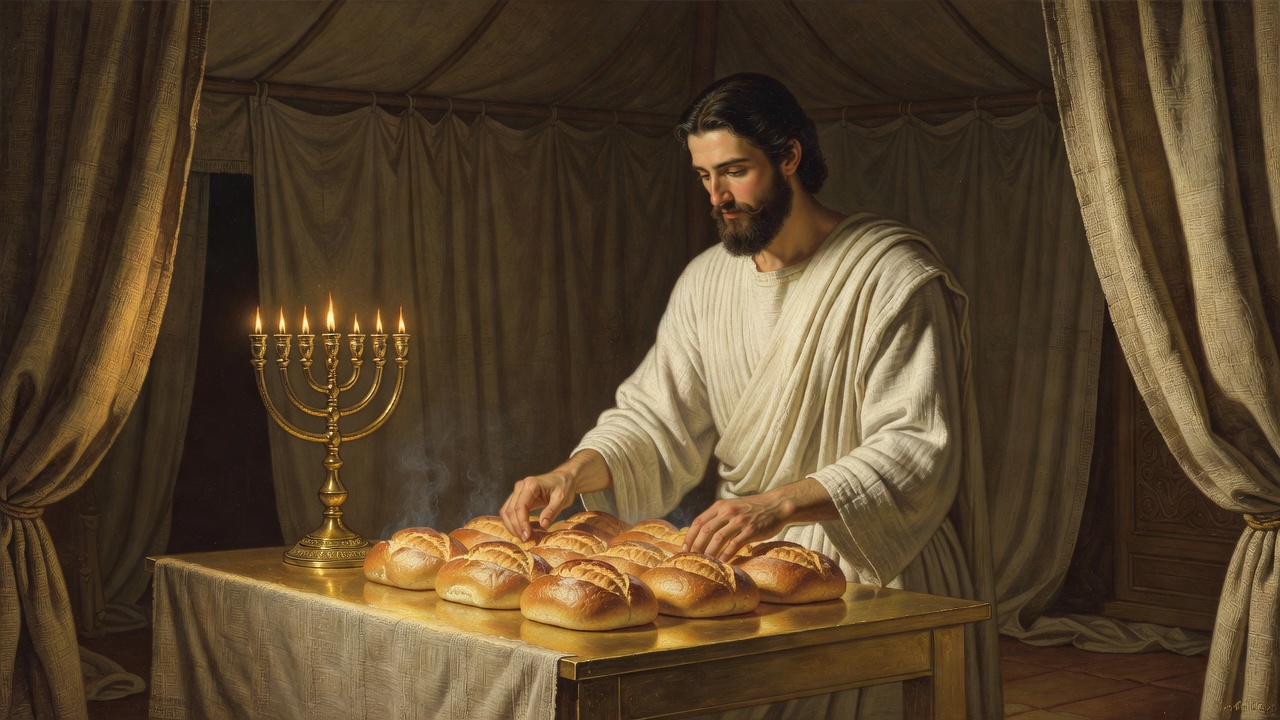
- A Aarón se le ordenó cuidar del candelabro de oro puro fuera del velo del Testimonio desde la tarde hasta la mañana, usando aceite puro de olivas prensadas traído por los israelitas. Junto al candelabro había una mesa de oro puro con doce panes dispuestos en dos hileras con incienso puro, renovados cada día de reposo y consumidos exclusivamente por Aarón y sus hijos en un lugar sagrado.Fuentes: el propio texto bíblico · Aaron
- Una disputa en el campamento involucró a un hombre cuya madre, Selomit hija de Dibri, pertenecía a la tribu de Dan, mientras que su padre era egipcio. Cuando el hombre blasfemó el Nombre durante una pelea, fue puesto bajo custodia hasta que Moisés recibiera instrucciones divinas sobre cómo proceder.Fuentes: el propio texto bíblico · Shelomith · Dibri · Dan
- La ordenanza dada en este pasaje estableció que la misma norma jurídica se aplicaba tanto al extranjero como al natural del país. También reiteró el principio de justicia proporcional, resumido como fractura por fractura, ojo por ojo y diente por diente.Fuentes: el propio texto bíblico
Notas escritas con ayuda de IA a partir de fuentes abiertas (Theographic Bible Metadata, CC BY-SA 4.0; Easton’s Bible Dictionary, dominio público) y revisadas antes de publicarse.
Créditos y licencia de esta traducción
Bibiri Kuyie Nnɑ́ɑǹtì Pɑ́tíri
The Holy Bible in the Ditammari language of Benin
copyright © 2001 SIM International
Language: Ditammari
Translation by: SIM
This translation text is made available to you under the
terms of the Creative Commons License: Attribution-Noncommercial-No Derivative Works.
( http://creativecommons.org/licenses/by-nc-nd/3.0/ )
In addition, you have permission to port the text to different file formats, as long as you
do not change any of the text or punctuation of the Bible.
You may share, copy, distribute, transmit, and extract portions
or quotations from this work, provided that you include the above copyright
information:
You must give Attribution to the work.
You do not sell this work for a profit.
You do not make any derivative works that change any of the actual words or punctuation of the Scriptures.
Permissions beyond the scope of this license may be
available if you contact
us with your request.
This translation is made available to you under the terms of the
Creative Commons Attribution-No Derivatives license 4.0.
You may share and redistribute this Bible translation or extracts from it in any format, provided that:
You include the above copyright and source information.
You do not make any derivative works that change any of the actual words or punctuation of the Scriptures.
Pictures included with Scriptures and other documents on this site are licensed just for use with those Scriptures and documents.
For other uses, please contact the respective copyright owners.
2022-05-31
Fuente: http://ebible.org/tbzsim/ · eBible.org