Josué 5
Bibiri Kuyie Nnɑ́ɑǹtì Pɑ́tíri · Toca un versículo para ver sus referencias cruzadas.
Amɔriibɛ kèèmɛ̀ Isidɑyɛɛribɛ kpɛ́í nkɛ̀ kufɔ̃wɑɑ́ mbɛ̀ pĩ
1Kɛ̀ Amɔriibɛ kpɑ̀ɑ̀tìbɛ̀ bɛ̀ɛ̀ bo Suditɛ̃ɛ̃ diyiè tɑɑ̀ kɛ̀ɛ̀ bíɛ́kɛ̀ nɛ̀ Kɑnnɑhɑ̃ɑ̃ kɔbɛ bɛ̀ɛ̀ bo dɑ̀mɛ́ɛ̀rì tɑkɛ́, kɛ̀ bɛ̀ɛ keè ti Yiɛ̀ nKuyie ncòńnɛ́mɛ̀ kukó nSuditɛ̃ɛ̃ kó mɛniɛ, kɛ̀ Isidɑyɛɛribɛ sèńtɛ́, kɛ̀ kufɔ̃wɑɑ́ mbɛ̀ ɑutɛ́, bɛ̀ í ndɑ̀ɑ́tí kɛ bo bɑɑo Isidɑyɛɛribɛ.
Bɛ̀ cɑ̃mmúmɛ̀ Isidɑyɛɛribɛ bɛ̀ piɛ́ bɛ̀ kucɛ miɛkɛ
2Kɛ̀ ti Yiɛ̀ nKuyie nnɑ́kɛ́ Sosuwee kɛ dɔ̀: Dɔɔ̀ mɛtɑ̃́ntɛ̀nsiɛ̀ nkɛ́cɑ̃mmú Isidɑyɛɛribɛ bɛ̀ piɛ́ bɛ̀ kucɛ miɛkɛ.
3Kòo dɔɔ̀ mɛtɑ̃́ntɛ̀nsiɛ̀ nkɛ́ bɛ̀ cɑ̃mmú dicɑ̃ntɛ́tɑ̃rì ĩ́nkɛ̀. 4Ntɛ dɛ̀ɛ̀ do te kɛ̀ Sosuwee cɑ̃mmú bɛnitidɑɑbɛ̀ bɛ̀ do yɛtìní Esibiti kɛ̀ bɛ̀ɛ̀ kó dimɑ̀ɑ̀ ndò nkɛ́nɑ kɛ́kɔtɛ mudoò, bɛ̀ do ku dikpɑ́ɑ̀ cuokɛ̀ nkɛ. 5Bɛ̀ do yɛtìní Esibiti kɛ̀ bɛ̀ɛ̀ bo bɛ̀ do cɑ̃mmúmu, bɛ̀ do piɛ́ bɛ̀ kucɛ bɛɛ̀ do í cɑ̃mmú. 6Isidɑyɛɛribɛ do yɛ̀nní Esibiti kɛ́mmɔkɛ yɛbie nsipísìnɑ̀ɑ̀ ndi dikpɑ́ɑ̀, bɛ̀ do yɛtìní kɛ̀ bɛ̀ɛ̀ dò mbɛ̀ bo nɑ kɛ́kɔtɛ dikpɑ̀nnì kɛ̀ bɛ̀ɛ kú, bɛ̀ yetɛ mɛ̀ɛ̀ kpɛ́í ti Yiɛ̀ nKuyie nkpɛti, kɛ̀ kù dɔ̀ bɛ̀ í tɑti kù do yɛ̃ nkù yóó duɔ́ ndìì ɛì bɛ yɛmbɛ̀, mɛnɑɑmiɛ̀ nnɛ̀ mɛcekùɔ̀ ndɛ̀ pũɔ̃̀ ndɛ̀. 7Bɛ bí iì do cɔutɛ́ bɛ fɔ̃̀tɛ̀, kɛ̀ Sosuwee bɛ̀ cɑ̃mmú kɛ yɛ̃́ bɛ̀ mu ndo í cɑ̃mmúmɛ̀. 8Ò bɛ̀ cɑ̃mmú kɛ́deè kɛ̀ bɛ̀ mbo bɛ kɑrɛ̀ nyɛ kɛ yɑ̀ɑ miɛtɛ́nɛ̀. 9Kɛ̀ ti Yiɛ̀ nKuyie nhò nɑ̀kɛ́ kɛ dɔ̀: N dɛ̀itɛ yíe ndi fɛi nyi, di yɛ̀nnɛ̀nní ì Esibiti.
Dɛɛ̀ te kɛ̀ bɛ̀ yu dɛ kó dibòrì kɛ tú Kidikɑɑdi nɛ̀ yíenní.
Bɛ̀ bɑɑ́mmɛ̀ diyentɛ́bɑnni Kɑnnɑhɑ̃ɑ̃
10Dɛ mɔ̀nnì kɛ̀ Isidɑyɛɛribɛ nkɑri Kidikɑɑdi kɛ́bɑɑ́ ndiyentɛ́bɑnni otɑ̃̀nkù yiè tɛpíítɛ̀ nɛ̀ dinɑɑnnì yiè kuyuoku, Sedikoo ɛì kó kubiriku. 11Kɛ̀ bɛ̀ɛ di dɛ yiè dihɛì kó tidiitì, kɛ́cɑ́ɑ́kɛ́ pɛ̃́ɛ̃̀ wèè í kɔɔrɛnɛ̀ mutie mùù muuti nɛ̀ tidiitì tìì cìe. 12Kɛ̀ dɛ̀ɛ wentɛ́ kɛ̀ mɑ́nnì tɛ̃́nkɛ í mbo, kɛ̀ bɛ̀ nyo nKɑnnɑhɑ̃ɑ̃ kó mudiì.
Sosuwee yɑ̀mɛ̀ wèè bɑkɛ́ Kuyie nhɑ̃ɑ̃pɔ̀nnɑfɛ
13Diyiè mɑrì kɛ̀ Sosuwee ḿbo Sedikoo tɑkɛ́ kɛ́yɑ̀ onìtì mɔù kòò tɔ mɛsebii nkɛ cómmú, kɛ̀ Sosuwee ò bekɛ kɛ dɔ̀: A tú ti kouɑɑ̀ kɛ̀ ti dootitɔù? 14Kòò dɔ̀: N tú wèè bɑkɛ́ wènwe ti Yiɛ̀ nKuyie nhɑ̃ɑ̃pɔ̀nnɑfɛ, m bo kɛ tuɔ̀kùnímu. Kɛ̀ Sosuwee nínkóo o ììkɛ̀ kɛ dɔ̀: N yiɛ̀, ɑ dɔ́ kɛ́ n nɑ́kɛ́ ɔ̃̀nti?
15Wèè bɑkɛ́ ti Yiɛ̀ nKuyie nhɑ̃ɑ̃pɔ̀nnɑfɛ kòo dɔ̀: Dɛitɛ ɑ nɛùtì, ɑ cómmú dibòrì sɑ̀ɑ̀rì ndi.
Kɛ̀ Sosuwee tì dɛ̀itɛ.
¿Sabías que…?
Renovación de la Alianza y el Comandante del Ejército del Señor
- Durante los cuarenta años de peregrinación por el desierto, la generación de israelitas nacida en el camino no había sido circuncidada. Tras cruzar el Jordán, Josué realizó el rito en Gabaat-ha-aralot, cerca de Gilgal, utilizando cuchillos de pedernal, marcando la renovación del pacto y la eliminación del oprobio de Egipto.Fuentes: el propio texto bíblico · Gilgal · Gibeath-haaraloth
- Los israelitas celebraron la Pascua en las llanuras de Jericó el día catorce del mes. Al día siguiente de comer grano tostado y panes sin levadura del fruto de la tierra de Canaán, el maná milagroso cesó de caer.Fuentes: el propio texto bíblico · Jericho · Canaan
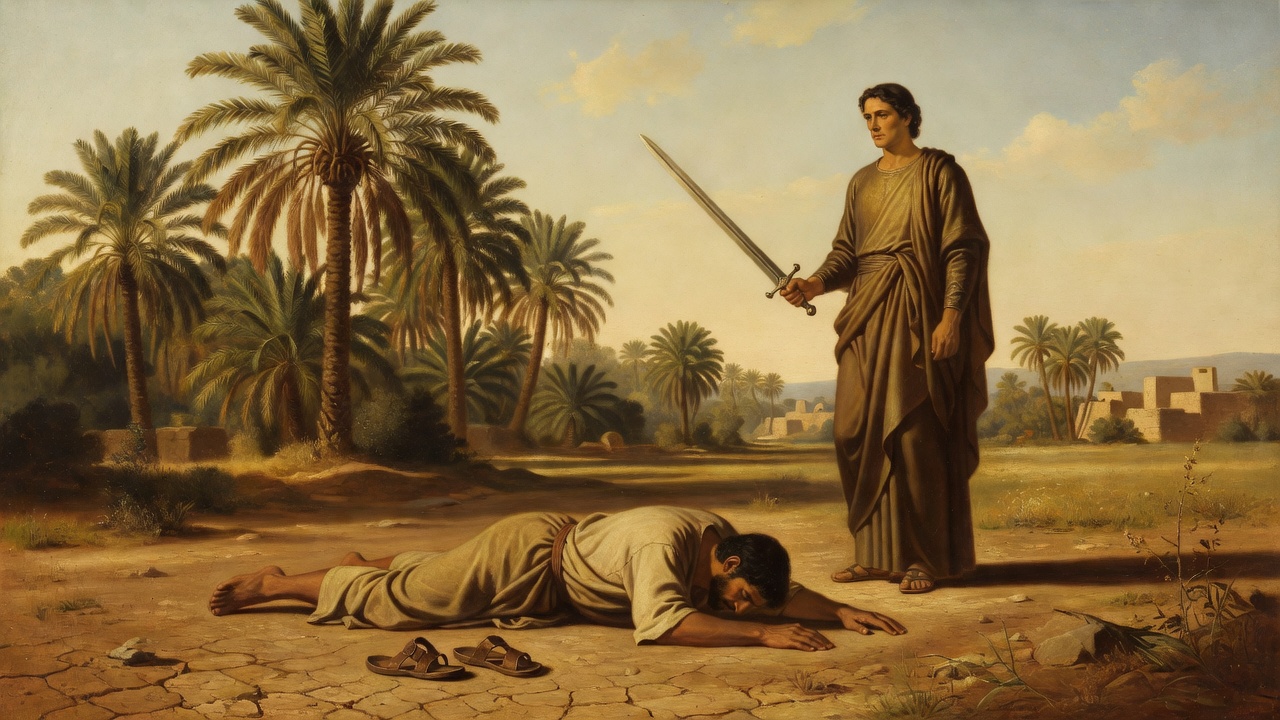
- Cerca de Jericó, Josué encontró a un hombre con una espada desenvainada que se identificó como el comandante del ejército del Señor en lugar de tomar partido. Josué se postró rostro en tierra con reverencia y se le ordenó quitarse las sandalias, pues el lugar en que estaba era santo.Fuentes: el propio texto bíblico · Joshua · Jericho
Notas escritas con ayuda de IA a partir de fuentes abiertas (Theographic Bible Metadata, CC BY-SA 4.0; Easton’s Bible Dictionary, dominio público) y revisadas antes de publicarse.
Lugares de este capítulo
- Great Sea · Hoy: Mediterranean Sea · 31.805, 34.170 · versículo 1
- Jordan · Hoy: Jordan River · 31.761, 35.558 · versículo 1
- Egypt · 30.129, 31.308 · versículos 4, 5, 6, 9
- Jericho · Hoy: Tell es Sultan · 31.872, 35.445 · versículos 10, 13
- Canaan · 32.767, 35.333 · versículo 12
Solo aparecen lugares identificados con alta confianza (90 % o más según las fuentes académicas reunidas por OpenBible). Mapa de la época: DARE (Digital Atlas of the Roman Empire), CC BY 4.0; mapa actual: © colaboradores de OpenStreetMap; lugares: OpenBible.info (CC BY 4.0).
Créditos y licencia de esta traducción
Bibiri Kuyie Nnɑ́ɑǹtì Pɑ́tíri
The Holy Bible in the Ditammari language of Benin
copyright © 2001 SIM International
Language: Ditammari
Translation by: SIM
This translation text is made available to you under the
terms of the Creative Commons License: Attribution-Noncommercial-No Derivative Works.
( http://creativecommons.org/licenses/by-nc-nd/3.0/ )
In addition, you have permission to port the text to different file formats, as long as you
do not change any of the text or punctuation of the Bible.
You may share, copy, distribute, transmit, and extract portions
or quotations from this work, provided that you include the above copyright
information:
You must give Attribution to the work.
You do not sell this work for a profit.
You do not make any derivative works that change any of the actual words or punctuation of the Scriptures.
Permissions beyond the scope of this license may be
available if you contact
us with your request.
This translation is made available to you under the terms of the
Creative Commons Attribution-No Derivatives license 4.0.
You may share and redistribute this Bible translation or extracts from it in any format, provided that:
You include the above copyright and source information.
You do not make any derivative works that change any of the actual words or punctuation of the Scriptures.
Pictures included with Scriptures and other documents on this site are licensed just for use with those Scriptures and documents.
For other uses, please contact the respective copyright owners.
2022-05-31
Fuente: http://ebible.org/tbzsim/ · eBible.org