Jonás 2
Bibiri Kuyie Nnɑ́ɑǹtì Pɑ́tíri · Toca un versículo para ver sus referencias cruzadas.
Sonɑɑsi bɑ̀ɑ́mmɛ̀ Kuyie ntɛyĩǹtɛ̀ miɛkɛ
1Bɛ̀ dootóo mɛmmɛ Sonɑɑsi kɛ̀ Kuyie nduɔ́ nkɛ̀ tɛyĩndiɛtɛ̀ɛ ò mɑɑ́nko. Kòò dɔ̀ iyie nyìtɑ̃ɑ̃ti, dɛyènnɛ̀ dɛ̀tɑ̃ɑ̃ti tɛyĩǹtɛ̀ miɛkɛ. 2Kɛ̀ Sonɑɑsi mbɑ́ɑ́ nho Yiɛ̀ nKuyie nkɛ tú:
3Dɛ̀ m pɑ̀kɛ́mu n Yiɛ̀ nKuyie nkɛ̀ n dɑ kuɔ́nnɛ̀ kɑ̀ɑ n dɛɛtɛ́!
N do bo kudɔnkù nku kɛ dɑ yu, kɑ̀ɑ kèè n tɑmmɛ̀.
4A do n dootóo dɑ̀mɛ́ɛ̀rì fũ̀ɔ̃̀ ndi dɛcũmpurɛ,
kɛ̀ mɛniɛ nni ndɑ̀tínnɛ́, kɛ̀ yɛnɛ́fĩ̀nfĩ̀rɛ̀ nni mpuotì.
5N yɛ̀mmɛ̀ do dò nhɑ n dootóomu,
bɑ́ nɛ̀ mɛmmɛ n do yɛ̃́mu kɛ dò m bo wɛ̃tɛ kɛ́yɑ̀ ɑ cɛ̃sɑ̀ɑ̀tɛ̀.
6N do dìumu kɛ́fiu, n do tɑ tɛbintuotɛ̀ ntɛ,
kɛ̀ dɑ̀mɛ́ɛ̀rì kó tipèntì nni kɔti.
7N do cùtɛ́ dɛ fũ̀ɔ̃̀ ndi kɛ́tɑ kudɔnkù sɑ̃́ɑ̃̀.
N Yiɛ̀ nKuyie nkɑ̀ɑ n dɛɛtɛ́ kɛ n dènnɛní kudɔnkù!
8N do fìumu kɛ̀ n yɛ̀mmɛ̀ɛ cuonní ɑ bíɛ́kɛ̀
kɛ̀ nní ndɑ bɑ́ɑ́ nkɛ tú m bɑ́ɑmmìi tuɔkoo ɑ cɛ̃sɑ̀ɑ̀tɛ̀ miɛkɛ.
9Bɛbɔɔféúbɛ̀ pɑ̀ɑ̀mu Kuyie nkó mɛsɑ̀ɑ̀.
10Mí m bo dɑ fíé iwũɔ̃, kɛ́ndiè nkɛ dɑ sɑ̃ntí,
kɛ dɔɔri m bɛ́i ntì, Kuyie nfɔ̃́ɔ̃̀ mɑ́ɑ̀ dɛɛrí.
11Kɛ̀ Kuyie nduɔ́ nkɛ̀ tɛyĩ̀ntɛ̀ɛ tĩ́ṹtóo Sonɑɑsi dikonnɛ́bɛ̀nnì.
¿Sabías que…?
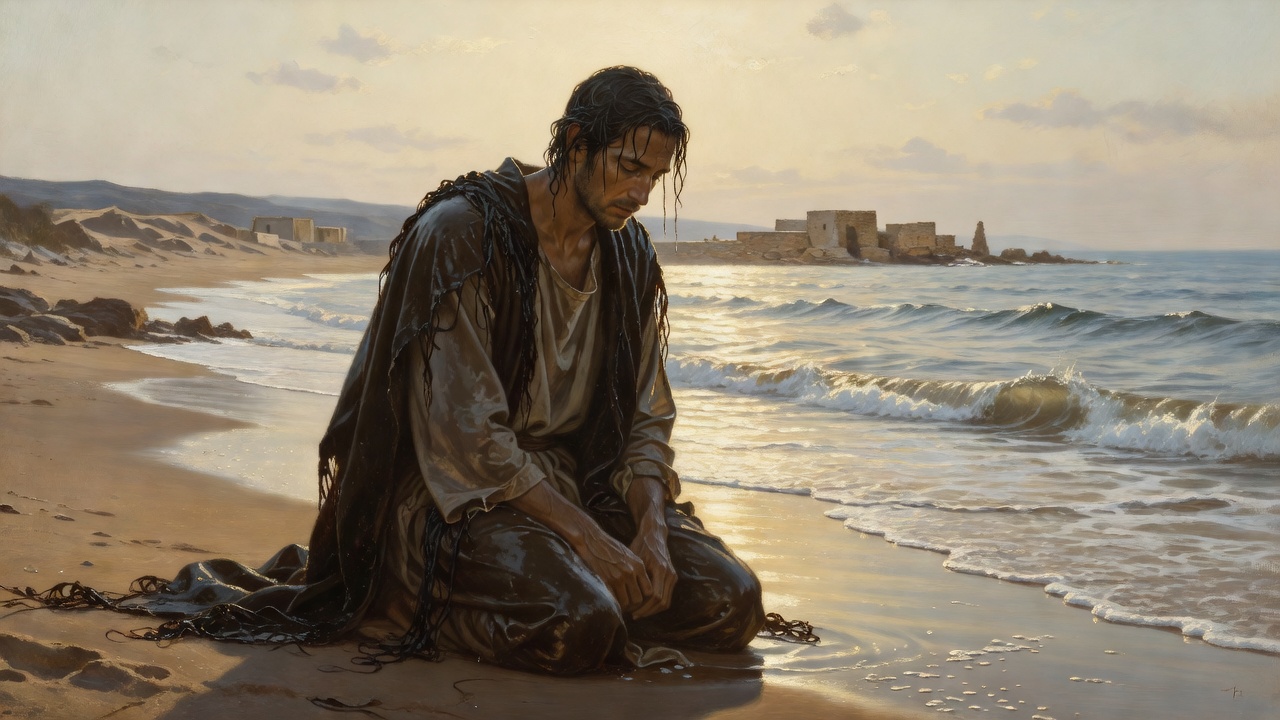
La oración y liberación de Jonás
- La oración de Jonás utiliza imágenes poéticas para describir su experiencia cercana a la muerte, retratando las profundidades marinas como el 'vientre del Seol', donde descendió hasta los 'cimientos de los montes' con algas enredadas en su cabeza.Fuentes: el propio texto bíblico
- Incluso estando sumergido en las profundidades dentro del pez, Jonás dirige sus pensamientos hacia el santo templo de Dios, prometiendo cumplir sus votos y ofrecer sacrificios de alabanza.Fuentes: el propio texto bíblico
- Según los registros bíblicos, el profeta Jonás era hijo de Amitai, natural de Gat-hefer, y ejerció su ministerio durante el reinado de Jeroboam II en Israel.Fuentes: Jonah
Notas escritas con ayuda de IA a partir de fuentes abiertas (Theographic Bible Metadata, CC BY-SA 4.0; Easton’s Bible Dictionary, dominio público) y revisadas antes de publicarse.
Créditos y licencia de esta traducción
Bibiri Kuyie Nnɑ́ɑǹtì Pɑ́tíri
The Holy Bible in the Ditammari language of Benin
copyright © 2001 SIM International
Language: Ditammari
Translation by: SIM
This translation text is made available to you under the
terms of the Creative Commons License: Attribution-Noncommercial-No Derivative Works.
( http://creativecommons.org/licenses/by-nc-nd/3.0/ )
In addition, you have permission to port the text to different file formats, as long as you
do not change any of the text or punctuation of the Bible.
You may share, copy, distribute, transmit, and extract portions
or quotations from this work, provided that you include the above copyright
information:
You must give Attribution to the work.
You do not sell this work for a profit.
You do not make any derivative works that change any of the actual words or punctuation of the Scriptures.
Permissions beyond the scope of this license may be
available if you contact
us with your request.
This translation is made available to you under the terms of the
Creative Commons Attribution-No Derivatives license 4.0.
You may share and redistribute this Bible translation or extracts from it in any format, provided that:
You include the above copyright and source information.
You do not make any derivative works that change any of the actual words or punctuation of the Scriptures.
Pictures included with Scriptures and other documents on this site are licensed just for use with those Scriptures and documents.
For other uses, please contact the respective copyright owners.
2022-05-31
Fuente: http://ebible.org/tbzsim/ · eBible.org