Job 28
Bibiri Kuyie Nnɑ́ɑǹtì Pɑ́tíri · Toca un versículo para ver sus referencias cruzadas.
Mɛciì nkó disɔ̀rì
1Timɑ́tì pɛ́ítì kó yɛbòrɛ̀ bomu bɛ̀ tì wɑɑ̀ ndɛ̀,
kɛ̀ mɛsɔɔ nkó yɛkɑ̀rɛ̀ bo kɛ̀ bɛ̀ mɛ̀ dɛ̀ì kɛ ɔu,
2kɛ dɑmmù timɑ́tì kɛtenkɛ̀,
kɛ ɔ̃ɔ̃ pṹnnɛ́ yɛtɑ̃́rɛ̀ kɛ́dɛitɛ disɔɔwũɔ̃̀.
3Bɛmɑ́tìwɑmbɛ̀ ɔ̃ɔ̃ míítɛ́ muhɑ̃ɑ̃́ mmu kɛ́tɑ kɛtenkɛ̀ sɔ̀ùkɛ̀,
kɛ́wɑmmú kɛ́fiɛ́ kɛtenkɛ̀ fũ̀ɔ̃̀,
yɛtɑ̃́rɛ̀ yɛ̀ɛ̀ bo kɛ miɛkoo dɛsɔ̀ùrɛ̀.
4Bɛ̀ ɔ̃ɔ̃ dɑmmú yɛfɔ̃̀tɛ̀ kɛ cútóomu dɛdɛ́tirɛ̀ òmɔù í yóó nɑ kɛ́tuɔkɛ dɛ̀,
kɛ́ nkɛ̀ nùú nkɛ dɛ́tirìnɛ̀ bɛnìtìbɛ̀.
5Kɛtenkɛ̀ tidiitì yìɛ̀ní kɛ̀ɛ̀ ĩ́nkɛ̀,
kɛ miɛkɛ nɛ́ kùti kɛ kùtimu kɛ dò mmuhɑ̃ɑ̃́ nkɛ cɔ̀útɛ́.
6Kɛɛ̀ tenkɛ̀ miɛkɛ kó yɛtɑ̃́rɛ̀ miɛkɛ yɛtɑ̃́sɑ̀ɑ̀yɛ̀ bɛ̀ tu yɛ̀ sɑfíì yɛ̀ bomu.
Kɛtenkɛ̀ miɛkɛ kó mutɑ̃́ɑ̃́ mmu bɛ̀ dɛ̀ìmɛ̀ mɛsɔɔ.
7Dɛ kó kucɛ fɛtúúfɛ̀ í kù yɛ̃́,
ditúsɔ̀ù í yɑ̀ dɛ kó kucɛ.
8Mukpɑsĩ̀mmù mùù tɑ̃́ mumɑ́ɑ̀ mù í tũ̀nnɛ dɛ kó kucɛ.
Dicìrícìrì mɑrì mu nyí kètɛ́ dɛ kó kucɛ.
9Onìtì yie mɛ nhɔ̃ɔ̃ nɑmpɛmu dipèrì,
kɛ́kpɛ́i nditɑ̃rì kɛ́tuɔkɛ dì fìíkú dɛ̀,
10kɛ́keú yɛpèrɛ̀ yɛfɔ̃̀tɛ̀ kɛ́cútóo,
dɛ̀ɛ̀ kó dimɑ̀ɑ̀ tu dɛsɑ̀ɑ̀rɛ̀ onìtì nɔ̀nfɛ̀ dɛ̀ yɑ̀mu.
11Weè ɔ̃ɔ̃ kpɛ̃́nnɛ́ mɛniɛ kɛ́dennɛní dɛ̀ɛ̀ do sɔri.
12Yé onìtì bo pɛ́tɛ́ dɛ̀ mɛyɛ̀mmɛ̀?
Mɛciì nkó dikɑ̀rì borɛ?
13Onìtì í yɛ̃́ mɛ donku mɑ̀mɛ̀,
mɛ̀ ketɛ́ kɛ í bo kutenkù kuù mmiɛkɛ.
14Difɔ̃̀tìrì cũmpuri tú: Mɛ̀ í bo m borɛ̀,
Kɛ̀ dɑ̀mɛ́ɛ̀rì tu: Mɛ̀ í bo m borɛ̀.
15Bɛ̀ í mɛ̀ cèkii nɛ̀ mɛsɔɔ nsɑ̀ɑ̀mɛ̀,
yoo ɑ cɔ̃nnɛ́ timɑ́tì pɛ́ítì cìdóò kɛ́ mɛ̀ cèètɛnɛ̀.
16Bɑ́ mɛsɔɔ nsɑ̀ɑ̀mɛ̀ Ofii ɛì kɔ̃mɛ bɑ́ɑ́ nɑ kɛ́ mɛ̀ ɛ̀nnɛnɛ̀
ditɑ̃́sɑ̀ɑ̀rì bɛ̀ tu dì onikísì yoo bɛ̀ tu dì sɑfíì dì bɑ́ɑ́ yɛ̀ bennɛ́nɛ̀.
17Mɛsɔɔ nyoo timɑ́tì pɛ́ítì í mɛ̀ tùɔ̀kɛ,
bɑ́ mɛsɔɔ nsɑ̀ɑ̀mɛ̀ kó fɛbòòfɛ̀ bɑ́ nsɑ̀nnɛ̀ kɛ́ mɛ̀ cèètɛnɛ̀.
18Kɛ̀ n tɛ̃́nkɛ nɛ́ bɑ́ɑ́ buɔ́nɛ̀ bɛ̀ dɔ̀ɔ̀rinɛ̀ dɛ̀ mɛdɛ̀ì mbɛ̀ tu dɛ̀ kòdɑ́ì,
nɛ̀ ditɑ̃́sɑ̀ɑ̀rì bɛ̀ tu dì kidisìtɑ́rì,
kɑ̀ɑ mɔ̀kɛ mɛciì dɛ̀ pɛ̃ɛ̃tɛ́mu mɛdɛ̀ì.
19Etiopii kó yɛtɑ̃́sɑ̀ɑ̀yɛ̀ bɛ̀ tu yɛ̀ tòpɑ́sì yɛ̀ bɑ́ɑ́ nɑ kɛ́ mɛ̀ tùɔ̀kɛ,
mɛsɔɔ nsɑ̀ɑ̀mɛ̀ mɔ́mmɔmmɛ í mɛ̀ tùɔ̀kɛ.
20Bɛ̀ piɛti ɔ̃nkɛ bíɛ́kɛ̀ mɛyɛ̀mmɛ̀ nɑ́kɛ?
Mɛciì ncĩ́ɛ̃̀tɛ̀ borɛ?
21Dɛ̀ borɛ̀ onìtì yie mbɑ́ɑ́ nɑ kɛ́ dɛ̀ yɑ̀,
bɑ́ tɛnɔ̀tɛ̀ tɛ̀ɛ̀ pùtì dɛĩ́nkɛ̀ tɛ̀ bɑ́ɑ́ mɛ̀ mɑ̀ɑ́nɛ̀.
22Difɔ̃̀tìrì cũmpuri nɛ̀ kudɔnkù dɛ̀ nɑ̀ɑ́ nkɛ tú:
Ti kèèmu nɛ̀ ti to bɛ̀ nɑ̀ɑ́mmɛ̀ mɛ kpɛ́í.
23Kuyie nkuù mɑ́ɑ̀ yɛ̃́ mɛ cĩ́ɛ̃̀tɛ̀ kó kucɛ,
kuù mɑ́ɑ̀ yɑ̀ mɛ̀ ɑ̃ dɛ̀.
24Kɛ yɛ̃́ kuù wùómmɛ̀ nɛ̀ kɛtenkɛ̀ mɑ̀nkoo,
kɛ̀ kuù pɑkɛ́ dɛ̀ɛ̀ kó dimɑ̀ɑ̀ bo kɛtenkɛ̀ ĩ́nkɛ̀.
25Kunku kùù bennɛ́ kuyɑɑkù kɛ yɛ̃́ ku kó kucɛ̃́ɛ̃́kù mɑ̀mɛ̀,
kɛ yɛ̃́ dɑ̀mɛ́ɛ̀rì kó mɛcũmpumɛ mɑmɛ̀.
26Kuù kèétɛ́ fɛtɑɑfɛ̀ ikuɔ́ fɛ̀ yó ntũ nyì,
kɛ keutɛ́ kucɛ fɛtɑɑfɛ̀ yó mmíí nkɛ yiɛ̀ dɛ̀.
27Mɛm̀mɛ kù yɑ̀mɛ̀ mɛciì kɛ̀ mɛ̀ wenni,
kɛ yɑ̀ mɛ wenniku mɑmɛ̀ kɛ mɛ̀ pɑɑtɛ́.
28Dɛ mɔ̀nnì kɛ́nɑ́kɛ́ onìtì kɛ dɔ̀:
A bo ndémɛ̀ Kuyie ndɛɛ̀ tu mɛyɛ̀mmɛ̀,
ɑ bo nyennínɛ̀mɛ̀ ɑmɑ́ɑ̀ mɛyɛi ndɛɛ̀ tu mɛciì.
¿Sabías que…?
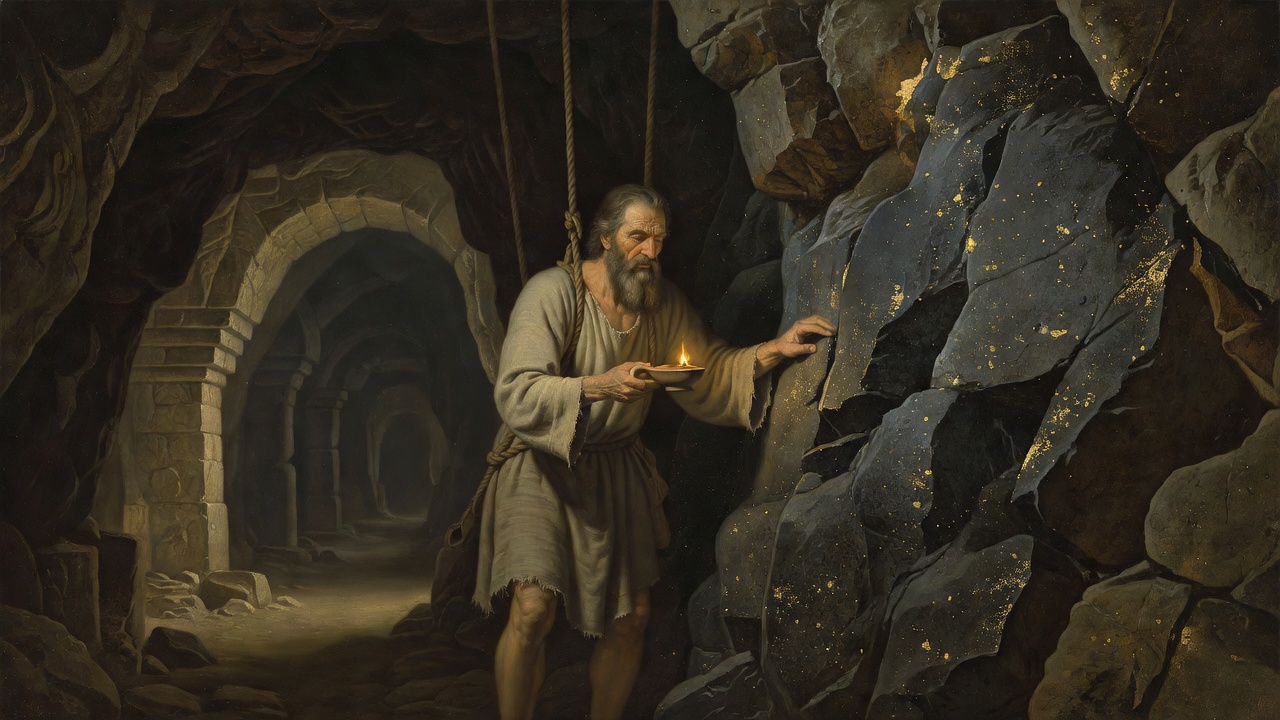
La Minería de Tesoros y el Valor de la Sabiduría
- Job 28 ofrece una descripción detallada de la minería en la Antigüedad, como la excavación de pozos lejos de las poblaciones, el descenso mediante cuerdas, la apertura de túneles en la roca y la contención de aguas subterráneas para extraer cobre, hierro, plata y piedras preciosas.Fuentes: el propio texto bíblico
- Para resaltar que la sabiduría supera toda riqueza terrenal, el poema menciona el oro de Ofir y el topacio de Cus (traducido como Etiopía en la Septuaginta griega). Ofir era una región famosa por su oro puro, vinculada tradicionalmente a Arabia o la India, mientras que Cus se ubicaba al sur de Egipto.Fuentes: el propio texto bíblico · Ophir · Ethiopia
- El poema concluye que, aunque el ser humano domine las profundidades de la tierra para extraer tesoros, la verdadera sabiduría no se puede comprar ni desenterrar. Dios revela que la sabiduría para los mortales radica en el temor del Señor y en apartarse del mal.Fuentes: el propio texto bíblico
Notas escritas con ayuda de IA a partir de fuentes abiertas (Theographic Bible Metadata, CC BY-SA 4.0; Easton’s Bible Dictionary, dominio público) y revisadas antes de publicarse.
Lugares de este capítulo
- Ethiopia · 16.935, 33.751 · versículo 19
Solo aparecen lugares identificados con alta confianza (90 % o más según las fuentes académicas reunidas por OpenBible). Mapa de la época: DARE (Digital Atlas of the Roman Empire), CC BY 4.0; mapa actual: © colaboradores de OpenStreetMap; lugares: OpenBible.info (CC BY 4.0).
Créditos y licencia de esta traducción
Bibiri Kuyie Nnɑ́ɑǹtì Pɑ́tíri
The Holy Bible in the Ditammari language of Benin
copyright © 2001 SIM International
Language: Ditammari
Translation by: SIM
This translation text is made available to you under the
terms of the Creative Commons License: Attribution-Noncommercial-No Derivative Works.
( http://creativecommons.org/licenses/by-nc-nd/3.0/ )
In addition, you have permission to port the text to different file formats, as long as you
do not change any of the text or punctuation of the Bible.
You may share, copy, distribute, transmit, and extract portions
or quotations from this work, provided that you include the above copyright
information:
You must give Attribution to the work.
You do not sell this work for a profit.
You do not make any derivative works that change any of the actual words or punctuation of the Scriptures.
Permissions beyond the scope of this license may be
available if you contact
us with your request.
This translation is made available to you under the terms of the
Creative Commons Attribution-No Derivatives license 4.0.
You may share and redistribute this Bible translation or extracts from it in any format, provided that:
You include the above copyright and source information.
You do not make any derivative works that change any of the actual words or punctuation of the Scriptures.
Pictures included with Scriptures and other documents on this site are licensed just for use with those Scriptures and documents.
For other uses, please contact the respective copyright owners.
2022-05-31
Fuente: http://ebible.org/tbzsim/ · eBible.org