Juan 17
Bibiri Kuyie Nnɑ́ɑǹtì Pɑ́tíri · Toca un versículo para ver sus referencias cruzadas.
Yesu bɑ̀ńtɛ̀mɛ̀ Kuyie nho tɑncɔ́ùmbɛ̀ kpɛ́í
1Yesu bɛ́i mmɛmmɛ kɛ́deè kɛ́bɔ́útɛ́ kɛĩ́nkɛ̀ kɛ dɔ̀: N cicɛ dɛ mɔ̀nnì tùɔ̀kɛmu, dɛ́úkùnnɛ ɑ birɛ yètìrì kɛ̀ dɛ̀ɛ dɛ́úkùnnɛ ɑ kpɛri. 2Kɛ yɛ̃́ ɑ dɛ̀ duɔ́mmɛ̀ muwɛ̃rímú kɛ̀ dɛ̀ bo duɔ́ mmufòmmu mùù bo sɑ̃́ɑ̃̀ bɛnìtìbɛ̀ ɑ dɛ̀ duɔ́ mbɛ̀. 3Bɛ̀ bo yĩ́ɛ̃́tɛ́mɛ̀ fɔ̃́ nKuyie mmɔ́mmɔnku kùù bo kumɑ́ɑ̀, nɛ̀ Yesu Kirisi ɑ tɔ̃nní wè dɛɛ̀ tú mufòmmu mùù bo sɑ̃́ɑ̃̀. 4N dèèmu mutɔ̃mmú ɑ yɛ̃ m pĩ́ mmù kɛ dɛ́úkùnnɛ ɑ yètìrì kɛtenkɛ̀ ĩ́nkɛ̀. 5Di mmɔ̀nnì n cicɛ dɛ́úkùnnɛ n yètìrì, kɛ́ n duɔ́ ndisɑ̃nni n do mɔkɛ dì ɑ borɛ̀ kɛ̀ kutenkù mu nyí dɔ̀ɔ̀.
6Míì duɔ́ nkɛ̀ bɛ̀ dɑ yĩ̀ɛ̃́tɛ́, bɛnìtìbɛ̀ ɑ dɛ̀itɛní bɛ̀ kutenkù, kɛ bɛ̀ nni nduɔ́, fɔ̃́ɔ̃̀ do bɛ̀ te kɛ bɛ̀ nni nduɔ́ nkɛ̀ bɛ̀ yie nhɑ nɑ́ɑǹtì. 7Bɛ̀ bɑntɛ́mu di m̀mɔ̀nnì kɛ dò mmɔkɛ dɛ̀ɛ̀ kó dimɑ̀ɑ̀ bonní ɑ borɛ̀. 8Kɛ yɛ̃́ m bɛ̀ nɑ̀kɛ́mɛ̀ tinɑ́ɑǹtì ɑ n duɔ́ ntì kɛ̀ bɛ̀ tì cɔutɛ́ kɛ bɑntɛ́ kɛ dò m mɛ̀nkɛ bonní ɑ borɛ̀ kɛ yie nkɛ dò nfɔ̃́ɔ̃̀ n tɔ̃nní.
9N yí dɑ bɑ́ɑ́ nkutenkù kɔbɛ kpɛ́í, n dɑ bɑ́ɑ́ nhɑ n duɔ́ mbɛ̀ kpɛ́í nkɛ, kɛ yɛ̃́ fɔ̃́ɔ̃̀ bɛ̀ temɛ̀. 10M mɔkɛ dɛ̀ tú ɑ kpɛrɛ ndɛ, kɑ̀ɑ mɔ̀kɛ dɛ̀ tú n kpɛrɛ. Mɛm̀mɛ kɛ̀ bɛ̀ dɛ́úkùnko n yètìrì. 11N kũnti ɑ borɛ̀ ndɛ, n tɛ̃́nkɛ í yó nkpɑɑ́ kutenkù miɛkɛ, kɛ̀ bɛmbɛ yó nkpɑɑ́. N cicɛ wèè dò mpɑ́íí, ḿpĩ́ mbɛ nɛ̀ ɑ kó diyètìrì kɛ̀ bɛ̀ ńwɛ̃ nkɛ dò onìtì omɑ́ɑ̀ mí nnɛ̀ fɔ̃́ nti dòmmɛ̀. 12M bɛ̀ bonɛ̀ kɛ bɛ̀ bɑ̀ɑ̀mu kutenkù miɛkɛ nɛ̀ ɑ kó diyètìrì, kɛ pĩ́ nhɑ n duɔ́ mbɛ̀ bɑ́ bɛ kóò mɔù í feti, kɛ̀ dɛ̀ í tú wèè do dò nkɛ́feti wènwe kɛ̀ dɛ̀ɛ dɔɔ̀ tì wɑ̃̀ri kɛ yɛ̃mmɛ̀. 13Di m̀mɔ̀nnì n kũnti ɑ borɛ̀ ndɛ, kɛ kpɑɑ́ kɛ bo kutenkù miɛkɛ, kɛ bɛ̀ nɑ̀ɑ́ nkɛ̀ bɛ̀ bo mmɔkɛ n kó diwɛ̀ì mɛdiɛ̀. 14M bɛ̀ nɑ̀kɛ́mu ɑ kó tinɑ́ɑǹtì kɛ̀ kutenkù kɔbɛ bɛ̀ nìí bɛ̀ í tú mɛ̀ɛ̀ kpɛ́í nkutenkù kɔbɛ kɛ́ndònnɛ̀ m mɔ́mmuɔ n yí túmɛ̀ kutenkù kou. 15N yí dɑ bɑ́ɑ́ nkɛ yɛ̃ nhɑ bɛ̀ dènnɛ kutenkù miɛkɛ, n yɛ̃ nhɑ mbɛ̀ kɑ̃nkɛ́ oyɛiwe nwe. 16Bɛ̀ í tú kutenkù kuu nkɔbɛ, m mɔ́mmuɔ n yí túmɛ̀ kutenkù kou. 17Wénkùnnɛ bɛ nɛ́ ɑ nɑ́ɑǹtì, ɑ nɑ́ɑǹtì tu timɔ́mmɔnti nti. 18A n tɔ̃nní mɛ̀ɛ̀ botí kutenkù miɛkɛ mmɛ mbɛ̀ tũɔ̃̀ nku miɛkɛ. 19N duɔ́ m mɑ́ɑ̀ bɛɛ̀ kpɛ́í, kɛ̀ dɛ̀ bo yie nkɛ̀ bɛ̀ mɛ̀nkɛ ntú ɑ kɔbɛ.
20N yí dɑ bɑ́ɑ́ mbɛɛ̀ mɑ́ɑ̀ kpɛ́í, n dɑ bɑ́ɑmmu nɛ̀ bɛ̀ɛ̀ yóó keè ɑ nɑ́ɑǹtì kɛ́ nni ntɑ̃́ bɛ kpɛ́í. 21N dɑ bɑ́ɑ́ nkɛ tú bɛ̀ ńwɛ̃ nkɛ dò nhonìtì omɑ́ɑ̀, mí nnɛ̀ fɔ̃́ nti dòmmɛ̀ kɛ́ nti tɑunɛ̀ kɛ̀ kutenkùu bɑntɛ́ fɔ̃́ɔ̃̀ n tɔ̃nnímɛ̀. 22M bɛ̀ duɔ́mmu tikpetì ɑ n duɔ́ ntì, kɛ̀ bɛ̀ bo ńwɛ̃ nkɛ dò nhonìtì omɑ́ɑ̀ m mí nnɛ̀ fɔ̃́ nti dòmmɛ̀. 23Kɛ̀ nní mbo bɛ miɛkɛ kɑ̀ɑ ḿbo m miɛkɛ kɛ̀ bɛ̀ ńwɛ̃ nkɛ dò onìtì omɑ́ɑ̀, kɛ̀ kutenkùu bɑntɛ́ fɔ̃́ɔ̃̀ n tɔ̃nnímɛ̀ kɛ bɛ̀ dɔ́ ɑ n dɔ́ mɛ̀ɛ̀ botí.
24N cicɛ n dɔ́ kɛ̀ m borɛ̀ ɑ n duɔ́ mbɛ̀ ndɛ mbo, kɛ wúó n kpetì ɑ n duɔ́ ntì kɛ yɛ̃́ ɑ n dɔkɛmɛ̀ kɛ mu nyí dɔ̀ɔ̀ kutenkù. 25N cicɛ ɑ tú timɔ́mmɔnti yiɛ̀ nwe, kutenkù kɔbɛ í dɑ yɛ̃́, mí mmɛ ndɑ yɛ̃́mu, kɛ̀ n tɑncɔ́ùmbɛ̀ yɛ̃́ kɛ dò nfɔ̃́ɔ̃̀ n tɔ̃nní. 26M bɛ̀ nɑ̀kɛ́mu ɑ tú wè kɛ yó nsɔkɛ́ kɛ bɛ̀ bɛnkú, kɛ̀ bɛ̀ nyɛ̃́ kɛ dò nhɑ bɛ̀ dɔ́ ɑ n dɔ́ mɛ̀ɛ̀ botí, kɛ̀ m bo bɛ miɛkɛ.
¿Sabías que…?
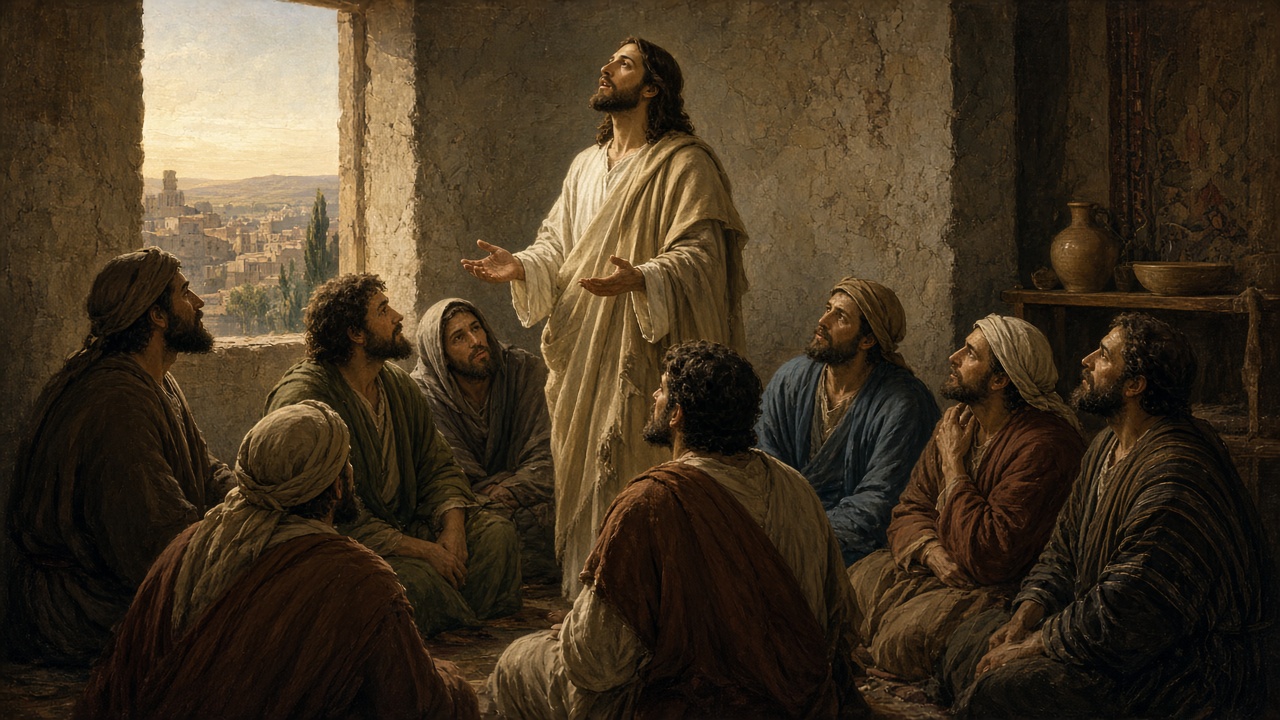
Juan 17: ha llegado la hora
- La oración comienza cuando Jesús, después de haber dicho estas cosas, alza los ojos al cielo y dice que ha llegado la hora. Se asocia con el Discurso del Aposento Alto, indicado como un día, y con la Semana Santa, indicada como ocho días.Fuentes: el propio texto bíblico · Upper Room Discourse · Holy Week
- Aquí la vida eterna es conocer al único Dios verdadero y a Jesucristo, a quien el Padre envió. Jesús también habla de la gloria que tenía con el Padre antes de que existiera el mundo y del amor del Padre por él antes de la fundación del mundo.Fuentes: el propio texto bíblico
- Ora por quienes el Padre le dio del mundo, los que han guardado la palabra, y también por quienes creerán por medio del mensaje de ellos, pidiendo que sean uno. No pide que sean sacados del mundo, sino que sean guardados del maligno y santificados por la verdad, que identifica como la palabra del Padre.Fuentes: el propio texto bíblico
Notas escritas con ayuda de IA a partir de fuentes abiertas (Theographic Bible Metadata, CC BY-SA 4.0; Easton’s Bible Dictionary, dominio público) y revisadas antes de publicarse.
Créditos y licencia de esta traducción
Bibiri Kuyie Nnɑ́ɑǹtì Pɑ́tíri
The Holy Bible in the Ditammari language of Benin
copyright © 2001 SIM International
Language: Ditammari
Translation by: SIM
This translation text is made available to you under the
terms of the Creative Commons License: Attribution-Noncommercial-No Derivative Works.
( http://creativecommons.org/licenses/by-nc-nd/3.0/ )
In addition, you have permission to port the text to different file formats, as long as you
do not change any of the text or punctuation of the Bible.
You may share, copy, distribute, transmit, and extract portions
or quotations from this work, provided that you include the above copyright
information:
You must give Attribution to the work.
You do not sell this work for a profit.
You do not make any derivative works that change any of the actual words or punctuation of the Scriptures.
Permissions beyond the scope of this license may be
available if you contact
us with your request.
This translation is made available to you under the terms of the
Creative Commons Attribution-No Derivatives license 4.0.
You may share and redistribute this Bible translation or extracts from it in any format, provided that:
You include the above copyright and source information.
You do not make any derivative works that change any of the actual words or punctuation of the Scriptures.
Pictures included with Scriptures and other documents on this site are licensed just for use with those Scriptures and documents.
For other uses, please contact the respective copyright owners.
2022-05-31
Fuente: http://ebible.org/tbzsim/ · eBible.org