Jeremías 17
Bibiri Kuyie Nnɑ́ɑǹtì Pɑ́tíri · Toca un versículo para ver sus referencias cruzadas.
Kuyie nfeimmɛ̀ Sudɑɑ kɔbɛ kó mɛyɛi
1Kɛ̀ ti Yiɛ̀ nKuyie mbɛ́i nkɛ dɔ̀:
Sudɑɑ kɔbɛ di kó mɛyɛi nwɑ̃̀ri nɛ̀ dicíè ndi,
mɛ̀ wɑ̃̀ri nɛ̀ timɑ́tì kpetì kó tɛkɑ̃̀ũ̀tɛ̀ ntɛ,
mɛ̀ wɑ̃̀ri di yɛ̀mmɛ̀ miɛkɛ nkɛ,
kɛ wɑ̃̀ri di wũɔ̃tɔ̀rɛ̀ kó yɛbɑ̀kɛ̀ ĩ́nkɛ̀ mɛ̀ bɑ́ɑ́ yie nkɛ́ũtɛ́ mɛcɑ̃ɑ̃.
2Kɛ̀ dɛ̀ bo yie nkɛ̀ di bí ndenniní di wũɔ̃tɔ̀rɛ̀ kpɛ́í
nɛ̀ itedɛí di fìíkú ì dɛtie nyɔ nɛ̀ sitɑ̃ɑ̃́ ĩ́nkɛ̀.
3Yɛtɑ̃rɛ̀ ĩ́nkɛ̀ nɛ̀ kubiriku,
di kó tikpɑ̀tì nɛ̀ di kpɛrɛ di mɔkɛ dɛ̀ m bo duɔ́ nkɛ̀ bɛ̀ɛ dɛ̀ ɛí,
di mɑɑ́ mɛ̀ɛ̀ kpɛ́í yɛbɔɔwũɔ̃tɔ̀rɛ̀ kɛtenkɛ̀ kɛmɔu miɛkɛ.
4M bo duɔ́ nkɛ̀ di dootitɔbɛ̀ di pĩ́mmú
kɛtenkɛ̀ n duɔ́ nkɛ̀ di yɛmbɛ̀ kɛ miɛkɛ
kɛ́ di kònnɛ̀ dihɛì di do í yɛ̃́ dì,
di íi m miɛkɛ nkɛ kɛ̀ kɛ̀ di cɔ̀útɛ́ kɛ kpɑɑ́ cɔ́ú.
Wèè bùtínnɛ́ Kuyie nɛ̀ wèè kù duɔ́ nhomɑ́ɑ̀ bɛ kó mucɔ̃́ntimu
5Onìtì wèè bùtínnɛ́ o Yiɛ̀ nKuyie
nkɛ búɔ́ onìtì kɛ wɑnti weè borɛ̀ mɛteèmmɛ̀,
dɛ yiɛ̀ mbo yɑ̀!
Mí ndi Yiɛ̀ nKuyie mmíì bɛ́i.
6Dɛ yiɛ̀ mbo ndònnɛ̀ tɛtietɛ tɛ̀ɛ̀ còḿmú tɛdɔntɛ̀ ĩ́nkɛ̀,
dɛ yiɛ̀ mbɑ́ɑ́ yɑ̀ diwɛ̀ì mɑrì bìtì.
Ò bo ndònnɛ̀ tɛtietɛ dòmmɛ̀ tɛdɔnkpetɛ̀ ĩ́nkɛ̀,
mukɔ́kúɔ́ nkó kɛtenkɛ̀, òmɔù í borɛ̀.
7Wèè mɛ nni nduɔ́ nhomɑ́ɑ̀ mí ndi Yiɛ̀ nKuyie
nkɛ m búɔ́ dɛ yiɛ̀ mbo yɑ̀ mɛsɑ̀ɑ̀.
8Dɛ yiɛ̀ mbo ndònnɛ̀ mutie mùù còḿmú mɛniɛ ntɑkɛ́,
kɛ̀ mu cĩɛ̃ ntɑ inɛ́cɛ borɛ̀,
kɛ̀ kuyiìnkù tùɔ̀kɛní mù ɔ̃ɔ̃ í nyĩɛ̃̀kù,
mu fɑ̃ɑ̃̀tì ɔ̃ ndò nsùòò nwe sɑ̃́ɑ̃̀,
bɑ́ kɛ̀ fɛtɑɑfɛ̀ yiɛtí mù ɔ̃ɔ̃ í nyĩɛ̃̀kù,
mu bɛ ɔ̃ɔ̃ í nkuotɛ́ bìtì.
9Onìtì yɛ̀mmɛ̀ kɔ́mmú kɛ pɛ̃ɛ̃tɛ́ dɛmɔu,
mɛ̀ í dò nkɛ́nɑ kɛ́sɛ́i,
we mbo nɑ kɛ́bɑntɛ́ tìì bo mɛ̀ miɛkɛ?
10Mí ndi Yiɛ̀ nKuyie n wúómmu onìtì yɛ̀mmɛ̀,
kɛ yɛ̃́ o yɛ̀mmɛ̀ miɛkɛ kpɛti,
kɛ yóó yietí bɑ́ wè o dɔɔ̀rìmɛ̀ dòmmɛ̀,
bɑ́ wè o tɔ̃mmú mɑ̀mɛ̀.
11Wèè dɔ̀ɔ̀ dɛ̀ɛ̀ í wenni kɛ pɑ̀rìkɛ̀,
ò dònnɛ̀ tɛnɑhɛ̃́ĩ́tɛ̀ tɛ̀ɛ̀ kɔ̀tɛ kɛ okɛ tɛ̀ntɛ kunɔ̀rìkù kó yɛyiè,
o kpɑ̀tì itimu kɛ bo ò yóu,
kɛ wè nyóó dentɛnɛ̀ kɛ bi kuyɛìnkù.
Ti Yiɛ̀ nKuyie nkuù mɑ́ɑ̀ duɔ́ mmufòmmu
12Dikpɑ̀ɑ̀tìkɑ̀rì tikpetì kpɛri mɑrì dìì sĩ̀ĩ́ nyɛtɛyɛ̀ sɑ̃́ɑ̃̀,
Kuyie ncĩ́ɛ̃̀tɛ̀ bo ti ciɛ kɛ mɛ ndò.
13Ti Yiɛ̀ nKuyie nyIsidɑyɛɛribɛ bùɔ́ fɔ̃́ nwe,
bɛ̀ɛ̀ dɑ dootóo ifɛi iì yóó bɛ̀ pĩ́,
bɛ̀ɛ̀ dɑ bùtínnɛ́ bɛ̀ɛ̀ yètɛ̀ wɑ̃̀ri bɛ̀mbɛ kudɔnkù,
kɛ yɛ̃́ bɛ dootóomɛ̀ fɔ̃́ nti Yiɛ̀ nKuyie nkùù tu mufòmmu bintɛ.
Sedemii kuɔ́nnɛ̀mɛ̀ Kuyie
14N Yiɛ̀ nKuyie m miɛkùnnɛ kɛ̀ m miɛtɛ́,
n dɛɛtɛ́ kɛ̀ n cootɛ́,
fɔ̃́ɔ̃̀ te kɛ̀ bɛ̀ n sɑ̃ntí.
15Bɛnìtìbɛ̀ m bèkúmu kɛ tú:
A Yiɛ̀ nKuyie nhɑ nɑ́ɑ́ nkùù kó tinɑ́ɑǹtì,
dɛ kó tinɑ́ɑǹtì pĩ mbɑ tì bo dɔ̀ɔ̀ mɛ̀?
16Míì mɛ nyí dɑ sukú kɛ yɛ̃́ nhɑ duɔnní mɛyɛi
ɑ yɛ̃́mu ɑ mɔ́mmuɔ n do í dɔ́mɛ̀ mɛyɛi m bo tuɔkɛnímɛ̀,
n nɑ̀kɛ́ tì timɔu ɑ tì wùómmu.
17A bɑ́ɑ́ yóu kɛ̀ n tɑ kukɔ̃m̀bɔ̀doróo miɛkɛ,
fɔ̃́ɔ̃̀ tu n kó disɔ̀rì, n yóó sɔri dɛ̀ mɛyɛi n kó diyiè.
18N dootitɔbɛ̀ bɛɛ̀ dò nkɛ́di ifɛi,
dɛ̀ í tú míì bo ì di,
bɛɛ̀ kɔ̃m̀bùɔ̀tì dò nkɛ́nduò,
dɛ̀ bɑ́ ntú mí,
yóu kɛ̀ mɛyɛi mbɛ̀ bɔ̀tɛ́ kɛ̀ bɛ̀ɛ pɛ́ítɛ́ pɛ́ítɛ́.
Kuyie ndèntɛmɛ̀ Isidɑyɛɛribɛ tɛom̀pùtɛ̀ yiè kpɛ́í
19Kɛ̀ ti Yiɛ̀ nKuyie nni mbɛ́innɛ̀ kɛ dɔ̀: Sedemii ítɛ́ kɛ́kɔtɛ bɛ̀ɛ̀ bɑkɛ́ dihɛì bɛ kó dibòrì Sudɑɑ ɛì kó bɛkpɑ̀ɑ̀tìbɛ̀ yìɛ̀ dì kɛ di ntɑɑ̀, ɑ yóó mɛ ndɔɔ̀ Sedisɑdɛmmu ɛì kó yɛbòrɛ̀ yɛmɔu. 20Á nɑ́kɛ́ Sudɑɑ kó kuwuɔ nkɔbɛ bɛmɔu nɛ̀ bɛ̀ɛ̀ bo Sedisɑdɛmmu ɛì kɛ tɑɑ̀ o bòrɛ̀ kɛ dɔ̀: Díndi bɛkpɑ̀ɑ̀tìbɛ̀ nɛ̀ bɛsɔmbɛ bɛmɔu. Kéntɛ́nɛ̀ ti Yiɛ̀ nKuyie ntú mù: 21Ti Yiɛ̀ nKuyie ntu: Dí ndɑkɛ kɛ níí bɑ́ɑ́ tɔ ditɔu tɛom̀pùtɛ̀ yiè kɛ́tɑnnɛ̀ní Sedisɑdɛmmu. 22Di mɛ mbɑ́ɑ́ tɔ dɛ̀mɑrɛ̀ di cɛ̃́ĩ miɛkɛ kɛ́yɛ̀nnɛ̀ tɛom̀pùtɛ̀ yiè, di níí bɑ́ɑ́ pĩ́ mmutɔ̃mmú mɑmù, dí dì cɑ̃̀ńnɛ́ kɛ̀ dì ntú n kpɛri. N tì nɑ̀kɛ́ di yɛmbɛ̀ kɛ yɛ̃ ndɛ̀ ndòmmɛ̀ mmɛ. 23Di mɛ̀ nyí tì kèè, di í kèńtɛ́ dɛ kpɛti, kɛ kpénkùnnɛ di to, di í yie nkɛ bo tì keè, kɛ yetɛ n di tié ntì.
24Kɛ̀ di mɛ̀nkɛ kèńtɛ́ mí ndi Yiɛ̀ nKuyie n nɑ́ɑ́ ntì, kɛ yóu di bo ntɔumɛ̀ yɛtuɔ tɛom̀pùtɛ̀ yiè kɛ tɑnnìnkoní dihɛì, kɛ̀ dɛ kó diyiè cɑ̃̀ɑ̃́ nkɛ tú n kpɛri kɛ̀ di í pĩĩ mmutɔ̃mmú mɑmù dɛ yiè. 25Dɛ mɔ̀nnì bɛkpɑ̀ɑ̀tìbɛ̀ nɛ̀ sikpɑ̀ɑ̀tìbìí bɛ̀ɛ̀ kɑ̀rì Dɑfiti kó dikpɑ̀ɑ̀tìkɑ̀rì bɛ̀ bo ntɑɑ̀ dɛ kó dihɛì kó dibòrì kɛ dekɛ sisɛ̃ĩ́ nɛ̀ sikpɑ̀rìsɛ̃ĩ́ kɛ́wɛ̃nnɛ́nɛ̀ Sudɑɑ kɔbɛ nɛ̀ Sedisɑdɛmmu kɔbɛ. Dɛ kó dihɛì bo mmɔkɛ bɛ̀ɛ̀ dì ɑ̃ sɑ̃́ɑ̃̀. 26Sudɑɑ tenkɛ̀ kó yɛhɛkɛ̀ yɛmɔu kɔbɛ nɛ̀ yɛhɛkɛ̀ yɛ̀ɛ̀ tɔ̀kɛ́nɛ̀ Sedisɑdɛmmu nɛ̀ Bɛnsɑmɛɛ kó kɛtenkɛ̀ kɔbɛ kɛ́ntɔ kɛ́tuɔkɛnɛ̀ Sefedɑɑ yɛtɑ̃rɛ̀ ĩ́nkɛ̀ kɔbɛ nɛ̀ bɛ̀ɛ̀ bo Nɛkɛfu bíɛ́kɛ̀, bɛ̀ bo nkɔrìní mí mbɛ Yiɛ̀ nKuyie n cĩ́ɛ̃̀tɛ̀ kɛ n feu iwũɔ̃ kɛ tuɔ̀, kɛ n feunɛ̀ mɛtɑummɛ̀ kpɛyi kɛ m pɑ̃ɑ̃ ntidiitì kó yɛpɑ̃rɛ̀ kɛ n tuɔ̀ ntihúúntì, kɛ n feu nɛ̀ disɑ̃nni kó iwũɔ̃. 27Kɛ̀ di mɛ nyetɛ n kpɛti kɛ í cɑ̃̀ńnɛ́ tɛom̀pùtɛ̀ kó diyiè n kpɛ́í, kɛ̀ di tɔu yɛtuɔ tɛom̀pùtɛ̀ yiè kɛ yiɛ̀nɛ̀ dihɛì m bo bɔntɛ́ní muhɑ̃ɑ̃́ nkɛ̀ mùu cɔ́útɛ́ sikpɑ̀ɑ̀tìcɛ̃́ĩ bɑ́ mù bɑ́ɑ́ kú bìtì!
¿Sabías que…?
La confianza, el corazón y el día de reposo
- El estilo de hierro y la punta de diamante eran herramientas antiguas utilizadas para grabar inscripciones profundas y permanentes en piedra o metal. Jeremías emplea esta imagen para resaltar que la idolatría de Judá no era superficial, sino que estaba profundamente grabada en sus corazones y en los cuernos de sus altares.Fuentes: el propio texto bíblico
- Jeremías contrasta un arbusto solitario en el desierto árido y salitroso con un árbol frondoso plantado junto a una corriente de agua. Un árbol cuyas raíces alcanzan el agua se mantiene verde y produce fruto incluso en años de sequía, representando a quienes confían en Dios en lugar de las fuerzas humanas.Fuentes: el propio texto bíblico
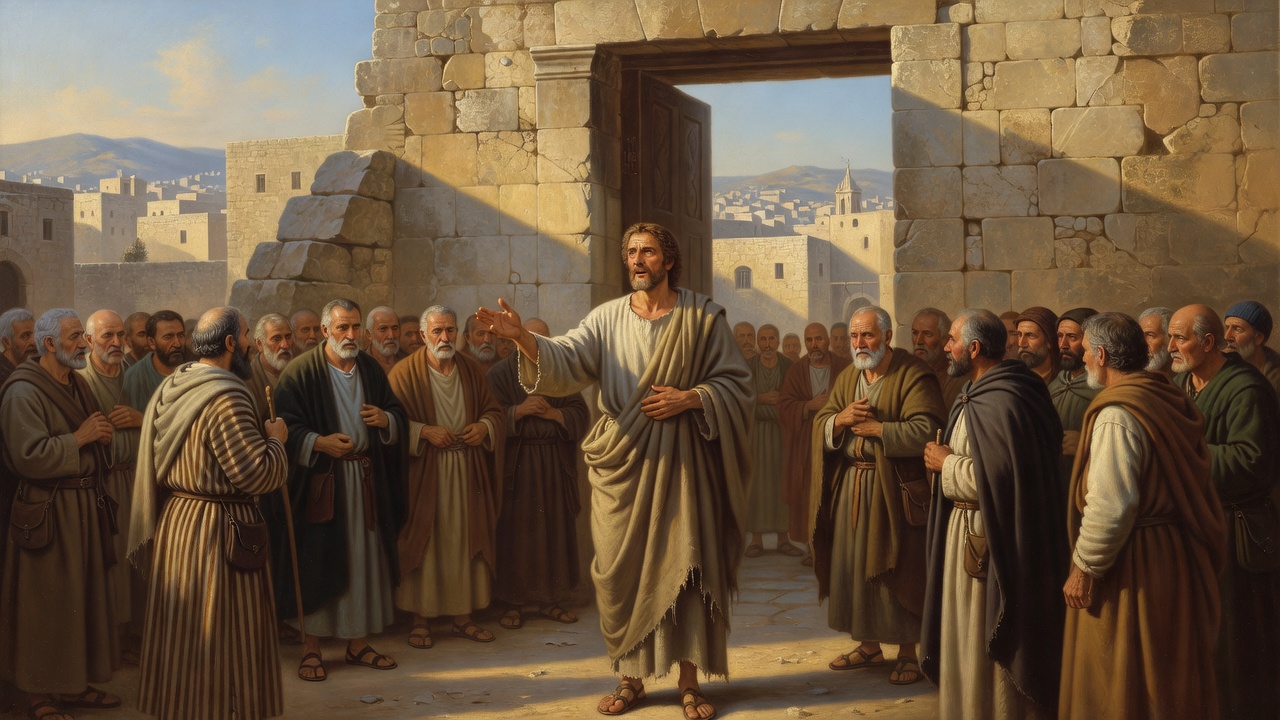
- Jeremías recibió la instrucción de proclamar el mensaje divino en las puertas de Jerusalén, prohibiendo el traslado de cargas en el día de reposo. Guardar este día aseguraba la continuidad de los reyes en el trono de David y la llegada de adoradores de la tierra de Benjamín, de Judá y del Neguev.Fuentes: el propio texto bíblico · David · Benjamin (patriarch) · Jerusalem
Notas escritas con ayuda de IA a partir de fuentes abiertas (Theographic Bible Metadata, CC BY-SA 4.0; Easton’s Bible Dictionary, dominio público) y revisadas antes de publicarse.
Lugares de este capítulo
- Arabah · 30.417, 35.151 · versículo 6
- Jerusalem · 31.777, 35.234 · versículos 19, 20, 21, 25, 26, 27
- People’s Gate · Hoy: in Jerusalem · 31.777, 35.234 · versículo 19
- Negeb · 31.245, 34.841 · versículo 26
- Shephelah · 31.692, 34.875 · versículo 26
Solo aparecen lugares identificados con alta confianza (90 % o más según las fuentes académicas reunidas por OpenBible). Mapa de la época: DARE (Digital Atlas of the Roman Empire), CC BY 4.0; mapa actual: © colaboradores de OpenStreetMap; lugares: OpenBible.info (CC BY 4.0).
Créditos y licencia de esta traducción
Bibiri Kuyie Nnɑ́ɑǹtì Pɑ́tíri
The Holy Bible in the Ditammari language of Benin
copyright © 2001 SIM International
Language: Ditammari
Translation by: SIM
This translation text is made available to you under the
terms of the Creative Commons License: Attribution-Noncommercial-No Derivative Works.
( http://creativecommons.org/licenses/by-nc-nd/3.0/ )
In addition, you have permission to port the text to different file formats, as long as you
do not change any of the text or punctuation of the Bible.
You may share, copy, distribute, transmit, and extract portions
or quotations from this work, provided that you include the above copyright
information:
You must give Attribution to the work.
You do not sell this work for a profit.
You do not make any derivative works that change any of the actual words or punctuation of the Scriptures.
Permissions beyond the scope of this license may be
available if you contact
us with your request.
This translation is made available to you under the terms of the
Creative Commons Attribution-No Derivatives license 4.0.
You may share and redistribute this Bible translation or extracts from it in any format, provided that:
You include the above copyright and source information.
You do not make any derivative works that change any of the actual words or punctuation of the Scriptures.
Pictures included with Scriptures and other documents on this site are licensed just for use with those Scriptures and documents.
For other uses, please contact the respective copyright owners.
2022-05-31
Fuente: http://ebible.org/tbzsim/ · eBible.org