Isaías 54
Bibiri Kuyie Nnɑ́ɑǹtì Pɑ́tíri · Toca un versículo para ver sus referencias cruzadas.
Kuyie nyóó wɛ̃tɛ kɛ́tɑunnɛ̀mɛ̀ kumɑ́ɑ̀ Isidɑyɛɛribɛ kɛ́ bɛ̀ duɔ́ ndiwɛ̀ì
1Sedisɑdɛmmu ɛì, fɔ̃́ ntɛhɑ̃ũntɛ,
fɔ̃́ nwèè í pɛí, ńyɑ̃nku nɛ̀ diwɛ̀ì,
tiitɛ́ tɛyíìtɛ̀, fɔ̃́ nwèè í pɛitɛ́,
kɛ yɛ̃́ bɛ̀ yetɛ wèè nitipòkù kó ibí yóó sṹṹnnɛ̀mɛ̀
wèè ye nho kpɛyi.
2Pɛ̃kùnnɛ ɑ yɑ̀ɑ̀tì kó kutouku yóó cónnɛ́ dɛ̀,
pĩntɛ ɑ touku kó tiyɑ̀ɑ̀tì kɛ́pɛ̃kùnnɛ,
tuutɛ́ iwɛ̃ĩ kɛ bɑ́ nyĩɛ̃̀kù,
bɑɑkɛ́ ibɑɑkɛ́ mɛsɑ̀ɑ̀.
3A nìtìbɛ̀ yóó sṹṹmmu kɛ́píɛ ntipíìtì timɔu
kɛ́fietɛ yɛhɛkɛ̀ yɛ̀ɛ̀ dɑ tɔ́kɛ́nɛ̀,
ɑ nìtìbɛ̀ bo wɛ̃tɛ kɛ́píɛ nyɛhɛkɛ̀ yɛ̀ɛ̀ do dɔúnko.
4A bɑ́ nyĩɛ̃̀kù ɑ í yóó di ifɛi,
dɛ̀ bɑ́ɑ́ dɑ di kɛ yɛ̃́ bɛ̀ tɛ̃́nkɛ í yó ndɑ sɑ̃́ɑ̃́mmɛ̀,
ɑ yóó yɛ̃̀mmu ɑ do di ìì fɛi ɑ sɑpɑ̀ntì mɔ̀nnì,
ɑ tɛ̃́nkɛ bɑ́ɑ́ dentɛní bɛ̀ do dɑ sɑ̃́ɑ̃́ nyɛ̀ɛ̀ sɑ̃́ɑ̃̀mmɛ̀ ɑ tú dìì mɔ̀nnì okúpokù.
5Kɛ yɛ̃́ wèè dɑ dɔ̀ɔ̀ weè tumɛ̀ ɑ dɔù weè yetìrì tu Mpɑkɛdɑɑ,
weè dò mpɑ́í pɑ́í kɛ te Isidɑyɛɛribɛ weè tu ɑ donti,
weè yètìrì tu Kuyie nkùù te kɛtenkɛ̀.
6Sedisɑdɛmmu! A dònnɛ̀ onitipòkù bɛ̀ yetɛ wè nwe,
kòò bo mɛyɛǹcɑɑ̀rìmɛ̀ miɛkɛ,
kɛ̀ Kuyie ndɑ yu, kuù bɛ́i nkɛ tú:
M bo yĩ́mɛ kɛ́dootóo m pokù n tɑ̃ɑ̃tɛ́ wè,
n kpɑɑ́ cɛ̃ntí dìì mɔ̀nnì?
7N do dɑ dootóomu dimɔ̀nnì sɑ́m̀pɔ́rì miɛkɛ,
kɛ̀ mɛsémmɛ̀ m pĩ mmɛdiɛ̀, kɛ̀ n dɔ́ kɛ́wɛ̃tɛ kɛ́ dɑ túótɛ́
8M miɛkɛ kɛɛ̀ do dɑ yɛ̀ mɛdiɛ̀ bɑ́ n tɛ̃́nkɛ í ndɔ́ kɛ́ ndɑ wúó dimɔ̀nnì sɑ́m̀pɔ́rì miɛkɛ.
N nɛ́ mɛ ndɑ dɔ́mɛ̀ kɛ̀ dɛ̀ í mɔkɛ kumɑ̀nku,
dɛɛ̀ te kɛ̀ mɛsémmɛ̀ wɛ̃̀tɛ kɛ m pĩ nnɛ̀ fɔ̃́,
mí nhɑ Yiɛ̀ nKuyie nhɑ donti míì mɛ n yɛ̃.
9N do pɑ̀rìkɛ̀ mɛ̀ɛ̀ botí Nowee kó dimɔ̀nnì kɛ dɔ̀:
N tɛ̃́nkɛ bɑ́ɑ́ yóu kɛ̀ fɛtɑɑfɛ̀ diɛfɛ̀ kuɔ bɛnìtìbɛ̀,
mɛm̀mɛ m pɑ̀rìkɛ̀mɛ̀ kɛ tú:
M miɛkɛ tɛ̃́nkɛ í yóó dɑ yɛ̀ kɛ̀ n dɑ kpɑnnɛ̀.
10Bɑ́ kɛ̀ yɛtɑ̃rɛ̀ bo totɛ yɛ córɛ̀, bɑ́ kɛ̀ sitɑ̃ɑ̃́ bo sɑ̃ntɛ̀.
N dɑ dɔ́ mɛ̀ɛ̀ dɔ́kùmɛ̀ bɑ́ɑ́ ceetɛ, diwɛ̀ì kó mɛtɑummɛ̀
n dɑ dɔ̀ɔ̀nɛ̀mɛ̀ mɛ̀ í yóó ceetɛ,
mí nhɑ Yiɛ̀ nKuyie nkùù dɑ kuɔ́ mmɛsémmɛ̀,
míì bɛ́i.
Kuyie nyóó wɛ̃tɛ kɛ́mɑɑ́mɛ̀ Sedisɑdɛmmu
11Áú Sedisɑdɛmmu ɛì! A kpɛrɛ dò mmɛsémmɛ̀ mmɛ,
mɛniɛ mmɛɛ̀ píɛ nhɑ ɛì kɛ dɑ kuòtì
òmɔù mɛ nyí bo wèè bo dɑ bɑ́ntɛ̀.
N yóó wɛ̃tɛ kɛ dɑ mɑɑ́mu nɛ̀ yɛtɑ̃́sɑ̀ɑ̀yɛ̀ yɛbotí yɛbotí,
kɛ dɑ pṹṹtɛ́nɛ̀ yɛtɑ̃́sɑ̀ɑ̀yɛ̀
yɛ̀ɛ̀ dò nyɛwɛtɛ̀.
12M bo mɑɑ́ ɑ dèrɛ̀ nɛ̀ yɛtɑ̃́sɑ̀ɑ̀yɛ̀ yɛ̀ɛ̀ dò nfɛtònfɛ̀,
kɛ́mɑɑ́ ɑ bòrɛ̀ nɛ̀ yɛtɑ̃́sɑ̀ɑ̀yɛ̀ yɛ̀ɛ̀ dò ndoii
kɛ́dɑri ɑ duotí nɛ̀ yɛtɑ̃́sɑ̀ɑ̀yɛ̀.
13A bí imɔu bo nɑɑ́ ti Yiɛ̀ nKuyie nkó bɛtũ̀mbɛ̀
kɛ̀ bɛ wɛ̀ì ndɛu mɛdiɛ̀.
14Dɛ mɔ̀nnì kɑ̀ɑ nfííkú timɔ́mmɔnti miɛkɛ,
òmɔù tɛ̃́nkɛ bɑ́ ndɑ fɛ̃́ũnko,
kufɔ̃wɑɑ́ ntɛ̃́nkɛ bɑ́ ndɑ tɔ́kɛ́nɛ̀.
15Bɑ́ kɛ̀ bɛ̀ bo dɑ do mudoò dɛ̀ í yó mbonní m borɛ̀,
kɛ̀ wèè dɑ dèkɛ weè doti.
16Míì dɔ̀ɔ̀ omɑ́ɑ́tì kòò fuutí timɑ́dɔutì,
kɛ mɑ́ɑ́tí kukpɑ̀rìnɛnkù ò dɔ́mɛ̀,
m mɛ n nɛ́ dɔ̀ɔ̀mu ocɑɑ̀rìwè wèè bo kù cɑ̀kɛ.
17Tikpɑ̀rìnɛntì bɛ̀ mɑ̀ɑ́tí tì ɑ kpɛ́í ntì bɑ́ɑ́ nɑ kɛ́ dɑ́ dɔɔ̀ dɛ̀mɑrɛ̀,
kòò mɔù dɑ yu tibeéntì
dɛɛ̀ ò kɔɔrɛ kɔɔrɛ ò bɑ́ɑ́ yɑ̀ ò dɑ yu mùù kpɛ́í,
n duɔ́ ndɛ̀ndɛ n kó bɛtɔ̃mbɛ̀, m bɛ̀ dɔ̀ɔ̀ dɛ̀ dò m bɛ̀ dɔ̀ɔ̀ mɛ̀mmɛ.
Mí mbɛ Yiɛ̀ nKuyie mmíì bɛ́i!
¿Sabías que…?
El Pacto de Paz y Restauración
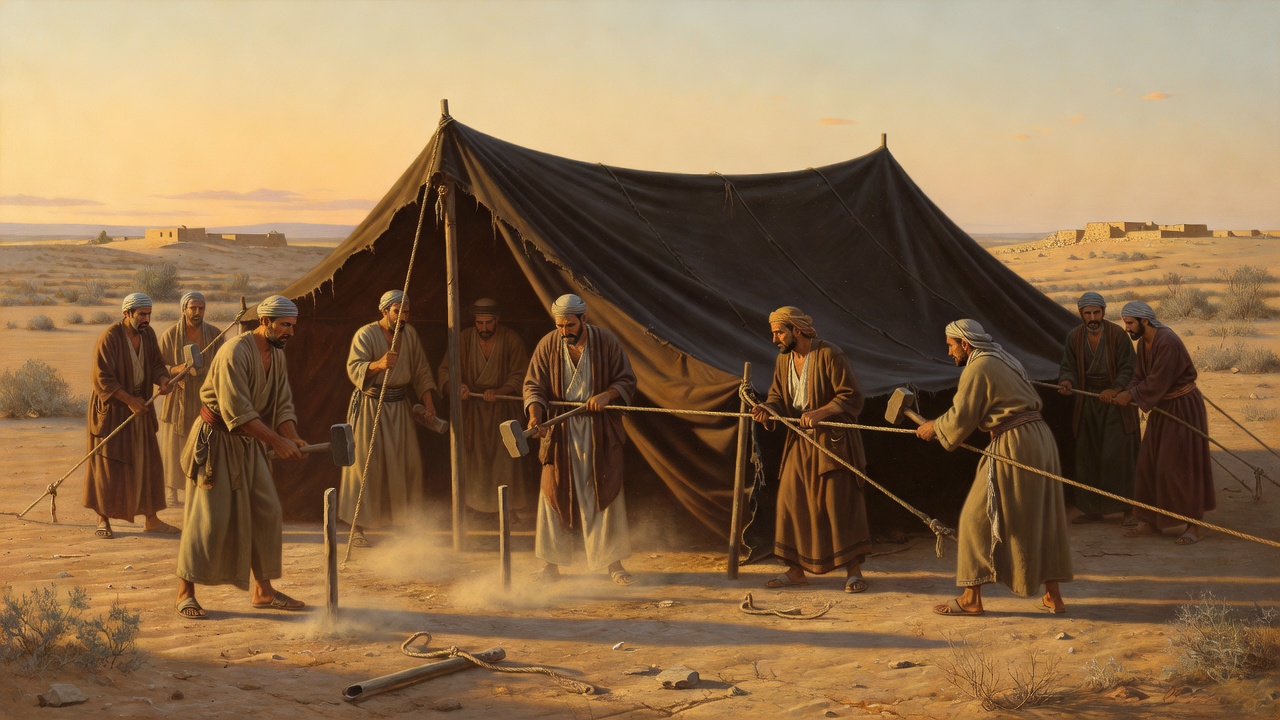
- Isaías utiliza la imagen de ensanchar una tienda de campaña —alargando las cuerdas y clavando bien las estacas— para retratar a una mujer estéril y desolada abriendo espacio para una multitud inesperada de descendientes.Fuentes: el propio texto bíblico
- El texto vincula la bondad duradera de Dios con los días de Noé, recordando el juramento de que las aguas del diluvio nunca más cubrirían la tierra para asegurar que este pacto de paz jamás se quebrantará.Fuentes: el propio texto bíblico · Noah
- El capítulo describe una ciudad afligida y azotada por tempestades siendo reconstruida con extraordinaria belleza, con piedras asentadas en antimonio, cimientos de zafiros y almenas de rubíes.Fuentes: el propio texto bíblico
Notas escritas con ayuda de IA a partir de fuentes abiertas (Theographic Bible Metadata, CC BY-SA 4.0; Easton’s Bible Dictionary, dominio público) y revisadas antes de publicarse.
Lugares de este capítulo
Solo aparecen lugares identificados con alta confianza (90 % o más según las fuentes académicas reunidas por OpenBible). Mapa de la época: DARE (Digital Atlas of the Roman Empire), CC BY 4.0; mapa actual: © colaboradores de OpenStreetMap; lugares: OpenBible.info (CC BY 4.0).
Créditos y licencia de esta traducción
Bibiri Kuyie Nnɑ́ɑǹtì Pɑ́tíri
The Holy Bible in the Ditammari language of Benin
copyright © 2001 SIM International
Language: Ditammari
Translation by: SIM
This translation text is made available to you under the
terms of the Creative Commons License: Attribution-Noncommercial-No Derivative Works.
( http://creativecommons.org/licenses/by-nc-nd/3.0/ )
In addition, you have permission to port the text to different file formats, as long as you
do not change any of the text or punctuation of the Bible.
You may share, copy, distribute, transmit, and extract portions
or quotations from this work, provided that you include the above copyright
information:
You must give Attribution to the work.
You do not sell this work for a profit.
You do not make any derivative works that change any of the actual words or punctuation of the Scriptures.
Permissions beyond the scope of this license may be
available if you contact
us with your request.
This translation is made available to you under the terms of the
Creative Commons Attribution-No Derivatives license 4.0.
You may share and redistribute this Bible translation or extracts from it in any format, provided that:
You include the above copyright and source information.
You do not make any derivative works that change any of the actual words or punctuation of the Scriptures.
Pictures included with Scriptures and other documents on this site are licensed just for use with those Scriptures and documents.
For other uses, please contact the respective copyright owners.
2022-05-31
Fuente: http://ebible.org/tbzsim/ · eBible.org