Efesios 6
Bibiri Kuyie Nnɑ́ɑǹtì Pɑ́tíri · Toca un versículo para ver sus referencias cruzadas.
Ibí nɛ̀ i yɛmbɛ̀ kó tinɑ́ɑǹtì
1Díndi ibí nyíénnɛ̀ di yɛmbɛ̀ kpɛti. Kuyie mmɛ ndɔ́. 2Ndé ɑ cicɛ nɛ̀ ɑ yɔ̃. Kuyie ndɔú nyìì kuɔ́ kɛ bɛ́i nkɛ tú: 3Kɛ̀ dɛ̀ɛ yie nkɛ̀ dɛ̀ ndɑ nɑɑti, kɑ̀ɑ fòmmuu okɛ̀ kɛtenkɛ̀ ĩ́nkɛ̀.
4Díndi ibí yɛmbɛ̀, di bɑ́ mpɛ́íkùnko ibí miɛkɛ, ńtiènnɛ̀ i kɛ ì tũ̀nni ti Yiɛ̀ ndɔ́ mɛ̀ɛ̀ botí.
Tidɑɑtì nɛ̀ ti yɛmbɛ̀ bɛ kó tinɑ́ɑǹtì
5Díndi tidɑɑtì, nyíénnɛ̀ bɛ̀ɛ̀ di te diɛ nkɛtenkɛ̀ ĩ́nkɛ̀ bɛ kpɛti, kɛ́ mbɛ̀ dé mɛdiɛ̀, kɛ́mpĩ́ mbɛ tɔ̃mmú nɛ̀ mɛyɛ̀mmɛ̀ mɛmɑ́ɑ̀, kɛ́ndò ndi pĩ́ nKirisi kɔ̃mu. 6Di níí bɑ́ mpĩ́ mmutɔ̃mmú bɛ̀ bo dìì mɔ̀nnì mɑ́ɑ̀ kɛ̀ dɛ̀ bo bɛ̀ nɑrikɛ, dɔɔ̀nɛ̀ dimɑ́ɑ̀ Kirisi kó tidɑɑtì, kɛ́ mmù pĩ nnɛ̀ di yɛ̀mmɛ̀ mɛmɔu Kuyie ndɔ́mɛ̀. 7Di mpĩ́ mbɛ tɔ̃mmú kɛ dò ndi pĩ́ nti Yiɛ̀ nkɔ̃mu, dɛ̀ bɑ́ ndò ndi pĩ mbɛnìtìbɛ̀ kɔ̃mu. 8Nyɛ̃́nɛ̀ kɛ dò nkɑ̀ɑ tú kudɑɑkù yoo ɑ í kù tu, Kuyie nyóó yietí bɑ́ wè ò dɔ̀ɔ̀ mɛ̀ɛ̀ sɑ̀ɑ̀ nkó tiyeti nti.
9Kɛ̀ díndi tidɑɑtì yɛmbɛ̀ di nti pĩ mmɛsɑ̀ɑ̀ ndi bɑ́ nti pɛ́inko, nyɛ̃́nɛ̀ kɛ dò nwèè di te dimɔu ò bo kɛĩ́nkɛ̀ nkɛ, o borɛ̀ òmɔù í cɑ̃́ɑ̃́.
Kirisi kɔbɛ dò nkɛ́mmɔkɛ tìì kpɑ̀rìnɛntì
10Tisɔnti tú di bo ntɑunnɛ̀mɛ̀ Yesu kɛ́kpenkɛ, kɛ́pɛ́tɛ́ o wɛ̃rímú diɛmù. 11Bɑ́ɑ́tínɛ̀ Kuyie nkpɑ̀rìnɛntì timɔu kɛ cómmú tei tei, kɛ́bɑɑo dibɔɔ̀ kó mɛsoùmmɛ̀. 12Ti í kpɑnnɛ̀ bɛnìtìbɛ̀, ti kpɑnnɛ̀ yɛbɔkɛ̀ nyɛ, yɛ̀ɛ̀ bo muyɑɑ́ mmiɛkɛ, yɛ̀ɛ̀ kpeńnì, bɛbɔɔkpɑ̀ɑ̀tìbɛ̀ bɛ̀ɛ̀ te dibiìnnì kó kutenkù. 13Nɛ̀ dɛ kpɛ́í, túótɛ́nɛ̀ Kuyie nkó tikpɑ̀rìnɛntì timɔu, kɛ̀ diyiè yɛiri tùɔ̀kɛní di nɑ kɛ kpɑ nkɛ̀ di kpɑ nkɛ dèè, di nkpɑɑ́ yɛ̃́ kɛ́nwɑ̃kɛ́.
14Nyinɛ̀ timɔ́mmɔnti di kɑ fɛnɑɑ̀kɔ̃̀nfɛ̀ kɔ̃mɛ, kɛ́nkɑ̃nkɛ́ mɛwetímmɛ̀ di cĩ̀ncĩ̀rɛ̀ dimɑ́tìyɑɑ̀bòrì kɔ̃mɛ. 15Ãnnɛ́nɛ̀ tikɔ̃nyɑuti tinɛùtì kɔ̃mɛ, kɛ nɑ́kɛ́ Tinɑ́ɑǹsɑ̀ɑ̀tì tìì duɔ̀ mmɛom̀pùmɛ̀. 16Ntɔnɛ̀ mɛtɑ̃́kùmɛ̀ kɛ̀ mɛ̀ ndò nkudɔpìkù sɑ̃́ɑ̃̀ kùù yó nte kɛ̀ di nɑ kɛ́kuɔ dibɔɔ̀ kó ipie nyìì cɔ̀ú. 17Túótɛ́nɛ̀ mɛdɛɛtímɛ̀ kɛ́dɔɔ̀ dipìì, kɛ́túótɛ́ Muyɑɑ́nsɑ̀ɑ̀mù kó disiè dìì tú Kuyie nɑ́ɑǹtì. 18Muyɑɑ́nsɑ̀ɑ̀mù ndi bonɛ̀ kɛ̀ di mbɑ́ɑ́ nKuyie nsɑ̃́ɑ̃̀, di nkù bɑ́ɑ́ nyibɑ́ɑmìi imɔu botí kɛ kù sɑ̀útínɛ̀. Mbɑ́ɑ́nnɛ̀ ku Kirisi kɔbɛ bɛmɔu kpɛ́í. 19Kɛ́ nkù bɑ́ɑ́ n kpɛ́í, kɛ̀ dɛ̀ɛ yie nkɛ̀ nh ɑ̀ɑ̀tɛ n nùù nni nnɑ́ɑ́ nTinɑ́ɑǹsɑ̀ɑ̀tì tìì do sɔri kɛ í yĩɛ̃̀kù, tìì tu Kuyie ndɛɛrí bɛ̀ɛ̀ í tú Sifubɛ. 20Mbɑ́ɑ́nnɛ̀ ku, kɛ̀ kù n teennɛ̀ kɛ̀ n nɑ kɛ́nnɑ́ɑ́ Tinɑ́ɑǹsɑ̀ɑ̀tì, bɑ́ nɛ̀ bɛ̀ mɛ nni nkpetímɛ̀.
Mucɑummu
21N tɔ̃nko ti nɛ́po sɑ̀ù Tisiki, ti Yiɛ̀ nkóo tɔ̃ntì sɑ̀ɑ̀wè, kòo bo di nɑ́kɛ́ dɛ ndòmmɛ̀ mmɛ, 22kɛ́ di nɑ́kɛ́ tìì kó dimɑ̀ɑ̀ bo ti ciɛ, kɛ́yɑ́úkùnnɛ di kɔ̃̀ntì.
23Ti cicɛ Kuyie nnɛ̀ Yesu Kirisi bɛ̀ di duɔ́ mmɛom̀pùmɛ̀, nɛ̀ mɛdɔ́kùmɛ̀ nɛ̀ mɛtɑ̃́kùmɛ̀. 24Mɛsɑ̀ɑ̀ nni mbonɛ̀ díndi bɛ̀ɛ̀ kó dimɑ̀ɑ̀ dɔ́ ti Yiɛ̀ nYesu Kirisi kɛ fííkú teii.
¿Sabías que…?
Deberes del hogar, la armadura de Dios y Tíquico
- Este capítulo presenta el mandato de honrar al padre y a la madre como el primer mandamiento que trae una promesa: que a uno le vaya bien y que tenga larga vida sobre la tierra. También pide a los padres que no provoquen a ira a sus hijos, sino que los críen en la disciplina y la instrucción del Señor.Fuentes: el propio texto bíblico
- El capítulo dice que la lucha no es contra sangre y carne, sino contra gobernantes, autoridades, los poderes de las tinieblas de este mundo y las fuerzas espirituales del mal en las regiones celestiales. Se invita a los lectores a tomar toda la armadura de Dios —cinturón de la verdad, coraza de la justicia, pies calzados con la prontitud del evangelio de la paz, escudo de la fe, casco de la salvación y espada del Espíritu, que es la palabra de Dios— para mantenerse firmes cuando llegue el día del mal.Fuentes: el propio texto bíblico
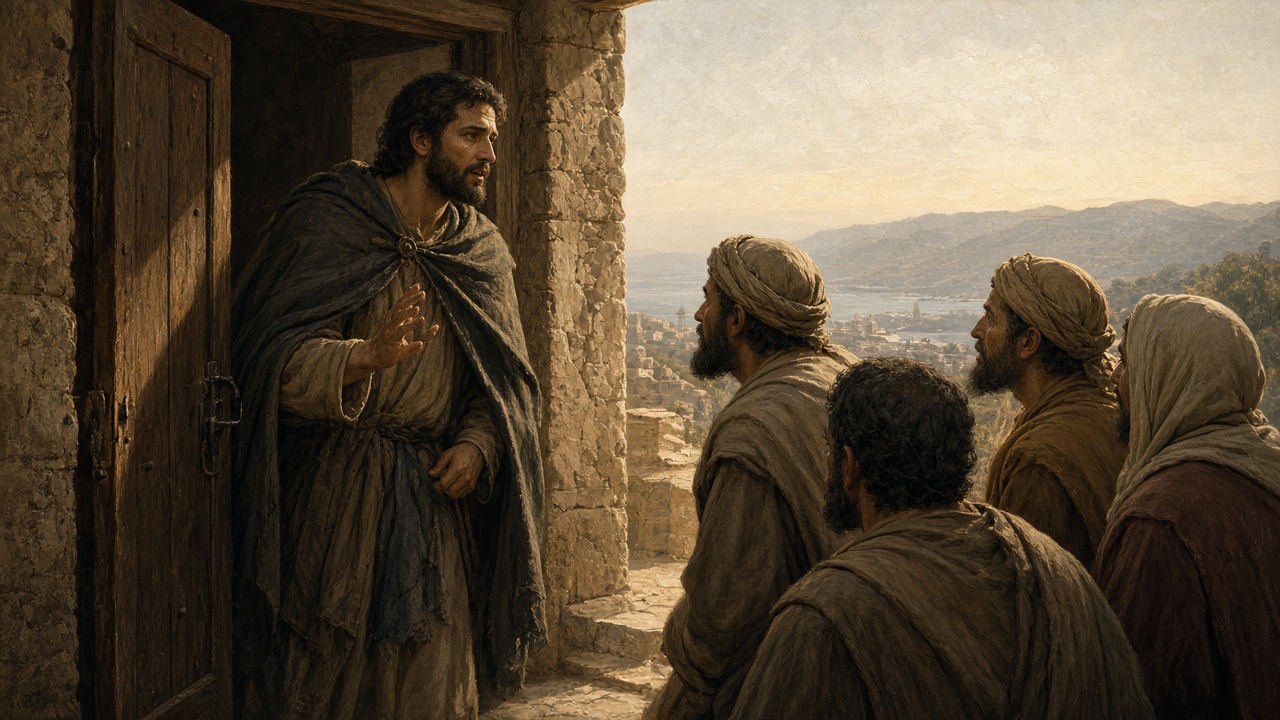
- Quien escribe pide oración para anunciar el evangelio sin miedo, como embajador en cadenas, y envía a Tíquico, el hermano amado y siervo fiel en el Señor, para contar a los lectores cómo está y animarlos. A Tíquico se lo describe como un cristiano de Asia que, con Trófimo, acompañó a Pablo en parte del viaje de Macedonia a Jerusalén y estuvo con Pablo en Roma, desde donde fue enviado a Éfeso, probablemente para edificar y animar a la iglesia.Fuentes: el propio texto bíblico · Tychicus
Notas escritas con ayuda de IA a partir de fuentes abiertas (Theographic Bible Metadata, CC BY-SA 4.0; Easton’s Bible Dictionary, dominio público) y revisadas antes de publicarse.
Créditos y licencia de esta traducción
Bibiri Kuyie Nnɑ́ɑǹtì Pɑ́tíri
The Holy Bible in the Ditammari language of Benin
copyright © 2001 SIM International
Language: Ditammari
Translation by: SIM
This translation text is made available to you under the
terms of the Creative Commons License: Attribution-Noncommercial-No Derivative Works.
( http://creativecommons.org/licenses/by-nc-nd/3.0/ )
In addition, you have permission to port the text to different file formats, as long as you
do not change any of the text or punctuation of the Bible.
You may share, copy, distribute, transmit, and extract portions
or quotations from this work, provided that you include the above copyright
information:
You must give Attribution to the work.
You do not sell this work for a profit.
You do not make any derivative works that change any of the actual words or punctuation of the Scriptures.
Permissions beyond the scope of this license may be
available if you contact
us with your request.
This translation is made available to you under the terms of the
Creative Commons Attribution-No Derivatives license 4.0.
You may share and redistribute this Bible translation or extracts from it in any format, provided that:
You include the above copyright and source information.
You do not make any derivative works that change any of the actual words or punctuation of the Scriptures.
Pictures included with Scriptures and other documents on this site are licensed just for use with those Scriptures and documents.
For other uses, please contact the respective copyright owners.
2022-05-31
Fuente: http://ebible.org/tbzsim/ · eBible.org