Eclesiastés 9
Bibiri Kuyie Nnɑ́ɑǹtì Pɑ́tíri · Toca un versículo para ver sus referencias cruzadas.
1Ntɛ n wèńní dɛmɔu kɛ yɑ̀ tì: Bɛnitisɑ̀ɑ̀bɛ̀ nɛ̀ mɛciì nyɛmbɛ̀ nɛ̀ bɛ tɔ̃mmú mumɔu dɛ̀ bo Kuyie nnɔu miɛkɛ nkɛ. Ti nɛ́ í yɛ̃́ kɛ̀ nsɑ̀ kɛ̀ Kuyie mbo ti pɛ́nsìrì yoo kù bo ti yetɛ. Dɛmɔu ti bɑ́ɑ́ nɑ kɛ́nɑ́kɛ́ dɛ yó ndòmmɛ̀. 2Dɛndɛ mɛmmɛ dɛ̀ í dò nkɛ́bɑntɛ́, dɛ̀ɛ̀ tùɔ̀kùní bɛnìtìbɛ̀ dɛmɑ́ɑ̀ ndi. Osɑ̀ù nɛ̀ oyɛiwe wèè nìti nɛ̀ wèè dɔ̀ri, wèè sɑ̃ṹ nhomɑ́ɑ̀ nɛ̀ wèè í sɑ̃ṹ nhomɑ́ɑ̀, wèè feu Kuyie nyiwũɔ̃ nɛ̀ wèè í kù feu iwũɔ̃. Wèè dɔ̀ɔ̀ri mɛsɑ̀ɑ̀ nho kpɛrɛ dòmmɛ̀ oyɛiwe kpɛrɛ mɛ ndò. Wèè pɑrìkunɛ̀ Kuyie nɛ̀ wèè dé ò bo mpɑrikunɛ̀mɛ̀ Kuyie nyètìrì. 3Mɛborimɛ mɛ̀ɛ̀ dɔ̀ɔ̀ri kɛtenkɛ̀ ĩ́nkɛ̀ mɛ̀ í wenni, tìmɑtì mɑ́ɑ̀ tiì tùɔ̀kùní bɛnìtìbɛ̀ bɛmɔu, bɛnìtìbɛ̀ pìɛ́kɛ́ mɛdɔ̀mmɛ̀ mmɛ nɛ̀ tiyɛìntì kɛ̀ mukṹṹ ntú bɛ kó kumɑ̀nku. 4Onìtì wèè fòù weè mɔ̀kɛ ò bɑ̀ɑ dɛ̀. Tɛmɔfòùtɛ̀ tɔ̃ũnɛ̀mu dicìrícìrì dìì ku.
5Kɛ yɛ̃́ bɛfòùbɛ̀ yɛ̃́mɛ̀
kɛ dò mbɛ̀ yóó kú,
bɛcíríbɛ̀ biɛ mɛ nyí yɛ̃́ tìmɑtì.
Bɛ̀ tɛ̃́nkɛ í bɑɑ̀ dɛ̀mɑrɛ̀,
òmɔù tɛ̃́nkɛ í yɛ̃́ bɛ kpɛ́í.
6Bɛ̀ do dɔ́ mɛ̀ɛ̀ botí bɛnìtìbɛ̀,
nɛ̀ bɛ do níí mɛ̀ɛ̀ botí bɛnìtìbɛ̀,
nɛ̀ mɛhɛ̃ɛ̃mmɛ̀ bɛ̀ do mɔkɛ mɛ̀,
dɛndɛ kó dimɑ̀ɑ̀ pɛ̃ɛ̃tɛ́mu.
Mutɔ̃mmú mùù dɔ̀ɔ̀ri kɛtenkɛ̀ ĩ́nkɛ̀
bɛ̀ tɛ̃́nkɛ í kɔkɛ́ mùmɑmù miɛkɛ.
7Kɛ̀ dɛ̀ dò mmɛmmɛ nyo nhɑ diì nɛ̀ diwɛ̀ì
kɛ nyɔ̃̀ nhɑ nɑɑ̀ nnɛ̀ ɑ yɛ̀mmɛ̀
kɛ yɛ̃́ Kuyie ndiɛ nkɛ pɛ́nsìrìmɛ̀ ɑ tɔ̃mmú.
8Nhɑ̃ɑ̃̀ tiyɑɑ̀sɑ̀ɑ̀tì sɑ̃́ɑ̃̀,
kɛ́nyɔ́ɔ̀rì ɑmɑ́ɑ̀ tùdɑ̀ɑ̀rí kɛ́mmɔkɛ diwɛ̀ì.
9Dɛ̀ ndɑ nɑɑti nɛ̀ onitipòkù ɑ tɑ̃ɑ̃tɛ́ wè
koò dɔ́ yɛwe sɑ́m̀pɔ́yɛ̀ ɑ fòù yɛ̀ kɛtenkɛ̀ ĩ́nkɛ̀.
A kpɛrɛ ndɛ Kuyie ndɑ duɔ́ ndɛ̀.
A tɔ̃mmú ɑ pĩ̀ḿmù kɛtenkɛ̀ ĩ́nkɛ̀ mu kpɛ́í.
10Kɑ̀ɑ yóó nɑ kɛ́dɔɔ̀ dɛ̀,
dɔɔ̀ dɛ, nɛ̀ ɑ wɛ̃rímú mumɔu,
kɛ yɛ̃́ ɑ kũntimɛ̀ kudɔnkù nku,
mutɔ̃mmú nɛ̀ iyɛntotí nɛ̀ mɛyĩ́ɛ̃́tímɛ̀ nɛ̀ mɛciì ndɛ̀ í borɛ̀.
Mɛborimɛ í kérímɛ̀ ti dò mɛ dɔ́nɛ̀mɛ̀
11N yɑ̀ mɛborimɛ tɛ̃mɛ̀ mmɛ kɛtenkɛ̀ ĩ́nkɛ̀
N yɑ̀ kɛ sɔ̃́ ndɛ̀ í tú bɛ̀ɛ̀ nɔ mmuceé
bɛɛ̀ nɔ ncokɛ́betɛ sɑ̃́ɑ̃̀,
dɛ̀ mɛ nyí tú yɛkɔ̃m̀bɔ̀ yɛmbɛ̀ bɛɛ̀ nɔ mmudoò sɑ̃́ɑ̃̀,
mɛciì yɛmbɛ̀ bɛɛ̀ í yo nkɛ sɑ̀nnɛ̀ sɑ̃́ɑ̃̀,
bɛ̀ɛ̀ ciì bɛɛ̀ mɛ nyí nɑɑ̀ mbɛkpɑ̀ɑ̀tìbɛ̀ sɑ̃́ɑ̃̀,
dɛ̀ mɛ nyí tú bɛ kommu mɛyĩ́ɛ̃́tímɛ̀ yɛmbɛ̀ mbɛ sɑ̃́ɑ̃̀.
Dɛ̀ tu kuyunɑɑtí nku.
12Onìtì í yɛ̃́ o kṹṹ nyiè,
muyĩndìtìmù ɔ̃ɔ̃ pĩ́ mmɛ̀ɛ̀ botí siyĩĩ,
ticùɔ̀tìi pĩĩ mmɛ̀ɛ̀ botí sinɔɔ.
Mɛɛ̀ botí nku mukṹṹ nhɔ̃ɔ̃ domɛ̀ onìtì kóò dɛ̀ɛ́tɛ́.
13Ntɛ n yɑ̀ mɛ̀ɛ̀ ciì nkɛtenkɛ̀ ĩ́nkɛ̀ kɛ̀ dɛ̀ n nɑmpɛ. 14Dihɛì sɑ́m̀pɔ́rì mɑrì diì do bo bɑ́ di nìtìbɛ̀ í sũ, kòo kpɑ̀ɑ̀tì diɛwè mɔùu kɔtɛní kɛ́ dì pi, kɛ́ɔnnɛ́ yɛtɑ̃́rɛ̀ di duotí. 15Kòo cĩ̀rì mɔù bo dɛ kó dihɛì miɛkɛ kɛ tú mɛciì nyiɛ̀, kɛ́dɛɛtɛ́ dɛ kó dihɛì o ciì nkpɛ́í. Òmɔù mɛ nyí nkpɑɑ́ yɛ̃́ dɛ kóo cĩ̀rì kpɛ́í. 16M bɛ́immu kɛ tú:
Mɛciì nwenninɛ̀ muwɛ̃rímú,
bɛ̀ mɛ nyí dɑkɛ ocĩ̀rì kpɛ́í,
bɛ̀ í kemmu o nɑ́ɑǹtì.
17Dɛ nɛ́ wennimu
ɑ bo nkémmúmɛ̀ mɛciì nyiɛ̀ nnɑ́ɑ́ ntìì nɑ́ɑǹtì diyɔɔ̀nnì,
kɛ pɛ̃ɛ̃tɛ́ wèè bɑkɛ́ tiyɛìntì o kó kutoweku.
18Mɛciì mpɛ̃ɛ̃tɛ́mu tikpɑ̀rìnɛntì.
Kòo yɛiwe nɛ́ bo omɑ́ɑ̀ ò bo nɑ kɛ́cɑkɛ mɛsɑ̀ɑ̀ mpɛ́u.
¿Sabías que…?
Un destino común y el valor de la vida
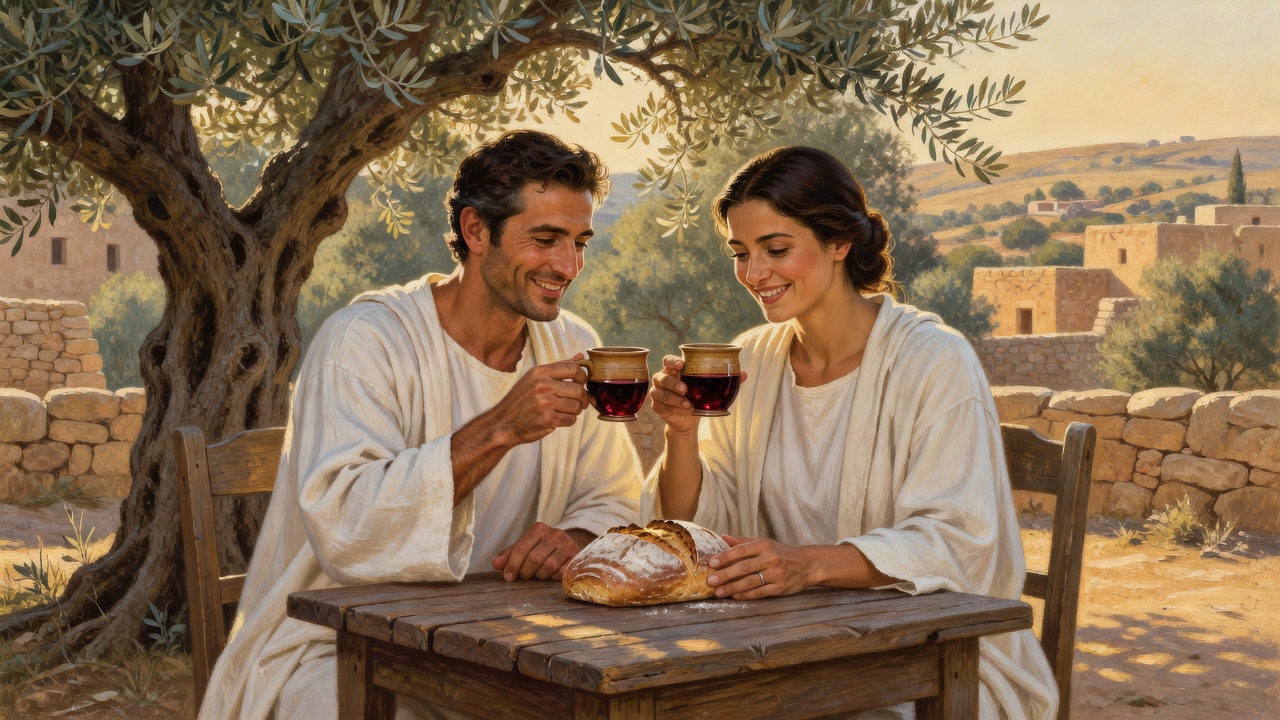
- El autor aconseja celebrar la vida cotidiana mediante expresiones antiguas de alegría y honor: comer pan, beber vino, vestir ropas blancas y ungir la cabeza con aceite.Fuentes: el propio texto bíblico
- El pasaje alude al Seol como el reino de los muertos, describiéndolo como un estado donde cesan el trabajo, los planes, el conocimiento y la sabiduría, lo que subraya la urgencia de vivir activamente en el presente.Fuentes: el propio texto bíblico
- La guerra de asedio antigua se ilustra mediante el relato de un rey poderoso que construye grandes rampas de asedio contra una ciudad pequeña, la cual es liberada por la sabiduría de un hombre pobre y no por la fuerza militar.Fuentes: el propio texto bíblico
Notas escritas con ayuda de IA a partir de fuentes abiertas (Theographic Bible Metadata, CC BY-SA 4.0; Easton’s Bible Dictionary, dominio público) y revisadas antes de publicarse.
Créditos y licencia de esta traducción
Bibiri Kuyie Nnɑ́ɑǹtì Pɑ́tíri
The Holy Bible in the Ditammari language of Benin
copyright © 2001 SIM International
Language: Ditammari
Translation by: SIM
This translation text is made available to you under the
terms of the Creative Commons License: Attribution-Noncommercial-No Derivative Works.
( http://creativecommons.org/licenses/by-nc-nd/3.0/ )
In addition, you have permission to port the text to different file formats, as long as you
do not change any of the text or punctuation of the Bible.
You may share, copy, distribute, transmit, and extract portions
or quotations from this work, provided that you include the above copyright
information:
You must give Attribution to the work.
You do not sell this work for a profit.
You do not make any derivative works that change any of the actual words or punctuation of the Scriptures.
Permissions beyond the scope of this license may be
available if you contact
us with your request.
This translation is made available to you under the terms of the
Creative Commons Attribution-No Derivatives license 4.0.
You may share and redistribute this Bible translation or extracts from it in any format, provided that:
You include the above copyright and source information.
You do not make any derivative works that change any of the actual words or punctuation of the Scriptures.
Pictures included with Scriptures and other documents on this site are licensed just for use with those Scriptures and documents.
For other uses, please contact the respective copyright owners.
2022-05-31
Fuente: http://ebible.org/tbzsim/ · eBible.org