Eclesiastés 7
Bibiri Kuyie Nnɑ́ɑǹtì Pɑ́tíri · Toca un versículo para ver sus referencias cruzadas.
1Kuyetìfeitóo nɑɑtinɛ̀mu tùdɑ̀ɑ̀rí.
Kɑ̀ɑ kṹṹ nyiè wenninɛ̀ ɑ pɛitɛ́ kpɛri.
2A bo kɔtɛmɛ̀ yɛkúdɑbùò mbo tɛ̀ɛ̀ cĩ́ɛ̃̀tɛ̀,
dɛ̀ wenninɛ̀mu ɑ bo kɔtɛmɛ̀ dibɑnni bo tɛ̀ɛ̀ cĩ́ɛ̃̀tɛ̀
kɛ yɛ̃́ onìtì kó kumɑ̀nku nkumɛ̀,
bɑ́ wè kòò dò nkɛ́totí o yɛ̀mmɛ̀ dɛ ĩ́nkɛ̀.
3Mɛyɛǹcɑɑ̀rìmɛ̀ wenninɛ̀mu mudɑɑ́,
kɛ yɛ̃́ mɛyɛǹcɑɑ̀rìmɛ̀ ciikùnkomɛ̀mu.
4Wèè ciì ò ɔ̃ɔ̃ kɔtɛ yɛkúdɑbùò mbo tɛ̀ɛ̀ cĩ́ɛ̃̀tɛ̀ ntɛ,
kɛ̀ kuyɛìnkù kɔ̀rì diwɛ̀ì bo tɛ̀.
5A bo yiemmɛ̀ mɛciì nyiɛ̀ ndɑ kpɑnnɛ̀ tì,
dɛ̀ wenninɛ̀mu ɑ bo nkémmúmɛ̀ tiyɛìntì kó yɛsɑ̃ɑ̃.
6Bɛ̀ ɔ̃ɔ̃ tií ntidɑbiti kɛ̀ ti mporì,
mɛ̀ɛ̀ botí kuyɛìnkù kó mudɑɑ́ mmɛ ndò.
Mù í mɔkɛ mù co kɛ̀ɛ̀ bíɛ́kɛ̀.
7Mɛfɛ̃́ṹtímɛ̀ mɛɛ̀ ɔ̃ nte kɛ̀ wèè ciì kòo fentɛ,
kɛ̀ ticuuti cɑɑ̀ri onìtì.
8Dɛ̀mɑrɛ̀ kó mudeèmù wenninɛ̀mu dɛ ketímù,
kɛ̀ mɛminnímɛ̀ wenninɛ̀ tɛfentɛ̀.
9A miɛkɛ bɑ́ ncɑ̃ɑ̃ kɛ pɛ́íkú,
tiyɛìntì tiì miɛkɛ cɑ̃ɑ̃́ kɛ pɛ́íkú.
10A yɛ̀mmɛ̀ bɑ́ ndò nyɛmɔ̀rɛ̀ yɛ̀ɛ̀ pɛ̃ɛ̃tɛ́
yɛ̀ wenninɛ̀ di mmɔ̀nnì kpɛyɛ.
Wèè ciì wè í toti dɛ kó mɛyɛ̀mmɛ̀ botí.
11Mɛciì ntu dɛ̀mɑrɛ̀ sɑ̀ɑ̀rɛ̀ ndɛ
kɛ dònnɛ̀ onìtì yɛmbɛ̀ ɔ̃ɔ̃ kú kóò yóunɛ̀ dɛ̀,
bɑ́ wè kòò pɛ̀ú mɛ kó mucɔ̃́ntimu.
12Tikpɑ̀tì yiɛ̀ nyí yĩɛ̃̀kùmɛ̀,
mɛciì nyiɛ̀ nyí mɛ nyĩɛ̃̀kù.
Mɛciì yiɛ̀ nkó mucɔ̃́ntimu tú
mɛ ɔ̃ ntemɛ̀ wèè mɛ̀ mɔ̀kɛ kòo nfòù.
13Wéntɛ́ Kuyie nkó mutɔ̃mmú,
we mbo nɑ kɛ́sɛ́i nkù kɔ̀ńnɛ́ dɛ̀?
14Kɑ̀ɑ bo diwɛ̀ì miɛkɛ dɛ̀ ndɑ nɑɑti,
kɛ̀ mɛyɛǹcɑɑ̀rìmɛ̀ mɛ ndɑ tùɔ̀kɛní totí ɑ yɛ̀mmɛ̀,
Kuyie ndɛ̀ dɔ̀ɔ̀ dɛdɛ́
kɛ̀ dɛ̀ bo yie nkòo nìtì bɑ́ nyɛ̃́ tìì yóó ò tùɔ̀kɛní
tìnti o kṹṹ nkó difɔ̃nkúò.
15N fòmmu kũpumu mmuu mmiɛkɛ n yɑ̀mu dɛmɔu.
Osɑ̀ù ɔ̃ɔ̃ tootɛmu bɑ́ nɛ̀ o sɑ̀ɑ̀ mmiɛkɛ,
kòo yɛiwe nfòù kɛ́mɔntɛ
bɑ́ nɛ̀ ò mɛ ndɔɔrimɛ̀ mɛyɛi.
16Bɑ́ nsɑ̀ kɛ́tontɛ́
ɑ mɛ mbɑ́ nciì kɛ́tontɛ́ ɑ yɑ̀ɑ̀ bo kuɔ ɑmɑ́ɑ̀.
17A bɑ́ɑ́ yóu kɛ̀ kuyonku dɑ́ tiekɛ
ɑ mɛ mbɑ́ yóu kɛ̀ tiyɛìntì dɑ́ tiekɛ
ɑ yɑ̀ɑ̀ bo tootɛ.
18Dɛ̀ wennimu kɛ dò nhɑ ndɛ̀ pĩ,
ɑ bɑ́ɑ́ dɛ̀ yɛ̃̀.
Wèè dé Kuyie nwè í yóó pɑ́kɛ́.
19Mɛciì nhɔ̃ɔ̃ kpénkùnnɛmu mɛ yiɛ̀
nkɛ̀ dɛ̀ɛ pɛ̃ɛ̃tɛ́ kùmɑ̀ndɑ́ɑ̀bɛ̀ bo mbomɛ̀ tɛpíítɛ̀ dihɛì dìmɑ́ɑ̀ miɛkɛ.
20Onìtì mɔù í bo kɛtenkɛ̀ ĩ́nkɛ̀
wèè wenni kɛ sɑ̀nnɛ̀ kɛ dò nwenwe bɑ́ɑ́ dɔɔ̀ mɛyɛi.
Kɛ bo ndɔɔri mɛsɑ̀ɑ̀ mmɑ́ɑ̀.
21Bɑ́ nkenti bɛnìtìbɛ̀ nɑ̀ɑ́ ntì timɔu
kɛ̀ dɛ̀ɛ yie nkɑ̀ɑ bɑ́ɑ́ keè ɑ kóo tɔ̃ntì dɑ sɑ̃́ɑ̃́mmɛ̀.
22A yɛ̃́mu kɛ dò nhɑ ɔ̃ nsɑ̃́ɑ̃́ mbɛtɔbɛ̀ yɛmɔ̀rɛ̀ mɑyɛ̀.
23N dɛ̀ wèńnímu dɛmɔu
m bennɛ́mu nɛ̀ n ciì mmiɛkɛ
kɛ bo ntú onìtì wèè ciì,
kɛ yĩɛ̃kɛ.
24Dɛ̀ɛ̀ kó dimɑ̀ɑ̀ bo dɛ̀ cùtɛ́ cúrícúrí nwe
we mbo nɑ kɛ́ dɛ̀ nìntɛ?
25Mɛm̀mɛ kɛ̀ n duɔ́ m mɑ́ɑ̀ kɛ́wɑmmú
kɛ́fiɛ́ nɛ̀ n yɛ̀mmɛ̀ mɛmɔu
kɛ bo yĩ́ɛ̃́tɛ́ mùù tu mɛciì
nɛ̀ mùù te kɛ̀ mɛborimɛ dò mmɛ̀ mɛ̀ ndòmmɛ̀,
kɛ́nsɔ̃́ nkɑ̀ɑ yóù yoo ɑ yɛi,
dɛ̀ í mɔkɛ mucɔ̃́ntimu mɑmù.
26N yɑ̀ onitipòkù mɔù nwe kòò tu didíiǹtɑ̃́rì
kɛ tii kɛ pɛ̃ɛ̃tɛ́ mukṹṹ,
ò tu timɑ́tì dindííntì nti,
kòò bɑɑ̀ ntu ticùɔ̀tì.
Wèè dɔ̀ɔ̀ri Kuyie ndɔ́mɛ̀ weè bo nɑ kóò yentɛ́nɛ̀,
kuyɛìnkù kuu bɑ́ɑ́ nɑ kóò yentɛ́nɛ̀.
27Kɛ̀ Mɛborimɛ wéìtìi bɛ́i nkɛ dɔ̀:
N wɑɑ̀mmu kɛ wéí dɛnɛnnɛ̀ dɛmɑ dɛmɑ
kɛ toti n yɛ̀mmɛ̀ kɛ bo dɛ̀ bɑntɛ́.
28Kɛ kpɑɑ́ wɑɑ̀,
bɑ́ n yí dɛ̀ yɑ̀u.
N wɑnti dɛ̀ bɛnitidɑɑbɛ̀ tɛkɔupíítɛ̀ (1000) miɛkɛ,
onìtì òmɑ́ɑ̀ borɛ̀ ndɛ ndɛ̀ yɑ̀mɛ̀.
Bɛnitipòbɛ̀ bɛmɔu miɛkɛ n yí dɛ̀ yɑ̀ òmɔù borɛ̀.
29N yɑ̀ kɛ sɔ̃́ nKuyie ndɔ̀ɔ̀ onìtì
kòo ntú osɑ̀ɑ̀wè nwe,
onìtì weè nɛ́ te dɛmɔu kɛ̀ dɛ̀ yonkɛ.
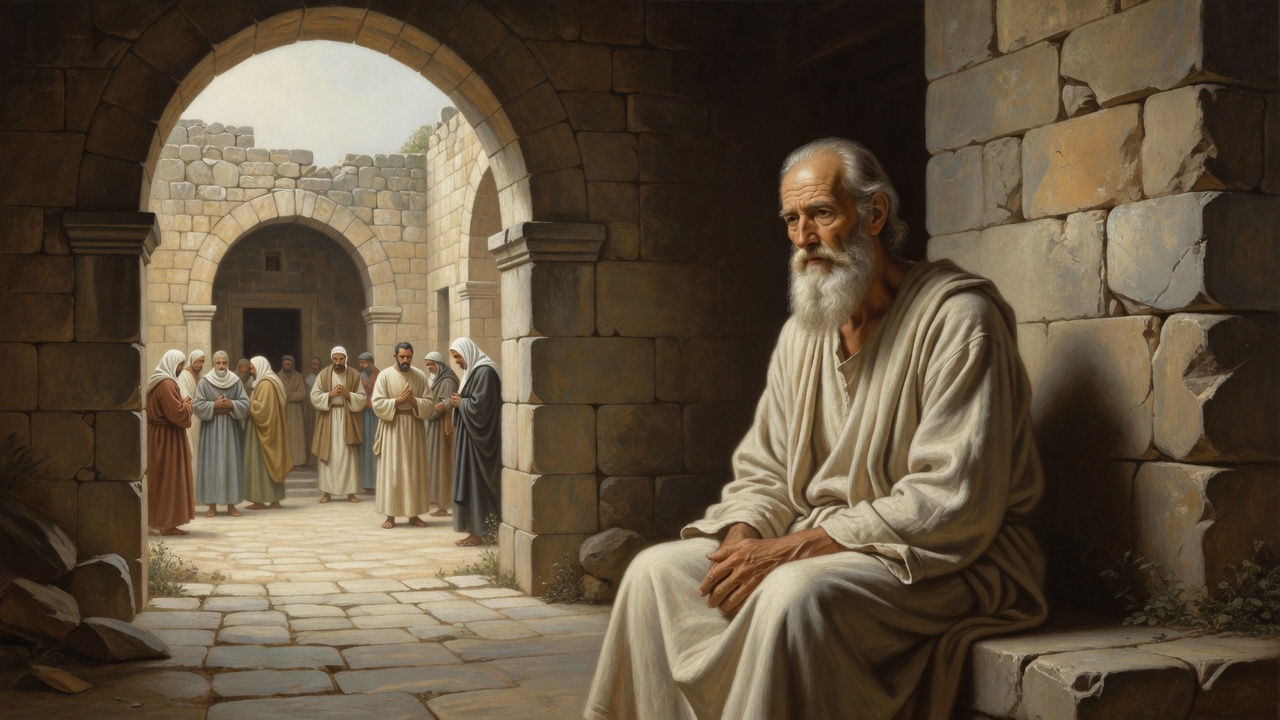
¿Sabías que…?
Sabiduría, mortalidad y los límites del entendimiento
- Eclesiastés 7 comienza con una serie de proverbios comparativos que sostienen que los momentos de reflexión sobria, como acudir a una casa de duelo o afrontar la tristeza, brindan una comprensión más profunda de la vida que la risa superficial y las fiestas.Fuentes: el propio texto bíblico
- El Maestro reflexiona sobre la realidad de la experiencia humana, señalando que Dios dispuso tanto los días prósperos como los adversos para que nadie pueda prever su futuro, y que a veces el justo perece mientras que el malvado prolonga sus días.Fuentes: el propio texto bíblico
- El capítulo resalta el límite universal de la bondad humana al observar que no hay nadie en la tierra que haga el bien y nunca peque, y concluye que, aunque Dios hizo íntegro al ser humano, las personas han buscado muchas maquinaciones.Fuentes: el propio texto bíblico
Notas escritas con ayuda de IA a partir de fuentes abiertas (Theographic Bible Metadata, CC BY-SA 4.0; Easton’s Bible Dictionary, dominio público) y revisadas antes de publicarse.
Créditos y licencia de esta traducción
Bibiri Kuyie Nnɑ́ɑǹtì Pɑ́tíri
The Holy Bible in the Ditammari language of Benin
copyright © 2001 SIM International
Language: Ditammari
Translation by: SIM
This translation text is made available to you under the
terms of the Creative Commons License: Attribution-Noncommercial-No Derivative Works.
( http://creativecommons.org/licenses/by-nc-nd/3.0/ )
In addition, you have permission to port the text to different file formats, as long as you
do not change any of the text or punctuation of the Bible.
You may share, copy, distribute, transmit, and extract portions
or quotations from this work, provided that you include the above copyright
information:
You must give Attribution to the work.
You do not sell this work for a profit.
You do not make any derivative works that change any of the actual words or punctuation of the Scriptures.
Permissions beyond the scope of this license may be
available if you contact
us with your request.
This translation is made available to you under the terms of the
Creative Commons Attribution-No Derivatives license 4.0.
You may share and redistribute this Bible translation or extracts from it in any format, provided that:
You include the above copyright and source information.
You do not make any derivative works that change any of the actual words or punctuation of the Scriptures.
Pictures included with Scriptures and other documents on this site are licensed just for use with those Scriptures and documents.
For other uses, please contact the respective copyright owners.
2022-05-31
Fuente: http://ebible.org/tbzsim/ · eBible.org