Eclesiastés 3
Bibiri Kuyie Nnɑ́ɑǹtì Pɑ́tíri · Toca un versículo para ver sus referencias cruzadas.
Bɑ́ dɛ̀ nɛ̀ dɛ mɔ̀nnì ndi
1Bɑ́ dɛ̀ nɛ̀ dɛ kó dimɔ̀nnì ndi.
Bɑ́ dìì mɔ̀nnì nɛ̀ di kpɛrɛ ndɛ kɛtenkɛ̀ ĩ́nkɛ̀.
2Dipɛitɛ́mɔ̀nnì bomu kɛ̀ mukṹṹ nkó dimɔ̀nnì bo.
Mufíì mmɔ̀nnì bomu,
kɑ̀ɑ bo uutɛ́mɛ̀ ɑ fìí ndɛ̀ kpɛri bo.
3Mukɔ̀ù kó dimɔ̀nnì bomu.
Kɑ̀ɑ bo miɛkùnnɛmɛ̀ kó dimɔ̀nnì bo,
mupɔ̀mmù kó dimɔ̀nnì bomu,
kɛ̀ mumɑrimù kó dimɔ̀nnì bo.
4A bo kuɔ́mmɛ̀ kó dimɔ̀nnì bomu,
kɛ̀ mudɑɑ́ nkó dimɔ̀nnì bo.
Didɑbònnì kó dimɔ̀nnì bomu,
kɛ̀ muhɑù kó dimɔ̀nnì bo.
5Itɑ̃́ɑ̃́ kó mubɔmmù mɔ̀nnì bomu,
kɑ̀ɑ bo yóumɛ̀ itɑ̃́ɑ̃́ kó mubɔmmù kó dimɔ̀nnì bo.
Dɛbɑɑ̀ nkó mupĩ́mmù mɔ̀nnì bomu,
kɑ̀ɑ bo yóumɛ̀ dɛbɑɑ̀ nkó mupĩ́mmù kó dimɔ̀nnì bo.
6A bo wɑɑ́mmɛ̀ dɛ̀mɑrɛ̀ kó dimɔ̀nnì bomu,
kɛ̀ dɛ̀ bo fetimɛ̀ kó dimɔ̀nnì bo.
A bo sɔnnɛmɛ̀ dɛ̀mɑrɛ̀ kó dimɔ̀nnì bomu,
kɑ̀ɑ bo dootóomɛ̀ ɑ do sɔri dɛ̀ kó dimɔ̀nnì bo.
7Muyɑɑ̀kɛ̃tímù kó dimɔ̀nnì bomu,
kɛ̀ muyɑɑ̀yɑ́ntìmù kó dimɔ̀nnì bo,
ɑ bo ncĩ́ɛ̃́kɛ́mɛ̀ kó dimɔ̀nnì bomu,
kɑ̀ɑ bo nnɑ́ɑ́mmɛ̀ kó dimɔ̀nnì bo.
8A bo ndɔ́mɛ̀ otɔù kó dimɔ̀nnì bomu,
kɑ̀ɑ bo nníímmɛ̀ otɔù kó dimɔ̀nnì bo.
Mudoò kó dimɔ̀nnì bomu,
kɛ̀ kunɑɑtí kó dimɔ̀nnì bo.
9Wèè pĩ mmutɔ̃mmú ò mù pĩ nkòo kó mucɔ̃́ntimu tú ɔ̃̀mmu? 10N yɑ̀mu Kuyie nduɔ́ mmùù tɔ̃mmú bɛnìtìbɛ̀ kɛ̀ bɛ̀ mù pĩ. 11Kù dɔ̀ɔ̀ dɛmɔu kɛ̀ dɛ̀ wennimu bɑ́ dɛ̀ kɛ̀ dɛ̀ bo dɛ mɔ̀nnì, kɛ̀ kù duɔ́ nhonìtì mɛyɛ̀mmɛ̀ ò bo nyɛ̃́nɛ̀mɛ̀ kɛ dò nhonìtì ɔ̃ɔ̃ í nku kɛ̀ dɛ̀ɛ deè, onìtì nɛ́ í nɑ kɛ bo bɑntɛ́ Kuyie mpĩ́ mmùù tɔ̃mmú, kù mù ketɛ́ mɛ̀ɛ̀ botí nɛ̀ kù mù dèèmɛ̀. 12M bɑntɛ́mu kɛ dò nhonìtì kó diwɛ̀ì tu o bo ndɔɔrimɛ̀ ò dɔ́mɛ̀, kɛ́mbo kɛ̀ dɛ̀ ò nɑɑti o fòmmu mumɔu miɛkɛ. 13Kòo nìtì yo nkɛ yɔ̃̀ nkɛ dɛ̀ ò nɑɑti nɛ̀ o tɔ̃mmú, Kuyie nkó dipɑ̃nnì ndi. 14N yɛ̃́mu kɛ dò nKuyie ndɔ̀ɔ̀ dɛ̀ dɛɛ̀ yó mbo sɑ̃́ɑ̃̀, dɛ̀mɑrɛ̀ í dò nkɛ́yíɛ́ dɛ miɛkɛ. Dɛ̀mɑrɛ̀ mɛ nyí dò nkɛ́yɑɑtɛ. Kuyie ndɛ̀ dɔ̀ɔ̀ mɛmmɛ kɛ̀ dɛ̀ bo yie nkɛ̀ bɛ̀ nkù dému.
15Dɛ̀ɛ̀ bo dɛ̀ do bomu nɛ̀ dimɔ̀nnì,
dɛ̀ɛ̀ yóó buotɛ́ dɛ̀ diɛ́ nkɛ buotɛ́mu.
Kuyie nkuù tɛ̃̀ńnìnkoní dɛ̀ɛ̀ pɛ̃ɛ̃tɛ́.
Dɛmɔu dɛ mɑ̀nku tú mukṹṹ
16Kɛ̀ n wéntɛ́ kɛtenkɛ̀ ĩ́nkɛ̀ kɛ́nsɔ̃́ ntibeéntì nɑɑ́ nsiyɑ́ɑ̀bìsí kɛ̀ mɛsɑ̀ɑ̀ nnɑɑ́ mmɛyɛi. 17Nɛ̀ n yɛ̀mmɛ̀ miɛkɛ kɛ̀ n dɔ̀: Kuyie nyóó bekɛ́nɛ̀mu osɑ̀ù nɛ̀ oyɛiwe. Kɛ yɛ̃́ bɑ́ dɛ̀ nɛ̀ dɛ kó mɛfíè mmɛ. Bɑ́ mɛ̀ɛ̀ dɔɔ̀rìmɛ̀ kɛ̀ mɛ beéntì mɔ̀nnì bo. 18Kɛ̀ n wéntɛ́ onìtì kó mufòmmu, nɛ̀ n yɛ̀mmɛ̀ miɛkɛ kɛ̀ dɔ̀: Kuyie ndɔ́ kɛ yɑ́ɑ́kɛ́mu onìtì kòo bɑntɛ́ ò í cɑ̃́ɑ̃́nnɛ̀mɛ̀ fɛɔ̃̀fɛ̀. 19Kɛ yɛ̃́ tìì tùɔ̀kùní fɛɔ̃̀fɛ̀, tiì tùɔ̀kùnímɛ̀ onìtì, fɛɔ̃̀fɛ̀ kɔ̃mmɛ̀ onìtì mɛ nkɔ̃. Onìtì nɛ̀ fɛɔ̃̀fɛ̀ dɛ fòmmu mumɑ́ɑ̀ ndi onìtì í pɛ̃ɛ̃tɛ́ fɛɔ̃̀fɛ̀. Dɛmɔu dɛ̀ í dò nkɛ́bɑntɛ́.
20Dɛmɔu dɛ̀ kũnti dibòrì dimɑ́ɑ̀ ndi,
dɛmɔu dɛ̀ bonní mutɑ̃́ɑ̃́ mmiɛkɛ nkɛ,
dɛmɔu dɛ̀ wɛ̃ti mutɑ̃́ɑ̃́ mmiɛkɛ nkɛ.
21We nyɛ̃́ kòo nìtì kó mufòmmu dekù kɛĩ́nkɛ̀ kɛ̀ fɛɔ̃̀fɛ̀ kɔ̃mu ɔ̃ nkpɑɑ́ kɛtenkɛ̀ miɛkɛ? 22Kɛ̀ nni nsɔ̃́ nhonìtì kó diwɛ̀ì tu dɛ̀ bo nhò nɑɑtinɛ̀ mɛmmɛ o tɔ̃mmú, dɛ̀ɛ̀ tu o kó mucɔ̃́ntimu. We nyóó ò bɛnkɛ dɛ̀ɛ̀ yóó tuɔkɛní o kó difɔ̃nkúò.
¿Sabías que…?
Un tiempo para cada ocasión
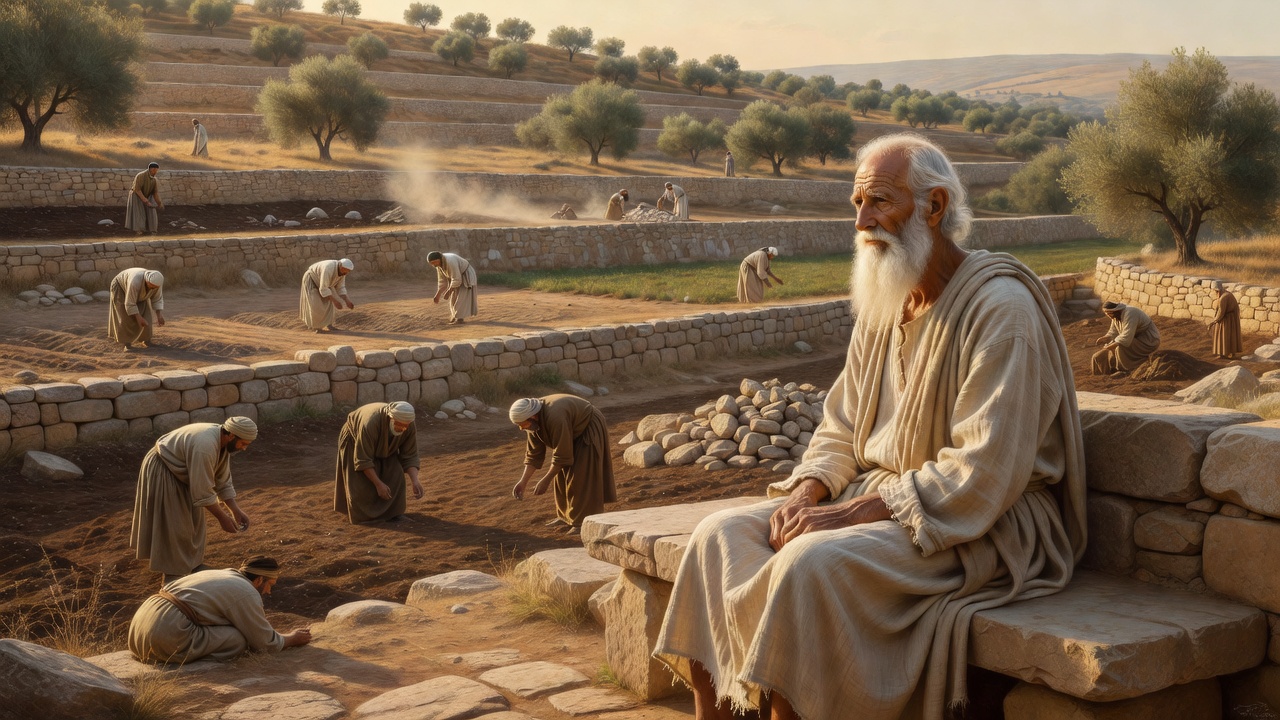
- El capítulo comienza con un célebre poema de catorce pares de opuestos, que abarcan desde nacer y morir, plantar y arrancar, hasta llorar y bailar, la guerra y la paz. Esta estructura literaria ilustra la totalidad de las experiencias humanas debajo del cielo.Fuentes: el propio texto bíblico
- El autor observa que Dios ha puesto la eternidad en el corazón humano, aunque los mortales no pueden comprender plenamente la obra que Dios hace de principio a fin.Fuentes: el propio texto bíblico
- Al reflexionar sobre la mortalidad, el texto señala que tanto las personas como los animales vuelven al polvo. Ante este destino físico compartido, el Maestro concluye que disfrutar del trabajo cotidiano, de la comida y de la bebida es un don de Dios.Fuentes: el propio texto bíblico
Notas escritas con ayuda de IA a partir de fuentes abiertas (Theographic Bible Metadata, CC BY-SA 4.0; Easton’s Bible Dictionary, dominio público) y revisadas antes de publicarse.
Créditos y licencia de esta traducción
Bibiri Kuyie Nnɑ́ɑǹtì Pɑ́tíri
The Holy Bible in the Ditammari language of Benin
copyright © 2001 SIM International
Language: Ditammari
Translation by: SIM
This translation text is made available to you under the
terms of the Creative Commons License: Attribution-Noncommercial-No Derivative Works.
( http://creativecommons.org/licenses/by-nc-nd/3.0/ )
In addition, you have permission to port the text to different file formats, as long as you
do not change any of the text or punctuation of the Bible.
You may share, copy, distribute, transmit, and extract portions
or quotations from this work, provided that you include the above copyright
information:
You must give Attribution to the work.
You do not sell this work for a profit.
You do not make any derivative works that change any of the actual words or punctuation of the Scriptures.
Permissions beyond the scope of this license may be
available if you contact
us with your request.
This translation is made available to you under the terms of the
Creative Commons Attribution-No Derivatives license 4.0.
You may share and redistribute this Bible translation or extracts from it in any format, provided that:
You include the above copyright and source information.
You do not make any derivative works that change any of the actual words or punctuation of the Scriptures.
Pictures included with Scriptures and other documents on this site are licensed just for use with those Scriptures and documents.
For other uses, please contact the respective copyright owners.
2022-05-31
Fuente: http://ebible.org/tbzsim/ · eBible.org