Deuteronomio 5
Bibiri Kuyie Nnɑ́ɑǹtì Pɑ́tíri · Toca un versículo para ver sus referencias cruzadas.
Kuyie ntɑnnɔ̀ tɛpíítɛ̀
1Kɛ̀ Mɔyiisii tíí nyIsidɑyɛɛribɛ bɛmɔu kɛ́ bɛ̀ nɑ̀kɛ́ kɛ dɔ̀: Díndi Isidɑyɛɛribɛ kéntɛ́nɛ̀ Kuyie kuɔ́ nɛ̀ ku tié n di nɑ́ɑ́ ndɛ̀ yíe nkɛ́ dɛ̀ ɑ̃nnɛ́ di yɛ̀mmɛ̀ miɛkɛ kɛ́ndɔɔri dɛ̀ yɛ̃ mmɛ̀. 2Ti Yiɛ̀ nKuyie nti dɔ̀ɔ̀nɛ̀mu mɛtɑummɛ̀ Odɛbu tɑ̃rì. 3Dɛ̀ í tú nɛ̀ ti yɛmbɛ̀ mbɛ ti Yiɛ̀ nKuyie ndɔ̀ɔ̀nɛ̀mɛ̀ dɛ kó mɛtɑummɛ̀, nɛ̀ tímbɛ bɛ̀ɛ̀ bo diɛ nyíe nkɛ kpɑɑ́ fòù. 4Ti Yiɛ̀ nKuyie ndo di wetínnɛ́mu ditɑ̃rì Odɛbu ĩ́nkɛ̀ kɛ́ di bɛ́innɛ̀nní muhɑ̃ɑ̃́ mmiɛkɛ, 5Dɛ mɔ̀nnì kɛ̀ n còḿmú díndi nɛ̀ ti Yiɛ̀ nKuyie ndi cuokɛ̀ kɛ̀ kù n nɑ̀ɑ́nnɛ̀ kɛ̀ n di nɑ́ɑ́ nkɛ yɛ̃́ di do í dɑ̀ɑ́tímɛ̀ muhɑ̃ɑ̃́ nkɛ́dekoo ditɑ̃rì ĩ́nkɛ̀. Kɛ̀ ti Yiɛ̀ nKuyie mbɛ́i nkɛ dɔ̀:
6Fɔ̃́ nhonìtì mí nhɑ Yiɛ̀ nKuyie mmíì dɑ te kɛ̀ míì dɑ dènnɛní Esibiti dihɛì ɑ do tú dì kudɑɑkù,
7Kuyie ntɛkù mɑkù í bo ɑ dò nkɛ́ntũ nkù kɛ̀ dɛ̀ í tú mí.
8A bɑ́ɑ́ dɔɔ̀ tɛtenkɑɑnìtɛ̀ kɛ́donnɛ̀nɛ̀ dɛ̀ɛ̀ bo kɛĩ́nkɛ̀ miɛkɛ yoo kɛtenkɛ̀ ĩ́nkɛ̀, yoo mɛniɛ mmiɛkɛ kpɛrɛ. 9A bɑ́ɑ́ nínkú dɛ ììkɛ̀ kɛ́ dɛ̀ bɑ̀ńtɛ̀, míì tu Kuyie nkɛ̀ míì mɑ́ɑ̀ dɑ te, kɛ yóó kpetínnɛ́ wèè yetɛ n kpɛti nɛ̀ o yɑɑ̀bí nɛ̀ i kó ibí nɛ̀ i kó iyɑɑ̀bí, 10kɛ́ndɔɔri mɛsɑ̀ɑ̀ nwèè n dɔ́ kɛ yíé n kpɛti, nɛ̀ o yɑɑ̀bíyúóó.
11A bɑ́ɑ́ yú mí nhɑ Yiɛ̀ nKuyie n yètìrì sɔ̃́ntíkɛ, kɛ yɛ̃́ n yí yóó yóumɛ̀ wèè yu n yètìrì dɛtetìrɛ̀.
12A nyɛ̃́ tɛom̀pùtɛ̀ kó diyiè kpɛ́í nkɛ̀ di ncɑ̃́ɑ̃́ nkɛ tú n kpɛri, mí nhɑ Yiɛ̀ nKuyie n dɑ nɑ̀kɛ́ kɛ yɛ̃ ndɛ̀ ndòmmɛ̀. 13A níí pĩ́ nhɑ tɔ̃mmú mumɔu yɛwe yɛ̀kuɔ̀ miɛkɛ. 14Diyiénnì tu mí nhɑ Yiɛ̀ nKuyie nkpɛri ndi. A níí bɑ́ɑ́ pĩ́ mmutɔ̃mmú mɑmù dɛ yiè, bɑ́ ɑ birɛ dɛnitidɑɑrɛ̀ yoo dɛnitipòbirɛ bɑ́ ɑ kóo tɔ̃ntì onitipòkù yoo onitidɔ̀ù bɑ́ ɑ nɑ̀ɑ̀fɛ̀ yoo ɑ sɑ̃mmɑrímú yoo ɑ wũɔ̃ tɛì, yoo opɔ̀ɔ̀ wèè bo ɑ cĩ́ɛ̃̀tɛ̀, bɛmɔu bɛ̀ɛ om̀pɛ̀ dɛ yiè ɑ ompumɛ̀. 15A nyɛ̃́ kɛ dò nhɑ mɔ́mmuɔ nhɑ do bo Esibiti nwe kɛ tú kudɑɑkù, mí nhɑ Yiɛ̀ nKuyie nkɛ̀ m bɛnkɛ n wɛ̃rímú kɛ dɑ dènnɛní nɛ̀ n kó muwɛ̃rímú. Dɛɛ̀ te kɛ̀ n tu ɑ nhom̀pu tɛom̀pùtɛ̀ yiè.
16A ndé ɑ cicɛ nɛ̀ ɑ yɔ̃. Mí nhɑ Yiɛ̀ nKuyie n tì n dɑ nɑ̀kɛ́mɛ̀ kɛ̀ dɛ̀ɛ yie nkɑ̀ɑ fòmmuu okɛ̀ kɛtenkɛ̀ n dɑ duɔ́ nkɛ̀ miɛkɛ, kɑ̀ɑ mbo kɛ̀ dɛ̀ dɑ nɑɑti.
17A bɑ́ɑ́ kuɔ onìtì.
18A bɑ́ɑ́ duɔ́nɛ̀ wèè í tú ɑ pokù yoo wèè í tú ɑ dɔù.
19A bɑ́ɑ́ yúúkú.
20A bɑ́ɑ́ soutɛ́ kɛ́cɑɑ̀rɛ̀ otɔù yètìrì.
21A bɑ́ɑ́ yɑɑ nhotɔù pokù, yoo o cĩ́ɛ̃̀tɛ̀, yoo o pɑɑ, nyoo o kóo tɔ̃ntì onitipòkù yoo onitidɔ̀ù yoo o nɑ̀ɑ̀fɛ̀ yoo o sɑ̃mmɑrímú, dɛ̀ɛ̀ kó dimɑ̀ɑ̀ cɛ̃́nkɛ tú o kpɛrɛ.
22Ti nnɑ́ɑǹtì, ti Yiɛ̀ nKuyie nkuù do tì ndi nɑ̀kɛ́ di do tíkú dìì mɔ̀nnì ditɑ̃rì Odɛbu ĩ́nkɛ̀. Kù do nɑ́ɑ́nnɛ̀ mɛtɑnkperímɛ̀ mmɛ ditɑ̃rì ĩ́nkɛ̀, muhɑ̃ɑ̃́ ncuokɛ̀, kɛ̀ kuyukú fĩ nnɛ̀ yɛwɛtisùɔ̀, kù í yìɛ́ tìmɑtì. Kù ti nwɑ̃̀ri titɑ̃́píɛ̀tì ĩ́nkɛ̀ kɛ́ n duɔ́ nkɛ̀ ntì ndi nɑ̀kɛ́.
Mɔyiisi do nɑ́ɑ́mmɛ̀ Kuyie nkpɛti Isidɑyɛɛribɛ
23Di kèè dìì mɔ̀nnì dɛ kó mɛtɑmmɛ̀ kɛ̀ mɛ̀ yìɛ̀ní ditɑ̃rì ĩ́nkɛ̀ dibiìnnì miɛkɛ, kɛ̀ ditɑ̃rì cɔ̀ú mmuhɑ̃ɑ̃́, bɛ̀ɛ̀ bɑkɛ́ di nɑɑ̀mùntì nɛ̀ bɛhɛikɛ̀nkótíbɛ̀ kɛ̀ dí kɔtɛní m borɛ̀. 24Kɛ dɔ̀: Ti Yiɛ̀ nKuyie nti bɛnkɛmu ku kpetì nɛ̀ kù dɛumɛ̀, kɛ ti bɛ́innɛ̀nní muhɑ̃ɑ̃́ mmiɛkɛ, kɛ̀ ti kèè ku tɑmmɛ̀ yíe nti yɑ̀mu kɛ dò nti Yiɛ̀ nKuyie mbo nɑ kɛ́bɛ́innɛ̀ onìtì kɛ̀ wè nkpɑɑ́ fòù. 25Bɑ nkpɛ́í nte kɛ̀ ti bo yóu kɛ̀ muhɑ̃ɑ̃́ ndiɛmù ti cɔ́útɛ́ kɛ̀ ti kú? Kɛ̀ ti sɔkɛ́ kɛ yo dɛ kó mɛtɑmmɛ̀ muhɑ̃ɑ̃́ ndiɛmù yóó ti cɔ́útɛ́mu kɛ̀ ti kú. 26Onìtì mɔù mu nyí kèè ti kèèmɛ̀ Kuyie ntɑmmɛ̀ kù ò bɛ́innɛ̀mɛ̀ muhɑ̃ɑ̃́ mmiɛkɛ kɛ kpɑɑ́ fòù. 27Fɔ̃́ mMɔyiisi, fɔ̃́ɔ̃̀ mɑ́ɑ̀ níí yóó kɔtɛ kɛ̀ ti Yiɛ̀ nKuyie ndɑ nɑ́kɛ́ kɑ̀ɑ wɛ̃tɛní kɛ́ tí nɑ́kɛ́ kù yɛ̃ mmù, ti yóó yiemmu kɛ́ tì dɔ̀ɔ̀. 28Mɛm̀mɛ kɛ̀ ti Yiɛ̀ nKuyie nkeè di nɑ́ɑ́ ntì kɛ́ n nɑ́kɛ́ kɛ dɔ̀: N kèèmu bɛnìtìbɛ̀ bɛmbɛ dɑ nɑ́ɑ́ ntì, tì wennimu. 29Kɛ̀ bɛ̀ do n yie nkɛ́mmɔkɛ dɛ kó mɛyɛ̀mmɛ̀ botí sɑ̃́ɑ̃̀, kɛ́ nni ndé kɛ dɔɔri n tɑnnɔ̀ yɛ̃ mmù dɛ̀ nɑ nwennimu, kɛ̀ bɛ̀ dɔ̀ɔ̀ri mɛmmɛ bɛ̀ bo mbo kɛ̀ dɛ̀ bɛ̀ nɑɑti bɛmbɛ nɛ̀ bɛ yɑɑ̀bío sɑ̃́ɑ̃̀. 30Kɔtɛ kɛ́ bɛ̀ nɑ̀kɛ́ kɛ dɔ̀: Kònnɛ̀ di cɛ̃́ĩ. 31Kɛ̀ fɔ̃́ nni nkpɑɑ́ diɛ m borɛ̀ kɛ̀ n dɑ nɑ́kɛ́ n tɑnnɔ̀ yɛmɔu nɛ̀ n kuɔ́ nɛ̀ n tié kɑ̀ɑ dɛ̀ mbɛ̀ nɑ̀kɛ́ dɛmɔu kɛ̀ bɛ̀ ndɔɔri dɛ̀ yɛ̃ mmù kɛtenkɛ̀ m bɛ̀ duɔ́ nkɛ̀ kɛ̀ bɛ̀ bo kɛ̀ tiekɛ kɛ miɛkɛ.
32Nyɛ̃́nɛ̀ tũnkɛ́ kɛ́ndɔɔri ti Yiɛ̀ nKuyie ndi tũ nkù yɛ̃ ndi ndɔɔri dɛ̀ dɛmɔu, di bɑ́ɑ́ dɑutɛ́ kucɑ̃̀nku yoo kuyoú. 33Dí ntũ nkucɛ ti Yiɛ̀ nKuyie ndi tũ nkù di bɛnkɛ kù mɛsɑ̀ɑ̀, kɛ̀ dɛ̀ɛ yie nkɛ̀ dí nfòù kɛ́mbo dihɛì kù di duɔ́ ndì kɛ̀ dɛ̀ nɑɑti, kɛ̀ di fòmmuu mɔntɛ.
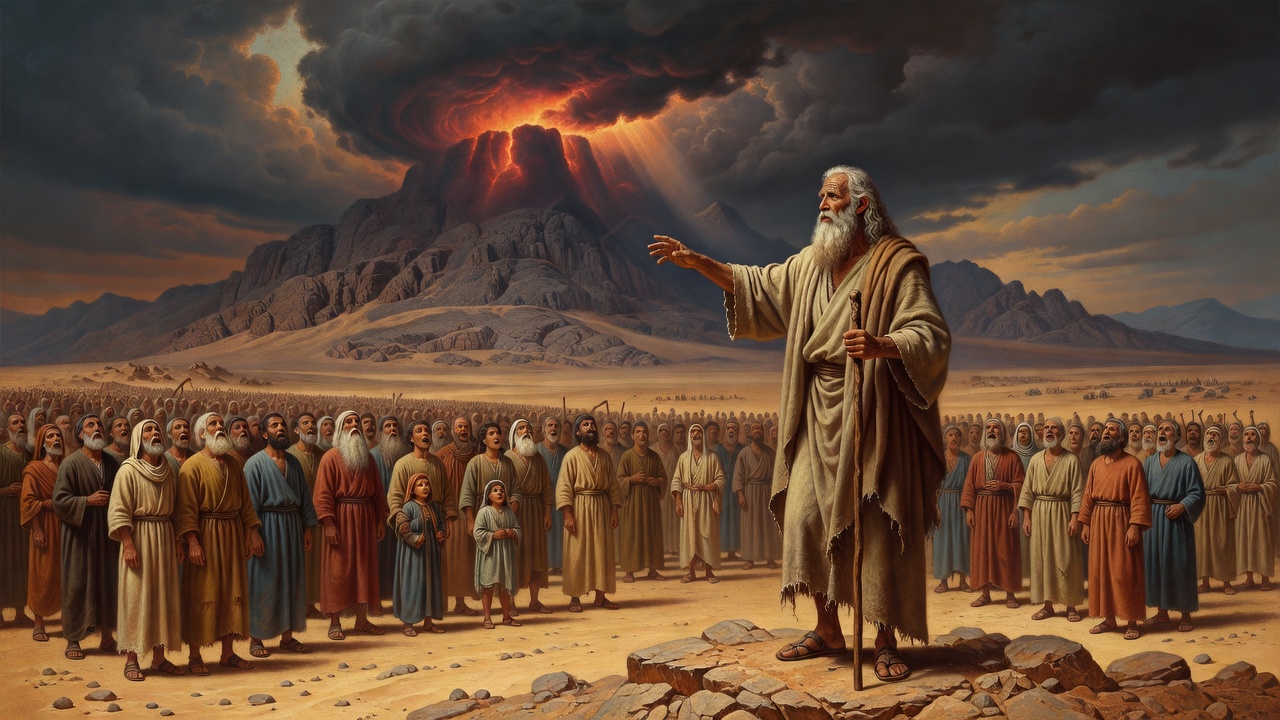
¿Sabías que…?
El pacto y los Diez Mandamientos
- En Deuteronomio, la montaña donde se entregaron el pacto y los mandamientos se denomina Horeb. Horeb se refiere a la cordillera montañosa más amplia de la cual el Sinaí era una cumbre, ubicada junto a una vasta llanura donde los israelitas podían acampar.Fuentes: Horeb · el propio texto bíblico
- En el relato del mandamiento del sábado en Deuteronomio, el mandato de descansar se vincula de manera explícita con la historia de esclavitud de Israel en Egipto. Debido a que los israelitas habían sido liberados del trabajo forzado, sus siervos, extranjeros y animales de trabajo también debían gozar de pleno descanso en el séptimo día.Fuentes: el propio texto bíblico
- Moisés actuó como intermediario entre Dios y el pueblo porque los jefes tribales y los ancianos temían morir si continuaban escuchando la voz divina desde el fuego y la densa oscuridad. Le pidieron a Moisés que se acercara, recibiera los preceptos restantes y los transmitiera a la asamblea.Fuentes: el propio texto bíblico
Notas escritas con ayuda de IA a partir de fuentes abiertas (Theographic Bible Metadata, CC BY-SA 4.0; Easton’s Bible Dictionary, dominio público) y revisadas antes de publicarse.
Lugares de este capítulo
- Mount Horeb · Hoy: Jebel Musa · 28.540, 33.973 · versículo 2
- Egypt · 30.129, 31.308 · versículos 6, 15
Solo aparecen lugares identificados con alta confianza (90 % o más según las fuentes académicas reunidas por OpenBible). Mapa de la época: DARE (Digital Atlas of the Roman Empire), CC BY 4.0; mapa actual: © colaboradores de OpenStreetMap; lugares: OpenBible.info (CC BY 4.0).
Créditos y licencia de esta traducción
Bibiri Kuyie Nnɑ́ɑǹtì Pɑ́tíri
The Holy Bible in the Ditammari language of Benin
copyright © 2001 SIM International
Language: Ditammari
Translation by: SIM
This translation text is made available to you under the
terms of the Creative Commons License: Attribution-Noncommercial-No Derivative Works.
( http://creativecommons.org/licenses/by-nc-nd/3.0/ )
In addition, you have permission to port the text to different file formats, as long as you
do not change any of the text or punctuation of the Bible.
You may share, copy, distribute, transmit, and extract portions
or quotations from this work, provided that you include the above copyright
information:
You must give Attribution to the work.
You do not sell this work for a profit.
You do not make any derivative works that change any of the actual words or punctuation of the Scriptures.
Permissions beyond the scope of this license may be
available if you contact
us with your request.
This translation is made available to you under the terms of the
Creative Commons Attribution-No Derivatives license 4.0.
You may share and redistribute this Bible translation or extracts from it in any format, provided that:
You include the above copyright and source information.
You do not make any derivative works that change any of the actual words or punctuation of the Scriptures.
Pictures included with Scriptures and other documents on this site are licensed just for use with those Scriptures and documents.
For other uses, please contact the respective copyright owners.
2022-05-31
Fuente: http://ebible.org/tbzsim/ · eBible.org