Daniel 8
Bibiri Kuyie Nnɑ́ɑǹtì Pɑ́tíri · Toca un versículo para ver sus referencias cruzadas.
Dɑnniyɛɛri duɔ́mɛ̀ tidɔuǹtì kɛ́yɑ̀ dipedɑɑ̀ nɛ̀ dibɔdɑɑ̀
1Bɑditɑsɑɑ kpɑ̀tì benni tɑ̃ɑ̃́nnì, mí nDɑnniyɛɛri kɛ̀ n wɛ̃tɛ kɛ́dɔú ntidɔuǹtì tɛtì kɛ́mbúútí n do dɔú ntì mɛketimɛ̀. 2Ntɛ dɛ kó tidɔuǹtì: N duɔ́ kɛ̀ dɛ̀ ndò m bo Suusi kó dihɛidiɛ̀ ndi Edɑmmu tempɛ̃, nhUdɑii kó ntɑkɛ́, 3kɛ̀ nní nwúó nkɛ́yɑ̀ dipedɑɑ̀ kɛ̀ dì còḿmú kukó ntɑkɛ́ kɛ mɔkɛ yɛyìè nyɛ̀dɛ́ɛ̀ kɛ̀ yɛ̀ òkù mɛdiɛ̀. Dìì dèntɛ kɛ yɛ̀nní kɛ̀ di dɛunɛ̀ ditɛrì. 4Kɛ̀ n yɑ̀ dɛ kó dipedɑɑ̀ kũ̀mmùmɛ̀ dɛ ììkɛ̀ bíɛ́kɛ̀ kubɑkù cɑ̃̀nku nɛ̀ kuyoú. Bɑ́ kuwɑnwɑnkù tɛkù mɑkù í nnɑ kɛ bo dì bɑ̀ɑo. Kɛ̀ di wetínnɛ́ kù kù bɑ́ɑ́ nɑ kɛ́ dì bɑ̀ɑo, kɛ̀ dì dɔ̀ɔ̀ri dì dɔ́mɛ̀ kɛ̀ di wɛ̃rímú dɛ́úkú.
5Kɛ̀ nní nkpɑɑ́ kɛ toti n yɛ̀mmɛ̀ kɛ̀ dibɔdɑɑ̀ mɑrìi yɛ̀nní dɛyììkɛ̀ bíɛ́kɛ̀ kɛ́ncokù kɛ firì kutenkù kɛ cɑ̃ɑ̃ mɛdiɛ̀, bɑ́ di nɑɑ̀cɛ̀i í kɑ́ɑ́ nkɛtenkɛ̀ kɛ̀ di yènnì diɛrì sokɛ́ di nuɔ nsɑku kɛ duò tikɔ̃m̀bùɔ̀tì. 6Kɛ̀ dìi tuɔkɛní dipedɑɑ̀ n do yɑ̀ dì kɛ̀ dì bo kukó ntɑkɛ́ di borɛ̀, kɛ́bunnɔ́ɔ nɛ̀ di wɛ̃rímú mumɔu. 7Kɛ̀ n yɑ̀ dì potɛ́mɛ̀ dipedɑɑ̀ nɛ̀ kɛmiɛkɛ kɛ́ ndì puotì kɛ bɔ́ɔ́tɛ́ bɔ́ɔ́tɛ́ di yìè nyɛdɛ́ kɛ́ dì bɔ mbɑ́ dì í nnɑ kɛ dì bɑ̀ɑo, kɛ́ ndì fũrì bɑ́ òmɔù í nnɑ kɛ dì fìètɛ. 8Kɛ̀ dibɔdɑɑ̀ wɛ̃rímú ndɛukú mɛdiɛ̀ mbɑ́ mù í mmɔkɛ mù mɑ̀mɛ̀, di wɛ̃rímú tùɔ̀kɛ dìì mɔ̀nnì mu mɑ̀nku kɛ̀ diyènnì diɛrìi bɔ́ɔ́tɛ́, kɛ̀ yɛtɛyɛ̀ɛ yɛ̀nní yɛ̀nɑ̀ɑ̀ dɛ kó difɔ̃̀tìrì kɛ́nwetí itemmɑ̀nkɛ ìnɑ̀ɑ̀.
9Kɛ̀ di sɑ́m̀pɔ́rì tɛrì mɑrìi yɛ̀nní yɛ kó dìmɑrì ĩ́nkɛ̀ kɛ̀ di wɛ̃rímú ndɛ́úkú mɛsɑ̀ɑ̀ nkɛ̀ dì wetí diyiè yìɛ̀ní kɛ̀ nɛ̀ kubɑkù cɑ̃̀nku nɛ̀ dihɛì sɑ̀ɑ̀rì. 10Kɛ múnkɛɛ kpɑnnɛ̀ kɛĩ́nkɛ̀ kɔbɛ kɛ́ bɛ̀ nɑ, kɛ́tɔ̃ũnɛ̀ siwɑ̃̀ɑ̃ pɛ́u kɛ sì nɑ̀u. 11Kɛ̀ dì kpɑnnɛ̀ siwɑ̃̀ɑ̃ kóo kpɑ̀ɑ̀tì kɛ́pɑɑ nyiwũɔ̃ bɛ̀ do o feu ì yɛwe yɛmɔu kɛ́sɑ̃ũ nKuyie ncɛ̃sɑ̀ɑ̀tɛ̀. 12Kɛ̀ dìi nɑnɛ̀ dɛĩ́nkɛ̀ kɔbɛ kɛ́pɑɑ mbɛ̀ do feu ìì wũɔ̃, nɛ̀ mɛdɔɔ̀rìmɛ̀ yɛimɛ miɛkɛ kɛ̀ dɛ kó diyènnìi yetɛ timɔ́mmɔnti kɛ́nnɔ nkɛ dɔɔri dì dɔ́ mɛ̀ɛ̀ kó dimɑ̀ɑ̀.
13Kɛ̀ n keè Kuyie ntɔ̃nnì mɑrì nɑ̀ɑ́mmɛ̀, kɛ́keè ditɛrì mɑrì dì bekɛ́mɛ̀ kɛ tú: Mɛbɛnkùmɛ̀ ɑ bɛnkɛmɛ̀ yóó kɑ̃́ɑ̃́ ndɛ? Ɔ̃nyɛ mɔ̀rɛ̀ miɛkɛ nkɛ iwũɔ̃ kó muféù yóó wɛ̃tɛ kɛ́sɔɔtɛ́mɛ̀? Oyɛiwe wèè cɑ̀ɑ̀ri ò yó mbo kɛ́kɑ̃́ɑ̃́ ndɛ? Dɛ̀ yó nkɑ̃́ɑ̃́kɛ́ dɛ kòò yóu ò bo ndɔɔrimɛ̀ Kuyie ncĩ́ɛ̃̀tɛ̀ nɛ̀ dɛĩ́nkɛ̀ kɔbɛ ci dɛ̀? 14Kɛ̀ Kuyie ntɔ̃nnì ketirì dɔ̀: Dɛyuo nsikɔupísìdɛ́ nɛ̀ sikɔusìtɑ̃ɑ̃ti (2300) nɛ̀ yɛkṹnwerɛ̀ sikɔupísìdɛ́ nɛ̀ sikɔusìtɑ̃ɑ̃ti (2300) dɛɛ̀ dò nkɛ́pɛ̃ɛ̃tɛ́ kɛ̀ Kuyie ncĩ́ɛ̃̀tɛ̀ nɛ́ wɛ̃tɛ kɛ́wenkɛ.
Dɑnniyɛɛri dɔuǹtì dɛ́ríntì kó mɛbɛnkùmɛ̀
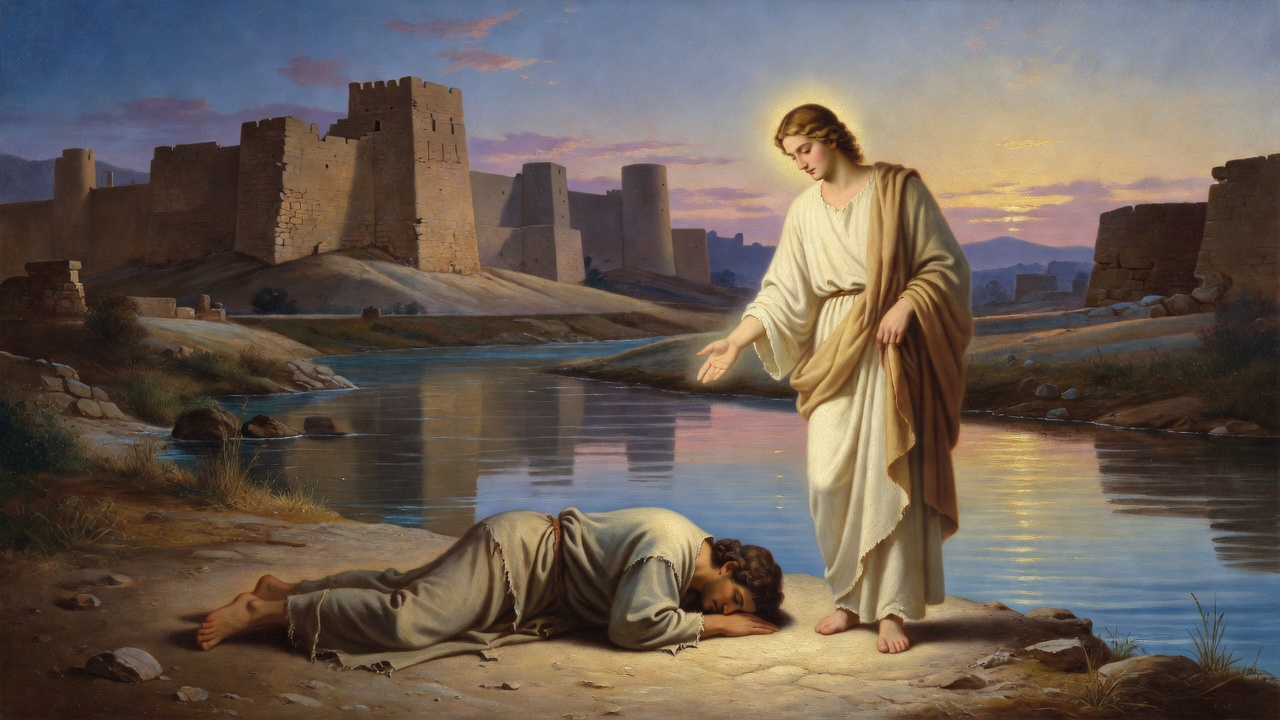
15Mí nDɑnniyɛɛri kɛ̀ nní ntoti n yɛ̀mmɛ̀ kɛ bo bɑntɛ́ dɛ kó tidɔuǹtì tu mù, kɛ̀ dɛ̀mɑrɛ̀ɛ kɔtɛní kɛ́cómmú n yììkɛ̀ kɛ dònnɛ̀ onìtì. 16Kɛ̀ n keè mɛtɑmmɛ̀ mɑmɛ̀ kukó Udɑii borɛ̀ kɛ̀ mɛ̀ pĩɛ̃kù kɛ tú: Kuyie ntɔ̃nnì Kɑbiyɛɛri, nɑ́kɛ́ onìtì yie nho dɔuǹtì tu mù. 17Kɛ̀ Kɑbiyɛɛrii kɔtɛní n cómmú dɛ̀, kɛ̀ kufɔ̃wɑɑ́ nni mpĩ́ nkɛ̀ n nínkú kɛ́sĩ́nnɔ́ɔ kɛtenkɛ̀, kòò n nɑ́kɛ́ kɛ dɔ̀: Dɑnniyɛɛri, onìtì fɔ̃́, ɑ́ nyɛ̃́ kɛ dò nhɑ yɑ̀ dɛ̀ tukúnɛ̀ yɛmɔ̀rɛ̀ sɔnyɛ nyɛ, 18kɛ́nsɔkɛ́ kɛ n nɑ́ɑ́nnɛ̀ kɛ̀ m bɑɑ sĩ́ĩ́ nkɛtenkɛ̀ bɑ́ n yí yɛ̃́ m berí ndɛ̀ kòò m pĩ́ nkɛ́íiní kɛ́cónnɛ́, 19kɛ n nɑ́kɛ́ kɛ dɔ̀: M bo dɑ dɑ́ɑ nKuyie mmiɛkɛ yó ndòmmɛ̀, dɛ̀ɛ̀ yóó dɔɔ̀ yɛmɔ̀rɛ̀ sɔnyɛ Kuyie ntɑ̃ɑ̃tɛ́ yɛ̀ mɔ̀nnì ndi. 20Dipedɑɑ̀ ɑ yɑ̀ dì nɛ̀ yɛyìè nyɛ̀dɛ́ɛ̀, dɛ̀ bɛnkú Mɛdii nɛ̀ Pɛrisi kó yɛkpɑ̀ɑ̀tìyɔ nyɛ. 21Dibɔdɑɑ̀ bɛnkú Kɛrɛsi kóo kpɑ̀ɑ̀tì nwe, diyènnì diɛrì dìì sokɛ́ di nuɔ ncuokɛ̀ dì bɛnkú okpɑ̀ɑ̀tì ketiwè nwe. 22Diyènnì dìì bɔ̀ɔ́tɛ́ kɛ̀ yɛtɛyɛ̀ yɛ̀nɑ̀ɑ̀ yɛ̀nní di kó difɔ̃̀tìrì dɛ̀ bɛnkú bɛkpɑ̀ɑ̀tìbɛ̀ bɛ̀nɑ̀ɑ̀ ndi bɛ̀ɛ̀ yóó cɔutɛ́ oketiwè, bɛ kó muwɛ̃rímú nɛ́ í yóó tuɔkɛ o kɔ̃mu. 23Bɛ kpɑ̀tì bo tuɔkɛ dìì mɔ̀nnì ti mɑ̀nku kɛ̀ bɛnitiyɛibɛ yɛi ntuɔkɛ mɛ dúònnì, kòo kpɑ̀ɑ̀tì tɛfentɛ̀ yiɛ̀ nyɛ̀nní kɛ́nnɔ nkɛ cií mbɛnìtìbɛ̀ mɛdiɛ̀. 24O wɛ̃rímú yó ndɛ́úkúmu, mù nɛ́ í yó mbonní o borɛ̀, ò bo cɑkɛ mɛdiɛ̀. Ò dɔ̀ɔ̀ri dɛ̀ɛ̀ kó dimɑ̀ɑ̀ bo nyíé ò bo nɑ kɛ́kuɔ bɛnitikperíbɛ̀, kɛ́wɛ̃nnɛ́nɛ̀ Kuyie nkɔbɛ mɔ́mmɔmbɛ. 25Ò bo nciì mɛdiɛ̀ nkɛ́nɑ kɛ́suó bɛtɔbɛ̀, nɛ̀ o kó tɛfentɛ̀ miɛkɛ ò bo kuɔ bɛnìtìbɛ̀ bɛ̀ɛ̀ do kɑri kɛ í yĩɛ̃̀kù, ò bo ndɔ́ kɛ́kpɑnnɛ̀ múnkɛ okpɑ̀ɑ̀tì diɛwè, dɛ mɔ̀nnì nɛ́ ndi bɛ̀ yóó ò kùɔmɛ̀ bɑ́ òmɔù í ò potɛ́. 26Ntɛ ɑ yɑ̀ tìì dɔuǹtì bɛnkú dɛ̀. Timɔ́mmɔnti nti, kɛ̀ tìì tukúnɛ̀ dɛyuo nnɛ̀ yɛkṹnwerɛ̀. A tì sɔ̀nnɛ ti kó yɛmɔ̀rɛ̀ kpɑɑ́ dɛ́tirìmu. 27Dɛ kó dimɔ̀nnì mí nDɑnniyɛɛri kɛ̀ dɛ̀ n yɔ̃ntɛ, kɛ̀ nní mmɔ nkɛ dɔ̀ yɛmɔ̀rɛ̀ mɑyɛ̀. N kɔ̃̀ntì tɛ̃̀ńnɛ́ dìì mɔ̀nnì kɛ̀ n wɛ̃tɛ kɛ́sɔɔtɛ́ n tɔ̃mmú okpɑ̀ɑ̀tì borɛ̀. Kɛ̀ dɛ̀ nkpɑɑ́ n kɔɔ́nnɛ̀ dɛ kó tidɔuǹtì kpɛ́í mbɑ́ m mu nyí tì bɑntɛ́.
¿Sabías que…?
La visión del carnero y del macho cabrío
- En su visión, Daniel se ve en la ciudadela de Susa, en la provincia de Elam, junto al canal de Ulai. Susa era la antigua capital de Elam, y el Ulai, llamado por los griegos Eulaus, era un río que se dividía en dos brazos cerca de la ciudad.Fuentes: el propio texto bíblico · Susa · Ulai · Elam
- Este pasaje contiene la primera mención bíblica del ángel Gabriel por su nombre propio. Se le ordena a Gabriel explicar la visión profética a Daniel, quien cae atemorizado antes de que el ángel lo ponga de pie.Fuentes: el propio texto bíblico · Gabriel
- La visión ofrece identificaciones geopolíticas explícitas: el carnero de dos cuernos representa a los reyes de Media y de Persia, mientras que el macho cabrío representa al rey de Grecia.Fuentes: el propio texto bíblico · Media · Persia · Greece
Notas escritas con ayuda de IA a partir de fuentes abiertas (Theographic Bible Metadata, CC BY-SA 4.0; Easton’s Bible Dictionary, dominio público) y revisadas antes de publicarse.
Lugares de este capítulo
- Elam · 32.189, 48.258 · versículo 2
- Susa · Hoy: Shush · 32.189, 48.258 · versículo 2
- Canaan · 32.767, 35.333 · versículo 9
- Media · 34.806, 48.516 · versículo 20
- Persia · 34.806, 48.516 · versículo 20
- Greece · 37.972, 23.727 · versículo 21
Solo aparecen lugares identificados con alta confianza (90 % o más según las fuentes académicas reunidas por OpenBible). Mapa de la época: DARE (Digital Atlas of the Roman Empire), CC BY 4.0; mapa actual: © colaboradores de OpenStreetMap; lugares: OpenBible.info (CC BY 4.0).
Créditos y licencia de esta traducción
Bibiri Kuyie Nnɑ́ɑǹtì Pɑ́tíri
The Holy Bible in the Ditammari language of Benin
copyright © 2001 SIM International
Language: Ditammari
Translation by: SIM
This translation text is made available to you under the
terms of the Creative Commons License: Attribution-Noncommercial-No Derivative Works.
( http://creativecommons.org/licenses/by-nc-nd/3.0/ )
In addition, you have permission to port the text to different file formats, as long as you
do not change any of the text or punctuation of the Bible.
You may share, copy, distribute, transmit, and extract portions
or quotations from this work, provided that you include the above copyright
information:
You must give Attribution to the work.
You do not sell this work for a profit.
You do not make any derivative works that change any of the actual words or punctuation of the Scriptures.
Permissions beyond the scope of this license may be
available if you contact
us with your request.
This translation is made available to you under the terms of the
Creative Commons Attribution-No Derivatives license 4.0.
You may share and redistribute this Bible translation or extracts from it in any format, provided that:
You include the above copyright and source information.
You do not make any derivative works that change any of the actual words or punctuation of the Scriptures.
Pictures included with Scriptures and other documents on this site are licensed just for use with those Scriptures and documents.
For other uses, please contact the respective copyright owners.
2022-05-31
Fuente: http://ebible.org/tbzsim/ · eBible.org