2 Timoteo 3
Bibiri Kuyie Nnɑ́ɑǹtì Pɑ́tíri · Toca un versículo para ver sus referencias cruzadas.
Bɛnìtìbɛ̀ yó ndòmmɛ̀ yɛwe sɔnyɛ
1Timɔntee, ɑ́ nyɛ̃́ kɛ dò ndɛ̀ yóó yonkɛmu yɛwe sɔnyɛ miɛkɛ. 2Kɛ̀ bɛnìtìbɛ̀ɛ nɑɑ́ nsinɔutɛ̃ĩ yɛmbɛ̀, kɛ́duɔ́ mbɛ yɛ̀mmɛ̀ idíítí, kɛ́nhɑ̃ yɛpɔ̀rɛ̀, kɛ́mmɔkɛ sifeí, kɛ́nsɑ̃́ɑ̃́ nKuyie. Kɛ í sɑ̃ntí bɛ̀ bɛ̀ pɑ̃ɑ̃ ndɛ̀ kpɛ́í, kɛ sènku dɛ̀ɛ̀ tu Kuyie nkpɛrɛ. 3Kɛ̀ bɛ toò kpenkɛ, kɛ̀ bɛ̀ nkpɑ mɛsémmɛ̀, kɛ nɑ́ɑntɛ bɛtɔbɛ̀ kpɛ́í, kɛ mɔkɛ kɛmiɛyonkɛ, kɛ yóù, kɛ níí mbɛnìtìbɛ̀ bɛ̀ɛ̀ dɔ̀ɔ̀ri dɛ̀ɛ̀ wenni. 4Bɛ̀ bo nfiiti bɛtɔbɛ̀, kɛ mɔkɛ kɛmiɛkɛ nɛ̀ sifeí, kɛ dɔɔri bɛ yɛ̀mmɛ̀ dɔ́mɛ̀ kɛ í dɔ́ Kuyie, 5kɛ́ndɔɔri kɛ dò mbɛ̀ tũ̀ nKuyie nkó kucɛ kɛ nɛ́ yetírí dɛ̀ɛ̀ tu bɛ̀ɛ̀ tɑ̃́ bɛ kó muwɛ̃rímú, ɑ́ yɑtɛnɛ̀ ɑmɑ́ɑ̀ dɛ kó bɛnìtìbɛ̀. 6Bɛɛ̀ kó bɛ̀mɑbɛ̀ tɑɑ̀ bɛnitipòbɛ̀ bɛ̀ɛ̀ mu nyí kpenkɛ Kuyie nkó kucɛ bɛ cɛ̃́ĩ. Dɛ kó bɛnitipòbɛ̀ mɔ̀kɛ mɛyɛi mmɛ pɛ́u kɛ í nɔ nkɛ pĩĩ mbɛmɑ́ɑ̀, 7kɛ tú bɛ̀ wɑnti timɔ́mmɔnti bɛ̀ mɛ nyí nɑ kɛ tì bɑntɛ́. 8Bɛ̀ɛ̀ mɛ ntɑɑ̀ bɛnitipòbɛ̀ cɛ̃́ĩ bɛ̀ yetɛ timɔ́mmɔnti nti, kɛ dònnɛ̀ Esibiti kó bɛnitinɔ̀mbɛ̀ Sɑnnɛsi nɛ̀ Sɑ̃mbɛɛsi bɛ̀ do yetɛmɛ̀ Mɔyiisi kpɛti, kɛ̀ bɛ yɛ̀mmɛ̀ɛ sĩntɛ kɛ̀ bɛ̀ɛ bútínnɛ́ Kuyie nkó kucɛ. 9Bɛ dɔɔ̀rìmɛ̀ mɛ nyí yó nhɑ̃ kɛ sɔri, mɛ̀ yóó feitɛ́mu kɛ́ndònnɛ̀ dɛ kó bɛnitinɔ̀mbɛ̀ kɔ̃mɛ do feitɛ́mɛ̀.
Pɔɔri nɑ̀kɛ́mɛ̀ Timɔntee ò dò nkɛ́ndòmmɛ̀
10Fɔ̃́ nTimɔntee, ɑ kèèmu n tié, kɛ yɑ̀ m borimɛ dòmmɛ̀ kɛ yĩ̀ɛ̃́tɛ́ m bɛtì mù kɛ yɑ̀ n tɑ̃́ mɛ̀ɛ̀ botí Kuyie nnɛ̀ m minnímɛ̀ nɛ̀ n dɔ́ mɛ̀ɛ̀ botí Kuyie nnɛ̀ bɛnìtìbɛ̀, nɛ̀ n fííkúmɛ̀ Kuyie nkó kucɛ miɛkɛ. 11A yɛ̃́mu bɛ̀ n fɛ̃́ũ mmɛ̀ɛ̀ botí nɛ̀ nh ɑ̀kɛ́ mɛ̀ɛ̀ botí. A yɛ̃́mu tìì n tùɔ̀kɛní Ãntiyɔsi nɛ̀ Ikɔnni nɛ̀ Disiri. N yɑ̀mu mɛfɛ̃́ṹtímɛ̀ mɛmɔu botí kɛ̀ Kuyie mmɛ nni dɛɛtɛ́. 12Bɛ̀ɛ̀ dɔ́ kɛ́ndɔɔri Kuyie ndɔ́mɛ̀ kɛ tũ nYesu Kirisi bɛ̀ yóó bɛ̀ fɛ̃́ũmmu. 13Kɛ̀ bɛnitiyonkubɛ biɛ nɛ̀ iyɑ́ɑ̀bìsítié nyɛmbɛ̀ bɛ̀ yó nsɔkɛ́mu kɛ tɑti mɛyɛi mmiɛkɛ, kɛ fétìnko bɛnìtìbɛ̀ nɛ̀ bɛmɔ́mmɔmbɛ. 14Fɔ̃́ nni mpĩ́ mbɛ̀ dɑ tié ntì kɑ̀ɑ ti yie nnɛ̀ ɑ yɛ̀mmɛ̀ mɛmɔu, ɑ yɛ̃́mu wèè tì ndɑ tié. 15A yɛ̃́mu Kuyie nnɑ́ɑǹtì nɛ̀ ɑ bɛmmɛ̀, tiì dɑ duɔ́ mmɛciì nkɑ̀ɑ yie nYesu kòò dɑ dɛɛtɛ́. 16Kuyie nkuù niitɛ́ bɛ̀ɛ̀ wɑ̃̀ri ku nɑ́ɑǹtì, kɛ̀ bɛ̀ tì wɑ̃̀ri kɛ̀ tì wenni, kɛ ti bɛnkú timɔ́mmɔnti nɛ̀ ti yɛi nnɛ̀ ti yetímɛ̀ nɛ̀ ti bo mbo mɛ̀ɛ̀ botí kɛ dɔɔri Kuyie ndɔ́mɛ̀. 17Kù mɛ̀ dɔ̀ɔ̀ kɛ̀ dɛ̀ bo yie nkɛ̀ ku kóo nìtì weè tũntɛ omɑ́ɑ̀ mɛsɑ̀ɑ̀ nkɛ́pĩ́ mmutɔ̃mmú sɑ̀ɑ̀mù.
¿Sabías que…?
Tiempos difíciles y la oposición a la verdad
- Este capítulo compara a las personas que se oponen a la verdad con Janes y Jambres. Un diccionario bíblico identifica a Janes como uno de los egipcios que resistieron a Moisés, y a Jambres como uno de los que se opusieron a Moisés en Egipto. La carta dice que, como ellos, esos opositores tienen la mente depravada y están descalificados en cuanto a la fe, y que su insensatez quedará evidente para todos.Fuentes: Jannes · Jambres · el propio texto bíblico
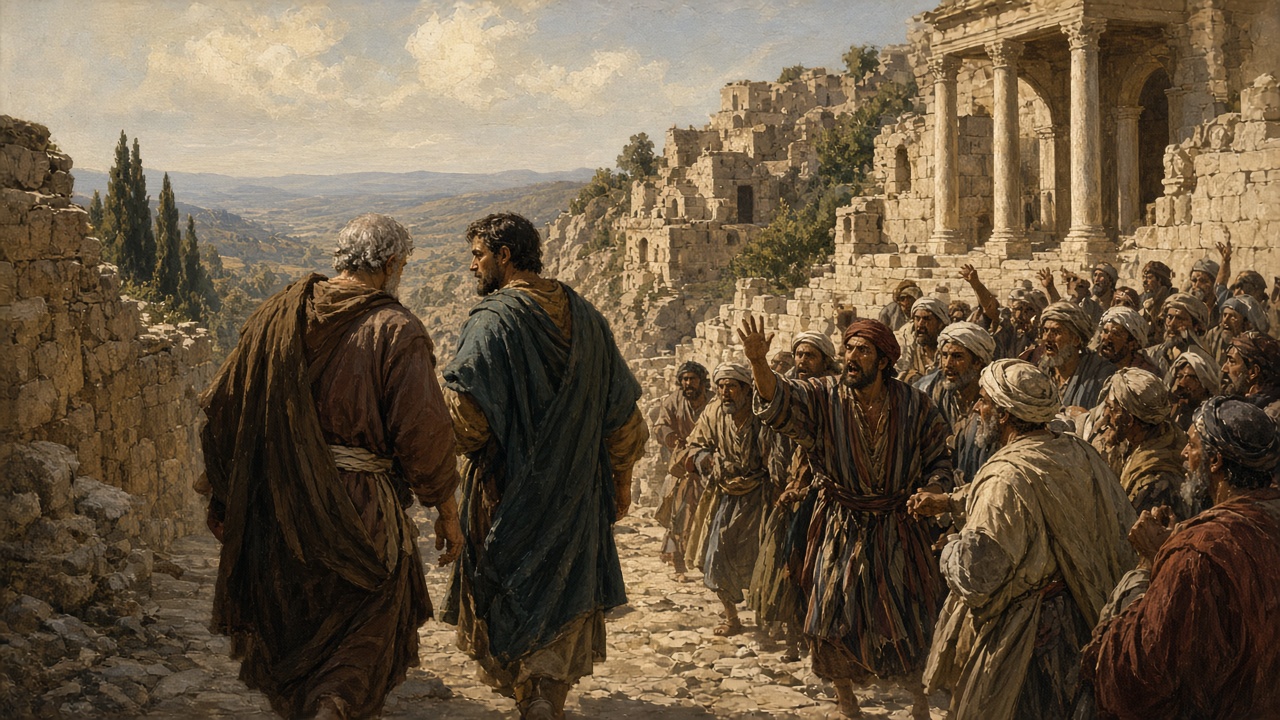
- Pablo recuerda las persecuciones y los sufrimientos que le sobrevinieron en Antioquía, Iconio y Listra, y dice que el Señor lo libró de todas esas persecuciones. En el primer viaje misionero con Bernabé, los judíos en Antioquía, en el extremo norte de Pisidia, provocaron una oposición violenta, y los dos tuvieron que irse; en Iconio fueron perseguidos por los judíos y huyeron a Listra. Iconio era la capital de la antigua Licaonia; Listra era una ciudad de Licaonia, en Asia Menor, en una región agreste.Fuentes: Antioch (Pisidia) · Iconium · Lystra · el propio texto bíblico
Notas escritas con ayuda de IA a partir de fuentes abiertas (Theographic Bible Metadata, CC BY-SA 4.0; Easton’s Bible Dictionary, dominio público) y revisadas antes de publicarse.
Lugares de este capítulo
- Antioch · Hoy: Antioch in Pisidia · 38.306, 31.189 · versículo 11
- Iconium · Hoy: Konya · 37.872, 32.492 · versículo 11
- Lystra · Hoy: Tel Lystra · 37.602, 32.338 · versículo 11
Solo aparecen lugares identificados con alta confianza (90 % o más según las fuentes académicas reunidas por OpenBible). Mapa de la época: DARE (Digital Atlas of the Roman Empire), CC BY 4.0; mapa actual: © colaboradores de OpenStreetMap; lugares: OpenBible.info (CC BY 4.0).
Créditos y licencia de esta traducción
Bibiri Kuyie Nnɑ́ɑǹtì Pɑ́tíri
The Holy Bible in the Ditammari language of Benin
copyright © 2001 SIM International
Language: Ditammari
Translation by: SIM
This translation text is made available to you under the
terms of the Creative Commons License: Attribution-Noncommercial-No Derivative Works.
( http://creativecommons.org/licenses/by-nc-nd/3.0/ )
In addition, you have permission to port the text to different file formats, as long as you
do not change any of the text or punctuation of the Bible.
You may share, copy, distribute, transmit, and extract portions
or quotations from this work, provided that you include the above copyright
information:
You must give Attribution to the work.
You do not sell this work for a profit.
You do not make any derivative works that change any of the actual words or punctuation of the Scriptures.
Permissions beyond the scope of this license may be
available if you contact
us with your request.
This translation is made available to you under the terms of the
Creative Commons Attribution-No Derivatives license 4.0.
You may share and redistribute this Bible translation or extracts from it in any format, provided that:
You include the above copyright and source information.
You do not make any derivative works that change any of the actual words or punctuation of the Scriptures.
Pictures included with Scriptures and other documents on this site are licensed just for use with those Scriptures and documents.
For other uses, please contact the respective copyright owners.
2022-05-31
Fuente: http://ebible.org/tbzsim/ · eBible.org