Mateo 9
Hudani Kielien · Toca un versículo para ver sus referencias cruzadas.
Tanhon Giesan Kunni Goudaghazho
1Ersa chon jiere khirei hai hhemiende daozhi goya chenshidene irewo. 2Ingiekude kunla nie tanhon giesan gientui ruzide qienlie Ersai shida irewo. Ersa hhelai xianxin giekui uzhedene tanhon giesan gientude kieliewo, "Gaijiu, zhughene tei, chii zuini mienliewo." 3Ingiekude giedun jinwun hanjiala zhughedene kieliezho, "Ene kun kufurei fanjizho!" 4Ersa hhela yan sumulasei mejiedene kieliewo, "Ta zhughedene yale doghunni sumulane? 5'Chii zuini mienliewo.' giese sunfan onu, 'Bosizhe yo.' giese sunfan wo? 6Kunnikewon duyade zuini mienlieku qienli bikui tande mejieghane giezho." Ingiedene tanhon giesan gientude kieliewo, "Bosidene ruzine agi, giedene echi!" 7Hhe kun bosidene giedene echiwo. 8Kunla chanladene man ayizho. Imutu fugie qienlini kunlade ogiwo giezhi Hudai kuaizho.
Mataini Uruzho
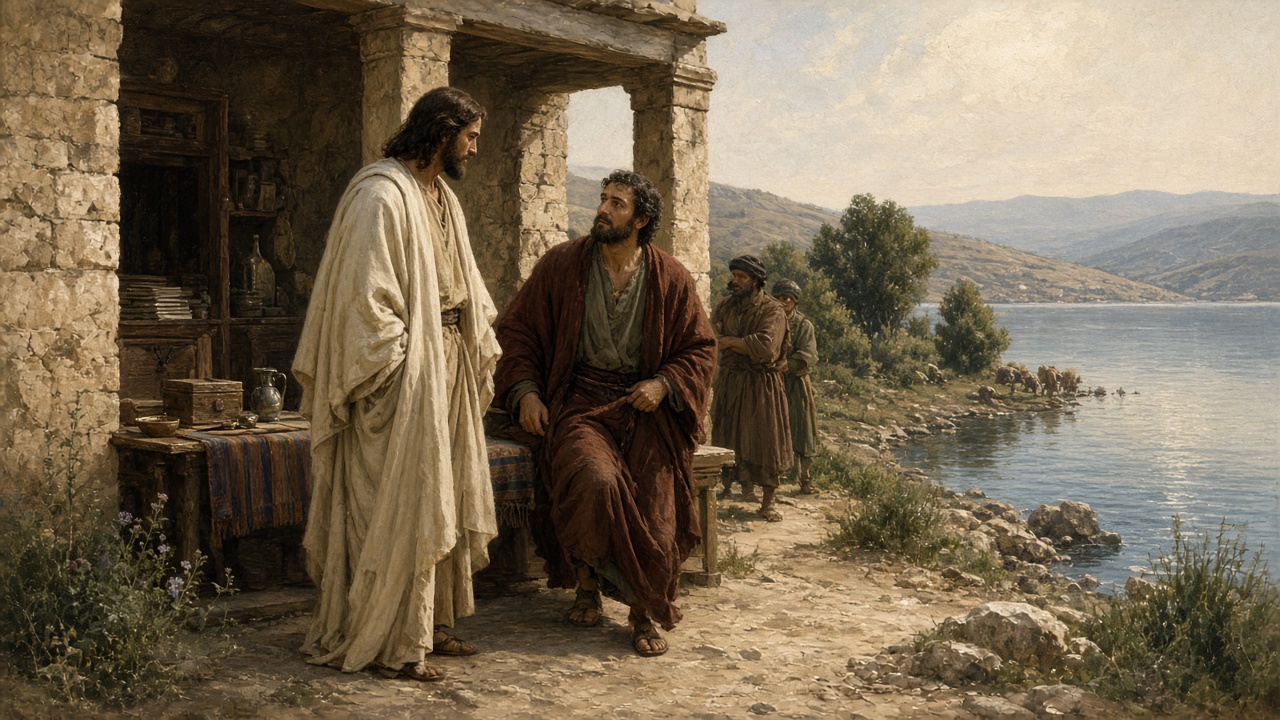
9Ersa hhense melie yose Matai giesan nie kun shui shanjisan oronde sousei chanlawo. Hhende kieliewo, "Chi mii dagha." Ingie hhe bosizhedene Ersai daghawo.
10Ersa giedera ijiekude olon shui shanjisan kun, zuirenla Ersa, Ersai tujilare man hhantu soudene ijienduzho. 11Falisai kunla chanladene Ersai tujilade kieliezho, "Tai loushi yale shui shanjisan kun, zuirenlare hhantu ijiene?" 12Ersa sonosudene kieliewo, "Gien witu kunla deifu ulie kerene, gientula deifu kerene. 13Ta echidene, 'Bi ubali xiikude xiqi wo, murede xiqi uwo.' giesan jinwun jieredu ene kielienyi isii suru. Bi gou kunlai ereile ese irezho. Zuirenlai ereile irezho."
Orozoni Shiqin
14Ingiekude Yaheiyani tujila Ersai ochirale ire kieliewo, "Bijien, pse Falisai kunla chan orozo bareizho, chii tujila yale orozo ulie bareine?" 15Ersa hhelade kieliewo, "Ghurunde iresan zhochenla shini khughon bikude matugie nango giene? Shini khughonni kunla lai echiku udu kuzhene. Hhe shihoude hhela orozo bareine. 16Shini popui khuichen jien jiere huduchen kun uwo. Qingiese hudusan oron jienni qida olughane, tanturasan pse fugiedane. 17Shini jiuni khuichen tulunde zhonlochen kun uwo. Qingie zhonlose tulun ghaluzhi jiu usuru khizhese tulunye qida olune. Shini jiuni shini tulunde zhonlose ghuala gou wo."
Noyenni Oqinji Chusun Usurusan Biereini Goudaghazho
18Ersa hhelade zhen ene kielienyi kieliekude nie huitan gonjisan kun ire papalazhi kieliewo, "Mii oqin jian duya ijiewo. Chi yodene hhei jiere khane teizhi onxian giema, hhe aminne olune." 19Ersa bosizhedene tujilarene hhantu hhei daghazhi echiwo.
20Zhen qingiekude nie chusun usuruzhi 12 nien olusan bierei Ersai khuina iredene jien ghizhaseni nie maqiwo. 21Hhe " Ersai jienni nie maqise gienni goudane." giezhi zhughedene sumulazho. 22Ersa ochira daozhe hhei uzhezhi kieliewo, "Funi, zhughene tei! Chii xianxin gieku chii jiuiwo." Hhe shihoude bierei goudawo.
23Ersa gonjisan kunni giede kuruse kunla fugusan kunde xiu feiliezhi lon chouisei chanlawo. 24Ingie kieliewo, "Daodu. Oqin ese duya ijiezho, hhunturazho." Ingiese hhela Ersai uzhezhi xiniezho. 25Kunlai khighadene Ersa oro echi oqinni khase nie laise oqin bosizhewo. 26Ene xioxi hhe oronde man chonji kuruwo.
Ghua Sughoi Goudaghazho
27Ersa hhense melie yose ghua sugho hhei daghadene waradazho, " Dawudeni houdei, bijiende ubali nie xii!" 28Ersa giedera orose sughola hhei melie irewo. Ersa kieliewo, "Bi ene shiqinyi gie shidakui ta xianxin gienu?" Hhela kieliewo, "Ezhan, bijien xianxin giene!" 29Ersa hhelai nudunyi moizhi kieliewo, "Ta xianxin giesan mutun gholu gie." 30Ingiese hhelai nudun goudawo. Ersa hhelade hende fenfulazhi, "Ta ene shiqinyi kunlade bu mejiegha." giewo. 31Ingieliuzhe hhela khizhi echidene Ersai xioxii hhe oronde man chonji kurughawo.
Yabani Goudaghazho
32Hhela khizhi echikude kunla nie sheitan heisan yabai Ersai shida uduru irewo. 33Sheitanni touzhi khighase yaba kielien kielie qiiwo. Kunla man ghanirazhi kieliewo, " Isiliede intu shiqin uzhezhi ese daowo!" 34Falisai kunla kieliezho, "Hhe sheitanni touzii kouizhi sheitan touzho."
Olon Kunlade Ubali Xiizho
35Ersa go chenshi, aghinlai yo baraghazhi hhelai huitanlade kunlade sughazhi asiman gojiani gouxioxini chonjizho. Yanyanji gien nouzhi giemeresanlai goudaghazho. 36Olon kunlai chanladene ubali xiizho. Hhela kunnan wo, banman giechen uwo. Ghonide asuchi uwokughala niekielien wo. 37Ingie tujiladene kieliewo, "Zhonjia olon wo, wiliechi choghon wo. 38Ta zhonjiani ezhanyi xiahua giezhi wiliechilai peidene zhonjiane ghuragha gie."
¿Sabías que…?
Misericordia, curación y vino nuevo
- Mateo, hijo de Alfeo, era publicano, es decir, recaudador de impuestos, en Cafarnaúm. Jesús, al subir desde la orilla del lago, pasó por el puesto de impuestos donde Mateo estaba sentado y le dijo: “Sígueme”. Antes se lo conocía como Leví; ese mismo día ofreció un gran banquete, descrito como una despedida, a Jesús, a los discípulos y, probablemente, a muchos de sus antiguos compañeros.Fuentes: Matthew · el propio texto bíblico
- Quienes preguntan por qué ellos y los fariseos ayunan tan a menudo, mientras los discípulos de Jesús no ayunan, son discípulos de Juan el Bautista. A Juan se lo llama el precursor; era de linaje sacerdotal, su padre Zacarías sacerdote del turno de Abías y su madre Elisabet una de las hijas de Aarón.Fuentes: John the Baptist · el propio texto bíblico
- Una cronología sitúa la curación del paralítico, el llamado de Mateo, la pregunta sobre el ayuno y la parábola de los odres en el año 28 d. C.Fuentes: Healing the Man with Palsy · Jesus Calls Matthew · Fasting Question · Parable of the Winseskins
Notas escritas con ayuda de IA a partir de fuentes abiertas (Theographic Bible Metadata, CC BY-SA 4.0; Easton’s Bible Dictionary, dominio público) y revisadas antes de publicarse.
Lugares de este capítulo
- Sea of Galilee · 32.819, 35.590 · versículo 1
Solo aparecen lugares identificados con alta confianza (90 % o más según las fuentes académicas reunidas por OpenBible). Mapa de la época: DARE (Digital Atlas of the Roman Empire), CC BY 4.0; mapa actual: © colaboradores de OpenStreetMap; lugares: OpenBible.info (CC BY 4.0).
Créditos y licencia de esta traducción
Hudani Kielien
The New Testament in the Dongxiang language of China: Hudani Kielien
Copyright © 2020-2024 River Street Publishing
Language: (Dongxiang)
Contributor: Wycliffe Bible Translators, Inc.
This translation is made available to you under the terms of the
Creative Commons Attribution Share-Alike license 4.0.
You have permission to share and redistribute this Bible translation in any format and to make reasonable revisions and adaptations of this translation, provided that:
You include the above copyright and source information.
If you make any changes to the text, you must indicate that you did so in a way that makes it clear that the original licensor is not necessarily endorsing your changes.
If you redistribute this text, you must distribute your contributions under the same license as the original.
Pictures included with Scriptures and other documents on this site are licensed just for use with those Scriptures and documents.
For other uses, please contact the respective copyright owners.
Note that in addition to the rules above, revising and adapting God's Word involves a great responsibility to be true to God's Word. See Revelation 22:18-19.
2025-07-02
Fuente: http://ebible.org/sce/ · eBible.org