1 Tesalonicenses 4
Hudani Kielien · Toca un versículo para ver sus referencias cruzadas.
Hudai Bayasughazhi Gie
1Ingiese gaijiula, zuihoude kielieye, Ezhan Ersai miende bijien tai xiahua giezhi tande sughazhi kielieye. Ta bijiense surusan mutun Hudai bayasughazhi gie. Ta ijin giezhoma, pse ologhoni izhigie gie. 2Bijien Ezhan Ersai qienlighala tande yan minlin ogisei ta mejiene. 3Hudai isishi ene wo, tai zhiguini gholughane giezho. Lon kijieku, pse qimutu zuilase gholode beighazhi 4jien kunde goya beyene hanshiliezhi ganjin, zhiguide giekuni mejieghane. 5Hudai tani dasan niman kun mutun lon gieku nefuxinni daghazhi hu ulie gieghane. 6Ene shiqin jiere xianxin giesan gaijiulade piendazhi pienyi bu zhanji. Bijien melieshi tande kieliezhi hende jingao giesan mutun Ezhan qimutu zui fanjisan kunlai faine. 7Huda matanyi urukushi ganjin wini bu giezhi, zhiguide gie giezho. 8Ingiese ene sughasei ulie chenliechen kunshi kunni ulie chenlieku pusho, tande goya Shenlinne ogisan Hudai uye chenliezho.
9Gaijiulade oreku shiqinni kieliese tande xin huaiku biyo uwo. Nieniedene orekuni ta goyane Hudase suruzho. 10Ta Maqidunni gaijiulade man shuhua ingiezhi giezho. Gaijiula, bijien tande xiahua gieye, ta pse ologhonni gie. 11Bijien tande fenfulasan mutun ta xiacha giezhi udune nanrande daogha. Goya shiqinlane gonji. Khaghalane wilielai gie. 12Qingiese ghadanedu kun ta giesanlai uzhese zunzhun giene, taye kiemade ulie kouine.
Ezhan Xiajian Gieku
13Gaijiula, bijienyi duranshi hhe fugusan kunlai shiqinni ta mejiese gou wo. Ingiese hhe xiwon wichen kun mutun zhughetai ulie otune. 14Matan Ersa duya ijiedene aminne olusanyi xianxin giese Ersai xianxin giedene duya ijiesan kunlai Huda Ersaghala hhantu udurukuiye xianxin giene. 15Bijien Ezhanyi kielienyi tande kielieye. Ezhan pse irekude matan amitu kun hhe fugusan kunlase melieshida dane. 16Nie minlin xiaise fugie qienxien waradazhi Hudai labai shenqi dunda Ezhan asiman jierese qinsi irene. Ingiekude Mexihani xianxin giedene fugusan kun xien aminne olune. 17Ingiedene bijien amitu kunyi hhelare hhantu olien jiere deila echi asiman jiere Ezhanyi ochirane. Ingiedene chanqi Ezhanre hhantu soune. 18Ingiese ta enezighan kielienghala nieniedene surughazhi kielie.
¿Sabías que…?
Santidad, amor y esperanza por los que murieron
- Este capítulo señala que sus lectores ya mostraban amor a todos los hermanos por toda Macedonia. En tiempos del Nuevo Testamento, Macedonia era una provincia romana situada al norte de Grecia, gobernada por un propretor con el título de procónsul. Pablo fue llamado por una visión del "hombre de Macedonia" para predicar el evangelio allí.Fuentes: el propio texto bíblico · Macedonia
- El capítulo habla de los muertos como personas que duermen o se durmieron, y pide a los lectores que no se entristezcan como los demás, que no tienen esperanza. Porque Jesús murió y resucitó, dice el texto, Dios traerá con Jesús a los que durmieron en él; los muertos en Cristo resucitarán primero, y luego los que aún vivan serán arrebatados con ellos en las nubes para encontrarse con el Señor en el aire.Fuentes: el propio texto bíblico
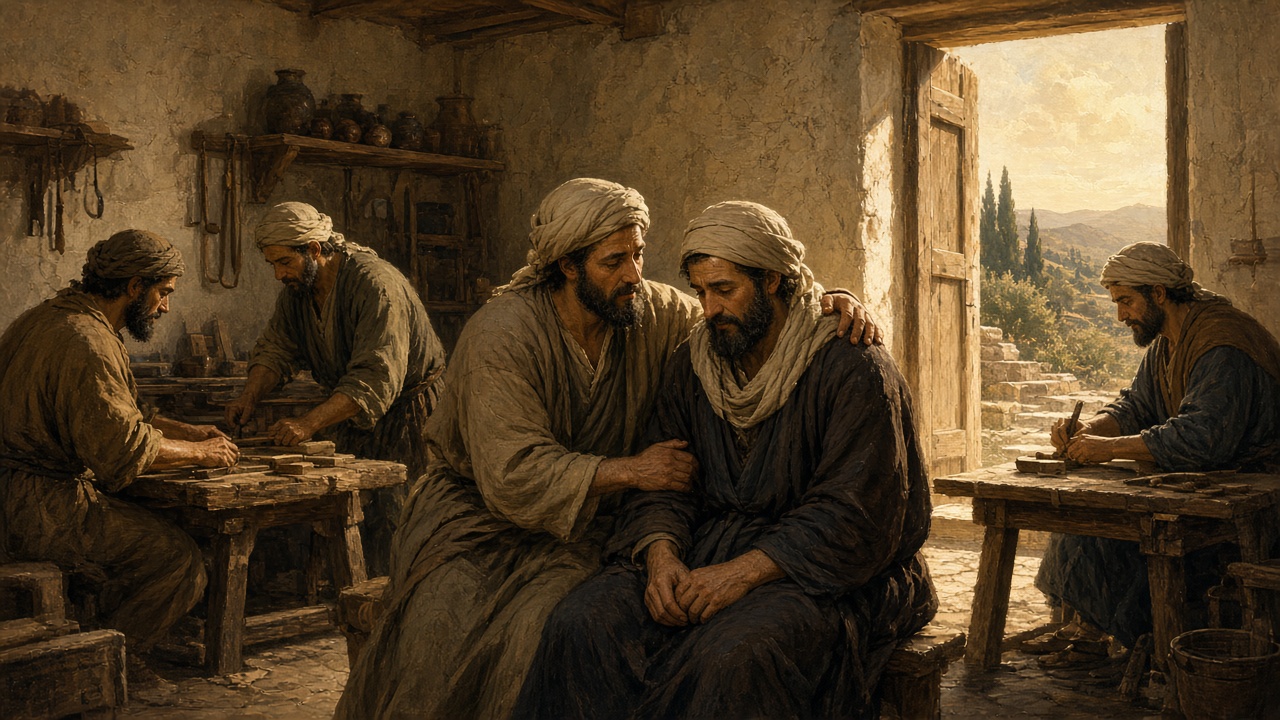
- Se exhorta a los lectores a aspirar a una vida tranquila, a ocuparse de sus propios asuntos y a trabajar con sus propias manos, como ya se les había instruido. El capítulo presenta esto como la manera de comportarse debidamente ante los de afuera y de no depender de nadie.Fuentes: el propio texto bíblico
Notas escritas con ayuda de IA a partir de fuentes abiertas (Theographic Bible Metadata, CC BY-SA 4.0; Easton’s Bible Dictionary, dominio público) y revisadas antes de publicarse.
Lugares de este capítulo
- Macedonia · 41.600, 22.540 · versículo 10
Solo aparecen lugares identificados con alta confianza (90 % o más según las fuentes académicas reunidas por OpenBible). Mapa de la época: DARE (Digital Atlas of the Roman Empire), CC BY 4.0; mapa actual: © colaboradores de OpenStreetMap; lugares: OpenBible.info (CC BY 4.0).
Créditos y licencia de esta traducción
Hudani Kielien
The New Testament in the Dongxiang language of China: Hudani Kielien
Copyright © 2020-2024 River Street Publishing
Language: (Dongxiang)
Contributor: Wycliffe Bible Translators, Inc.
This translation is made available to you under the terms of the
Creative Commons Attribution Share-Alike license 4.0.
You have permission to share and redistribute this Bible translation in any format and to make reasonable revisions and adaptations of this translation, provided that:
You include the above copyright and source information.
If you make any changes to the text, you must indicate that you did so in a way that makes it clear that the original licensor is not necessarily endorsing your changes.
If you redistribute this text, you must distribute your contributions under the same license as the original.
Pictures included with Scriptures and other documents on this site are licensed just for use with those Scriptures and documents.
For other uses, please contact the respective copyright owners.
Note that in addition to the rules above, revising and adapting God's Word involves a great responsibility to be true to God's Word. See Revelation 22:18-19.
2025-07-02
Fuente: http://ebible.org/sce/ · eBible.org