1 Timoteo 6
Biblija tu limba Rrãmãnã · Toca un versículo para ver sus referencias cruzadas.
1Tuts tsi sãntu sum giuglu a sclãvililjei si lji lugurseascã nicuchirlji a lor axii ti itsi tinjii, tsi numa a Dumnidzãlui sh-nvitsãtura a noastrã nu si s-ngiurã. 2Shi atselji tsi li au nicuchirlji pistimenji, s-nu lji atimuseascã cã sãntu frats, ma s-lã servireascã sh-ma ghini, cã atselji tsi au hãiri di lucrul a lor sãntu pistimenji sh-vruts.
Nvitsãtori Arãdioshi sh-Vrearea trã Pãradz
Nveats-lã aeasti lucri sh-dimãndã-lã. 3Macã vãrã nveatsã unã nvitsãturã altã shi nu ascultã zboarili atseali sãnãtoasi a Domnului a nostru Isus Hristos sh-nvitsãtura dupã dumnidzãsirea, 4elu easti fudul shi nu shtii tsiva. Elji va ma multu debatsili shi ncãcearili cu zboari, di-la cai s-amintã zilia, ncãcearea, ngiurãrili, shubeili atseli arãli, 5debatsili di geaba a oamnjilor cu minti asparti shi guliti di alihea, tsi minduescã cã dumnidzãsirea easti trã amintari. 6Ma dumnidzãsirea adutsi un mari amintatic, macã omlu s-hãrseashti cu atsea tsi ari. 7Cã noi nu avem adus tsiva tu aestã dunjauã, sh-nu va-lom tsiva cu noi. 8Macã avem s-mãcãm shi s-nã nvishtem, s-himã hãrãstisitã cu aestã. 9Ma atselji tsi vor si s-facã avuts, cad tu cãrteari, tu cearc sh-tu multi orixi ni-minduiti sh-zãrãsiti, tsi li afundusescu oaminjilji tu cãdeari sh-aspãrdzeari. 10Cã vrearea di pãradzi easti rãdãtsina a tut arãlilor, shi avãnda orixi multã, niscãntsi s-dipãrtarã di pisti sh-pãtsãrã multi dureari.
Dimãndãciunili di Soni Cãtrã Timoteu
11Ma tini, omlu a Dumnidzãlui, dipãrteadzã-ti di aesti sh-urmeadzã ndriptatea, dumnidzãsirea, pistea, vrearea, arãvdarea shi muljeatsa-a-inimãljei. 12Alumtã-ti trã alumta atsea buna a pistãljei. Ambratsãsea bana eternã, tu cai ti acljimarã sh-trã cai ai datã bunã mãrtirii trã pistea nãintea a mults martirii. 13Ma ti spigiurã nãinti a Dumnidzãului, cai da banã a tutulor shi nãinti a Hristolui Isus, tsi deadi unã mãrtirii bunã nãintea al Pontius Pilat, 14s-lu veaglji aestã dimãndãciuni fãrã damcã sh-cusuri, pãnã cãndu s-aspunã Domnul a nostru Isus Hristos. 15Elu tu chirolu tsi lipseashti va si s-aspunã di Dumnidzãlu, ghinicuvãntatlu shi singurlu Domnitor, Amirãlu a amirãrilor shi Domnul a domnilor. 16Elu singur u ari nimurirea shi sta tu lunjinã niaprucheatã, tsi nitsiun nu u ari vidzutã pute shi nu poati s-u veadã. Atsilui s-lji hibã tinjia shi putearea eternã! Amen.
17Dimãndã-lã avutslji a lumiljei aishtei s-nu hibã pirifanj, shi s-nu nãdãeascã la ayishtearea tsi easti nisigur, ma tu Dumnidzãlu, tsi nã da cu multeatsã itsido s-nã hãrseascã. 18Dimãndã s-facã ghinetsi, si s-facã avuts cu fapti buni, s-hibã giumertsã sh-etinji trã dari, 19adunãnda ca ayishteari un bun thimeljiu trã yinitura, tsi s-agiundzemu bana alihioasã.
20Timote, veaglji atsea tsi tsã s-ari pistipsitã, firinda di zboarili atseali di geaba sh-lumeshti sh-di cuntrãrili atsiljei tsi cu nindriptati (gabimisht) s-acljeami shtiintsã, 21tsi lu ambrãtsisirã niscãntsi shi ishirã di pisti.
Harul s-hibã cu voi!
¿Sabías que…?
Piedad, contentamiento y el encargo a Timoteo
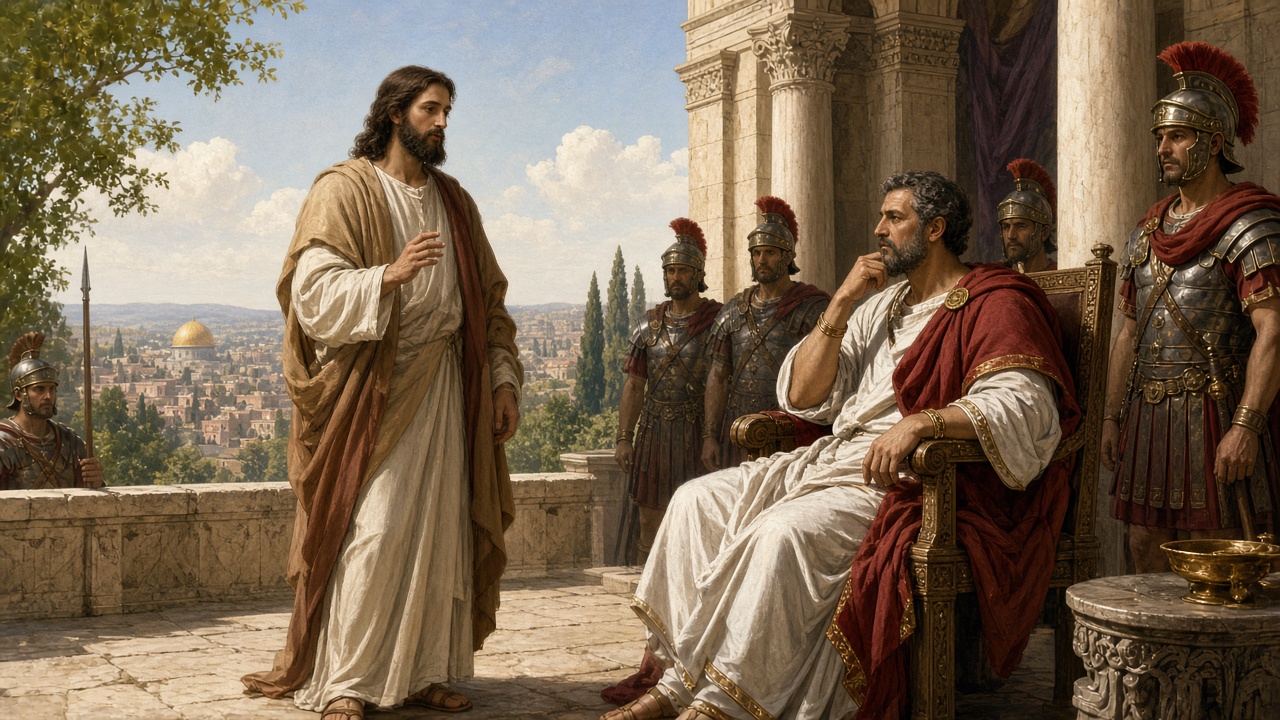
- La solemne exhortación de este capítulo recuerda que Cristo Jesús hizo la buena confesión en su testimonio ante Poncio Pilato. Pilato fue el sexto procurador romano de Judea, del 26 al 36 d.C., con sede en Cesarea, aunque subía con frecuencia a Jerusalén; su tiempo en el cargo abarcó los ministerios de Juan el Bautista y de Jesús, y su nombre se recuerda sobre todo en relación con el juicio de Jesús.Fuentes: el propio texto bíblico · Pontius Pilate
- El capítulo se dirige a Timoteo como hombre de Dios y le dice que guarde lo que le ha sido confiado. El nombre Timotheus significa honrar a Dios. Era un joven discípulo y compañero de Pablo en muchos viajes; su madre, Eunice, y su abuela, Loida, se mencionan como eminentes en piedad, y su padre era griego.Fuentes: el propio texto bíblico · Timotheus
Notas escritas con ayuda de IA a partir de fuentes abiertas (Theographic Bible Metadata, CC BY-SA 4.0; Easton’s Bible Dictionary, dominio público) y revisadas antes de publicarse.
Créditos y licencia de esta traducción
Biblija tu limba Rrãmãnã
Portions of the Holy Bible in the Aromanian prestige dialect spoken in central and southern Albania.
copyright © 2024 The Word for the World International
Language: Armãneashti/Arumanisht
Contributor: The Word for the World Europe
Bibla Aromaneshti Frasherot dit Arbenishi
The Word for the World International 2024
www.twftw.org
Aromaneshtli Frasherot easti un din dialectili a limbaljei proto-latine balcanica tsi s-greashti ma multu tu teritorlu a Republicaljei dit Albania, tu Nordul Grecie, tsi s-acljeama Epiru shi tu niscants locurili a Republicaljei dit Nord Machidunia etc. Armanjilji dit Albania, dit Nord Machidunia poati s-lu ghavaseascu textul scriat.
Aromanian Frasherot Bible of Albania
Aromanian Frasherot belongs to the dialects of the Proto-Latin Balkanic language spoken mainly in the territory of the Republic of Albania and of Northern Greece, which was called Epirus and in some other pockets in the Republic of North Macedonia, etc. Aromanians from Albania, and the Republic of North Macedonia can read and understand the printed text.
Bibla Arumune Frasherot e Shqiperise
Arumanishtja Frasherote iu përket dialekteve te gjuhes proto-latine ballanike te folur të folur kryesisht në teritorin e Republikës se Shqiperise dhe te Greqise Veriore, qe quhej Epir dhe ne disa xhepa te tjere ne Republiken e Maqedonise se Veriut etj. Arumunët e Shqiperisë, te Republikës se Maqedonise se Veriut mund të lexojnë dhe kuptojnë tekstin e shtypur.
This translation is made available to you under the terms of the
Creative Commons Attribution Share-Alike license 4.0.
You have permission to share and redistribute this Bible translation in any format and to make reasonable revisions and adaptations of this translation, provided that:
You include the above copyright and source information.
If you make any changes to the text, you must indicate that you did so in a way that makes it clear that the original licensor is not necessarily endorsing your changes.
If you redistribute this text, you must distribute your contributions under the same license as the original.
Pictures included with Scriptures and other documents on this site are licensed just for use with those Scriptures and documents.
For other uses, please contact the respective copyright owners.
Note that in addition to the rules above, revising and adapting God's Word involves a great responsibility to be true to God's Word. See Revelation 22:18-19.
2025-07-02
Fuente: http://ebible.org/rup/ · eBible.org