Apocalipsis 7
Yesu Kerisoné So Whi̧ Tao Sere Kisi Fo Wisi · Toca un versículo para ver sus referencias cruzadas.
144,000 so whi̧ sirirale fo
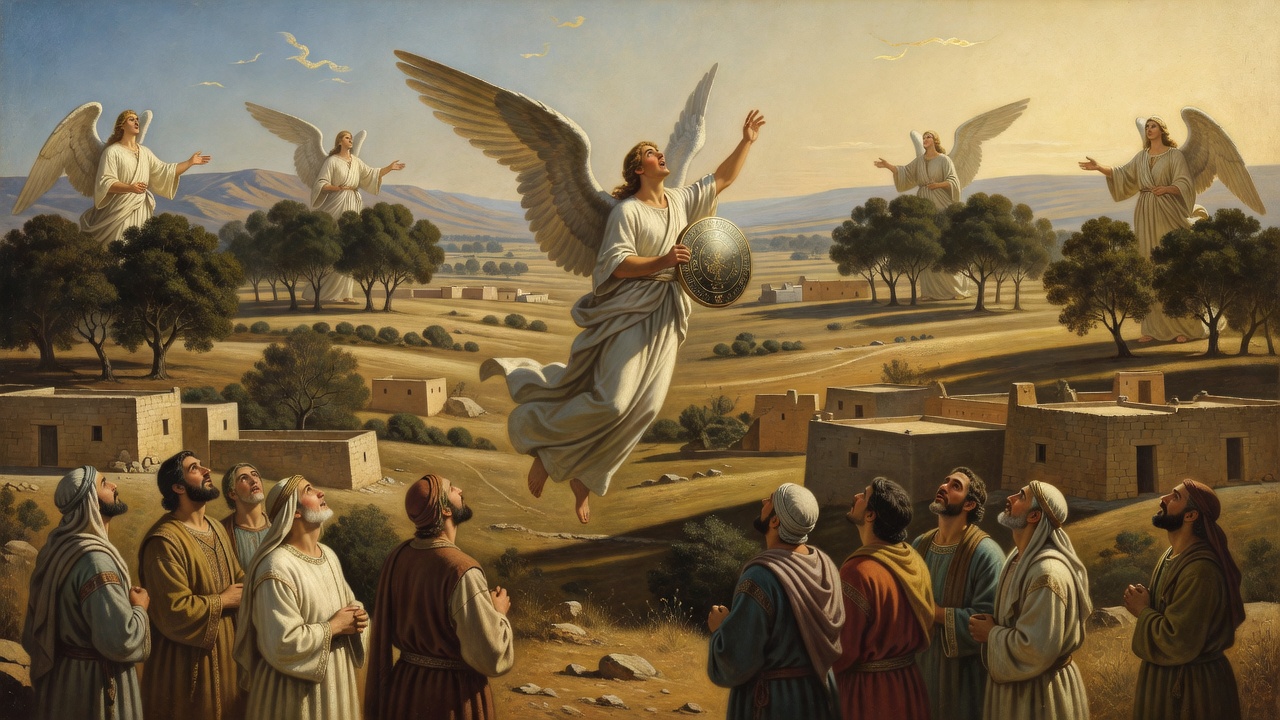
1Ai ala yóló ki̧lipaae i dou̧ró hae kwiamó dou̧ró ensel doko̧ yóló daapa kelalepó. Atéró daalu, haepaaekélé, doasi wȩi kȩlapaaekélé, besȩ́ tiki wao̧sóró, atima doko̧ feané sesétu beterepó. 2Atéró, ensel me kae suka hoteró ȩ daalepaae wou betepa kelalepó. Ai ensel-né mo ti betere Kótóné siriró betere o̧la tarepó. Ai ensel-né haekélé, wȩi kȩlakélé, doraaire fotoko̧ bole dou̧ró ensel-rapepaae fo fakeyóló duraalu, “Kótóné kutó diratere so whi̧né kutirimó siripi eraaipa, hae tikikélé, wȩi kȩlakélé, nirapekélé, hapale doréni kaae tawae,” yalepó. 4Ai sirirale so whi̧ dosa̧atepa ya̧lo wosaletei i ape. 144,000 so whi̧ta, Israel fakerapetórótipó.
5Juda fake dosa̧ayóló sirirale so whi̧ doko̧ sóró touróturaalu 12,000-rópó.
Ruben-né fake touróturaalu 12,000,
Kad-né fake touróturaalu 12,000,
Aser-né fake touróturaalu 12,000,
Naptaliné fake touróturaalu 12,000,
Manasené fake touróturaalu 12,000,
Simeon-né fake touróturaalu 12,000,
Lipainé fake touróturaalu 12,000,
Isakar-né fake touróturaalu 12,000,
Sepulun-né fake touróturaalu 12,000,
Josep-né fake touróturaalu 12,000,
Benjamin-né fake touróturaalu 12,000-rópó.
So whi̧ ha̧le o̧la kaae dȩi kuti deróló daae mole fo
9Ai ala yóló kemetepa kese faralemó, so whi̧ mo ha̧le o̧la kaae daae molepó. Ai daae mole so whi̧ta, beta̧ be huluamó maaté wenipó. Kae kae Gavman-né tȩteróló kaae tare so whi̧kélé, kae kae tiki daale so whi̧kélé, kae kae be fo bole so whi̧kélé, kae kae fake so whi̧kélé, kale tȩteróló kaae tare tikimó mole searó Sipsip hupu maletamo betere hosaamó daae mupa kelalepó. Atéró daae mulu, dȩi deróló sókó fatere kutirape deróo, olóu da̧arape tawóo erepó. 10Téró, ai daae mole so whi̧né doasi fo fakeyóló duraalu,
“Tȩteróló kaae tare seamó betere Kótóró Sipsip hupu maletamoné da̧ mo ti aluyao̧sóró tao su betere beteta, mo atimaamotórótipó,” yalepó.
11Ai daae mole ensel-rape fea, tȩteróló kaae tare doasi betere tikikélé, kale whi̧ disirapekélé, kale dou̧ró betere o̧larapekélé, bopéróló daae molepó. Tȩteróló kaae tare doasi betere sea molepaae fetée fóló, Kótó betere ao̧mó deraapisa fóló fió mulu duraalu,
12“Mo dapó.
Téyó̧póló yae! yóló, hale sóró horatere alakélé, mo dȩi ala wisikélé, tuȩ́ tiki fosó fosó yóló dotoróȩ fole alakélé,
mo kée du betere alakélé,
doakale doi muló̧póló du betere alakélé,
fea ala yaaire fotoko̧ su̧mó bole alakélé
da̧ tȩteróló kaae tare Kótópaae betere doko̧ fea yó tanó̧póló yae.
Mo kée. Téyó̧póló yae!” du betalepó.
13Téró, kale tȩteróló kaae diliki yó mole whi̧ disirapekó beta̧né ȩpaae woseturaalu, “I dȩi fo̧lo kuti deró betere so whi̧rape-a, demaaté? Mopaae wale so whi̧é?” yóló wosalepó.
14Ti fo depa ya̧lo a̧paae tokó̧ mótu duraalu, “Doa whi̧-ó, naao ai tuȩ́re ape,” depa, kale sekȩ́né ȩpaae duraalu, “I daae mole so whi̧ atimata, doasi sekȩi ala ha̧le beleté waleteiné atima deró betere kutikélé Sipsip hupu male sameané fokale tikimó mo dȩ ai erapa kelere? 15Atéyale tikimó,
‘Tȩteróló kaae tare Kótó ama seamó betepa, atima a̧ beterepaae kese anóló bitu, ama momatere bemó mole ala dȩtamokélé, dikitamokélé, ha̧le erótu beterapó. Até du betepa, tȩteróló kaae tare doasi a̧ betere tikimó bituraalu, ama atima wisiyóló beteró̧póló, kuti be tȩnótu betaalopó.
16Atéru, wote dere alaró wȩi nokole dere alatamo momó kae yaalomei ai ape.
Suka supunékélé, mo ha̧le supunékélé atimané tiki mo doraalomeipó.
17Ti noatepae, tȩteróló kaae tare doasi betere tua̧mó daale Sipsip hupu maleta, hupu kaae tare whi̧né dere kaae, atima mo wisi yóló kaae tarapó.
Atima dape sóró mo ti betere bete tua̧mó wó tare wȩi nó̧póló a̧lisóró faalo ai ape.
Atéró betepa, Kótóné atima kelemó dorowou betere wole kaape fea helekó̧ló kópuraalopó,’” yalepó.
¿Sabías que…?
Las tribus selladas y la gran multitud
- Apocalipsis 7 presenta el número de los sellados como 144,000, doce mil de cada una de las tribus de Israel nombradas en el capítulo. Israel era otro nombre de Jacob, el segundo de los hijos gemelos de Isaac y Rebeca; el Easton's Bible Dictionary (1897) explica el nombre de Jacob como alguien que sigue los talones de otro, o un suplantador.Fuentes: el propio texto bíblico · Jacob (Israel)
- Aunque Rubén era el hijo mayor de Jacob y Lea, la lista de los sellados comienza con Judá y luego nombra a Rubén. La lista incluye también tanto a José como a Manasés; Manasés era el hijo mayor de José, y Jacob lo adoptó a él y a su hermano Efraín como hijos propios.Fuentes: el propio texto bíblico · Reuben · Manasseh (son of Joseph)
- Después del sellado, la visión muestra una multitud demasiado grande para contarse, de toda nación, tribu, pueblo y lengua, de pie ante el trono y el Cordero, con vestiduras blancas y ramas de palma en las manos. Uno de los ancianos dice que han salido de la gran tribulación y han lavado sus vestiduras, dejándolas blancas en la sangre del Cordero.Fuentes: el propio texto bíblico
Notas escritas con ayuda de IA a partir de fuentes abiertas (Theographic Bible Metadata, CC BY-SA 4.0; Easton’s Bible Dictionary, dominio público) y revisadas antes de publicarse.
Créditos y licencia de esta traducción
Yesu Kerisoné So Whi̧ Tao Sere Kisi Fo Wisi
The New Testament in the Falopa Language of Papua New Guinea
copyright © 2005 Wycliffe Bible Translators, Inc.
Language: (Folopa)
This translation is made available to you under the terms of the
Creative Commons Attribution-No Derivatives license 4.0.
You may share and redistribute this Bible translation or extracts from it in any format, provided that:
You include the above copyright and source information.
You do not make any derivative works that change any of the actual words or punctuation of the Scriptures.
Pictures included with Scriptures and other documents on this site are licensed just for use with those Scriptures and documents.
For other uses, please contact the respective copyright owners.
2009-10-31
Fuente: http://png.bible/ppo/ · eBible.org