Malaquías 4
De Heilige Schrift, Petrus Canisiusvertaling, 1939 · Toca un versículo para ver sus referencias cruzadas.
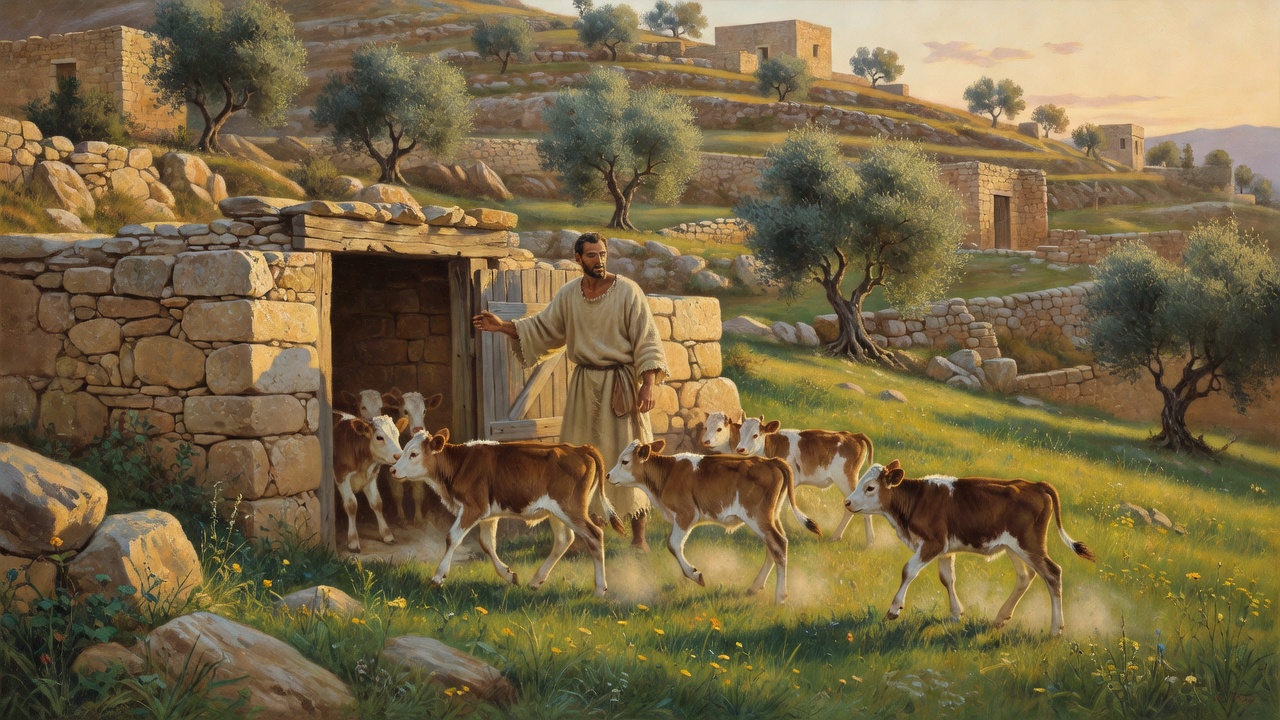
1Want zie, de Dag gaat komen, die brandt als een oven! Al de opstandigen en boosdoeners worden als kaf, en de Dag, die gaat komen, steekt ze in brand, spreekt Jahweh der heirscharen, en laat er wortel noch tak van over. 2Maar voor u, die mijn Naam vreest, zal de zon der gerechtigheid opgaan, die genezing in haar wieken draagt. Als kalveren uit de stal zult gij uitgaan en dartelen, 3en de goddelozen vertrappen; want zij zullen als stof zijn onder de zolen van uw voeten, op de dag dat Ik handelend optreed, spreekt Jahweh der heirscharen! 4Denkt dus aan de wet van Moses, mijn dienaar, wien Ik op de Horeb mijn bevelen en voorschriften voor heel Israël heb gegeven. 5Zie, Ik zal u den profeet Elias zenden, voordat de grote en ontzaglijke Dag van Jahweh komt. 6Hij zal het hart der vaders voor de kinderen winnen, het hart der kinderen voor hun vaders; anders kom Ik, en sla het land met de ban!
¿Sabías que…?
El Día del Señor y la Promesa de Elías
- Malaquías exhorta a Israel a recordar la ley dada a Moisés en el monte Horeb. Horeb es una designación bíblica para la cordillera donde se encuentra el monte Sinaí, lugar donde los israelitas acamparon y recibieron estatutos y ordenanzas.Fuentes: el propio texto bíblico · Horeb · Moses
- El pasaje concluye con la promesa de que el profeta Elías será enviado antes del gran Día del Señor para reconciliar a padres e hijos. En la narrativa bíblica, Elías fue un profeta de Tisbe que transmitió mensajes durante el reinado del rey Acab.Fuentes: el propio texto bíblico · Elijah
- Malaquías utiliza imágenes agrícolas vívidas para describir el juicio y la restauración, contrastando a los malhechores reducidos a rastrojo en el fuego con los fieles, comparados con terneros que saltan de júbilo al salir del establo.Fuentes: el propio texto bíblico
Notas escritas con ayuda de IA a partir de fuentes abiertas (Theographic Bible Metadata, CC BY-SA 4.0; Easton’s Bible Dictionary, dominio público) y revisadas antes de publicarse.
Lugares de este capítulo
- Mount Horeb · Hoy: Jebel Musa · 28.540, 33.973 · versículo 4
Solo aparecen lugares identificados con alta confianza (90 % o más según las fuentes académicas reunidas por OpenBible). Mapa de la época: DARE (Digital Atlas of the Roman Empire), CC BY 4.0; mapa actual: © colaboradores de OpenStreetMap; lugares: OpenBible.info (CC BY 4.0).
Créditos y licencia de esta traducción
De Heilige Schrift, Petrus Canisiusvertaling, 1939
The Holy Bible in Dutch, Petrus Canisius translation, 1939
Public Domain
Language: Nederlandse taal (Dutch)
Eerste uitgave: Het Spectrum, Utrecht, Brussel, 1939
De Petrus Canisiusvertaling is een Nederlandse rooms-katholieke bijbelvertaling, waarvan de eerste complete uitgave verscheen in 1939. De volledige naam luidt: "De Heilige Schrift, vertaling uit de grondtekst met aantekeningen, in opdracht van de Apologetische Vereniging 'Petrus Canisius' ondernomen met goedkeuring van de hoogwaardige bisschoppen van Nederland". De Petrus Canisiusvertaling is de eerste Nederlandse katholieke vertaling die gebaseerd is op de grondteksten in hun oorspronkelijke taal. Andere vertalingen gingen uit van de Vulgaat. Het taalgebruik van de uitgave is naar hedendaagse normen licht archaïsch te noemen, maar nog steeds vlot verstaanbaar.
Verantwoording in verband met de auteursrechten
In verband met de auteursrechten is contact opgenomen met de oorspronkelijke uitgever (1), de Katholieke Vereniging voor Oecume (2) en de Katholieke Bijbelstichting (3) en werden geen bezwaren gevonden tegen deze publicatie. Rekening houdend met de wettelijke termijnen, kan deze uitgave beschouwd worden als vrij van auteursrechten.
First publication: Het Spectrum, Utrecht, Brussel, 1939
The translation "Petrus Canisius" is a dutch roman catholic bible translation, that was first published in 1939. Its full title is "The Holy Scripture, translation of the original texts with annotations, commissioned by the Apologetical Society 'Petrus Canisius' and executed with the approval of the most reverend bishops of the Netherlands". The translation "Petrus Canisius" is the first dutch catholic translation that was based on the scripture texts in their original language. Other translations were based on the Vulgate. The language of this edition is to current standards moderately archaic, but still easily understood.
Accountability in relation to copyright
Concerning the copyright contacts have been made with the original publisher (1), the Katholieke Vereniging voor Oecumene (Catholic Society for Ecumenism) (2) and the Katholieke Bijbelstichting (Catholic Bible Foundation) (3) and no objections have been found against this publication. Taking into account the legal terms, this edition can be considered to be in the public domain.
UITGEVERIJ UNIEBOEK|HET SPECTRUM BV, HOUTEN, THE NETHERLANDS
KATHOLIEKE VERENIGING VOOR OECUMENE, 'S HERTOGENBOSCH, THE NETHERLANDS
KBS, HOEVEN, THE NETHERLANDS
2024-08-06
Fuente: http://ebible.org/nld1939/ · eBible.org