Oseas 6
De Heilige Schrift, Petrus Canisiusvertaling, 1939 · Toca un versículo para ver sus referencias cruzadas.
1“Komt, laat ons teruggaan tot Jahweh!” Want Hij verscheurt, maar Hij zal ons genezen, Hij slaat, maar Hij zal ons verbinden; 2Na twee dagen zal Hij ons doen herleven, De derde dag doen verrijzen, opdat wij leven voor zijn aanschijn! 3Laat ons Jahweh kennen, Hem ijverig zoeken! Zodra wij Hem zoeken, vinden wij Hem: Dan komt Hij tot ons als een milde regen, Als een lentebui, die de aarde drenkt! 4Efraïm, wat zal Ik u doen, Juda, hoe met u handelen? Uw vroomheid is als een morgenwolk, Vergankelijk als de ochtenddauw! 5Daarom heb Ik er op ingeslagen door de profeten, Ze gedood door de woorden van mijn mond; Is mijn gericht als het licht Te voorschijn getreden. 6Want vroomheid wil Ik, geen offers; Kennis van God liever dan offeranden. 7Maar laaghartig hebben zij mijn verbond overtreden, En zijn Mij toen ontrouw geworden. 8Gilad is een vesting van schurken, Vol bloedige sporen; 9Als een roverbende De priesterschaar! Op de weg naar Sikem wordt gemoord, Worden boze plannen gesmeed; 10In Betel heb Ik gruwelen aanschouwd: Daar heeft Efraïm ontucht bedreven. Israël heeft zich bezoedeld; 11Juda, ook u is een oogst weggelegd: Al zou Ik het lot van mijn volk ten beste keren, En Israël willen genezen!
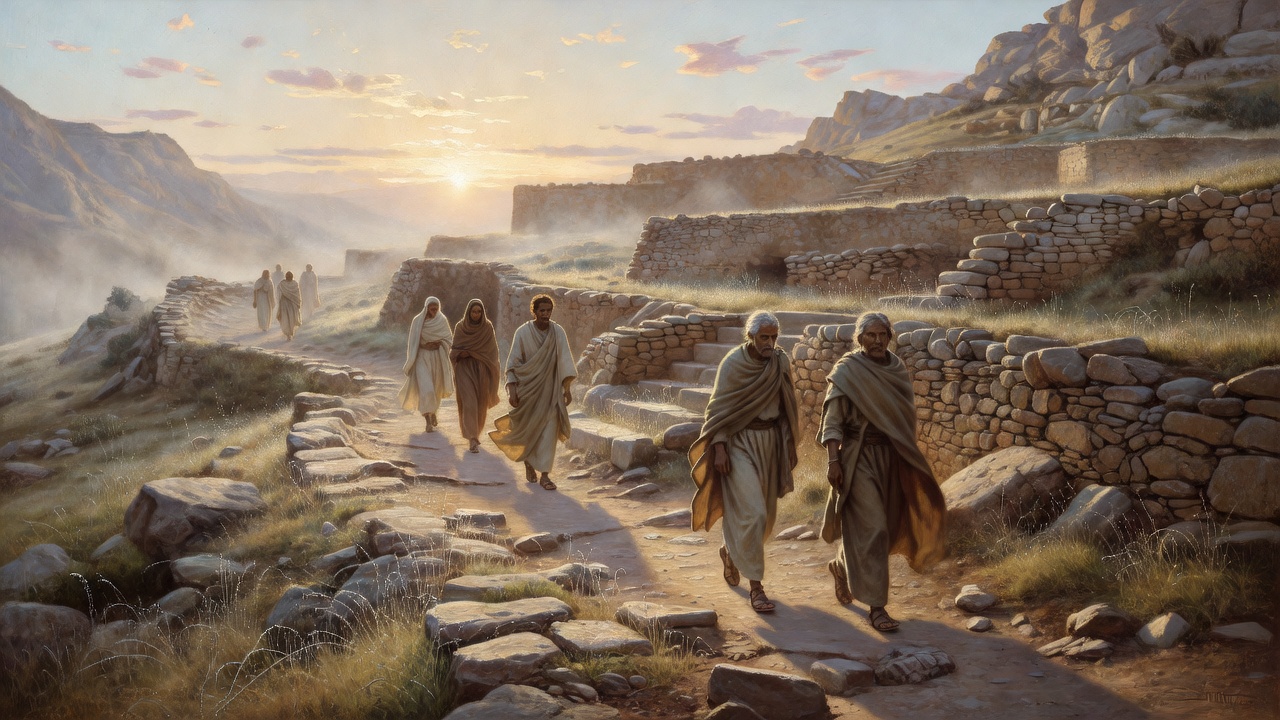
¿Sabías que…?
Lealtad pasajera y verdadera devoción
- En Oseas 6:6, el profeta proclama que Dios valora la misericordia y el conocimiento de Dios por encima de los sacrificios rituales de animales y los holocaustos, destacando la fidelidad sincera al pacto sobre las meras formalidades religiosas.Fuentes: el propio texto bíblico
- El texto profético compara la lealtad de Efraín y de Judá con la niebla matutina y el rocío pasajero; Efraín, cuyo nombre proviene del hijo de José y significa doble fertilidad, se utiliza frecuentemente en el libro para designar al reino del norte de Israel.Fuentes: el propio texto bíblico · Ephraim
- El capítulo condena la violencia en Galaad, una región montañosa situada al este del río Jordán, y acusa a bandas de sacerdotes corruptos de emboscar a los viajeros en el camino hacia Siquem.Fuentes: el propio texto bíblico · Gilead
Notas escritas con ayuda de IA a partir de fuentes abiertas (Theographic Bible Metadata, CC BY-SA 4.0; Easton’s Bible Dictionary, dominio público) y revisadas antes de publicarse.
Lugares de este capítulo
- Shechem · Hoy: Tell Balatah · 32.214, 35.282 · versículo 9
Solo aparecen lugares identificados con alta confianza (90 % o más según las fuentes académicas reunidas por OpenBible). Mapa de la época: DARE (Digital Atlas of the Roman Empire), CC BY 4.0; mapa actual: © colaboradores de OpenStreetMap; lugares: OpenBible.info (CC BY 4.0).
Créditos y licencia de esta traducción
De Heilige Schrift, Petrus Canisiusvertaling, 1939
The Holy Bible in Dutch, Petrus Canisius translation, 1939
Public Domain
Language: Nederlandse taal (Dutch)
Eerste uitgave: Het Spectrum, Utrecht, Brussel, 1939
De Petrus Canisiusvertaling is een Nederlandse rooms-katholieke bijbelvertaling, waarvan de eerste complete uitgave verscheen in 1939. De volledige naam luidt: "De Heilige Schrift, vertaling uit de grondtekst met aantekeningen, in opdracht van de Apologetische Vereniging 'Petrus Canisius' ondernomen met goedkeuring van de hoogwaardige bisschoppen van Nederland". De Petrus Canisiusvertaling is de eerste Nederlandse katholieke vertaling die gebaseerd is op de grondteksten in hun oorspronkelijke taal. Andere vertalingen gingen uit van de Vulgaat. Het taalgebruik van de uitgave is naar hedendaagse normen licht archaïsch te noemen, maar nog steeds vlot verstaanbaar.
Verantwoording in verband met de auteursrechten
In verband met de auteursrechten is contact opgenomen met de oorspronkelijke uitgever (1), de Katholieke Vereniging voor Oecume (2) en de Katholieke Bijbelstichting (3) en werden geen bezwaren gevonden tegen deze publicatie. Rekening houdend met de wettelijke termijnen, kan deze uitgave beschouwd worden als vrij van auteursrechten.
First publication: Het Spectrum, Utrecht, Brussel, 1939
The translation "Petrus Canisius" is a dutch roman catholic bible translation, that was first published in 1939. Its full title is "The Holy Scripture, translation of the original texts with annotations, commissioned by the Apologetical Society 'Petrus Canisius' and executed with the approval of the most reverend bishops of the Netherlands". The translation "Petrus Canisius" is the first dutch catholic translation that was based on the scripture texts in their original language. Other translations were based on the Vulgate. The language of this edition is to current standards moderately archaic, but still easily understood.
Accountability in relation to copyright
Concerning the copyright contacts have been made with the original publisher (1), the Katholieke Vereniging voor Oecumene (Catholic Society for Ecumenism) (2) and the Katholieke Bijbelstichting (Catholic Bible Foundation) (3) and no objections have been found against this publication. Taking into account the legal terms, this edition can be considered to be in the public domain.
UITGEVERIJ UNIEBOEK|HET SPECTRUM BV, HOUTEN, THE NETHERLANDS
KATHOLIEKE VERENIGING VOOR OECUMENE, 'S HERTOGENBOSCH, THE NETHERLANDS
KBS, HOEVEN, THE NETHERLANDS
2024-08-06
Fuente: http://ebible.org/nld1939/ · eBible.org