Apocalipsis 21
Abware̱se̱ŋ Wo̱re̱-ɔ · Toca un versículo para ver sus referencias cruzadas.
So̱so̱ po̱pwɛɛ na swe̱e̱re̱ po̱pwɛɛ
1Ne̱ mo̱ a ŋu so̱so̱ po̱pwɛɛ na swe̱e̱re̱ po̱pwɛɛ. So̱so̱ gye̱ŋkpɛɛsɛ‑ɔ na swe̱e̱re̱ gye̱ŋkpɛɛsɛ‑ɔ a kyɔ ŋaa, ne̱ ɔpo̱o̱ mo̱ŋ lɛɛ ɔ bo̱‑rɔ. 2Ne̱ mo̱ a ŋu Wuribware̱ a maŋ ne̱ ba te̱e̱ ɛ Yɛro̱salɛm Po̱pwɛɛ‑ɔ, na ɔɔ le̱e̱ Wuribware̱ ase̱ so̱so̱, na ɔ ba kaase̱. Ne̱ ɔ bo̱ daŋ fe̱yɛ ɔko̱fɔ a gyi kibre saŋ ne̱ ɔ kpa a ɔ yɔ mò̱ kuri aye̱‑ɔ. 3Ne̱ mo̱ a nu ɔko̱ a ye̱re̱ kuwuregya‑ɔ ase̱ faa‑rɔ keŋkeŋ tɔwe̱ fe̱yɛ,
“Mbe̱yɔmɔ, ase̱sɛ aye̱ na Wuribware̱ aye̱ a kii ko̱ko̱ŋko̱.
Mò̱ aa bamo̱ e̱ kye̱na abɛɛ ase̱, na bo̱ kii mò̱ ase̱sɛ.
Bamo̱ aa Wuribware̱ fɔŋfɔŋ e̱ kye̱na,
na o kii bamo̱ nyaŋpe̱.
4Ɔ kpɛɛ bamo̱ akyukyu pɛɛɛ.
Na lowi na kabo̱re̱rɔduŋwi na kaye̱e̱gya gye̱ kɛɛ,
a le̱e̱ fe̱yɛ atɔ de̱daa‑ɔ pɛɛɛ a kyo̱ŋ a yii.”
5Ne̱ mò̱ ne̱ o te kuwuregya‑ɔ se̱‑ɔ yɛ,
“Mbe̱yɔmɔ mo̱ e̱ waa ke̱tɔ ke̱maa mɔ ke̱po̱pwɛɛ.”
Ne̱ ɔɔ tɔwe̱ gywii mo̱ fe̱yɛ, “Kyo̱rɛɛ ase̱ŋ mɔ ne̱ fo̱ a nu‑o bo̱ be̱ya, a le̱e̱ fe̱yɛ mo̱ ase̱ŋ pɛɛɛ gye̱ kase̱ŋtiŋ, ne̱ ɔke̱maa e̱ taare̱ a ɔ taa mò̱ e̱ye̱e̱ bo̱ dɔŋŋɔ amo̱ se̱.” 6Ne̱ ɔɔ be̱e̱ tɔwe̱ gywii mo̱ fe̱yɛ, “Aa waa! Mo̱ e̱ gye̱ ne̱ mo̱ a waa ke̱tɔ ke̱maa, ne̱ m be̱e̱ mo̱ e̱ sa a ke̱tɔ ke̱maa gye̱ kɛɛ. Ke̱tɔ ke̱maa ke̱le̱e̱kaase̱‑ɔ na m bo̱‑rɔ, ne̱ ke̱tɔ ke̱maa ya gye̱ kɛɛ, m bo̱‑rɔ. Ɔke̱maa ne̱ burufo de mò̱‑ɔ, mo̱ e̱ sa mò̱ nkyu, na ɔ ma ka sɛye̱. Nkyu amo̱ du ne̱e̱ fe̱yɛ kitiribu ne̱ ke̱ e̱ sa nkyu ne̱ m maa lo̱we̱‑ɔ. Ane̱ŋ a nkyu mɔ e̱ gye̱ ne̱ n sa ŋkpa na kukyure ne̱ a mo̱ŋ de kɛɛ‑ɔ. 7Ɔke̱maa ne̱ ɔ kɔ Ɔbɔnsam a o gyi si‑o e̱ gye̱ ne̱ ɔ nya ane̱ŋ a ŋyure‑o. Na ɔ te̱e̱ mo̱, Wuribware̱, ɛ mò̱ nyaŋpe̱, na mò̱‑ɔ n te̱e̱ mò̱ ɛ mo̱ gyi. 8Amaa bamo̱ ne̱ bo̱ maa nya ane̱ŋ a ŋyure‑o e̱ gye̱ bamo̱ ne̱ kufu de bamo̱ fe̱yɛ bo̱ kii Kristoo awuye‑o, na adiburopo̱, na bamo̱ ne̱ bamo̱ ŋkpo̱nɔ‑rɔ de iyisi‑o, na bamo̱ ne̱ baa mɔɔ ase̱sɛ‑ɔ, na bamo̱ ne̱ baa waa kakye̱e̱kpa na kanyare̱kpa‑ɔ, na bamo̱ ne̱ bo̱ de asibeŋ‑o, na akpe, na bamo̱ ne̱ ba suŋ ikisi‑o, na aye̱bapo̱ pɛɛɛ. Ba twe̱e̱ mfaanɛɛ a ase̱sɛ‑ɔ a bo̱ bo̱ waa ke̱de̱e̱kpɛɛtekii na kafirewuta‑o‑ro. Amo̱‑ɔ e̱ gye̱ ke̱se̱bɔgyiiri nyɔse̱po̱‑ɔ.”
9Ne̱ Wuribware̱ a mbɔɔ nsunoo ne̱ bo̱ de nkyaŋse̱gyii na ase̱ŋ asunoo lalalo̱we̱‑ɔ‑rɔ‑ɔ ɔko̱ a ba mo̱ ase̱ bo̱ tɔwe̱ fe̱yɛ, “Ba a ŋ kaapo̱ fo̱ kasanne̱gyii a ɔko̱fɔ‑ɔ.” 10Ne̱ Wuribware̱ a kufwiiŋe‑o a ywe̱e̱ mo̱ se̱, ne̱ Wuribware̱ kabɔɔ amo̱ a so̱rɔ mo̱ yaa ke̱be̱e̱ so̱swe̱e̱ ko̱ katwe̱e̱‑rɔ. Ne̱ ɔɔ ba Yɛro̱salɛm, Wuribware̱ a maŋ ne̱ ɔɔ le̱e̱ so̱so̱ Wuribware̱ ase̱ ɔ ba‑ɔ, bo̱ kaapo̱ mo̱. 11Ne̱ Wuribware̱ ke̱laŋŋe̱rɔ e̱ sa ne̱ maŋ‑ɔ e̱ to̱re̱ se̱. Maŋ amo̱ e̱ to̱re̱ se̱ ne̱e̱ fe̱yɛ kibu yawo̱ le̱ŋsɛ ko̱ ne̱ ba te̱e̱ ɛ gyaasipaa ne̱ ku di kipipee‑o, ne̱ ke̱ e̱ to̱re̱ se̱ fe̱yɛ diki‑o. 12Maŋ‑ɔ de kideŋbee dabe̱ bo̱ muruwaa mò̱. Ne̱ baa lee abunogyi kudu anyɔ. Ne̱ Wuribware̱ kabɔɔ ye̱re̱ abunogyi‑o ke̱ke̱maa ase̱ ɔ de̱e̱re̱ se̱. Ne̱ baa kyo̱rɛɛ Isireelii awuye a nsuro kudu ŋnyɔ‑ɔ anyare̱ bo̱ dɔŋŋɔ abunogyi‑o si. A kaapo̱ ne̱e̱ fe̱yɛ kasuro ke̱maa de kibunogyi ko̱ŋko̱. 13Ke̱be̱gya ke̱maa de abunogyi asa. Asa bo̱ kyɔwe̱ le̱e̱kpa a keri‑o, ne̱ asa bo̱ so̱so̱‑rɔ a keri‑o, ne̱ asa bo̱ kaase̱‑rɔ a keri‑o, ne̱ asa bo̱ kyɔwe̱ twɛɛkpa a keri‑o. 14Maŋ amo̱ a kideŋbee‑o afo̱re̱ kudu anyɔ ne̱ baa ba bo̱ pwɛɛ. Ne̱ baa kyo̱rɛɛ kasanne̱gyii a ayaa‑rɔ aye̱re̱po̱ kudu anyɔ‑ɔ anyare̱ bo̱ dɔŋŋɔ dɔŋŋɔ se̱.
15Wuribware̱ kabɔɔ ne̱ ɔɔ sa se̱ŋsa mo̱ ase̱‑ɔ de atanne̱ pipee kayii kare̱‑atɔ ko̱, na ɔ ba bo̱ kare̱ maŋ amo̱ na kideŋbee‑o na abunogyi‑o. 16Maŋ‑ɔ a bɔŋ, ne̱ mò̱ e̱swe̱e̱ na ŋkpaŋŋe̱ ta ne̱e̱. Ne̱ kabɔɔ‑ɔ a taa mò̱ kayii‑o bo̱ kare̱ ane̱ŋ ne̱ maŋ‑ɔ ta‑ɔ. Mò̱ a bo̱ kare̱‑ɔ, oo ŋu fe̱yɛ maŋ‑ɔ e̱swe̱e̱ gye̱ se̱sɛ e̱swe̱e̱ kakpe̱ŋkɛɛ na ŋkpe̱ŋ alafa anyɔ (1,200,000). Ane̱ŋ dɛɛ ne̱ maŋ‑ɔ ŋkpaŋŋe̱ na mò̱ kife‑ro ta. 17Wuribware̱ kabɔɔ‑ɔ a be̱e̱ ba mò̱ kayii‑o bo̱ kare̱ kideŋbee‑o, ke̱mo̱ se̱e̱ ta baarɔkuŋkuŋ ya bo̱ fo̱ asare̱e̱gyi nnɔ ane̱ŋ iluwi ke̱lafa na aduna na e̱na (144). Swe̱e̱re̱ se̱ a se̱sɛ a ke̱kare̱ ne̱ kabɔɔ‑ɔ a bo̱ kare̱. N gye̱ so̱so̱ lee.
18Ke̱fo̱re̱ ko̱ ne̱ ba te̱e̱ ɛ gyaasipaa ne̱ ku du kipipee‑o, ne̱ baa bo̱ pwɛɛ kideŋbee‑o, ne̱ baa ba atanne̱ pipee ne̱ a to̱re̱ se̱‑ɔ bo̱ pwɛɛ maŋ‑ɔ fɔŋfɔŋ. 19Maŋ amo̱ a adeŋbee a e̱pɔre̱‑ɔ ne̱ baa ba afo̱re̱ yawo̱ le̱ŋsɛ e̱wo̱re̱se̱ e̱wo̱re̱se̱ bo̱ pwɛɛ. Pɔre̱ gye̱ŋkpɛɛsɛ‑ɔ ne̱ baa ba ke̱fo̱re̱ ne̱ ba te̱e̱ ɛ gyaasipaa ne̱ ku du kipipee‑o bo̱ pwɛɛ. Pɔre̱ nyɔse̱po̱‑ɔ ne̱ baa ba ke̱fo̱re̱ ne̱ ba te̱e̱ ɛ safiro ne̱ ku du buruu‑o bo̱ pwɛɛ. Pɔre̱ sase̱po̱‑ɔ ne̱ baa ba ke̱fo̱re̱ ne̱ ba te̱e̱ ɛ kalekidonii ne̱ ku du ke̱bo̱bwɛɛ‑ɔ bo̱ pwɛɛ. Pɔre̱ nase̱po̱‑ɔ ne̱ baa ba ke̱fo̱re̱ ne̱ ba te̱e̱ ɛ amaredo ne̱ ku du ke̱bo̱bwɛɛ‑ɔ bo̱ pwɛɛ. 20Pɔre̱ nuuse̱po̱‑ɔ ne̱ baa ba ke̱fo̱re̱ ne̱ ba te̱e̱ ɛ saadonis ne̱ ku du kipipee kafwe̱e̱ na kufufuri‑o bo̱ pwɛɛ. Pɔre̱ siyese̱po̱‑ɔ ne̱ baa ba ke̱fo̱re̱ ne̱ ba te̱e̱ ɛ kaanɛle̱yɔŋ ne̱ ku du kipipee gyigyii‑o bo̱ pwɛɛ. Pɔre̱ sunoose̱po̱‑ɔ ne̱ baa ba ke̱fo̱re̱ ne̱ ba te̱e̱ ɛ krisoliito ne̱ ku du fe̱yɛ kyaase̱ mfɔ‑ɔ bo̱ pwɛɛ. Pɔre̱ buruwase̱po̱‑ɔ ne̱ baa ba ke̱fo̱re̱ ne̱ ba te̱e̱ ɛ beril ne̱ ku du ke̱bo̱bwɛɛ‑ɔ bo̱ pwɛɛ. Pɔre̱ kpanɔɔse̱po̱‑ɔ ne̱ baa ba ke̱fo̱re̱ ne̱ ba te̱e̱ ɛ topas ne̱ ku du fe̱yɛ kakaduro‑o bo̱ pwɛɛ. Pɔre̱ kuduse̱po̱‑ɔ ne̱ baa ba ke̱fo̱re̱ ne̱ ba te̱e̱ ɛ krisopraso ne̱ ku du ke̱bo̱bwɛɛ fe̱yɛ e̱fa‑ɔ bo̱ pwɛɛ. Pɔre̱ kudu kako̱se̱po̱‑ɔ ne̱ baa ba ke̱fo̱re̱ ne̱ ba te̱e̱ ɛ gyakiŋto ne̱ ku du buruu‑o bo̱ pwɛɛ. Pɔre̱ kudu nyɔse̱po̱‑ɔ ne̱ baa ba ke̱fo̱re̱ ne̱ ba te̱e̱ ɛ ametisto ne̱ ku du fe̱yɛ lɔŋkɔnkyuronkyu‑o bo̱ pwɛɛ.
21Ne̱ abunogyi kudu anyɔ‑ɔ ke̱ke̱maa, baa ba akukye‑ro ke̱taŋgyi dabe̱ dame̱naŋsɛ ko̱ bo̱ pwɛɛ. Ne̱ baa ba atanne̱ pipee ne̱ a to̱re̱ se̱‑ɔ bo̱ waa kabo̱re̱ dabe̱ ne̱ ka da ka bo̱rɔ maŋ‑ɔ nse̱na‑ɔ.
22Wuribware̱ suŋkpa mo̱ŋ bo̱ maŋ amo̱‑rɔ, a le̱e̱ fe̱yɛ Bo̱-e̱le̱ŋ‑ɔ‑kyo̱ŋ‑ɔke̱maa-Bware̱ na kasanne̱gyii‑o fɔŋfɔŋ bo̱ mfe̱ŋ. 23Ne̱ a mo̱ŋ lɛɛ a tiri fe̱yɛ kyɔwe̱ le̱e̱ mpase̱, bɛɛɛ kiferi laŋŋe̱ maŋ‑ɔ‑rɔ kanye, a le̱e̱ fe̱yɛ Wuribware̱ fɔŋfɔŋ e̱ laŋŋe̱‑rɔ mfe̱ŋ, ne̱ kasanne̱gyii‑o mɔ du ne̱e̱ fe̱yɛ Wuribware̱ fetiri‑o. 24Mò̱ ke̱laŋŋe̱rɔ ne̱ kaye̱‑rɔ ase̱sɛ e̱ ba a bo̱ bo̱ nare̱‑rɔ. Na kaye̱‑rɔ awure taa bamo̱ mpo̱tɛɛ baa maŋ amo̱‑rɔ. 25Maŋ amo̱ a e̱po̱ne̱‑ɔ de̱ŋ e̱ ye̱re̱ ne̱e̱. Bo̱ maa tii e̱mo̱, a le̱e̱ fe̱yɛ mfe̱ŋ mo̱ŋ de kanye. 26Kaye̱‑rɔ ase̱sɛ e̱ baa bamo̱ mpo̱tɛɛ na atanne̱ maŋ amo̱‑rɔ. 27Amaa ɔke̱maa ne̱ o de iyisi‑o maa lwee mò̱‑rɔ. Ɔke̱maa ne̱ ɔ waa apeerese̱ŋ‑ɔ, na ɔko̱ ne̱ ɔ ba aye̱ba‑ɔ, be̱e̱ ɔ maa lwee mfe̱ŋ. Amɔ bamo̱ ne̱ kasanne̱gyii‑o a kyo̱rɛɛ bamo̱ anyare̱ waa mò̱ wo̱re̱‑ɔ‑rɔ fe̱yɛ bo̱ de ŋkpa na kukyure ne̱ a mo̱ŋ de kɛɛ‑ɔ dooo e̱ gye̱ ne̱ ba lwee maŋ‑ɔ‑rɔ.
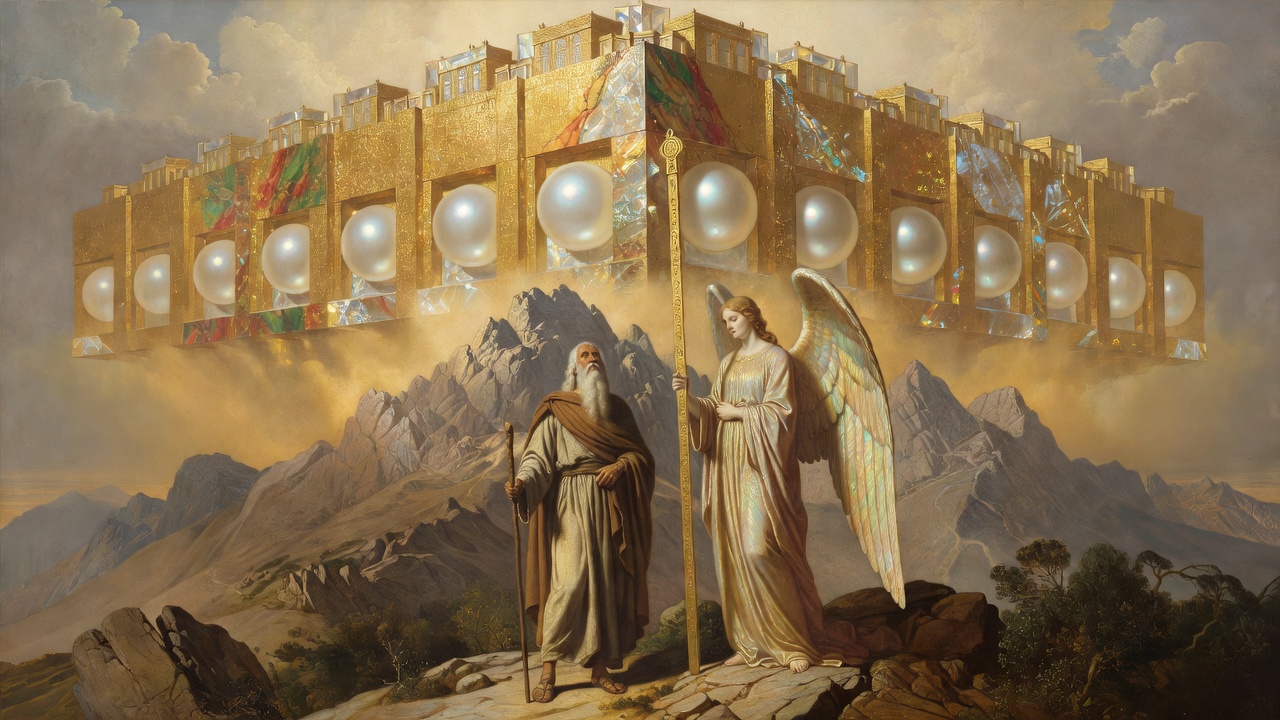
¿Sabías que…?
La nueva Jerusalén
- En esta visión, la ciudad que desciende del cielo es llamada la ciudad santa, la nueva Jerusalén. Jerusalén también era conocida como la ciudad santa y la ciudad de Dios, y en árabe es el-Khuds, que significa la santa. El nombre está en forma dual y significa posesión de paz o fundamento de paz.Fuentes: el propio texto bíblico · Jerusalem
- Al vidente lo llevan en el Espíritu a un monte grande y alto y le muestran esa ciudad santa que desciende. Jerusalén se describe como una ciudad de montaña entronizada en una fortaleza de montaña, y la forma dual del nombre probablemente se refiere a los dos montes sobre los que fue edificada, Sion y Moriah, o, como suponen algunos, a la ciudad alta y la ciudad baja.Fuentes: el propio texto bíblico · Jerusalem
- La muralla de la ciudad tiene doce puertas, tres a cada lado, inscritas con los nombres de las doce tribus de Israel. Israel es otro nombre de Jacob, explicado como el que sigue los talones de otro, o como un suplantador.Fuentes: el propio texto bíblico · Jacob (Israel)
Notas escritas con ayuda de IA a partir de fuentes abiertas (Theographic Bible Metadata, CC BY-SA 4.0; Easton’s Bible Dictionary, dominio público) y revisadas antes de publicarse.
Lugares de este capítulo
Solo aparecen lugares identificados con alta confianza (90 % o más según las fuentes académicas reunidas por OpenBible). Mapa de la época: DARE (Digital Atlas of the Roman Empire), CC BY 4.0; mapa actual: © colaboradores de OpenStreetMap; lugares: OpenBible.info (CC BY 4.0).
Créditos y licencia de esta traducción
Abware̱se̱ŋ Wo̱re̱-ɔ
New Testament in Chumburung (GH:ncu:Chumburung)
copyright © 2010 Wycliffe Bible Translators, Inc.
Language: Chumburung
Translation by: Wycliffe Bible Translators, Inc.
Copyright Information
© 2010, Wycliffe Bible Translators, Inc. All rights reserved.
This translation text is made available to you under the
terms of the Creative Commons License: Attribution-Noncommercial-No Derivative Works.
( http://creativecommons.org/licenses/by-nc-nd/3.0/ )
In addition, you have permission to port the text to different file formats, as long as you
do not change any of the text or punctuation of the Bible.
You may share, copy, distribute, transmit, and extract portions
or quotations from this work, provided that you include the above copyright
information:
You must give Attribution to the work.
You do not sell this work for a profit.
You do not make any derivative works that change any of the actual words or punctuation of the Scriptures.
Permissions beyond the scope of this license may be
available if you contact
us with your request.
The New Testament
in Chumburung
© 2010, Wycliffe Bible Translators, Inc. All rights reserved.
This translation is made available to you under the terms of the
Creative Commons Attribution-Noncommercial-No Derivatives license 4.0.
You may share and redistribute this Bible translation or extracts from it in any format, provided that:
You include the above copyright and source information.
You do not sell this work for a profit.
You do not change any of the words or punctuation of the Scriptures.
Pictures included with Scriptures and other documents on this site are licensed just for use with those Scriptures and documents.
For other uses, please contact the respective copyright owners.
2025-05-16
Fuente: http://ebible.org/ncuNT/ · eBible.org