Marcos 14
Abware̱se̱ŋ Wo̱re̱-ɔ · Toca un versículo para ver sus referencias cruzadas.
Ane̱ŋ ne̱ baa da Yeesuu kuŋu si kikpuni‑o
1Amo̱ a saŋ ŋke ŋnyɔ a Bodododoo ne̱ yiisi mo̱ŋ te‑ro‑o na Wuribware̱-a‑kya-ane̱-yɔwe̱ a ateese‑o agyibe̱e̱ dɛɛ fo̱‑ɔ, ne̱ Wuribware̱ alɔŋŋɔpo̱ abre̱sɛ‑ɔ na Wuribware̱ mbraa akaapo̱po̱‑ɔ a le̱e̱ ba kpa e̱kpa ne̱ ba bo̱rɔ se̱ a bo̱ kra Yeesuu na ɔko̱ mo̱ŋ ŋu‑o, na bo̱ mɔɔ mò̱. 2Amaa bo̱ yɛ, “Ane̱ ma kra mò̱ Wuribware̱-a‑kya-ane̱-yɔwe̱ a kigyi a ŋke‑o‑ro, a le̱e̱ fe̱yɛ ane̱ ya kra mò̱ ŋke amo̱‑rɔ, lamaŋ maa sure, na bamo̱ iduŋ fwii, na bo̱ baa e̱kɔ maŋ‑nɔ.”
Ane̱ŋ ne̱ ɔkye̱e̱ ko̱ a twiiri laŋpe̱ŋtaa we̱e̱ Yeesuu kuŋu si Bɛtaniya‑o
3Amo̱ kamɛɛ‑rɔ Yeesuu a yɔ ɔ bo̱ Bɛtaniya kamaŋgyii‑ro‑o, ne̱ ɔɔ yɔ o te Simɔŋ ne̱ ɔ dɛɛ ɔ gye̱ bwatɔpo̱‑ɔ aye̱ o gyi. Ne̱ ɔkye̱e̱ ko̱ a kra mò̱ laŋpe̱ŋtaa yawo̱ le̱ŋsɛ ko̱ lweero. Laŋpe̱ŋtaa mɔ bo̱ kalɔgyii dame̱naŋsɛ ko̱ ne̱ baa taa kibu ne̱ ba te̱e̱ ke̱mo̱ ɛ alabase̱taa‑ɔ bo̱ waa‑ɔ‑rɔ ne̱e̱. Ne̱ ɔɔ da kalɔgyii ne̱ laŋpe̱ŋtaa‑ɔ bo̱‑rɔ‑ɔ kanɔ bwee taye̱ se̱, ne̱ oo twiiri we̱e̱ Yeesuu kuŋu si.
4Ne̱ bamo̱ ne̱ bo̱ bo̱ mfe̱ŋ‑ɔ bo̱ko̱ iduŋ a fwii, ne̱ bo̱ yɛ, “Nte̱tɔ e̱ gye̱ laŋpe̱ŋtaa amo̱ ke̱nye̱ra ane̱ŋ? 5Oo fe laŋpe̱ŋtaa mɔ ne̱e̱, weetee ɔ nya a ɔ kyo̱ŋ siidii ŋkpe̱ŋ nna, na ɔ taa atanne̱‑ɔ bo̱ sa atiripo̱.” Ne̱ baa po̱rɔ ɔkye̱e̱ amo̱ bwe̱e̱tɔ.
6Amaa Yeesuu a tɔwe̱ gywii bamo̱ ne̱e̱ fe̱yɛ, “Mo̱nꞌ yɔwe̱ ɔkye̱e̱‑ɔ. Nte̱tɔ se̱ ne̱ mo̱ne̱ e̱ waa mò̱ ane̱ŋ? M fe̱raa mo̱ ase̱, atɔ timaa na adame̱naŋsɛ ne̱ ɔɔ waa‑ɔ. 7Mo̱ne̱ de atiripo̱ mo̱ne̱ ase̱ saŋ ke̱maa, amo̱se̱‑ɔ saŋ ke̱maa ne̱ mo̱ne̱ e̱ kpa‑ɔ, mo̱ne̱ e̱ taare̱ a mo̱nꞌ kya bamo̱‑rɔ. Amaa m fe̱raa, mo̱ aa mo̱ne̱ maa kye̱na a ane̱ bo̱ yɔ. 8Ke̱tɔ ne̱ ɔ taare̱‑ɔ ne̱ ɔɔ waa. Mò̱ a twiiri laŋpe̱ŋtaa‑ɔ we̱e̱ mo̱ se̱‑ɔ, a kaapo̱ ne̱e̱ fe̱yɛ ɔ lɔŋŋɔ mo̱ kayo̱wɔre̱ o gywii saŋ ne̱ mo̱ i wu na bo̱ pure mo̱‑ɔ ne̱e̱. 9Mbe̱yɔmɔ mo̱ i gyi mo̱ne̱ kase̱ŋtiŋ fe̱yɛ kaye̱ mɔ pɛɛɛ‑rɔ to̱ŋ ke̱maa ne̱ ba tɔwe̱ abware̱se̱ŋ‑ɔ, bo̱ le̱e̱ ke̱tɔ ne̱ ɔkye̱e̱ mɔ a waa‑ɔ se̱‑ɔ, mò̱ ke̱nyare̱ maa muri amo̱‑rɔ daa.”
Ane̱ŋ ne̱ Yudas a sure si fe̱yɛ o gyi Yeesuu kidiburo‑o
10Ne̱ Yudas Kariyotinyi ne̱ ɔ gye̱ Yeesuu agyase̱po̱ kudu anyɔ‑ɔ ɔko̱‑ɔ a yɔ Wuribware̱ alɔŋŋɔpo̱ abre̱sɛ‑ɔ ase̱ na ɔ ya gyi Yeesuu kidiburo gywii bamo̱. 11Mò̱ a yɔ‑ɔ, bamo̱ akatɔ a gyi ke̱tɔ ne̱ o de ɔ tɔwe̱‑ɔ se̱, ne̱ bo̱ yɛ ba ba atanne̱ na bo̱ ka mò̱ ko̱kɔ. Amo̱se̱‑ɔ, ne̱ Yudas a le̱e̱ ɔ kpa e̱kpa ne̱ ɔ bo̱rɔ se̱ a ɔ nya ba Yeesuu bo̱ waa bamo̱ ke̱sare̱e̱‑rɔ‑ɔ.
Siraa ne̱ Yeesuu mò̱ aa mò̱ agyase̱po̱‑ɔ a waa na bo̱ gyi Wuribware̱-a‑kya-ane̱-yɔwe̱ a ateese‑o
12Kadawɔkywe̱e̱ a kake ne̱ ka gye̱ ŋkpɛɛ ne̱ ba gyi Bodobodoo-ne̱-yiisi-mo̱ŋ‑te‑ro‑o, na bo̱ mɔɔ nsanne̱gyii bo̱ gyi Wuribware̱-a‑kya-ane̱-yɔwe̱ a ateese‑o, ne̱ Yeesuu agyase̱po̱‑ɔ a bise mò̱ fe̱yɛ, “Mfe̱ne̱ ne̱ fo̱ e̱ kpa fe̱yɛ ane̱ ya lɔŋŋɔ sa fo̱ a fo̱ ya gyi Wuribware̱-a‑kya-ane̱-yɔwe̱ a ateese‑o ne̱e̱?”
13Ne̱ Yeesuu a suŋ bamo̱ abɛɛ anyɔ, ne̱ ɔɔ tɔwe̱ gywii bamo̱ fe̱yɛ, “Mo̱nꞌ yɔ maŋ‑nɔ. Mo̱ne̱ ya yɔ, mo̱ne̱ e̱ gyaŋŋaa ɔnyare̱ ko̱ na ɔ so̱ kalɔ na nkyu. 14Na mo̱nꞌ gya mò̱ se̱ ya lwee lɔŋ ne̱ o lweero‑o, na mo̱nꞌ tɔwe̱ gywii lɔŋ wuye‑o fe̱yɛ, ‘Ɔkaapo̱po̱‑ɔ yɛ, Ŋke̱e̱ ke̱kyaŋ ne̱ mo̱ aa mo̱ agyase̱po̱‑ɔ i gyi Wuribware̱-a‑kya-ane̱-yɔwe̱ a ateese‑o ke̱mo̱‑rɔ‑ɔ?’ 15Mfe̱ŋ‑ɔ, na ɔ kaapo̱ mo̱ne̱ abaŋso̱ro̱o̱ ke̱kyaŋ dabe̱ ko̱ ne̱ ke̱ bo̱ so̱so̱‑ɔ‑rɔ na baa kyɔ lɔŋŋɔ ke̱mo̱‑rɔ waa ngya na iteeburi bo̱ ye̱ra‑rɔ. Na mo̱nꞌ waa ke̱tɔ ke̱maa siraa bo̱ ye̱ra ane̱.”
16Ne̱ mò̱ agyase̱po̱ anyɔ amo̱ a me̱raa se̱ yɔ maŋ‑ɔ‑rɔ. Bamo̱ a yɔ‑ɔ, ane̱ŋ ne̱ Yeesuu a tɔwe̱‑ɔ dɛɛ ne̱ baa ŋu. Ne̱ baa waa Wuribware̱-a‑kya-ane̱-yɔwe̱ a ateese‑o siraa mfe̱ŋ.
Ane̱ nyaŋpe̱ a ateese‑o
17Kyɔwe̱ a lo̱we̱‑ɔ, ne̱ Yeesuu mò̱ aa mò̱ agyase̱po̱ kudu anyɔ‑ɔ a ba lɔŋ‑ɔ‑rɔ. 18Bamo̱ a te ba gyi‑o, ne̱ Yeesuu yɛ, “Mo̱ e̱ tɔwe̱ mo̱ i gywii mo̱ne̱ fe̱yɛ ɔko̱ ne̱ mo̱ aa mò̱ i gyi gyare̱ ko̱ŋko̱‑rɔ‑ɔ i gyi mo̱ kidiburo.”
19Mò̱ a tɔwe̱ ane̱ŋ‑ɔ, ne̱ aa waa bamo̱ mfɛɛre̱ bwe̱e̱tɔ, ne̱ baa le̱e̱ ba bise mò̱ ke̱gyase̱ ke̱gyase̱ fe̱yɛ, “Kase̱ŋtiŋ ne̱e̱, mo̱ ne̱ fo̱ de, bɛɛɛ?”
20Ne̱ Yeesuu a be̱ŋŋaa bamo̱ fe̱yɛ, “Mo̱ne̱ kudu anyɔ‑ɔ‑rɔ ɔko̱ ne̱e̱, ɔko̱ ne̱ mo̱ aa mò̱ ke̱sare̱e̱ di gyare̱ ko̱ŋko̱‑rɔ ane̱ i gyi‑o. 21Mo̱, dimaadi mò̱ gyi‑o, i wu fe̱yɛ ane̱ŋ ne̱ baa kyo̱rɛɛ mo̱ ase̱ŋ waa abware̱se̱ŋ wo̱re̱‑ɔ‑rɔ‑ɔ. Amaa ɔko̱ ne̱ o gyi mo̱ kidiburo‑o i ŋu ase̱ŋ ne̱e̱ fɛɛ. Bo̱ dɛɛ bo̱ mo̱ŋ ko̱we̱ ane̱ŋ a se̱sɛ‑ɔ ne̱e̱, weetee a bɔ.”
22Saŋ ne̱ bo̱ maa se̱ ba gyi‑o, ne̱ Yeesuu a taa bodobodoo, ne̱ ɔɔ sa Wuribware̱ aŋsɛ we̱e̱ se̱, ne̱ ɔɔ te̱ŋŋe̱‑rɔ sa mò̱ agyase̱po̱‑ɔ. Ne̱ ɔ yɛ, “Mo̱nꞌ kɔɔre̱ na mo̱nꞌ gyi. Mo̱ ko̱yo̱wɔre̱gyi ne̱e̱.”
23Ne̱ ɔɔ taa nta ko̱to̱re̱nkyu bo̱rɔ, ne̱ ɔɔ sa Wuribware̱ aŋsɛ we̱e̱ se̱, ne̱ ɔɔ taa sa bamo̱, ne̱ bamo̱ pɛɛɛ a nuu ke̱mo̱‑rɔ. 24Ne̱ Yeesuu yɛ, “Mo̱ mbo̱gya ne̱ n twiiri a ŋ we̱e̱, na Wuribware̱ nya taa ase̱sɛ bwe̱e̱tɔ e̱bɔye̱ bo̱ ke bamo̱‑ɔ ne̱e̱. Mo̱ mbo̱gya ne̱ n tii Wuribware̱ na ase̱sɛ mbo̱ŋtɔ‑rɔ a e̱taŋ po̱pwɛɛ a kanɔ‑ɔ ne̱e̱. 25Mo̱ e̱ tɔwe̱ mo̱ i gywii mo̱ne̱ fe̱yɛ, le̱e̱ mbe̱yɔmɔ bo̱ yɔ, ma lɛɛ nuu nta mɔ pɛɛɛ, amɔ ŋke nsi ne̱ mo̱ i nuu nta po̱pwɛɛ saŋ ne̱ Wuribware̱ e̱ ba a ɔ bo̱ gyi mò̱ kuwure‑o.”
26Ne̱ baa waa kiliŋ bo̱ kyo̱rɔ Wuribware̱ mfe̱ŋ, ne̱ baa le̱e̱ kawu yɔ Mfɔ-Ayii ke̱be̱e̱‑ɔ se̱. Mfɔ‑Ayii ke̱be̱e̱‑ɔ|src="HK00351b.tif" size="span" ref="Maak 14.26"
Ane̱ŋ ne̱ Yeesuu yɛ Peetroo e̱ tɔwe̱ ɛ ɔ mo̱ŋ nyi mò̱‑ɔ
27Ne̱ Yeesuu a be̱e̱ kya se̱ tɔwe̱ gywii mò̱ agyase̱po̱‑ɔ fe̱yɛ, “Mo̱ne̱ pɛɛɛ mɔ e̱ se̱re̱ a mo̱nꞌ yɔwe̱ mo̱, fe̱yɛ ane̱ŋ ne̱ abware̱se̱ŋ wo̱re̱‑ɔ a tɔwe̱ ɛ,
‘Wuribware̱ e̱ mɔɔ e̱sanne̱ ɔde̱e̱re̱se̱po̱‑ɔ,
na e̱sanne̱‑ɔ pɛɛɛ mɔ brawe̱‑rɔ’‑ɔ.
28Amaa mo̱ ya bo̱ kyiŋŋi le̱e̱ lowi‑ro‑o, mo̱ e̱ gye̱ mo̱ne̱ ŋkpɛɛ a ŋ yɔ Galile̱ya swe̱e̱re̱ se̱.”
29Mfe̱ŋ ne̱ Peetroo a be̱ŋŋaa Yeesuu fe̱yɛ, “Hare̱e̱ mo̱ bɛɛko̱‑ana ya se̱re̱, m fe̱raa ma se̱re̱ a ŋ yɔwe̱ fo̱.”
30Ne̱ Yeesuu a be̱ŋŋaa Peetroo fe̱yɛ, “Mo̱ e̱ tɔwe̱ mo̱ i gywii fo̱ fe̱yɛ ndɔɔ a kanye mɔ fo̱ e̱ swe̱e̱ iluwi e̱sa fe̱yɛ fo̱ mo̱ŋ nyi mo̱ pwɛɛ na kyaŋare̱ dɛɛ fo̱re̱ iluwi e̱nyɔ.” 31Ne̱ Peetroo a be̱e̱ be̱ŋŋaa fe̱yɛ, “Hare̱e̱ amo̱ e̱ gye̱ mo̱ aa fo̱ kuwu gbaa, ma tɔwe̱ fe̱yɛ mo̱ŋ nyi fo̱.” Ne̱ agyase̱po̱ ne̱ baa saŋ‑ɔ pɛɛɛ mɔ a tɔwe̱ ane̱ŋ dɛɛ.
Ane̱ŋ ne̱ Yeesuu a ya ko̱re̱ ke̱bware̱ko̱re̱ Gɛte̱sɛmane̱e̱‑ɔ
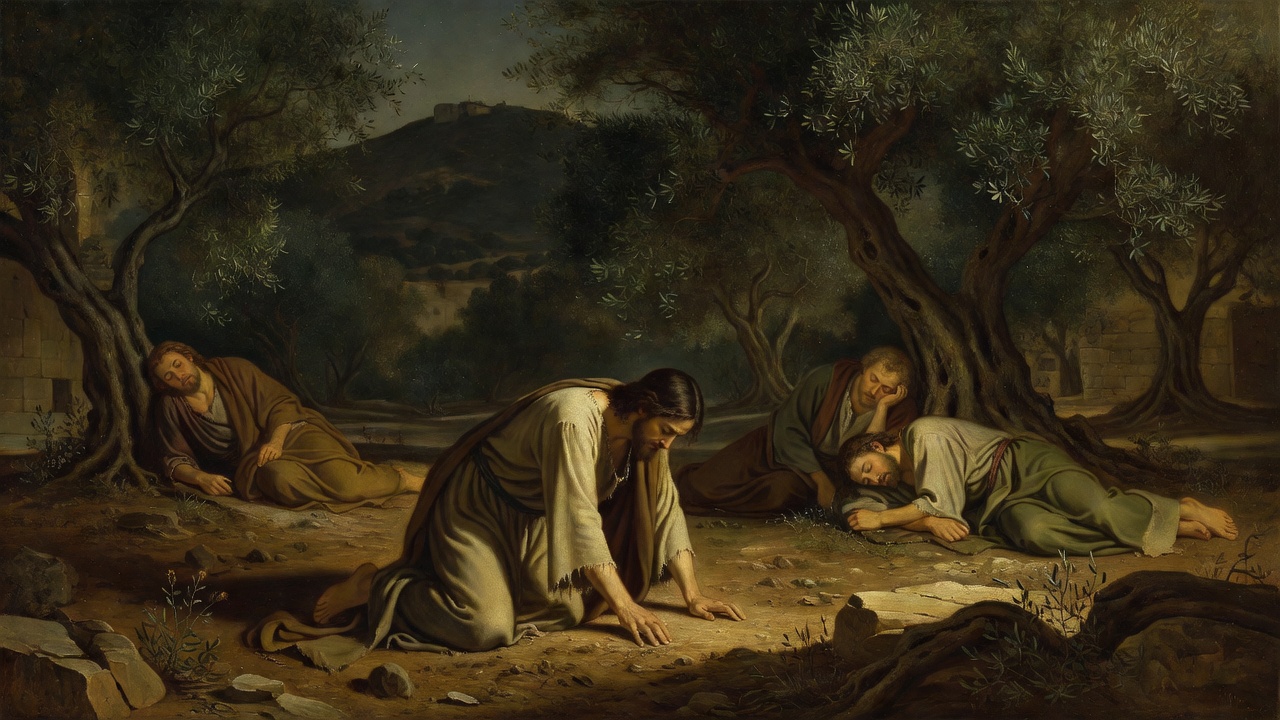
32Amo̱‑ɔ kamɛɛ‑rɔ, ne̱ Yeesuu mò̱ aa mò̱ agyase̱po̱‑ɔ a ba bane̱ ko̱ ne̱ ba te̱e̱ mò̱ ɛ Gɛte̱sɛmane̱e̱‑ɔ, ne̱ ɔɔ tɔwe̱ gywii mò̱ agyase̱po̱‑ɔ fe̱yɛ, “Mo̱nꞌ kye̱na mfe̱e̱ na ŋ ya ko̱re̱ ke̱bware̱ko̱re̱.” 33Ne̱ ɔɔ te̱e̱ Peetroo na Yakubu na Yohanee bo̱ tii mò̱ e̱ye̱e̱ se̱, ne̱ baa yɔ. Mfe̱ŋ ne̱ mò̱ abaa‑rɔ a yɔre̱ mò̱, ne̱ mò̱ kayo̱wɔre̱‑rɔ a waa mò̱ yɔre̱yɔre̱. 34Ne̱ ɔɔ tɔwe̱ gywii bamo̱ fe̱yɛ, “Mo̱ bo̱re̱‑rɔ i duŋwi mo̱ bwe̱e̱tɔ, hare̱e̱ mo̱ e̱ kpa a ŋ wu. To, mo̱nꞌ kyiŋŋi kye̱na mfe̱e̱.”
35Ne̱ ɔɔ nare̱ yɔ akatɔ‑rɔ kafwe̱e̱, ne̱ ɔɔ ya kyo̱ŋ di kame si swe̱e̱re̱, ne̱ ɔɔ ko̱re̱ Wuribware̱ fe̱yɛ ɔ ma kaŋ sa a o gyi awo̱re̱fɔɔ. 36Ne̱ ɔɔ kya se̱ ko̱re̱ ke̱bware̱ko̱re̱ fe̱yɛ, “N se̱, n se̱, ŋ nyi fe̱yɛ fo̱ e̱ taare̱ a fo̱ waa ke̱tɔ ke̱maa. Mbe̱yɔmɔ mo̱ e̱ ko̱re̱ fo̱ ne̱e̱ fe̱yɛ fo̱ sa a mo̱ awo̱re̱fɔɔ ne̱ mo̱ i gyi mɔ‑ɔ gye̱ kɛɛ na m ma wu. Amaa kanɔ ŋke̱maa ne̱ fo̱ e̱ kpa‑ɔ bware sa mo̱.”
37Ne̱ oo kiŋŋi ya to̱ fe̱yɛ mò̱ agyase̱po̱ asa‑ɔ pɛɛɛ a di idi. Ne̱ ɔɔ te̱e̱ Peetroo ɛ, “Simɔŋ, fo̱ a di idi ne̱e̱ e̱e̱e̱? Amɔ fo̱ mo̱ŋ taare̱ kye̱na dɔŋhwe̱re̱e̱ ko̱ŋko̱ na fo̱ mo̱ŋ di idi aaa?” 38Ne̱ ɔɔ tɔwe̱ gywii bamo̱ fe̱yɛ, “To, mo̱nꞌ kyiŋŋi kye̱na, na mo̱nꞌ ko̱re̱ ke̱bware̱ko̱re̱ fe̱yɛ Ɔbɔnsam ma kaŋ kyɔ mo̱ne̱‑rɔ ke̱e̱ fe̱yɛ mo̱ne̱ i kiŋŋi kamɛɛ aaa. Mo̱ne̱ ŋkpo̱nɔ‑rɔ mo̱ne̱ e̱ kpa kikyiŋŋi kye̱na, amaa mo̱ne̱ ŋyo̱wɔre̱‑rɔ mɔ a waa yɔre̱yɔre̱.”
39Ne̱ ɔɔ be̱e̱ kiŋŋi ya ko̱re̱ ke̱bware̱ko̱re̱ fe̱yɛ ane̱ŋ ne̱ ɔɔ ko̱re̱ ke̱gye̱ŋkpɛɛ‑ɔ. 40Mò̱ a ko̱re̱ ke̱bware̱ko̱re̱ lo̱we̱‑ɔ, ne̱ ɔɔ be̱e̱ kiŋŋi bo̱ to̱ fe̱yɛ mò̱ agyase̱po̱‑ɔ a be̱e̱ di idi. Bo̱ mo̱ŋ taare̱ kra idi. Ŋkee bo̱ mo̱ŋ nyi ane̱ŋ ne̱ ba tɔwe̱ a bo̱ gywii Yeesuu‑o.
41Ne̱ ɔɔ ya ko̱re̱ ke̱bware̱ko̱re̱ sase̱po̱. Saŋ ne̱ oo kiŋŋi ba‑ɔ, ne̱ ɔɔ tɔwe̱ gywii bamo̱ fe̱yɛ, “Mo̱ne̱ saŋ mo̱ne̱ i di idi mo̱ne̱ i kyure ne̱e̱ e̱e̱e̱? To, aa baare ane̱ŋ. Saŋ a fo̱ mbe̱yɔmɔ. Mo̱nꞌ de̱e̱re̱, ba lee mo̱, dimaadi mò̱ gyi‑o, ba sa e̱bɔye̱ awaapo̱ na bo̱ nya mo̱ se̱ ke̱yaale̱ŋ. 42Mo̱nꞌ ke̱e̱, ɔko̱ ne̱ o gyi mo̱ kidiburo‑o e̱ ba‑ɔ. To, mo̱nꞌ ko̱so̱ na ane̱ yɔ ya gyaŋŋaa mò̱.”
Ane̱ŋ ne̱ baa kra Yeesuu‑o
43Yeesuu saŋ ɔ sa se̱ŋsa, ne̱ Yudas ne̱ ɔ gye̱ Yeesuu agyase̱po̱ kudu anyɔ‑ɔ ɔko̱‑ɔ a fo̱. Mò̱ aa ase̱sɛ kukwii ko̱ na bamo̱ apaŋ na akyokuŋ ya ba. Wuribware̱ alɔŋŋɔpo̱ abre̱sɛ‑ɔ na Wuribware̱ mbraa akaapo̱po̱‑ɔ na maŋ abre̱sɛ‑ɔ ya suŋ bamo̱.
44Amɔ odiburopo̱‑ɔ a kyɔ kaapo̱ bamo̱ ne̱ ba gya mò̱ se̱ ba‑ɔ fe̱yɛ, “Ɔko̱ ne̱ mo̱ e̱ yɔ a ŋ ya ka mò̱ kanɔ‑ɔ e̱ gye̱ mò̱ ne̱ mo̱ne̱ e̱ kpa‑ɔ. Na mo̱nꞌ kra mò̱, na mo̱nꞌ taa mò̱ nare̱!” 45Amo̱se̱‑ɔ, Yudas a de̱ŋ fo̱‑ɔ, ne̱ ɔɔ yɔ Yeesuu ase̱. Ne̱ ɔɔ te̱e̱ Yeesuu fe̱yɛ, “Ɔkaapo̱po̱,” ne̱ ɔɔ kyo̱kywe̱e̱ mò̱ ke̱daabɔŋ dame̱naŋsɛ ka mò̱ kanɔ, fe̱yɛ ane̱ŋ ne̱ Yudaa awuye e̱ ka abɛɛ kanɔ saŋ ke̱maa‑ɔ. 46Ne̱ baa kra Yeesuu, ne̱ baa kra mò̱‑rɔ keŋkeŋ. 47Mfe̱ŋ ne̱ Yeesuu agyase̱po̱‑ɔ ɔko̱ a gyiiri ke̱paŋ lee, ne̱ oo ŋe Wuribware̱ ɔlɔŋŋɔpo̱ bre̱sɛ a anya‑ɔ ɔko̱ ke̱se̱bɔ te̱ŋ.
48Ne̱ Yeesuu a bise ase̱sɛ‑ɔ fe̱yɛ, “Amɔ mo̱ne̱ a ba apaŋ na akyokuŋ a mo̱nꞌ bo̱ kra mo̱ ne̱e̱ fe̱yɛ oyu‑o ooo? 49Ŋke mfe̱ne̱ mɔ‑rɔ mo̱ aa mo̱ne̱ ne̱e̱ na mo̱ e̱ kaapo̱ abware̱se̱ŋ Wuribware̱ suŋkpa kabuno, na mo̱ne̱ mɔ mo̱ne̱ mo̱ŋ kra mo̱? Amaa amo̱‑ɔ a ba ane̱ŋ ne̱e̱ na mo̱ awo̱re̱fɔɔ na lowi ne̱ mo̱ i wu‑o, ne̱ baa kyo̱rɛɛ amo̱ ase̱ŋ waa abware̱se̱ŋ wo̱re̱‑ɔ‑rɔ‑ɔ, nya waa kase̱ŋtiŋ.”
50Mfe̱ŋ ne̱ Yeesuu a agyase̱po̱‑ɔ pɛɛɛ a se̱re̱ yɔwe̱ mò̱. 51Amaa ke̱yaafɔre̱ ko̱ mɔ a kpuriti waagya laare̱‑rɔ ɔ gya bamo̱ se̱. Ne̱ ba kpa a bo̱ kra mò̱ gbaa mò̱. 52Ne̱ ɔɔ ŋwɛɛnaŋ, ne̱ mò̱ waagya‑ɔ a saŋŋe̱ le̱e̱ da, ne̱ ɔɔ se̱re̱ ke̱te̱bɔŋburoŋ yɔwe̱ mò̱ waagya‑ɔ bo̱ sii.
Ane̱ŋ ne̱ baa yaa Yeesuu Yudaa awuye a iwurekpa‑ɔ
53To, ne̱ baa taa Yeesuu yaa Wuribware̱ ɔlɔŋŋɔpo̱ bre̱sɛ lɔŋ‑nɔ, mfe̱ŋ ne̱ Wuribware̱ alɔŋŋɔpo̱ abre̱sɛ‑ɔ na maŋ abre̱sɛ‑ɔ na Wuribware̱ mbraa akaapo̱po̱‑ɔ e̱ gyaŋŋe̱‑ɔ. Yeesuu ye̱re̱ ɔlɔŋŋɔpo̱ bre̱sɛ Kayafas akatɔ‑rɔ|src="CN01815b.tif" size="span" ref="Maak 14.53–65" 54Ne̱ Peetroo a sii kamɛɛ ɔ gya bamo̱ se̱. Ɔɔ gya bamo̱ se̱ ane̱ŋ‑aaa ya bo̱ fo̱ ɔlɔŋŋɔpo̱ bre̱sɛ a lɔŋ amo̱‑rɔ. Ne̱ mò̱ aa ade̱e̱re̱se̱po̱ ko̱ te lɔŋ‑ɔ kabuno ase̱ ba wo̱re̱ de̱e̱kpa.
55Ne̱ Wuribware̱ alɔŋŋɔpo̱ abre̱sɛ‑ɔ na agyaŋŋe̱po̱‑ɔ pɛɛɛ a buwi kpa kanɔte̱ŋ ne̱ ba ba a bo̱ bo̱ ye̱re̱ se̱ a Yeesuu gyi ke̱pɔ a bo̱ nya mɔɔ mò̱‑ɔ kpo̱ne̱. 56Ne̱ ase̱sɛ bwe̱e̱tɔ a bo̱ ba bamo̱ aye̱ba bo̱ kye mò̱ a ɔ nya gyi ke̱pɔ. Amaa bamo̱ aye̱ba‑ɔ mo̱ŋ ye̱re̱ abɛɛ se̱.
57Ne̱ ŋkee bo̱ko̱ a ko̱so̱ ba aye̱ba bo̱ po̱rɔ Yeesuu fe̱yɛ, 58“Ane̱ a nu fe̱yɛ mò̱ a tɔwe̱ ɛ, ‘Mo̱ i bwee Wuribware̱ suŋkpa ne̱ ase̱sɛ a ba asare̱e̱ bo̱ pwɛɛ‑ɔ, na ŋke nsa kamɛɛ‑rɔ na m pwɛɛ ke̱mo̱ ne̱ se̱sɛ mo̱ŋ ba asare̱e̱ bo̱ pwɛɛ‑ɔ.’ ” 59Amaa bamo̱ gbaa bamo̱ aye̱ba‑ɔ mo̱ŋ taare̱ ye̱re̱ abɛɛ se̱ ane̱ŋ ne̱ Yeesuu i gyi ke̱pɔ‑ɔ.
60Ne̱ Wuribware̱ ɔlɔŋŋɔpo̱ bre̱sɛ‑ɔ a ko̱so̱ ye̱re̱ bamo̱ pɛɛɛ akatɔ‑rɔ, ne̱ oo bise Yeesuu fe̱yɛ, “Amɔ fo̱ mo̱ŋ de ase̱ŋ mɔ pɛɛɛ ne̱ ba tɔwe̱ ba kye fo̱‑ɔ kanɔlee aaa?” 61Ne̱ Yeesuu a laatɔ, kanɔ ɔ mo̱ŋ buŋŋi.
Ne̱ ɔɔ be̱e̱ bise mò̱ fe̱yɛ, “Fo̱ e̱ gye̱ mò̱ ne̱ ɔ bo̱ so̱so̱‑ɔ mò̱ gyi Kristoo ne̱ oo suŋ bo̱ kyo̱ŋwe̱‑ɔ, bɛɛɛ fo̱ mo̱ŋ gye̱?”
62Ŋkee fe̱raa ne̱ Yeesuu a be̱ŋŋaa fe̱yɛ, “Ɔɔŋ, mo̱ ne̱e̱, na mo̱ne̱ saŋ mo̱ne̱ i ŋu mo̱, dimaadi mò̱ gyi‑o, a te Bo̱-e̱le̱ŋ‑ɔ‑kyo̱ŋ‑ɔke̱maa-Bware̱ kigyise si, na mo̱ aa mò̱ gyi mò̱ kuwure dabe̱‑ɔ, na mo̱ a le̱e̱ awo̱re̱‑rɔ mo̱ e̱ ba.”
63Amo̱ fe̱raa ne̱ ɔlɔŋŋɔpo̱ bre̱sɛ‑ɔ a ba kaduŋfwii bo̱ kyaŋ mò̱ fɔŋfɔŋ waagya‑rɔ, ne̱ ɔ yɛ, “Ane̱ maa lɛɛ kpa a ɔko̱ tɔwe̱ ko̱tɔko̱ pwɛɛ na ane̱ dɛɛ ŋu fe̱yɛ oo gyi ke̱pɔ. 64Mo̱ne̱ a nu ase̱ŋ ne̱ ɔɔ tɔwe̱ bo̱ kye Wuribware̱‑ɔ, ɔ yɛ mò̱ aa Wuribware̱ ta. Amo̱se̱‑ɔ, e̱me̱ne̱ ne̱ mo̱ne̱ e̱ fa fe̱yɛ ane̱ waa mò̱?”
Ne̱ bamo̱ pɛɛɛ a sure si fe̱yɛ oo gyi ke̱pɔ, amo̱se̱‑ɔ bo̱ mɔɔ mò̱. 65Mfe̱ŋ dɛɛ ne̱ bo̱ko̱ a le̱e̱ ba twe̱e̱ akyɔne̱ ba we̱e̱ Yeesuu si. Ne̱ baa ba kaprakɛɛ bo̱ buŋ mò̱ akatɔ se̱, na ba da mò̱ akuŋtiŋ. Ŋkee bamo̱ ya da mò̱, na bo̱ tɔwe̱ fe̱yɛ, “Nsɛ ya da fo̱‑ɔ ne̱e̱?” Ne̱ ade̱e̱re̱se̱po̱‑ɔ a taa mò̱ yaa daye̱ mò̱ e̱se̱bɔ‑rɔ abaa.
Ane̱ŋ ne̱ Peetroo a swe̱e̱ fe̱yɛ ɔ mo̱ŋ nyi Yeesuu‑o
66Bamo̱ a gyi Yeesuu ase̱ŋ ke̱kyaŋ‑nɔ‑ɔ, na Peetroo saŋ o te kabuno mfe̱ŋ. Ne̱ Wuribware̱ ɔlɔŋŋɔpo̱ bre̱sɛ‑ɔ mò̱ kabre ko̱ a ba ɔ kyo̱ŋ. 67Saŋ ne̱ oo ŋu Peetroo na ɔ wo̱re̱ de̱e̱kpa‑ɔ, ne̱ ɔɔ de̱e̱re̱ Peetroo akatɔ‑rɔ, ne̱ ɔ yɛ, “Fo̱ gbaa fo̱ aa Yeesuu Nasarɛte̱nyi mɔ e̱ gye̱ ne̱ mo̱ne̱ naa.” 68Ne̱ Peetroo a swe̱e̱ fe̱yɛ, “Mo̱ŋ nyi ase̱ŋ ne̱ fo̱ e̱ tɔwe̱ amo̱‑ɔ kaase̱.” Ne̱ ɔɔ nare̱ ya ye̱re̱ lɔŋ‑ɔ kibunogyi‑ro. Puri amo̱‑rɔ ne̱ kyaŋare̱ a fo̱re̱.
69Kibunogyi amo̱‑rɔ mfe̱ŋ ne̱ kabre amo̱ a be̱e̱ ŋu Peetroo, ne̱ ɔɔ be̱e̱ le̱e̱ ɔ tɔwe̱ ane̱ŋ ne̱ ɔɔ dɛɛ tɔwe̱‑ɔ o gywii ase̱sɛ ne̱ bo̱ ye̱re̱ mfe̱ŋ‑ɔ. Kabre‑o a tɔwe̱ gywii bamo̱ ne̱e̱ fe̱yɛ, “Mò̱ gbaa gye̱ Yeesuu a ase̱sɛ‑ɔ ɔko̱ ne̱e̱.” 70Amaa Peetroo a be̱e̱ swe̱e̱.
Ke̱tɔ a be̱e̱ waa kafwe̱e̱‑ɔ, ne̱ bamo̱ ne̱ bo̱ ye̱re̱ mfe̱ŋ‑ɔ a be̱e̱ tɔwe̱ gywii Peetroo fe̱yɛ, “Fo̱ maa taare̱ a fo̱ gyiiri ikii fe̱yɛ fo̱ mo̱ŋ gye̱ Yeesuu a ase̱sɛ‑ɔ ɔko̱, a le̱e̱ fe̱yɛ ane̱ a ŋu fe̱yɛ fo̱ gbaa fo̱ gye̱ Galile̱yanyi ne̱e̱.” 71Ne̱ Peetroo a be̱ŋŋaa fe̱yɛ, “Mo̱ e̱ ka ke̱yaa fe̱yɛ mo̱ŋ nyi ɔnyare̱ mɔ ne̱ mo̱ne̱ e̱ tɔwe̱ mò̱ ase̱ŋ‑ɔ. Ne̱ ase̱ŋ mɔ ne̱ mo̱ e̱ tɔwe̱‑ɔ e̱ mo̱ŋ gye̱ kase̱ŋtiŋ, amo̱ fe̱raa Wuribware̱ lo̱ŋ mo̱.” Ne̱ ɔɔ be̱e̱ ka ane̱ŋ a ke̱yaa‑ɔ iluwi bwe̱e̱tɔ.
72Mò̱ ke̱de̱ŋ tɔwe̱ ane̱ŋ lo̱we̱‑ɔ, ne̱ kyaŋare̱ a fo̱re̱ nyɔse̱po̱. Ne̱ oo nyiŋŋi ane̱ŋ ne̱ Yeesuu a tɔwe̱ gywii mò̱‑ɔ se̱ fe̱yɛ, “Fo̱ e̱ swe̱e̱ iluwi e̱sa fe̱yɛ fo̱ mo̱ŋ nyi mo̱ pwɛɛ na kyaŋare̱ dɛɛ fo̱re̱ iluwi e̱nyɔ.” Ne̱ ɔɔ ya su bwe̱e̱tɔ.
¿Sabías que…?
Unción, traición y prendimiento
- La unción tuvo lugar en Betania, una aldea en la ladera sudoriental del monte de los Olivos, a unas dos millas al este de Jerusalén, en el camino a Jericó. Allí Jesús estaba reclinado a la mesa en la casa de Simón el leproso, cuando una mujer rompió un frasco de alabastro con nardo puro y lo derramó sobre su cabeza.Fuentes: Bethany · Simon · el propio texto bíblico
- Después de la comida, Jesús y los Doce entonaron un himno y salieron hacia el monte de los Olivos, una sierra al este de Jerusalén, separada de la ciudad por el valle de Cedrón y llamada así por los olivos que cubrían sus laderas. A sus pies estaba Getsemaní, un olivar cuyo nombre significa "prensa de aceite", adonde Jesús solía retirarse con sus discípulos.Fuentes: Mount of Olives · Gethsemane · el propio texto bíblico
- Judas, de sobrenombre Iscariote, es decir, un hombre de Queriot, aparece siempre al final entre los apóstoles en las listas de los tres primeros Evangelios. Después de la unción, fue a los principales sacerdotes para entregar a Jesús; ellos se alegraron y prometieron darle dinero, y más tarde identificó a Jesús ante la multitud armada con un beso.Fuentes: Judas Iscariot · el propio texto bíblico
Notas escritas con ayuda de IA a partir de fuentes abiertas (Theographic Bible Metadata, CC BY-SA 4.0; Easton’s Bible Dictionary, dominio público) y revisadas antes de publicarse.
Lugares de este capítulo
- Jerusalem · 31.777, 35.234 · versículo 13
- Mount of Olives · 31.778, 35.246 · versículo 26
- Galilee · 32.760, 35.527 · versículo 28
- Gethsemane · 31.779, 35.239 · versículo 32
- Nazareth · 32.702, 35.298 · versículo 67
Solo aparecen lugares identificados con alta confianza (90 % o más según las fuentes académicas reunidas por OpenBible). Mapa de la época: DARE (Digital Atlas of the Roman Empire), CC BY 4.0; mapa actual: © colaboradores de OpenStreetMap; lugares: OpenBible.info (CC BY 4.0).
Créditos y licencia de esta traducción
Abware̱se̱ŋ Wo̱re̱-ɔ
New Testament in Chumburung (GH:ncu:Chumburung)
copyright © 2010 Wycliffe Bible Translators, Inc.
Language: Chumburung
Translation by: Wycliffe Bible Translators, Inc.
Copyright Information
© 2010, Wycliffe Bible Translators, Inc. All rights reserved.
This translation text is made available to you under the
terms of the Creative Commons License: Attribution-Noncommercial-No Derivative Works.
( http://creativecommons.org/licenses/by-nc-nd/3.0/ )
In addition, you have permission to port the text to different file formats, as long as you
do not change any of the text or punctuation of the Bible.
You may share, copy, distribute, transmit, and extract portions
or quotations from this work, provided that you include the above copyright
information:
You must give Attribution to the work.
You do not sell this work for a profit.
You do not make any derivative works that change any of the actual words or punctuation of the Scriptures.
Permissions beyond the scope of this license may be
available if you contact
us with your request.
The New Testament
in Chumburung
© 2010, Wycliffe Bible Translators, Inc. All rights reserved.
This translation is made available to you under the terms of the
Creative Commons Attribution-Noncommercial-No Derivatives license 4.0.
You may share and redistribute this Bible translation or extracts from it in any format, provided that:
You include the above copyright and source information.
You do not sell this work for a profit.
You do not change any of the words or punctuation of the Scriptures.
Pictures included with Scriptures and other documents on this site are licensed just for use with those Scriptures and documents.
For other uses, please contact the respective copyright owners.
2025-05-16
Fuente: http://ebible.org/ncuNT/ · eBible.org