Lucas 8
Abware̱se̱ŋ Wo̱re̱-ɔ · Toca un versículo para ver sus referencias cruzadas.
Akye̱e̱ ne̱ bamo̱ aa Yeesuu a yɔ‑ɔ
1Bo̱ fo̱ saŋ ko̱‑ɔ ne̱ Yeesuu a nare̱ e̱maŋ dabe̱ na ngyingyii si ɔ tɔwe̱ ase̱ŋ timaa bo̱ le̱e̱ Wuribware̱ kuwure‑o si o gywii ase̱sɛ. Mò̱ aa mò̱ agyase̱po̱ kudu anyɔ‑ɔ na akye̱e̱pe̱ ko̱ ne̱ ɔɔ gya ibrisi bo̱ ko̱so̱ bamo̱ se̱, ne̱ ɔɔ kya bamo̱ alɔgyi‑o ya nare̱ kaa e̱maŋ‑ɔ se̱. Akye̱e̱ amo̱ e̱ gye̱ Mariya ne̱ ba te̱e̱ mò̱ ɛ Magadalanyi, ne̱ Yeesuu a gya ibrisi isunoo bo̱ ko̱so̱ mò̱ se̱‑ɔ, 3na Yohana ne̱ ba te̱e̱ mò̱ kuri ɛ Kusa ne̱ ɔ dɛɛ ɔ gye̱ Owure Hɛrɔd a ayaafɔre̱‑ɔ pɛɛɛ ɔbre̱sɛ‑ɔ, na Susana, na akye̱e̱ bwe̱e̱tɔ bo̱ tii si. Baa ba bamo̱ mpo̱tɛɛ ne̱ bo̱ de‑o ŋko̱ bo̱ kya Yeesuu mò̱ aa mò̱ agyase̱po̱‑ɔ‑rɔ‑ɔ.
Ɔdɔɔpo̱ kitee
4Ne̱ ase̱sɛ a le̱e̱ e̱maŋ se̱ e̱maŋ se̱ ba Yeesuu ase̱. Saŋ ne̱ ase̱sɛ biribiri a bo̱ gyaŋŋe̱‑ɔ, ne̱ Yeesuu a tɔwe̱ kitee mɔ gywii bamo̱ fe̱yɛ, 5“N gye̱ ɔdɔɔpo̱ ko̱ e̱ bo̱‑rɔ aaa? Ne̱ ɔɔ yɔ a ɔ ya ŋo̱nyaŋ mò̱ yaabraa. Mò̱ a yɔ ɔ ŋo̱nyaŋ‑ɔ, ne̱ ayaabraagyi amo̱ ako̱ a le̱e̱ da kpa kɛɛ, ne̱ ase̱sɛ a kyikye si, ne̱ mbo̱gyii a bo̱ tesi gyi. 6Ne̱ yaabraa amo̱ ako̱ a le̱e̱ da kagyaase̱. A bo̱ kwɛɛ‑ɔ, ne̱ aa wu, a le̱e̱ fe̱yɛ swe̱e̱re̱ amo̱ mfe̱ŋ mo̱ŋ de yuri. 7Ne̱ ako̱ mɔ a le̱e̱ da e̱fa‑rɔ, ne̱ amo̱ aa e̱fa‑ɔ a ko̱so̱, ne̱ e̱fa‑ɔ a daŋ mwiire amo̱ se̱, amo̱se̱‑ɔ ɔ mo̱ŋ taare̱ waa. 8Ne̱ ŋkee ayaabraagyi amo̱ ako̱ a le̱e̱ da swe̱e̱re̱ timaa si, ne̱ yaabraa‑ɔ a ko̱so̱ daŋ bo̱ ko̱we̱ waa aŋu adabe̱ adabe̱. Amo̱ e̱ gye̱ saase̱bɛɛ.
Amo̱se̱‑ɔ ɔke̱maa ne̱ o de e̱se̱bɔ‑ɔ, o nu.”
Ke̱tɔ se̱ ne̱ Yeesuu a tɔwe̱ kitee amo̱‑ɔ
9Ne̱ Yeesuu agyase̱po̱‑ɔ a bise mò̱ kitee‑o kaase̱. 10Ne̱ ɔɔ be̱ŋŋaa bamo̱ fe̱yɛ, “Mo̱ne̱ wo̱re̱ ne̱ mo̱ e̱ tɔwe̱ ane̱ŋ ne̱ Wuribware̱ a kuwure‑o‑ro du‑o mo̱ i gywii, amaa bamo̱ ne̱ ba saŋ‑ɔ fe̱raa itee‑ro na akpare̱‑rɔ ne̱ mo̱ e̱ tɔwe̱ ke̱mo̱ ase̱ŋ a m bo̱ gywii bamo̱,
‘na bo̱ de̱e̱re̱ ase̱ŋ‑ɔ‑rɔ,
na bo̱ fa amo̱ mfɛɛre̱ kpo̱ne̱,
na bo̱ nu ke̱mo̱ ase̱ŋ kpo̱ra‑rɔ,
na bo̱ ma nu kaase̱.’ ”
Ane̱ŋ ne̱ Yeesuu a kaapo̱ ɔdɔɔpo̱ kitee kaase̱‑ɔ
11Ne̱ Yeesuu yɛ, “To, ŋkee mo̱nꞌ nu kitee‑o kaase̱. Ayaabraagyi‑o ko̱ŋo̱nyaŋ ye̱re̱ bo̱ sa abware̱se̱ŋ ne̱ mo̱ e̱ tɔwe̱ mo̱ i gywii ase̱sɛ‑ɔ. 12Ayaabraagyi ne̱ aa le̱e̱ da kpa kɛɛ‑ɔ ye̱re̱ bo̱ sa ase̱sɛ ne̱ ba nu abware̱se̱ŋ, ne̱ amo̱ ya waa kafwe̱e̱‑ɔ, amɔ Ɔbɔnsam e̱ ba a ɔ bo̱ lee amo̱ le̱e̱ bamo̱ mfɛɛre̱‑rɔ, na bo̱ ma nya kɔɔre̱ gyi na Wuribware̱ mo̱rɔwe̱ bamo̱‑ɔ. 13Ayaabraagyi ne̱ aa le̱e̱ da kagyaase̱‑ɔ mɔ ye̱re̱ bo̱ sa ase̱sɛ ne̱ ba nu abware̱se̱ŋ‑ɔ, ne̱ a waa bamo̱ ŋkpo̱nɔ‑rɔ kɔne̱‑ɔ. Amaa bamo̱ akatɔ mo̱ŋ pee si‑o si‑o, Ɔbɔnsam ya kyɔ bamo̱‑rɔ ke̱e̱ kafwe̱e̱, amɔ baa kyɔ yɔwe̱ abware̱se̱ŋ‑ɔ se̱ ke̱gya. 14Amo̱ ne̱ aa le̱e̱ da e̱fa‑rɔ‑ɔ mɔ ye̱re̱ bo̱ sa bamo̱ ne̱ ba nu abware̱se̱ŋ‑ɔ, ne̱ kaye̱ mɔ‑rɔ atɔ tɔɔraasɛ na katanne̱kpa na atɔ biribiri ke̱kpa ya lwee bamo̱ mfɛɛre̱‑rɔ, amɔ aa waa ko̱kyɔ kyo̱ŋ abware̱se̱ŋ ne̱ a bo̱ bamo̱ ŋkpo̱nɔ‑rɔ‑ɔ. Amɔ bamo̱ ko̱kɔɔre̱gyi‑o maa waa bamo̱ sɛye̱. 15Ŋkee ayaabraagyi ne̱ aa le̱e̱ da swe̱e̱re̱ timaa si, ne̱ aa ko̱so̱ daŋ bo̱ ko̱we̱ waa aŋu adabe̱ adabe̱‑ɔ mɔ ye̱re̱ bo̱ sa ase̱sɛ timaa ne̱ ba nu ase̱ŋ timaa‑o, ne̱ ba kɔɔre̱ ba gyi, ne̱ ba le̱ŋ e̱ye̱e̱ bo̱ gya amo̱ se̱ nɛɛnɛɛ, ne̱ ba waa itimaa saŋ ke̱maa‑ɔ.”
Mo̱nꞌ nu ase̱ŋ ne̱ Yeesuu e̱ tɔwe̱‑ɔ dame̱naŋsɛ
16Ne̱ Yeesuu a kya se̱ tɔwe̱ fe̱yɛ, “Ɔko̱ maa kyaŋŋe̱ mò̱ fetiri si na ɔ ko̱ŋ be̱ra kike bo̱ buŋ si, bɛɛɛ ɔ taa bo̱ kwe̱e̱rɔ mpaa kaase̱. Kabuno ne̱ ɔ taa a ɔ bo̱ ye̱ra, na ɔ laŋŋe̱‑rɔ ane̱ŋ ne̱ ase̱sɛ i lwee lɔŋ‑nɔ ne̱ ba nya bo̱ ŋu‑ro‑o. 17Amo̱se̱‑ɔ sɛye̱ maa kwe̱e̱rɔ. Ke̱tɔ ke̱maa na ase̱ŋ ke̱maa e̱ le̱e̱ ifuri na ɔke̱maa ŋu. 18Mo̱nꞌ nu ase̱ŋ ne̱ mo̱ e̱ tɔwe̱‑ɔ dame̱naŋsɛ, a le̱e̱ fe̱yɛ ɔke̱maa ne̱ o nu mo̱ ase̱ŋ timaa‑o, ne̱ ɔ kɔɔre̱ amo̱ o gyi‑o, Wuribware̱ e̱ sa mò̱ kanyiase̱ŋ bwe̱e̱tɔ na ɔ bo̱ tii kamo̱ ne̱ o de‑o si. Amaa mò̱ ne̱ o kine mo̱ ase̱ŋ amo̱‑ɔ fe̱raa, Wuribware̱ e̱ sa a ɔ paŋ mò̱ kanyiase̱ŋ kafwe̱e̱ ne̱ ɔ fa fe̱yɛ ɔ kyɔ o de‑o.”
Yeesuu mò̱ nyi na mò̱ tire‑ana ase̱ŋ
19Ne̱ Yeesuu mò̱ nyi na mò̱ tire‑ana a ba mò̱ ase̱ a bo̱ bo̱ ŋu mò̱. Amaa bo̱ le̱e̱ ase̱sɛ ko̱kyɔ‑ɔ se̱‑ɔ bo̱ mo̱ŋ nya kpa yɔ mò̱ ase̱. 20To, ne̱ ɔko̱ a tɔwe̱ gywii Yeesuu fe̱yɛ, “Ke̱e̱, fo̱ nyi na fo̱ tire‑ana ye̱re̱ kawu ba te̱e̱ fo̱‑ɔ.”
21Ne̱ Yeesuu a tɔwe̱ gywii ase̱sɛ‑ɔ pɛɛɛ fe̱yɛ, “Bamo̱ ne̱ ba nu abware̱se̱ŋ‑ɔ, ne̱ bo̱ gya amo̱ se̱‑ɔ, ne̱ mo̱ e̱ te̱e̱ bamo̱ ɛ n na na mo̱ tire‑ana.”
Ane̱ŋ ne̱ afwii na alaŋkpare̱ a bu Yeesuu‑o
22Kake ŋko̱ ne̱ Yeesuu a tɔwe̱ gywii mò̱ agyase̱po̱‑ɔ fe̱yɛ, “Mo̱nꞌ sa a ane̱ te̱ŋ ke̱pare̱ dabe̱‑ɔ‑rɔ yɔ nno̱ŋ a bo̱ŋbe̱‑ɔ se̱.” Ne̱ baa lwee ko̱re̱e̱‑rɔ me̱raa se̱ ba yɔ. 23Bamo̱ a pare̱ ba yɔ‑ɔ, ne̱ Yeesuu a di idi ko̱re̱e̱‑ɔ‑rɔ mfe̱ŋ. Ne̱ afwii dabe̱ ko̱ a ko̱so̱ a kya nkyu‑o si mfe̱ŋ, ne̱ alaŋkpare̱ a le̱e̱ a da nkyu bo̱ waa bamo̱ ko̱re̱e̱‑ɔ‑rɔ, ne̱ ɔ kpa a ɔ bo̱rɔ.
24Amo̱ fe̱raa ne̱ Yeesuu agyase̱po̱‑ɔ a ya kyiŋŋi mò̱, ne̱ baa tɔwe̱ gywii mò̱ fe̱yɛ, “Ane̱ nyaŋpe̱, ane̱ nyaŋpe̱, ane̱ e̱ kpa a ane̱ wu.”
Ne̱ Yeesuu a ko̱so̱ sa kanɔ fe̱yɛ afwii‑o na alaŋkpare̱‑ɔ yɔwe̱, ne̱ aa yɔwe̱, ne̱ ke̱tɔ a waa surumm. 25Ŋkee ne̱ oo bise mò̱ agyase̱po̱‑ɔ fe̱yɛ, “Nte̱tɔ se̱ ne̱ mo̱ne̱ maa kɔɔre̱ mo̱ mo̱ne̱ i gyi‑o ne̱e̱?”
Ne̱ kufu a nya bamo̱, ne̱ e̱ye̱e̱ a kpe̱ŋ bamo̱, ne̱ ba ŋwiini ba gywii abɛɛ fe̱yɛ, “Nte̱tɔ se̱sɛ e̱ gye̱ ɔnyare̱ mɔ? Mò̱ ya sa kanɔ, afwii na alaŋkpare̱ gya kamo̱ se̱ ne̱e̱.”
Ane̱ŋ ne̱ Yeesuu a kya ɔnyare̱ ko̱ ne̱ ibrisi te mò̱ se̱‑ɔ
26Ne̱ Yeesuu mò̱ aa mò̱ agyase̱po̱‑ɔ a kya se̱ te̱ŋ‑nɔ yɔ Gadara ifuri ne̱ e̱ bo̱ Galile̱ya a ke̱pare̱ dabe̱ a nno̱ŋ a bo̱ŋbe̱‑ɔ se̱‑ɔ se̱. 27Yeesuu ke̱le̱e̱ ko̱re̱e̱‑ɔ‑rɔ‑ɔ, ne̱ ɔnyare̱ ko̱ ne̱ ibrisi bwe̱e̱tɔ te mò̱ se̱‑ɔ a bo̱ gyaŋŋaa mò̱. Ibrisi amo̱ a kye̱na mò̱ se̱, na ɔ naa na ɔ mo̱ŋ de̱re̱ atɔ kyee, ne̱ oo tu le̱e̱ maŋ‑nɔ ba ɔ bo̱ mfe̱ŋ ne̱ ba pure ase̱sɛ‑ɔ. Saŋ ke̱maa ne̱ ibrisi mɔ e̱ ywe̱e̱ mò̱ se̱, ne̱ ba ba agbarabi a bo̱ bo̱ ŋure mò̱ asare̱e̱‑rɔ na ayaa‑rɔ bo̱ kye̱na‑ɔ, na bo̱ ke̱e̱ mò̱ se̱‑ɔ, amɔ ɔ te̱ŋŋe̱ agbarabi‑o, na ibrisi amo̱ yaa mò̱ kimukee‑ro. To, ne̱ Yeesuu a sa kanɔ fe̱yɛ ibrisi‑o ko̱so̱ mò̱ se̱. Ne̱ ɔnyare̱ amo̱ a faa‑rɔ, ne̱ oo kpuni aŋurii Yeesuu ayaa‑rɔ, ne̱ ɔɔ faa keŋkeŋ fe̱yɛ, “Yeesuu, Nyiŋkpe̱ŋ-kyo̱ŋ-atɔ‑pɛɛɛ-Bware̱ mò̱ gyi‑o, nte̱tɔ ne̱ fo̱ e̱ kpa mo̱ ase̱? Mo̱ e̱ ko̱re̱ fo̱, fo̱ ma tɔɔraa mo̱.”
30To, ne̱ Yeesuu a bise mò̱ fe̱yɛ, “Fo̱ ke̱nyare̱ e̱ gye̱ e̱me̱ne̱?”
Ne̱ ɔ yɛ, “Mo̱ e̱ gye̱ Ane̱-kyɔ-mfe̱e̱”, a kaapo̱ fe̱yɛ ibrisi bwe̱e̱tɔ te mò̱ se̱.
31Ne̱ ibrisi amo̱ a ko̱re̱ Yeesuu fe̱yɛ ɔ ma taa e̱mo̱ bo̱ waa ke̱maŋtaŋ ko̱ ne̱ ke̱ bo̱ keŋ, ne̱ ke̱ mo̱ŋ de kɛɛ, ne̱ Wuribware̱ e̱ ba a ɔ bo̱ twe̱e̱ ibrisi pɛɛɛ mɔ waa‑rɔ‑ɔ‑rɔ.
32Saŋ amo̱ mɔ aprako bwe̱e̱tɔ ko̱ ye̱re̱ kabe̱e̱gyi ko̱ se̱ mfe̱ŋ ba gyi. Ne̱ ibrisi‑o a ko̱re̱ Yeesuu fe̱yɛ ɔ sa a bo̱ le̱e̱ ɔnyare̱ amo̱ se̱ ya kye̱na aprako amo̱ se̱. Ne̱ ɔɔ sa e̱mo̱ kpa. 33Ne̱ e̱ ya ko̱so̱ ɔnyare̱ amo̱ se̱ ya kye̱na aprako‑o si, ne̱ aprako de̱maŋte̱ amo̱ a ŋwɛɛnaŋ kpo̱ro̱we̱ kabe̱e̱gyi‑o si ya le̱e̱ da nkyu‑ro wu wu.
34Bamo̱ ne̱ ba de̱e̱re̱ aprako amo̱ se̱‑ɔ a ŋu ke̱tɔ ne̱ kaa waa‑ɔ, ne̱ baa ŋwɛɛnaŋ yɔ maŋ‑nɔ na mmaŋgyii‑ro na adɔɔ‑rɔ ya da ase̱ŋ ne̱ aa ba‑ɔ kiboŋboŋ. 35Ne̱ ase̱sɛ a le̱e̱ a bo̱ bo̱ ke̱e̱ ke̱tɔ ne̱ kaa ba‑ɔ. Ne̱ baa ba Yeesuu ase̱ bo̱ to̱ fe̱yɛ ɔnyare̱ ne̱ ibrisi dɛɛ i te mò̱ se̱‑ɔ te Yeesuu ayaa‑rɔ o buŋ atɔ, ne̱ ŋkee fe̱raa mò̱ mfɛɛre̱ du mò̱ kyɛɛkyɛɛ. Ne̱ kufu a nya bamo̱ pɛɛɛ. 36Ne̱ bamo̱ ne̱ baa ŋu ane̱ŋ ne̱ ɔnyare̱ amo̱ a kpaare̱‑ɔ a tɔwe̱ amo̱ ase̱ŋ gywii bamo̱ ne̱ baa sii kamɛɛ ba‑ɔ. 37Ne̱ ase̱sɛ ne̱ bo̱ bo̱ swe̱e̱re̱ amo̱ se̱‑ɔ pɛɛɛ a tɔwe̱ gywii Yeesuu fe̱yɛ ɔ le̱e̱ bamo̱ ifuri si, a le̱e̱ fe̱yɛ kufu de bamo̱. Amo̱se̱‑ɔ ne̱ Yeesuu a be̱e̱ lwee ko̱re̱e̱‑ɔ‑rɔ ɔ kpa a o kiŋŋi yɔ.
38Ne̱ ɔnyare̱ ne̱ Yeesuu a gya ibrisi bo̱ ko̱so̱ mò̱ se̱‑ɔ a ko̱re̱ Yeesuu fe̱yɛ ɔ sa a mò̱ aa mò̱ a yɔ. Amaa Yeesuu a kiŋŋaa mò̱ ne̱e̱, tɔwe̱ gywii mò̱ fe̱yɛ, 39“Kiŋŋi nare̱ pe̱ ya tɔwe̱ atɔ dabe̱ dabe̱ ne̱ Wuribware̱ a waa sa fo̱‑ɔ gywii fo̱ aye̱ awuye.” Ne̱ ɔnyare̱ amo̱ a kiŋŋi yɔ maŋ‑ɔ‑rɔ ya tɔwe̱ atɔ dabe̱ dabe̱ ne̱ Yeesuu a waa sa mò̱‑ɔ ase̱ŋ gywii mfe̱ŋ a ase̱sɛ‑ɔ pɛɛɛ.
Ane̱ŋ ne̱ Yeesuu a kyiŋŋi kakye̱e̱sɛɛ ko̱ le̱e̱ lowi‑ro, ne̱ ɔɔ be̱e̱ kya ɔkye̱e̱ ko̱‑ɔ
40Saŋ ne̱ Yeesuu a kiŋŋi ba bo̱ŋbe̱ ne̱ ɔɔ le̱e̱ mò̱ se̱ yɔ‑ɔ, ne̱ ase̱sɛ ne̱ bo̱ ye̱re̱ bo̱ gywii mò̱‑ɔ a sa mò̱ aŋsɛ na ke̱ba.
41Ne̱ ke̱bware̱ko̱re̱kyaŋ abre̱sɛ‑ɔ ɔko̱ ne̱ ba te̱e̱ mò̱ ɛ Yayerus‑o a ba Yeesuu ase̱ mfe̱ŋ bo̱ kpuni aŋurii Yeesuu ayaa‑rɔ ko̱re̱ mò̱ fe̱yɛ ɔ sa a bo̱ yɔ mò̱ aye̱, 42a le̱e̱ fe̱yɛ mò̱ kagyikye̱e̱sɛɛ ko̱ ne̱ oo gyi nsu kudu ŋnyɔ‑ɔ e̱ lɔ ɔ kpa a o wu. Kakye̱e̱sɛɛ‑ɔ wo̱re̱ kpeŋ e̱ gye̱ mò̱ gyi. Yeesuu a yɔ‑ɔ, ne̱ ase̱sɛ a kpɔwe̱ miri bo̱ gya mò̱ se̱.
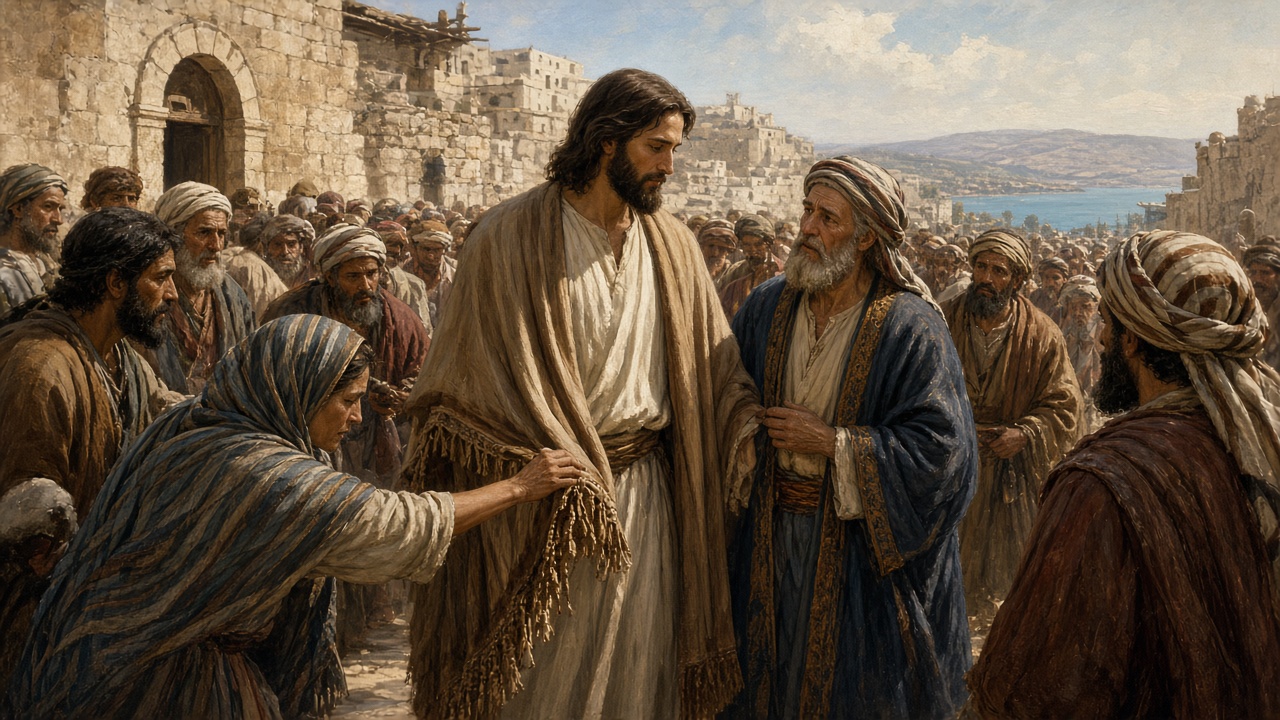
43Amɔ ɔkye̱e̱ ko̱ mɔ bo̱ bamo̱‑rɔ, ne̱ ɔ lɔ ke̱kye̱e̱tɔ bo̱ le̱e̱ fe̱yɛ kiferi ke̱maa‑rɔ ɔ taare̱ bwiino waa iluwi kanɔ ŋko̱. Waa nsu kudu ŋnyɔ ne̱e̱ fe̱yɛ mò̱ a lɔ ane̱ŋ a ko̱lɔ‑ɔ. Ɔko̱ mɔ mo̱ŋ taare̱ kya mò̱ ke̱mo̱. 44Amo̱se̱‑ɔ ne̱ oo lwee ase̱sɛ amo̱‑rɔ yɔ Yeesuu kamɛɛ ya dabo̱rɔ mò̱ waagya kanɔ, ne̱ ɔɔ kpaare̱ puri amo̱‑rɔ mfe̱ŋ.
45Ne̱ Yeesuu a bise fe̱yɛ, “Nsɛ ya dabo̱rɔ mo̱‑ɔ ne̱e̱?”
Ɔke̱maa a tɔwe̱ fe̱yɛ n gye̱ mò̱ ne̱e̱‑ɔ, ne̱ Peetroo yɛ, “Mo̱ nyaŋpe̱, e̱me̱ne̱ ne̱ fo̱ i bise ane̱ŋ, na ase̱sɛ de̱maŋte̱ mɔ a muruwaa fo̱?”
46Ne̱ Yeesuu yɛ, “Amaa mo̱ a pini fe̱yɛ ɔko̱ a dabo̱rɔ mo̱, a le̱e̱ fe̱yɛ mo̱ a ŋu fe̱yɛ e̱le̱ŋ a le̱e̱ mo̱‑rɔ kya ɔko̱.”
47Ɔkye̱e̱ amo̱ a ŋu fe̱yɛ ɔ maa taare̱ a ɔ taa ke̱tɔ ne̱ ɔɔ waa‑ɔ a ɔ bo̱ kwe̱e̱rɔ‑ɔ se̱‑ɔ, ne̱ ɔɔ ba Yeesuu ase̱ na ɔ yo̱ŋ, ne̱ ɔɔ bo̱ kpuni aŋurii mò̱ ayaa‑rɔ. Ase̱sɛ amo̱‑rɔ mfe̱ŋ ne̱ ɔɔ tɔwe̱ gywii Yeesuu ke̱tɔ se̱ ne̱ ɔɔ dabo̱rɔ mò̱‑ɔ na ane̱ŋ ne̱ ɔɔ kpaare̱ puri amo̱‑rɔ mfe̱ŋ‑ɔ. 48Ne̱ Yeesuu yɛ, “Ɔpe̱kye̱e̱, bo̱ le̱e̱ ane̱ŋ ne̱ fo̱ a kɔɔre̱ mo̱ gyi‑o si‑o, fo̱ a kpaare̱. To, nare̱ dame̱naŋsɛ.”
49Saŋ ne̱ Yeesuu e̱ tɔwe̱ amo̱‑ɔ, ne̱ kabɔɔ ko̱ a le̱e̱ Yayerus a lɔŋ‑ɔ‑rɔ bo̱ tɔwe̱ gywii Yayerus fe̱yɛ, “Fo̱ kakye̱e̱sɛɛ‑ɔ a wu, amo̱se̱‑ɔ fo̱ ma lɛɛ sa a ɔkaapo̱po̱‑ɔ kpo̱ne̱ mò̱ e̱ye̱e̱.”
50Amaa Yeesuu a nu ane̱ŋ ne̱ ɔɔ tɔwe̱‑ɔ, ne̱ ɔɔ tɔwe̱ gywii Yayerus fe̱yɛ, “Fo̱ ma sa a fo̱ duŋ te̱ŋ fo̱, fo̱ fe̱raa, fo̱ ya kɔɔre̱ mo̱ gyi, ɔ kpaare̱.”
51Saŋ ne̱ baa fo̱ Yayerus a lɔŋ‑ɔ‑rɔ‑ɔ, Yeesuu mo̱ŋ sa a ɔko̱ lwee mfe̱ŋ ne̱ kakye̱e̱sɛɛ‑ɔ a wu ɔ da‑ɔ bo̱ tii mò̱ se̱, amɔ Peetroo na Yohanee na Yakubu na kakye̱e̱sɛɛ‑ɔ mò̱ se̱ na mò̱ nyi. 52Bamo̱ ne̱ baa saŋ bo̱ bo̱ lɔŋ‑ɔ‑rɔ‑ɔ de̱ŋ ba su kale ba sa kakye̱e̱sɛɛ‑ɔ ne̱e̱. Ne̱ Yeesuu yɛ, “Mo̱ne̱ ma su, a le̱e̱ fe̱yɛ kakye̱e̱sɛɛ‑ɔ mo̱ŋ wu, oo di idi ne̱e̱.”
53Mò̱ a tɔwe̱ ane̱ŋ‑ɔ, baa mɔse̱ mò̱ ne̱e̱, a le̱e̱ fe̱yɛ bo̱ nyi kase̱ŋtiŋ fe̱yɛ kakye̱e̱sɛɛ‑ɔ a wu.
54To, ne̱ Yeesuu a kra kakye̱e̱sɛɛ ne̱ oo wu ɔ da‑ɔ ke̱sare̱e̱‑rɔ, ne̱ ɔɔ te̱e̱ mò̱ fe̱yɛ, “Mo̱ gyi, kyiŋŋi ko̱so̱.” 55Puri amo̱‑rɔ mfe̱ŋ ne̱ oo kyiŋŋi ko̱so̱ ŋkpa na alaŋfiya‑ro. Ne̱ Yeesuu a sa kanɔ fe̱yɛ bo̱ sa kakye̱e̱sɛɛ‑ɔ ko̱tɔko̱ a o gyi. 56Ne̱ kakye̱e̱sɛɛ‑ɔ mò̱ se̱ na mò̱ nyi e̱ye̱e̱ a kpe̱ŋ bamo̱. Amaa Yeesuu yɛ bo̱ ma kaŋ tɔwe̱ ke̱tɔ ne̱ ɔɔ waa‑ɔ gywii ɔko̱.
¿Sabías que…?
Buenas nuevas en el camino de Galilea
- Mientras Jesús iba de pueblo en pueblo, algunas mujeres viajaban con él y con los Doce y los sostenían con sus propios recursos. María es llamada Magdalena por Magdala, su lugar de nacimiento, para distinguirla de las otras Marías; una obra de referencia considera un error identificarla con la mujer descrita como pecadora en el relato anterior. Juana era la esposa de Cuza, administrador de Herodes Antipas, tetrarca de Galilea, y Susana, cuyo nombre significa lirio, es nombrada entre ellas.Fuentes: Mary Magdalene · Joanna · Susanna · el propio texto bíblico
- Pedro, Santiago y Juan, que aparecen con Jesús en este capítulo, eran pescadores en el mar de Galilea. La ciudad natal de Pedro, Betsaida, estaba en la costa occidental, donde se formó como pescador; Santiago, hijo de Zebedeo y uno de los Doce, trabajaba en sociedad con él, y su hermano Juan seguía el mismo oficio en el lago.Fuentes: Simon Peter · James (Son of Zebedee) · John the Apostle · el propio texto bíblico
- Jairo, que rogó a Jesús que fuera porque su única hija se estaba muriendo, es identificado como jefe de la sinagoga en Capernaúm. En la casa, solo Pedro, Santiago y Juan pudieron entrar con el padre y la madre de la niña; después de que ella se levantó, Jesús mandó que le dieran algo de comer.Fuentes: Jairus · el propio texto bíblico
Notas escritas con ayuda de IA a partir de fuentes abiertas (Theographic Bible Metadata, CC BY-SA 4.0; Easton’s Bible Dictionary, dominio público) y revisadas antes de publicarse.
Lugares de este capítulo
Solo aparecen lugares identificados con alta confianza (90 % o más según las fuentes académicas reunidas por OpenBible). Mapa de la época: DARE (Digital Atlas of the Roman Empire), CC BY 4.0; mapa actual: © colaboradores de OpenStreetMap; lugares: OpenBible.info (CC BY 4.0).
Créditos y licencia de esta traducción
Abware̱se̱ŋ Wo̱re̱-ɔ
New Testament in Chumburung (GH:ncu:Chumburung)
copyright © 2010 Wycliffe Bible Translators, Inc.
Language: Chumburung
Translation by: Wycliffe Bible Translators, Inc.
Copyright Information
© 2010, Wycliffe Bible Translators, Inc. All rights reserved.
This translation text is made available to you under the
terms of the Creative Commons License: Attribution-Noncommercial-No Derivative Works.
( http://creativecommons.org/licenses/by-nc-nd/3.0/ )
In addition, you have permission to port the text to different file formats, as long as you
do not change any of the text or punctuation of the Bible.
You may share, copy, distribute, transmit, and extract portions
or quotations from this work, provided that you include the above copyright
information:
You must give Attribution to the work.
You do not sell this work for a profit.
You do not make any derivative works that change any of the actual words or punctuation of the Scriptures.
Permissions beyond the scope of this license may be
available if you contact
us with your request.
The New Testament
in Chumburung
© 2010, Wycliffe Bible Translators, Inc. All rights reserved.
This translation is made available to you under the terms of the
Creative Commons Attribution-Noncommercial-No Derivatives license 4.0.
You may share and redistribute this Bible translation or extracts from it in any format, provided that:
You include the above copyright and source information.
You do not sell this work for a profit.
You do not change any of the words or punctuation of the Scriptures.
Pictures included with Scriptures and other documents on this site are licensed just for use with those Scriptures and documents.
For other uses, please contact the respective copyright owners.
2025-05-16
Fuente: http://ebible.org/ncuNT/ · eBible.org