Lucas 15
Abware̱se̱ŋ Wo̱re̱-ɔ · Toca un versículo para ver sus referencias cruzadas.
Sanne̱ ne̱ ɔɔ fo̱‑ɔ kitee
1Kake ŋko̱ ne̱ leŋpoo akɔɔre̱po̱ bwe̱e̱tɔ na bamo̱ ne̱ bo̱ tii si ne̱ Yudaa awuye e̱ te̱e̱ bamo̱ ɛ e̱bɔye̱ awaapo̱‑ɔ a ba a bo̱ bo̱ nu Yeesuu ase̱ŋ. 2Ne̱ Farisii awuye na Wuribware̱ mbraa akaapo̱po̱ ko̱ ne̱ bo̱ bo̱ mfe̱ŋ‑ɔ a ko̱so̱ ba tɛɛ fe̱yɛ, “Ke̱e̱, ɔnyare̱ mɔ e̱ sa ne̱ abɔye̱waapo̱ e̱ ba mò̱ ase̱, hare̱e̱ mò̱ aa bamo̱ i gyi ateese.”
3Mfe̱ŋ ne̱ Yeesuu a tɔwe̱ kitee mɔ gywii bamo̱. 4“Mo̱nꞌ taa fe̱yɛ mo̱ne̱ ɔko̱ de e̱sanne̱ ke̱lafa, ne̱ ɔ de̱e̱re̱ bamo̱ se̱ e̱fa‑rɔ, ne̱ bamo̱ ɔko̱ ya fo̱, e̱me̱ne̱ ne̱ se̱sɛ‑ɔ e̱ waa? To, ɔ yɔwe̱ adukpanɔɔ na akpanɔɔ ne̱ baa saŋ‑ɔ a ɔ bo̱ sii bamo̱ gyirokpa ne̱e̱, na ɔ ya buwi kpa ɔko̱ŋko̱‑ɔ bo̱ fo̱ saŋ ne̱ o ŋu mò̱‑ɔ. 5Mò̱ ya ŋu mò̱, amɔ mò̱ akatɔ a gyi, na ɔ taa mò̱ bo̱ da abaakpa‑rɔ, 6na ɔ so̱rɔ yaa pe̱. Na ɔ te̱e̱ mò̱ nyare̱‑ana na mò̱ akye̱nabɛɛpo̱ bo̱ gyaŋŋe̱, na ɔ tɔwe̱ gywii bamo̱ fe̱yɛ, ‘Mo̱ a ŋu mo̱ sanne̱ ne̱ ɔɔ fo̱‑ɔ, ne̱ mo̱ akatɔ a gyi, amo̱se̱‑ɔ mo̱nꞌ sa a ane̱ gyi akatɔ.’
7Mo̱ e̱ tɔwe̱ mo̱ i gywii mo̱ne̱ fe̱yɛ ane̱ŋ dɛɛ ne̱ Wuribware̱ na mò̱ mbɔɔ akatɔ i gyi ɔbɔye̱waapo̱ ko̱ŋko̱ ne̱ o nu mò̱ e̱ye̱e̱, na o kiŋŋi le̱e̱ mò̱ e̱bɔye̱‑rɔ‑ɔ se̱, a bo̱ kyo̱ŋ ase̱sɛ adukpanɔɔ na kamɛɛ ne̱ bo̱ yɛ bo̱ kyɔ ba bu Wuribware̱, ne̱ a mo̱ŋ tiri fe̱yɛ bo̱ be̱e̱ nu bamo̱ e̱ye̱e̱‑ɔ.”
Asare̱e̱‑rɔ kapini ne̱ kaa fo̱‑ɔ kitee
8Ne̱ Yeesuu yɛ, “To, mo̱nꞌ be̱e̱ taa fe̱yɛ ɔkye̱e̱ ko̱ de asare̱e̱‑rɔ mpini kudu, ne̱ mmo̱‑rɔ kako̱ŋko̱ ya fo̱, e̱me̱ne̱ ne̱ ɔ waa? To, ɔ kyaŋŋe̱ fetiri ne̱e̱, na ɔ kpa pesi na ɔ kpane̱ mò̱ lɔŋ‑nɔ pɛɛɛ ɔ de̱e̱re̱ dame̱naŋsɛ ɔ kpa kamo̱ ane̱ŋ‑aaa, amɔ ɔ bo̱ ŋu. 9Saŋ ne̱ oo ŋu‑o, na ɔ te̱e̱ mò̱ nyare̱‑ana na mò̱ akye̱nabɛɛpo̱ pɛɛɛ bo̱ gyaŋŋe̱, na ɔ tɔwe̱ gywii bamo̱ fe̱yɛ, ‘Mo̱ a ŋu mo̱ kapini ne̱ kaa fo̱‑ɔ, ne̱ mo̱ akatɔ a gyi, amo̱se̱‑ɔ mo̱nꞌ sa a ane̱ gyi akatɔ.’
10Ane̱ŋ se̱‑ɔ, mo̱ e̱ tɔwe̱ mo̱ i gywii mo̱ne̱ fe̱yɛ ane̱ŋ dɛɛ ne̱ ɔbɔye̱waapo̱ ko̱ŋko̱ kpeŋ gbaa ya nu mò̱ e̱ye̱e̱, ne̱ ɔɔ le̱e̱ mò̱ e̱bɔye̱‑rɔ, ne̱ Wuribware̱ a mbɔɔ‑ɔ akatɔ i gyi mò̱ se̱‑ɔ ne̱e̱.”
Kanyaŋsɛɛ bɔye̱ ne̱ oo nu mò̱ e̱ye̱e̱‑ɔ kitee
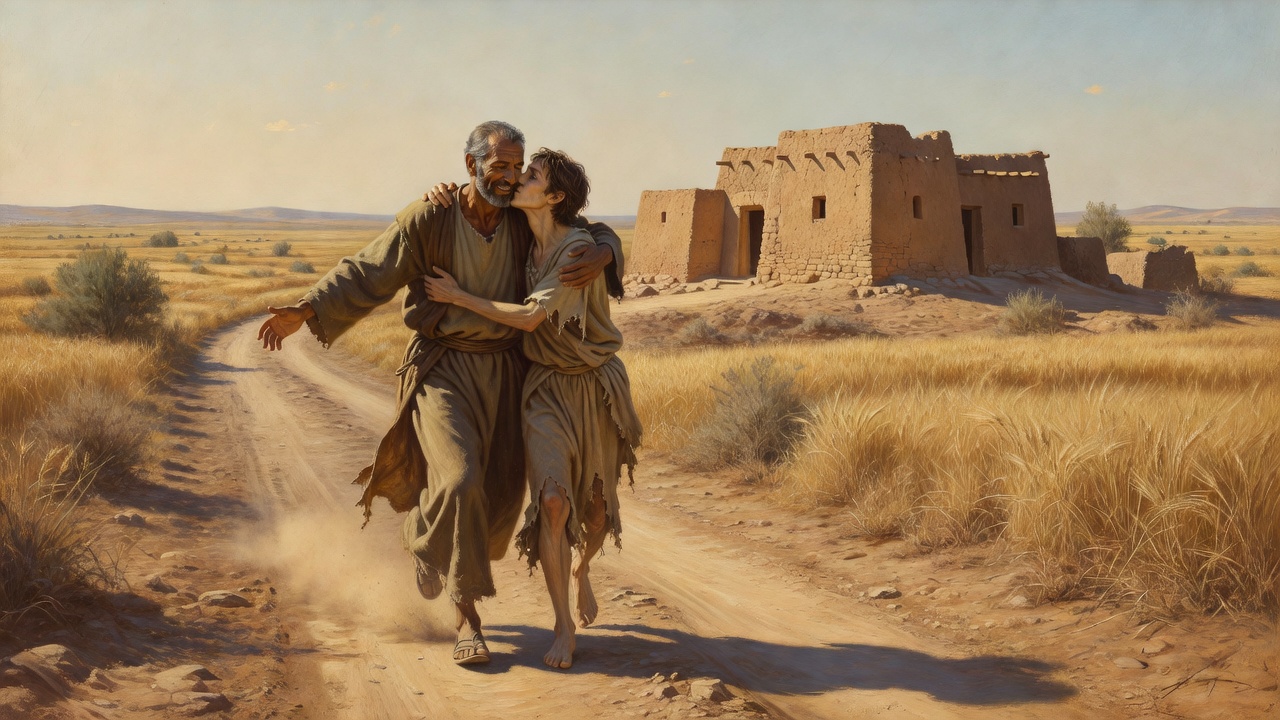
11Mfe̱ŋ ne̱ Yeesuu a kya se̱ tɔwe̱ e̱bɔye̱ awaapo̱ e̱ye̱e̱ kunu ase̱ŋ. Ne̱ ɔɔ tɔwe̱ kitee mɔ gywii bamo̱ fe̱yɛ, “N gye̱ ɔnyare̱ ko̱ ya dɛɛ kye̱na aaa? Ne̱ ɔɔ ko̱we̱ ŋnyaŋsɛɛ ŋnyɔ. Ne̱ baa bo̱ waa ayaafɔre̱. 12Kake ŋko̱ ne̱ mò̱ gyi kagyingyii‑o a tɔwe̱ gywii mò̱ se̱ fe̱yɛ, ‘N se̱, ke fo̱ kapo̱tɛɛ‑rɔ, na fo̱ taa mo̱ lee sa mo̱ mbe̱yɔmɔ.’ Ne̱ mò̱ se̱ a ke‑ro sa bamo̱ abɛɛ anyɔ‑ɔ.
13Ke̱tɔ mo̱ŋ kyee, ne̱ kagyingyii‑o a fe mò̱ kapo̱tɛɛ ne̱ ɔɔ nya‑ɔ pɛɛɛ, ne̱ ɔɔ taa atanne̱‑ɔ. Amo̱ fe̱raa, ɔ mo̱ŋ lɛɛ kye̱na pe̱, ne̱ oo tu kpa yɔ to̱ŋ ko̱ ke̱fɔ ke̱fɔ. Ne̱ ɔɔ ya gyi atanne̱‑ɔ kanɔ‑rɔ lo̱we̱.
14Saŋ ne̱ oo gyi amo̱ pɛɛɛ lo̱we̱, ne̱ ɔ mo̱ŋ lɛɛ o de sɛye̱‑ɔ, ne̱ ako̱ŋ dabe̱ ko̱ a ba swe̱e̱re̱ amo̱ se̱. 15Sɛye̱ ke̱‑mo̱ŋ‑lɛɛ kide se̱‑ɔ, ne̱ ɔɔ yɔ mfe̱ŋ a maŋ‑ɔ kigyi ko̱ ase̱ ya kpa kusuŋ. Ne̱ ɔnyare̱ amo̱ a taa mò̱ fe̱yɛ ɔ de̱e̱re̱ mò̱ aprako si. 16Mfe̱ŋ ne̱ ɔɔ yo̱rɔwe̱ fe̱yɛ ɔ de̱e̱ nya ateese ne̱ aprako‑o i gyi‑o gyi. Amaa aprako ateese amo̱ gbaa, ɔ mo̱ŋ nya ako̱ gyi.
17Amo̱ fe̱raa bo̱ fo̱ saŋ ko̱‑ɔ, ne̱ mfɛɛre̱ timaa a ba mò̱ kuŋu‑ro, ne̱ ɔ yɛ, ‘N se̱ a ayaafɔre̱ ne̱ ba suŋ mò̱‑ɔ pɛɛɛ e̱ nya ateese ba gyi ba kpo̱ne̱, na m bo̱ mfe̱e̱ mo̱ i wu ako̱ŋ. 18Mo̱ i kiŋŋi a ŋ yɔ n se̱ ase̱, na ŋ ya tɔwe̱ gywii mò̱ fe̱yɛ, N se̱, mo̱ a waa bɔye̱ bo̱ kye fo̱ aa Wuribware̱. 19Fo̱ ma lɛɛ te̱e̱ mo̱ ɛ fo̱ gyi, taa mo̱ bo̱ waa fo̱ ayaafɔre̱‑ɔ ɔko̱.’ 20Ne̱ ɔɔ ko̱so̱ me̱raa se̱ kiŋŋi ɔ yɔ mò̱ se̱ ase̱.
Saŋ ne̱ ɔɔ fo̱ pe̱, ne̱ ɔ tɔ lɔŋ‑nɔ‑ɔ, ne̱ mò̱ se̱ a ŋu mò̱ le̱e̱ ke̱fɔ. Ne̱ mò̱ gyi‑o ase̱ŋ a waa mò̱ e̱wɛɛ, ne̱ ɔɔ ŋwɛɛnaŋ ya biri mò̱‑rɔ, ne̱ ɔɔ kyo̱kywe̱e̱ mò̱ ke̱daabɔŋ se̱ sa mò̱ aŋsɛ na ke̱ba pwɛɛ ne̱ mò̱ gyi‑o a dɛɛ ka mò̱ kanɔ.
21Ne̱ mò̱ gyi‑o yɛ, ‘N se̱, mo̱ a waa bɔye̱ bo̱ kye fo̱ aa Wuribware̱. Fo̱ ma lɛɛ te̱e̱ mo̱ ɛ fo̱ gyi.’
22Ne̱ mò̱ se̱ a sa ne̱ ɔɔ yɔwe̱ se̱ŋsa, ne̱ ɔɔ te̱e̱ mò̱ ayaafɔre̱. Ne̱ ɔ yɛ, ‘Mo̱nꞌ waa me̱naŋ taa awaagya timaa ne̱ n de‑o baa bo̱ buŋ mò̱, na mo̱nꞌ ba kapini bo̱ waa mò̱ ke̱sare̱e̱gyi‑ro, na mo̱nꞌ waa mò̱‑rɔ ase̱be̱ta. 23Na ŋkee mo̱nꞌ kra kakpe̱ŋnyare̱e̱ ne̱ ka de mfɔ‑ɔ bo̱ mɔɔ, na ane̱ gyi ateese bo̱ gyi akatɔ. 24A le̱e̱ fe̱yɛ a du ne̱e̱ fe̱yɛ mo̱ gyi mɔ a wu, ne̱ ɔɔ be̱e̱ kyiŋŋi le̱e̱ lowi‑ro‑o. Ɔɔ dɛɛ fo̱, amaa mbe̱yɔmɔ, mo̱ a ŋu mò̱.’ Ne̱ baa le̱e̱ ba gyi akatɔ.
25Amo̱‑ɔ ne̱ a yɔ se̱‑ɔ pɛɛɛ na mò̱ daa ne̱ mò̱ fe̱raa a sii mò̱ se̱ ase̱ pe̱‑ɔ bo̱ ndɔɔ‑rɔ. Ɔɔ le̱e̱ ndɔɔ‑rɔ mfe̱ŋ ɔ ba ɔ tɔ‑rɔ‑ɔ, ne̱ oo nu iliŋ na isoori si bamo̱ lɔŋ‑ɔ‑rɔ. 26Ne̱ ɔɔ te̱e̱ ayaafɔre̱‑ɔ ɔko̱, ne̱ oo bise mò̱ fe̱yɛ, ‘Nte̱tɔ ase̱ŋ ya ba lɔŋ‑nɔ?’ 27Ne̱ ke̱yaafɔre̱‑ɔ yɛ, ‘Fo̱ tire ya kiŋŋi ba pe̱ ŋkpa na alaŋfiya‑ro, ne̱ fo̱ se̱ a mɔɔ kakpe̱ŋnyare̱e̱ ne̱ ka de mfɔ‑ɔ sa mò̱.’
28Ne̱ mò̱ daa‑ɔ duŋ a fwii, ne̱ oo sii ke̱laŋbɛɛ. Ɔ yɛ ɔ maa lwee lɔŋ‑nɔ. Bamo̱ a tɔwe̱ ke̱tɔ ne̱ ɔɔ tɔwe̱‑ɔ gywii mò̱ se̱‑ɔ, ne̱ mò̱ se̱ a le̱e̱ kawu ya ko̱re̱ mò̱ na o lwee lɔŋ‑nɔ. 29Amaa ɔɔ be̱ŋŋaa mò̱ se̱ ne̱e̱ fe̱yɛ, ‘Ke̱e̱ nsu de̱maŋte̱ mɔ ne̱ mo̱ a suŋ sa fo̱ fe̱yɛ mo̱ a gye̱ ke̱nya‑ɔ, ne̱ mo̱ a waa ke̱tɔ ke̱maa ne̱ fo̱ a tɔwe̱‑ɔ. Nte̱tɔ gbaa ne̱ fo̱ a sa mo̱? Fo̱ mo̱ŋ mɔɔ kate̱e̱re̱gyii gbaa sa mo̱, na mo̱ aa mo̱ nyare̱‑ana a wo̱ bo̱ gyi akatɔ. 30Amaa fo̱ gyi mɔ ne̱ ɔɔ ya nye̱ra fo̱ kapo̱tɛɛ akye̱e̱ se̱, ne̱ oo kiŋŋi ba pe̱‑ɔ fe̱raa, fo̱ a mɔɔ kakpe̱ŋnyare̱e̱ ne̱ ka de mfɔ‑ɔ sa mò̱.’
31Ne̱ mò̱ se̱ a be̱ŋŋaa mò̱ fe̱yɛ, ‘Mo̱ gyi, fo̱ fe̱raa, fo̱ bo̱ mfe̱e̱ saŋ ke̱maa, ne̱ mo̱ ke̱tɔ ke̱maa gye̱ fo̱ lee. 32Amaa a bware fe̱yɛ ane̱ gyi akatɔ, bo̱ le̱e̱ fe̱yɛ a du ne̱e̱ fe̱yɛ fo̱ tire mɔ a wu ne̱e̱, ne̱ mbe̱yɔmɔ ɔɔ be̱e̱ kyiŋŋi le̱e̱ lowi‑ro. Ɔɔ fo̱ ne̱e̱, amaa mbe̱yɔmɔ mo̱ a ŋu mò̱.’ ”
Ne̱ Yeesuu yɛ, “Amo̱ e̱ gye̱ saase̱bɛɛ.”
¿Sabías que…?
Perdido y encontrado
- Los recaudadores de impuestos y los pecadores se estaban reuniendo para escuchar a Jesús, y los fariseos y los escribas comenzaron a murmurar que él acoge a los pecadores y come con ellos. Jesús entonces les contó parábolas sobre una oveja perdida, una moneda de plata perdida y un hijo perdido.Fuentes: el propio texto bíblico
- La enseñanza y la sanidad en Perea hacia Jerusalén se registran como comenzando en el año 30 d.C. con una duración de un día.Fuentes: Teaching and Healing in Perea to Jerusalem
Notas escritas con ayuda de IA a partir de fuentes abiertas (Theographic Bible Metadata, CC BY-SA 4.0; Easton’s Bible Dictionary, dominio público) y revisadas antes de publicarse.
Créditos y licencia de esta traducción
Abware̱se̱ŋ Wo̱re̱-ɔ
New Testament in Chumburung (GH:ncu:Chumburung)
copyright © 2010 Wycliffe Bible Translators, Inc.
Language: Chumburung
Translation by: Wycliffe Bible Translators, Inc.
Copyright Information
© 2010, Wycliffe Bible Translators, Inc. All rights reserved.
This translation text is made available to you under the
terms of the Creative Commons License: Attribution-Noncommercial-No Derivative Works.
( http://creativecommons.org/licenses/by-nc-nd/3.0/ )
In addition, you have permission to port the text to different file formats, as long as you
do not change any of the text or punctuation of the Bible.
You may share, copy, distribute, transmit, and extract portions
or quotations from this work, provided that you include the above copyright
information:
You must give Attribution to the work.
You do not sell this work for a profit.
You do not make any derivative works that change any of the actual words or punctuation of the Scriptures.
Permissions beyond the scope of this license may be
available if you contact
us with your request.
The New Testament
in Chumburung
© 2010, Wycliffe Bible Translators, Inc. All rights reserved.
This translation is made available to you under the terms of the
Creative Commons Attribution-Noncommercial-No Derivatives license 4.0.
You may share and redistribute this Bible translation or extracts from it in any format, provided that:
You include the above copyright and source information.
You do not sell this work for a profit.
You do not change any of the words or punctuation of the Scriptures.
Pictures included with Scriptures and other documents on this site are licensed just for use with those Scriptures and documents.
For other uses, please contact the respective copyright owners.
2025-05-16
Fuente: http://ebible.org/ncuNT/ · eBible.org