Juan 12
Abware̱se̱ŋ Wo̱re̱-ɔ · Toca un versículo para ver sus referencias cruzadas.
Ane̱ŋ ne̱ ɔkye̱e̱ ko̱ a twiiri laŋpe̱ŋtaa we̱e̱ Yeesuu ayaa se̱‑ɔ
1Ŋke nsiye a saŋ a bo̱ gyaŋŋe̱ gyi Wuribware̱-a‑kya-ane̱-yɔwe̱ a ateese‑o, ne̱ Yeesuu a yɔ Bɛtaniya kamaŋgyii, ne̱ Yeesuu a kyiŋŋi Lasarus le̱e̱ lowi‑ro‑o‑ro. 2Ne̱ baa waa ateese mfe̱ŋ sa mò̱. Lasarus mò̱ pe̱kye̱e̱, Maataa, e̱ gye̱ ne̱ ɔ waa ke̱tɔ ke̱maa ɔ sa bamo̱ gyikpa. Lasarus tii bamo̱ ne̱ bamo̱ aa Yeesuu te ba gyi ateese‑o si. 3Ne̱ Lasarus mò̱ pe̱kye̱e̱ nyɔse̱po̱ Mariya a taa laŋpe̱ŋtaa kɔne̱kɔne̱sɛ ko̱ praŋto̱wa bo̱rɔ, ne̱ mò̱ yawo̱ bo̱ le̱ŋ bwe̱e̱tɔ‑ɔ bo̱ twiiri we̱e̱ Yeesuu ayaa se̱, ne̱ ɔɔ taa mò̱ ipwii o de ɔ kpɛɛ. Ne̱ laŋpe̱ŋtaa‑ɔ sɔ kɔne̱kɔne̱sɛ a kɔɔre̱ lɔŋ amo̱ pɛɛɛ‑rɔ.
4Ne̱ Yeesuu agyase̱po̱‑ɔ ɔko̱ ne̱ ba te̱e̱ ɛ Yudas Kariyotinyi‑o, mò̱ e̱ gye̱ ne̱ ɔ ba a ɔ bo̱ gyi Yeesuu kidiburo‑o, a tɔwe̱ fe̱yɛ, 5“Nte̱tɔ se̱ ne̱ ɔkye̱e̱ mɔ a nye̱ra laŋpe̱ŋtaa mɔ ne̱ ba taare̱ a bo̱ fe mò̱ siidii ŋkpe̱ŋ nna, na bo̱ taa atanne̱‑ɔ bo̱ sa atiripo̱‑ɔ ne̱e̱?” 6Mò̱ a tɔwe̱ amo̱‑ɔ, n gye̱ sa ne̱ atiripo̱ ase̱ŋ e̱ gye̱ ne̱ a tiri mò̱, amaa bo̱ le̱e̱ ane̱ŋ ne̱ ɔ gye̱ oyu‑o si. Mò̱ ase̱ ne̱ Yeesuu mò̱ aa mò̱ agyase̱po̱‑ɔ atanne̱ bo̱, amaa mò̱‑ɔ mɔ i ywii amo̱ ako̱ o gyi.
7Ne̱ Yeesuu yɛ, “Mo̱nꞌ yɔwe̱ ɔkye̱e̱ amo̱! Mo̱nꞌ sa a ɔ waa ke̱tɔ ne̱ ɔ waa‑ɔ. A le̱e̱ fe̱yɛ ɔɔ taa laŋpe̱ŋtaa mɔ bo̱ be̱ya sa mo̱, na kake nsi ne̱ mo̱ i wu‑o, ɔ taare̱ a ɔ lɔŋŋɔ mo̱ kayo̱wɔre̱, na bo̱ pure mo̱. 8Na atiripo̱ fe̱raa, mo̱ne̱ aa bamo̱ e̱ bo̱‑rɔ kake ke̱maa, amaa m fe̱raa, mo̱ aa mo̱ne̱ maa kye̱na a bo̱ yɔ.”
Kikpuni ne̱ baa da Lasarus kuŋu si‑o
9Ne̱ ase̱sɛ bwe̱e̱tɔ a nu fe̱yɛ Yeesuu bo̱ Bɛtaniya kamaŋgyii‑ro, amaa n gye̱ Yeesuu wo̱re̱ se̱ ne̱ baa yɔ mfe̱ŋ, amaa baa yɔ a bo̱ ya ŋu Lasarus ne̱ Yeesuu a kyiŋŋi le̱e̱ lowi‑ro‑o ne̱e̱. 10Amo̱se̱‑ɔ ne̱ Wuribware̱ alɔŋŋɔpo̱ abre̱sɛ‑ɔ a da Lasarus kuŋu si kikpuni fe̱yɛ bo̱ mɔɔ mò̱ gbaa mò̱. 11A le̱e̱ fe̱yɛ ane̱ŋ mɔ ne̱ Yeesuu a waa‑ɔ se̱‑ɔ, Yudaa awuye‑o bwe̱e̱tɔ a le̱e̱ ba kine bamo̱ Wuribware̱ alɔŋŋɔpo̱‑ɔ, ne̱ ŋkee ba kɔɔre̱ Yeesuu ba gyi.
Ane̱ŋ ne̱ Yeesuu a yɔ Yɛro̱salɛm maŋ‑nɔ‑ɔ
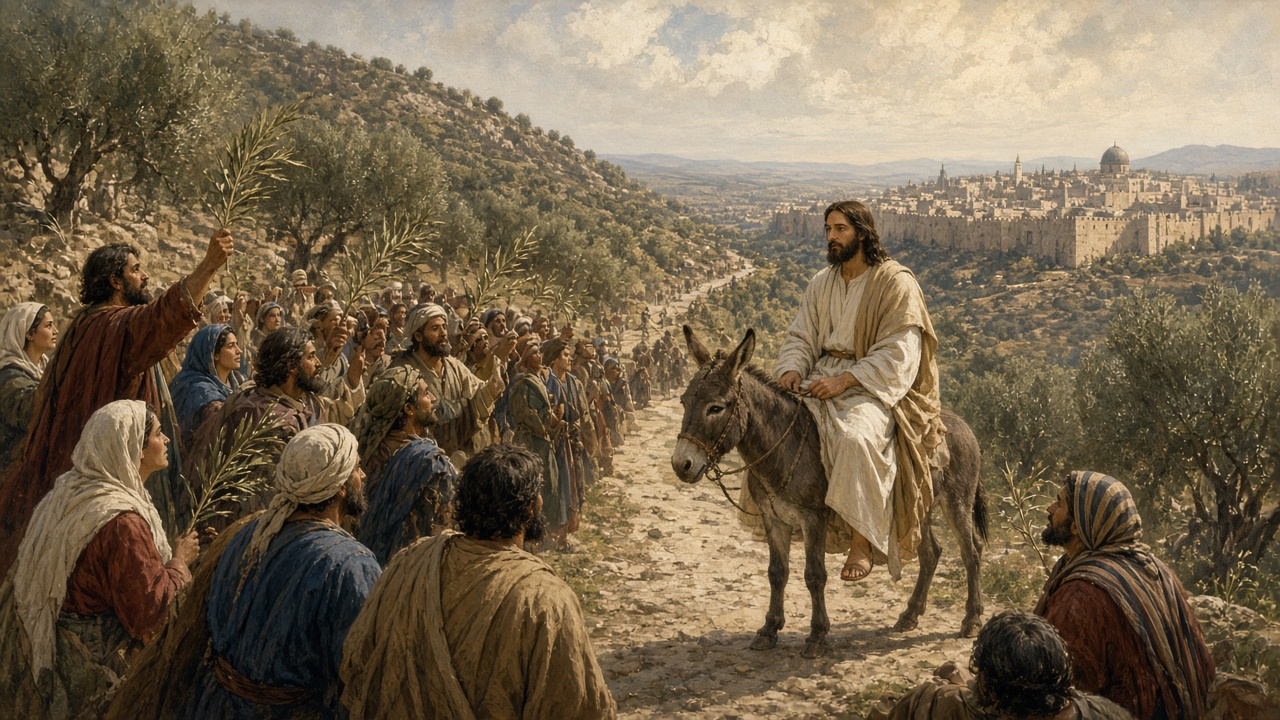
12Kaye̱ ŋke‑o, ne̱ ase̱sɛ ne̱ baa ba Wuribware̱-a‑kya-ane̱-yɔwe̱ a ateese kigyibe̱e̱‑ɔ‑rɔ‑ɔ a nu fe̱yɛ Yeesuu e̱ ba Yɛro̱salɛm maŋ‑nɔ. 13Amo̱se̱ se̱‑ɔ ne̱ baa ŋeri mbeŋ afe̱raa, ne̱ baa ya gyaŋŋaa mò̱. Na ba fɛɛ‑rɔ fe̱yɛ,
“Mo̱nꞌ sa a ane̱ da Wuribware̱ kakyirele.
Wuribware̱ yure mò̱ ne̱ ɔ ba mò̱ ke̱nyare̱‑rɔ‑ɔ.
Wuribware̱ yure ane̱ Isireelii swe̱e̱re̱ se̱ owure.”
14Ne̱ Yeesuu a ŋu kakurumagyii ko̱ ye̱re̱, ne̱ ɔɔ de̱e̱ kye̱na se̱, fe̱yɛ ane̱ŋ ne̱ abware̱se̱ŋ wo̱re̱‑ɔ a de̱ŋ tɔwe̱ fe̱yɛ,
15“Mo̱ne̱ ɔke̱maa ne̱ o te Yɛro̱salɛm maŋ‑nɔ‑ɔ!
Mo̱nꞌ sa a mo̱ne̱ akatɔ gyi.
Mo̱nꞌ ke̱e̱ mo̱ne̱ owure a de̱e̱ kakurumagyii ɔ ba.”
16Saŋ ne̱ ɔɔ waa amo̱‑ɔ, mò̱ agyase̱po̱‑ɔ mo̱ŋ nu kaase̱. Amaa saŋ ne̱ Yeesuu a wu, ne̱ oo kyiŋŋi o yii Wuribware̱ se̱‑ɔ, ne̱ baa nyiŋŋi si fe̱yɛ abware̱se̱ŋ wo̱re̱‑ɔ a kyɔ tɔwe̱ mò̱ ase̱ŋ amo̱, ne̱ bo̱ yɛ, “Ane̱ŋ ne̱ ane̱ a waa‑ɔ ne̱e̱.”
17Ne̱ ase̱sɛ ne̱ bo̱ bo̱ Yeesuu ase̱ saŋ ne̱ ɔɔ te̱e̱ Lasarus le̱e̱ ke̱gye̱raŋta‑rɔ, ne̱ oo kyiŋŋi mò̱ le̱e̱ lowi‑ro‑o, a le̱e̱ tɔwe̱ ke̱tɔ ne̱ baa ŋu‑o. 18Amo̱ ya sa ne̱ ase̱sɛ bwe̱e̱tɔ a yɔ ya gyaŋŋaa Yeesuu kpa‑rɔ‑ɔ. Baa nu le̱e̱ bo̱ko̱‑ɔ ase̱ fe̱yɛ mò̱ ya waa ane̱ŋ a akpe̱ŋe̱ye̱e̱tɔ mɔ. 19Ne̱ Farisii awuye‑o e̱ tɔwe̱ ba gywii abɛɛ fe̱yɛ, “Mo̱ne̱ a ŋu aaa? Ane̱ ase̱ŋ‑ɔ maa kpa a a kra pɛɛɛ‑ɔ. Mo̱nꞌ ke̱e̱ fe̱yɛ kaye̱‑rɔ ase̱sɛ pɛɛɛ a gya mò̱ se̱!”
Ane̱ŋ ne̱ Griiki awuye ko̱ a buwi kpa Yeesuu‑o
20Amɔ Griiki awuye‑o bo̱ko̱ tii bamo̱ ne̱ baa yɔ Yɛro̱salɛm maŋ‑nɔ ya suŋ Wuribware̱ saŋ ne̱ ba gyi Wuribware̱-a‑kya-ane̱-yɔwe̱ a ateese‑o si. 21Ne̱ baa ba Filipo ase̱, ne̱ bo̱ yɛ, “Ɔbre̱sɛ, ane̱ e̱ kpa a ane̱ ŋu Yeesuu ne̱e̱.” (Filipo mɔ gye̱ Yeesuu agyase̱po̱‑ɔ ɔko̱, ne̱ ɔɔ le̱e̱ Bɛtɛsaye̱da maŋ‑nɔ Galile̱ya swe̱e̱re̱ se̱ ne̱e̱.) 22Ne̱ Filipo a ya tɔwe̱ gywii Andruu, ne̱ bamo̱ abɛɛ anyɔ a ya tɔwe̱ ke̱tɔ ne̱ ase̱sɛ amo̱ e̱ kpa‑ɔ gywii Yeesuu.
23Ne̱ Yeesuu a tɔwe̱ fe̱yɛ, “Mo̱, dimaadi mò̱ gyi‑o, saŋ a fo̱ fe̱yɛ bo̱ sa mo̱ ke̱dabe̱ na wuraa. 24Mo̱ i gyi mo̱ne̱ kase̱ŋtiŋ fe̱yɛ ke̱yaabraagyi ya sii atɔ‑rɔ, ke̱ maa waa sɛye̱, amaa ke̱mo̱ ya le̱e̱ da e̱se̱‑rɔ fe̱raa, ke̱ e̱ kwɛɛ, na kigyi de̱daa‑ɔ wu na ke̱po̱pwɛɛ‑ɔ daŋ ko̱we̱ ayaabraagyi bwe̱e̱tɔ. 25Ane̱ŋ dɛɛ ne̱ ɔke̱maa ne̱ ɔ kpa mò̱ fɔŋfɔŋ ŋkpa bwe̱e̱tɔ‑ɔ e̱ paŋ mmo̱ ne̱e̱. Ɔke̱maa mɔ ne̱ mò̱ fɔŋfɔŋ ŋkpa ase̱ŋ mo̱ŋ tiri mò̱ bwe̱e̱tɔ kaye̱ mɔ‑rɔ‑ɔ e̱ nya ŋkpa na kukyure ne̱ a mo̱ŋ de kɛɛ‑ɔ. 26Ɔke̱maa ne̱ ɔ kpa fe̱yɛ o suŋ sa mo̱‑ɔ, amo̱ fe̱raa ɔ gya mo̱ se̱, na o nu mo̱ kanɔ. Na mò̱ ne̱ o suŋ ɔ sa mo̱‑ɔ ba bo̱ tii mo̱ se̱, na ɔ yɔ to̱ŋ ke̱maa ne̱ mo̱ e̱ yɔ‑ɔ. Ɔke̱maa ne̱ o suŋ ɔ sa mo̱‑ɔ, n se̱ Wuribware̱ e̱ bo̱nyaa mò̱.”
Ane̱ŋ ne̱ Yeesuu a tɔwe̱ mò̱ lowi ase̱ŋ‑ɔ
27Ne̱ Yeesuu a kya se̱ tɔwe̱ fe̱yɛ, “Mbe̱yɔmɔ mo̱ kakpo̱nɔ‑rɔ a nye̱ra. Amɔ n tɔwe̱ gywii n se̱ a o kuŋ ase̱ŋ mɔ ne̱ a kpa a ba mo̱ se̱‑ɔ bɛɛɛ? Daabii! Amo̱ se̱ ne̱ mo̱ a ba. Mo̱ a ba ne̱e̱ a m bo̱ gyi faanɛɛ a awo̱re̱fɔɔ mɔ, na ŋ wu saŋ ko̱ŋko̱ mɔ‑rɔ.” 28Ne̱ ɔɔ ko̱re̱ ke̱bware̱ko̱re̱ fe̱yɛ, “N se̱, sa a fo̱ nya ke̱nyare̱ dabe̱ na wuraa.”
Puri amo̱‑rɔ, ne̱ oo nu bo̱re̱ ko̱ le̱e̱ so̱so̱ fe̱yɛ, “Mo̱ a nya ke̱nyare̱ dabe̱ na wuraa, na m be̱e̱ sa a ŋ nya.”
29Ase̱sɛ ne̱ bo̱ ye̱re̱ mfe̱ŋ‑ɔ a nu bo̱re̱‑ɔ, ne̱ bamo̱ bo̱ko̱ yɛ baa nu ne̱e̱ fe̱yɛ bware̱ a su‑ro. Ne̱ bo̱ko̱ mɔ yɛ, “Wuribware̱ kabɔɔ ya sa se̱ŋsa gywii mò̱.”
30Amaa Yeesuu a tɔwe̱ gywii bamo̱ ne̱e̱ fe̱yɛ, “N gye̱ mo̱ se̱ ne̱ bo̱re̱ mɔ ne̱ mo̱ne̱ a nu mò̱ le̱e̱ so̱so̱‑ɔ a sa se̱ŋsa, amaa mo̱ne̱ se̱ ne̱ ɔɔ sa na mo̱nꞌ nya nu. 31Mbe̱yɔmɔ e̱ gye̱ saŋ ne̱ Wuribware̱ i gyi kaye̱‑rɔ ase̱sɛ ase̱ŋ, na o tu Ɔbɔnsam ne̱ bo̱ fo̱ mbe̱yɔmɔ o de kaye̱‑rɔ ase̱sɛ mfɛɛre̱ se̱ ke̱yaale̱ŋ‑ɔ le̱e̱ mò̱ ke̱yaale̱ŋ‑ɔ se̱. 32Bamo̱ ya yase̱ mo̱ so̱so̱, mo̱ i gyiiri ase̱sɛ pɛɛɛ a m baa mo̱ ase̱.” 33Mò̱ a tɔwe̱ amo̱‑ɔ, ase̱sɛ e̱ ye̱re̱ amo̱ se̱ a bo̱ bo̱ pini lowi suyo ne̱ ɔ ba a ɔ bo̱ wu‑o.
34Ne̱ ase̱sɛ‑ɔ a lee kanɔ fe̱yɛ, “A bo̱ Wuribware̱ mbraa a wo̱re̱‑ɔ‑rɔ fe̱yɛ Kristoo‑o e̱ kye̱na nsu pɛɛɛ. Ne̱ e̱me̱ne̱ se̱ ne̱ fo̱ e̱ tɔwe̱ fe̱yɛ a tiri fe̱yɛ bo̱ yase̱ dimaadi mò̱ gyi‑o so̱so̱? Ne̱ ŋkee, nsɛ e̱ gye̱ dimaadi mò̱ gyi ne̱ fo̱ e̱ tɔwe̱ mò̱ ase̱ŋ‑ɔ ne̱e̱? Fo̱ fɔŋfɔŋ ase̱ŋ ne̱ fo̱ e̱ tɔwe̱, bɛɛɛ ɔko̱‑ɔ aaa?”
35Ne̱ Yeesuu a tɔwe̱ gywii bamo̱ fe̱yɛ, “N du fe̱yɛ ke̱laŋŋe̱rɔ‑ɔ. Ke̱laŋŋe̱rɔ‑ɔ e̱ laŋŋe̱ mo̱ne̱‑rɔ a ki kyee kafwe̱e̱. Ane̱ŋ se̱‑ɔ, mo̱nꞌ kya mo̱ne̱ kpa se̱ nare̱ nsaŋ ne̱ ke̱laŋŋe̱rɔ bo̱‑rɔ‑ɔ, na kibugyii ma nya da mo̱ne̱ kpa‑rɔ. A le̱e̱ fe̱yɛ ɔke̱maa ne̱ ɔ naa kibugyii‑ro‑o mo̱ŋ nyi mfe̱ŋ ne̱ ɔ yɔ‑ɔ. 36Amo̱se̱, mo̱ a saŋ m bo̱ mo̱ne̱ ase̱‑ɔ, mo̱nꞌ kɔɔre̱ mo̱ gyi, na mo̱nꞌ nya kii ase̱sɛ ne̱ bo̱ te ke̱laŋŋe̱rɔ‑ɔ‑rɔ‑ɔ.”
Ane̱ŋ ne̱ ase̱sɛ ko̱ a kine ko̱kɔɔre̱ Yeesuu gyi‑o
Yeesuu a tɔwe̱ amo̱‑ɔ kamɛɛ‑rɔ, ne̱ ɔɔ le̱e̱ mfe̱ŋ ya kwe̱e̱rɔ bamo̱ se̱. 37Amaa ɔɔ waa akpe̱ŋe̱ye̱e̱tɔ bwe̱e̱tɔ, ne̱ bamo̱ akatɔ a ŋu, amo̱ pɛɛɛ gbaa bo̱ mo̱ŋ kɔɔre̱ mò̱ gyi. 38Ane̱ŋ ne̱ Wuribware̱ kyaamɛɛ Isaya ne̱ ɔɔ dɛɛ kye̱na‑ɔ a tɔwe̱‑ɔ a ba‑rɔ kase̱ŋtiŋ fe̱yɛ,
“Wuribware̱, ɔko̱ bo̱‑rɔ ne̱ ɔɔ kɔɔre̱ ase̱ŋ
ne̱ ane̱ a tɔwe̱‑ɔ gyi aaa?
Ne̱ ɔko̱ bo̱‑rɔ ne̱ fo̱ a sa ne̱ oo ŋu ane̱ŋ ne̱ fo̱ e̱ kaapo̱
fo̱ ke̱yaale̱ŋ de̱maŋte̱‑ɔ ɔɔɔ?”
39Isaya a tɔwe̱ ke̱tɔ se̱ ne̱ bo̱ mo̱ŋ taare̱ kɔɔre̱ gyi‑o, ɔ yɛ,
40“Wuribware̱ a buŋ bamo̱ akatɔ se̱,
ne̱ ɔɔ sa ne̱ bamo̱ aŋu‑ro a waa le̱ŋ,
Le̱e̱ ane̱ŋ se̱‑ɔ, bamo̱ akatɔ maa buŋŋi a bo̱ ŋu atɔ,
ne̱ bamo̱ mfɛɛre̱ maa sa a bo̱ nu ase̱ŋ kaase̱,
ne̱ bo̱ maa nu bamo̱ e̱ye̱e̱,
na ɔ taa bamo̱ e̱bɔye̱ bo̱ ke bamo̱.”
41Ke̱tɔ se̱ ne̱ Isaya a tɔwe̱ amo̱‑ɔ e̱ gye̱ fe̱yɛ oo ŋu Yeesuu ke̱yaale̱ŋ ne̱ ko̱ kyɔ‑ɔ, ne̱ ɔɔ tɔwe̱ mò̱ ase̱ŋ.
42Amo̱‑ɔ pɛɛɛ gbaa Yudaa awuye abre̱sɛ‑ɔ bwe̱e̱tɔ a kɔɔre̱ mò̱ gyi, amaa Farisii awuye‑o si‑o kufu de bamo̱, amo̱se̱ se̱‑ɔ bo̱ mo̱ŋ lee amo̱ kawu. Kufu de bamo̱ fe̱yɛ bamo̱ ya tɔwe̱ amo̱ ase̱ŋ kawu si, Farisii awuye‑o maa lɛɛ sa bamo̱ kpa a bo̱ lwee bamo̱ ke̱bware̱ko̱re̱kyaŋ‑ɔ‑rɔ. 43Ba kpa ase̱sɛ nkyo̱rɔ bo̱ kyo̱ŋ Wuribware̱ nkyo̱rɔ.
Abware̱se̱ŋ ne̱ Yeesuu ye̱re̱ se̱ o de o bu ke̱pɔ‑ɔ
44Ne̱ Yeesuu a yase̱ mò̱ bo̱re̱ tɔwe̱ fe̱yɛ, “Ɔke̱maa ne̱ ɔ kɔɔre̱ mo̱ o gyi‑o, n gye̱ mo̱ wo̱re̱ ne̱ ɔ kɔɔre̱ o gyi, amaa ɔ kɔɔre̱ n se̱ ne̱ oo suŋ mo̱‑ɔ gbaa o gyi. 45Ane̱ŋ dɛɛ ne̱ ɔke̱maa ne̱ o ŋu mo̱‑ɔ i ŋu mò̱ ne̱ oo suŋ mo̱‑ɔ. 46Mo̱ a ba kaye̱‑rɔ fe̱yɛ ke̱laŋŋe̱rɔ‑ɔ ne̱e̱, na ɔke̱maa ne̱ ɔ kɔɔre̱ mo̱ o gyi‑o ma nya sii kibugyii‑ro.
47Amaa ɔke̱maa ne̱ o nu mo̱ ase̱ŋ, ne̱ ɔ maa bu amo̱‑ɔ, n gye̱ mo̱ e̱ gye̱ ne̱ mo̱ i bu mò̱ ke̱pɔ, a le̱e̱ fe̱yɛ mo̱ŋ ba ne̱e̱ a m bo̱ bu kaye̱‑rɔ ase̱sɛ ke̱pɔ. Mo̱ a ba ne̱e̱ a m bo̱ mo̱rɔwe̱ bamo̱.
48To, se̱sɛ ne̱ o kine mo̱, ne̱ ɔ maa gya mo̱ kanɔ se̱‑ɔ de ɔko̱ ne̱ o bu mò̱ ke̱pɔ‑ɔ. Mò̱ e̱ gye̱ Wuribware̱ ne̱ mo̱ a tɔwe̱ mò̱ ase̱ŋ‑ɔ. Mò̱ e̱ gye̱ ne̱ o bu mò̱ ke̱pɔ. 49N gye̱ mo̱ fɔŋfɔŋ ke̱yaale̱ŋ se̱ ne̱ mo̱ a tɔwe̱, amaa n se̱ ne̱ oo suŋ mo̱‑ɔ ya sa mo̱ kanɔ fe̱yɛ n tɔwe̱. 50Mbe̱yɔmɔ ŋ nyi fe̱yɛ ɔke̱maa ne̱ mò̱ ya nu n se̱ kanɔ‑ɔ e̱ nya ŋkpa na kukyure ne̱ a mo̱ŋ de kɛɛ‑ɔ. Amo̱se̱‑ɔ, ke̱tɔ ne̱ mo̱ e̱ tɔwe̱‑ɔ e̱ gye̱ ane̱ŋ ne̱ n se̱ a tɔwe̱ gywii mo̱ fe̱yɛ n tɔwe̱‑ɔ.”
¿Sabías que…?
La unción en Betania y la entrada en Jerusalén
- Betania, adonde Jesús llegó seis días antes de la Pascua, estaba a unas dos millas al este de Jerusalén, en la ladera sureste del monte de los Olivos, junto al camino a Jericó, y tomó su nombre de las palmeras que crecían allí. Era el hogar de Lázaro, a quien Jesús había resucitado de entre los muertos después de cuatro días en el sepulcro, y de sus hermanas Marta y María; los principales sacerdotes planearon matar también a Lázaro, porque por causa de él mucha gente estaba creyendo en Jesús.Fuentes: el propio texto bíblico · Bethany · Lazarus
- En una cena en la que Marta servía y Lázaro estaba reclinado a la mesa, María ungió los pies de Jesús con alrededor de una pinta de perfume costoso hecho de nardo puro y los secó con sus cabellos, de modo que la casa se llenó de la fragancia. Judas Iscariote, hijo de Simón, cuyo sobrenombre significa un hombre de Kerioth, preguntó por qué el perfume no se vendió por trescientos denarios para los pobres; era un ladrón que, como encargado de la bolsa, solía sacar de lo que se ponía en ella, y iba a traicionar a Jesús.Fuentes: el propio texto bíblico · Judas Iscariot · Simon
- Al día siguiente, la gran multitud que había venido para la fiesta tomó ramas de palma y salió al encuentro de Jesús, que venía a Jerusalén sentado en un burrito, gritando alabanza al Rey de Israel, como está escrito acerca de la Hija de Sion. Sion era la colina sureste de Jerusalén, donde David construyó una ciudadela y un palacio después de tomarla, de modo que llegó a ser la ciudad de David. Al principio sus discípulos no entendieron estas cosas, pero después de que Jesús fue glorificado recordaron que también habían sido escritas acerca de él.Fuentes: el propio texto bíblico · Zion
Notas escritas con ayuda de IA a partir de fuentes abiertas (Theographic Bible Metadata, CC BY-SA 4.0; Easton’s Bible Dictionary, dominio público) y revisadas antes de publicarse.
Lugares de este capítulo
- Jerusalem · 31.777, 35.234 · versículos 11, 12, 20
- Zion · Hoy: Jerusalem · 31.777, 35.234 · versículo 15
- Galilee · 32.760, 35.527 · versículo 21
Solo aparecen lugares identificados con alta confianza (90 % o más según las fuentes académicas reunidas por OpenBible). Mapa de la época: DARE (Digital Atlas of the Roman Empire), CC BY 4.0; mapa actual: © colaboradores de OpenStreetMap; lugares: OpenBible.info (CC BY 4.0).
Créditos y licencia de esta traducción
Abware̱se̱ŋ Wo̱re̱-ɔ
New Testament in Chumburung (GH:ncu:Chumburung)
copyright © 2010 Wycliffe Bible Translators, Inc.
Language: Chumburung
Translation by: Wycliffe Bible Translators, Inc.
Copyright Information
© 2010, Wycliffe Bible Translators, Inc. All rights reserved.
This translation text is made available to you under the
terms of the Creative Commons License: Attribution-Noncommercial-No Derivative Works.
( http://creativecommons.org/licenses/by-nc-nd/3.0/ )
In addition, you have permission to port the text to different file formats, as long as you
do not change any of the text or punctuation of the Bible.
You may share, copy, distribute, transmit, and extract portions
or quotations from this work, provided that you include the above copyright
information:
You must give Attribution to the work.
You do not sell this work for a profit.
You do not make any derivative works that change any of the actual words or punctuation of the Scriptures.
Permissions beyond the scope of this license may be
available if you contact
us with your request.
The New Testament
in Chumburung
© 2010, Wycliffe Bible Translators, Inc. All rights reserved.
This translation is made available to you under the terms of the
Creative Commons Attribution-Noncommercial-No Derivatives license 4.0.
You may share and redistribute this Bible translation or extracts from it in any format, provided that:
You include the above copyright and source information.
You do not sell this work for a profit.
You do not change any of the words or punctuation of the Scriptures.
Pictures included with Scriptures and other documents on this site are licensed just for use with those Scriptures and documents.
For other uses, please contact the respective copyright owners.
2025-05-16
Fuente: http://ebible.org/ncuNT/ · eBible.org