Efesios 5
Abware̱se̱ŋ Wo̱re̱-ɔ · Toca un versículo para ver sus referencias cruzadas.
Kristoo awuye kye̱na ke̱laŋŋe̱rɔ‑rɔ
1Amo̱ a tɛɛ a du mfaanɛɛ ne̱ mo̱ne̱ a tɛɛ kii Wuribware̱ mò̱ gyi‑ana ne̱ ɔ kpa bamo̱ ase̱ŋ bwe̱e̱tɔ‑ɔ se̱‑ɔ, mo̱nꞌ de̱e̱ kase̱ mò̱‑rɔ. 2Mo̱nꞌ de̱e̱ kpa abɛɛ ase̱ŋ mo̱ne̱ kakye̱na‑rɔ fe̱yɛ ane̱ŋ ne̱ Kristoo a kpa ane̱ ase̱ŋ, ne̱ ɔɔ ba mò̱ fɔŋfɔŋ kayo̱wɔre̱ bo̱ lɔŋŋɔ ane̱ aa Wuribware̱ ke̱bo̱ŋtɔ‑rɔ, ne̱ Wuribware̱ akatɔ a gyi ane̱ŋ a ko̱lɔŋŋɔ‑ɔ se̱‑ɔ. 3Amaa mo̱ne̱ a gye̱ Wuribware̱ ase̱sɛ‑ɔ se̱‑ɔ, a mo̱ŋ bware fe̱yɛ mo̱ne̱ ɔko̱ waa kakye̱e̱kpa bɛɛɛ kanyare̱kpa bɛɛɛ kipurima bɛɛɛ o de nyase̱pee. 4A be̱e̱ a mo̱ŋ bware fe̱yɛ mo̱nꞌ tɔwe̱ anye̱rase̱ŋ, bɛɛɛ mo̱nꞌ sa e̱se̱ŋsa ne̱ e̱ mo̱ŋ de kanyiase̱ŋ‑ɔ. Ŋkee mo̱nꞌ yɔwe̱ isoori bɔye̱, amaa Wuribware̱ ne̱ mo̱nꞌ de̱e̱ sa mò̱ aŋsɛ. 5Mo̱ i yii mo̱ne̱ se̱ fe̱yɛ ɔke̱maa ne̱ ɔ waa kakye̱e̱kpa bɛɛɛ kanyare̱kpa‑ɔ bɛɛɛ o puri‑o bɛɛɛ o de nyase̱pee‑o maa taare̱ a o tii Kristoo na Wuribware̱ a kuwure‑o si. Nyase̱pee du ne̱e̱ fe̱yɛ se̱sɛ a yɔwe̱ Wuribware̱, ne̱ o suŋ ate̱tɔmo̱ŋta‑ɔ.
6Mo̱ne̱ ma sa a ɔko̱ ba aye̱ba bo̱ pe̱nna mo̱ne̱, a le̱e̱ fe̱yɛ Wuribware̱ duŋ i fwii ɔke̱maa ne̱ ɔ waa ane̱ŋ a e̱bɔye̱‑ɔ se̱, na ɔ ba bo̱ gyiiri mò̱ ke̱se̱bɔ. 7Amo̱se̱‑ɔ mo̱ne̱ aa ane̱ŋ a ase̱sɛ‑ɔ ma nare̱. 8Saŋ ko̱‑ɔ a dɛɛ a du ne̱e̱ fe̱yɛ kibugyii a bo̱ mo̱ne̱ ŋkpo̱nɔ‑rɔ‑ɔ. Amaa mbe̱yɔmɔ fe̱raa, a du ne̱e̱ fe̱yɛ ane̱ nyaŋpe̱ a ke̱laŋŋe̱rɔ‑ɔ a bo̱ mo̱ne̱ ŋkpo̱nɔ‑rɔ‑ɔ. Ne̱ ke̱ e̱ laŋŋe̱ ase̱sɛ akatɔ‑rɔ. Amo̱se̱‑ɔ mo̱nꞌ de̱e̱ nare̱ fe̱yɛ ase̱sɛ ne̱ ba laŋŋe̱‑rɔ kaye̱ mɔ‑rɔ‑ɔ. 9Ke̱laŋŋe̱rɔ e̱ bo̱ mo̱ne̱ ŋkpo̱nɔ‑rɔ, mo̱ne̱ e̱ waa itimaa na ke̱dame̱naŋsɛ, ne̱ mo̱ne̱ i gyi kase̱ŋtiŋ. 10Na mo̱nꞌ de̱e̱ buwi kpa atɔ ne̱ a pre̱ ane̱ nyaŋpe̱ Yeesuu‑o. 11Kibugyii a atɔ bɔye̱‑ɔ fe̱raa mo̱ŋ de to̱nɔ ke̱maa. Mo̱ne̱ ma tii bamo̱ ne̱ ba waa ane̱ŋ a atɔ bɔye̱ mɔ‑ɔ se̱. Ke̱tɔ ne̱ mo̱nꞌ waa‑ɔ e̱ gye̱ fe̱yɛ mo̱nꞌ de̱e̱ ko̱so̱ ye̱re̱ lamaŋ‑nɔ, na mo̱nꞌ de̱e̱ tɔwe̱ gywii bamo̱ fe̱yɛ ke̱tɔ ne̱ ba waa‑ɔ mo̱ŋ bware. 12Kase̱ŋtiŋ si fe̱raa e̱bɔye̱ ne̱ ba waa ba kwe̱e̱rɔ‑ɔ mo̱ŋ bɔ pɛɛɛ. Ane̱ŋ se̱‑ɔ, e̱mo̱ ase̱ŋ ko̱tɔwe̱ gbaa de ipeere. 13Amaa mo̱ne̱ ke̱kye̱nagyi ne̱ mo̱ne̱ te ke̱mo̱ ke̱laŋŋe̱rɔ‑rɔ‑ɔ e̱ gye̱ ne̱ ke̱ e̱ kaapo̱ bamo̱ ane̱ŋ ne̱ bamo̱ e̱bɔye̱‑ɔ mo̱ŋ bo̱ daŋ‑ɔ. A le̱e̱ fe̱yɛ ke̱laŋŋe̱rɔ‑rɔ ne̱ ase̱sɛ i ŋu ke̱tɔ ke̱maa nɛɛnɛɛ. Fe̱yɛ ane̱ŋ ne̱ Wuribware̱ a tɔwe̱ kiliŋ mɔ‑rɔ‑ɔ. Ɔ yɛ,
“Idi wuye eee, kyiŋŋi kye̱na le̱e̱ lowi‑ro,
na Kristoo a ke̱laŋŋe̱rɔ‑ɔ nya we̱e̱ fo̱ se̱.”
15Amo̱se̱‑ɔ mo̱nꞌ sa mo̱ne̱ ke̱bo̱rɔgyi si. Mo̱nꞌ kine ke̱gya kanyiase̱ŋ ke̱‑mo̱ŋ‑de e̱kpa se̱. Amaa mo̱nꞌ gya e̱kpa ne̱ i de kanyiase̱ŋ‑ɔ se̱. 16Na mo̱nꞌ ba mo̱ne̱ saŋ bo̱ waa kusuŋ timaa, a le̱e̱ fe̱yɛ mbe̱yɔmɔ fe̱raa e̱bɔye̱ dooo ya bo̱rɔ‑rɔ. 17Amo̱se̱‑ɔ mo̱nꞌ gyii kanyiase̱ŋ, na mo̱nꞌ le̱ŋ e̱ye̱e̱ nu ke̱tɔ ne̱ Wuribware̱ e̱ kpa fe̱yɛ mo̱nꞌ waa‑ɔ kaase̱.
18Mo̱ne̱ ma nuu nta bwe̱e̱, a le̱e̱ fe̱yɛ a sa a mo̱ne̱ ma taare̱ kra mo̱ne̱ e̱ye̱e̱. Na mo̱ne̱ ma taare̱ a mo̱nꞌ kuŋ mo̱ne̱ e̱ye̱e̱ fe̱yɛ mo̱ne̱ maa lwee e̱bɔye̱‑rɔ. Amaa mo̱nꞌ de̱e̱ sa a Wuribware̱ a kufwiiŋe timaa‑o e̱ gye̱ ne̱ ɔ kye̱na mo̱ne̱ ŋkpo̱nɔ‑rɔ. 19Mo̱ne̱ ya waa ane̱ŋ, ne̱ mo̱ne̱ ya waa Deefid iliŋ na asɔre̱e̱ iliŋ e̱wo̱re̱se̱ e̱wo̱re̱se̱, mo̱ne̱ de ase̱ŋkpare̱gyi mo̱ne̱ e̱ kaapo̱ abɛɛ atɔ, ne̱ mo̱ne̱ be̱e̱ mo̱ne̱ de mo̱ne̱ mfɛɛre̱ mo̱ne̱ e̱ kyo̱rɔ ane̱ nyaŋpe̱. Na mo̱nꞌ de̱e̱ sa ane̱ se̱ Wuribware̱ aŋsɛ ke̱tɔ ke̱maa‑rɔ ane̱ nyaŋpe̱ Yeesuu Kristoo ke̱nyare̱‑rɔ saŋ ke̱maa.
Anyare̱ na bamo̱ ka‑ana ase̱ŋ
21Mo̱ne̱ pɛɛɛ, mo̱ne̱ a bu Kristoo‑o si‑o, mo̱nꞌ bu abɛɛ. 22Mo̱ne̱ akye̱e̱ waare̱e̱po̱‑ɔ de̱e̱ bu mo̱ne̱ kuri‑ana fe̱yɛ ane̱ŋ ne̱ mo̱ne̱ i bu ane̱ nyaŋpe̱ Yeesuu‑o. 23Mo̱ne̱ ne̱ mo̱ne̱ gye̱ akye̱e̱‑ɔ, mo̱nꞌ de̱e̱ waa ane̱ŋ bo̱ le̱e̱ fe̱yɛ mo̱ne̱ akuri e̱ bo̱ mo̱ne̱ ba de̱e̱re̱ mo̱ne̱ se̱, fe̱yɛ ane̱ŋ dɛɛ ne̱ Kristoo e̱ bo̱ asɔre̱e̱‑ɔ ne̱ o kuŋ amo̱ ne̱ ɔ de̱e̱re̱ amo̱ se̱‑ɔ. 24Amo̱se̱ se̱‑ɔ akye̱e̱‑ɔ de̱e̱ bu bamo̱ akuri ke̱tɔ ke̱maa‑rɔ, fe̱yɛ ane̱ŋ ne̱ asɔre̱e̱ awuye i bu Kristoo‑o.
25Ŋkee mo̱ne̱ ne̱ mo̱ne̱ gye̱ anyare̱‑ɔ mɔ, mo̱nꞌ de̱e̱ kpa mo̱ne̱ ka‑ana fe̱yɛ ane̱ŋ ne̱, Kristoo a kpa asɔre̱e̱ awuye ase̱ŋ‑ɔ se̱‑ɔ, ne̱ oo wu bo̱ sa bamo̱‑ɔ. 26Kristoo a wu sa asɔre̱e̱ ne̱e̱ na ɔ nya taa amo̱ bo̱ waa mò̱ ɔko̱fɔ, na ɔ ba asuu ke̱bɔ bo̱ gyee ɔko̱fɔ kayo̱wɔre̱, na ɔ ba mò̱ abware̱se̱ŋ bo̱ kpɛɛ ɔko̱fɔ kakpo̱nɔ‑rɔ. 27Na ɔ taa mò̱ yaa mò̱ aye̱, na o buŋ mò̱ atɔ timaa ne̱ a bo̱ daŋ‑ɔ, na nduwii na alɔpane̱ mo̱ŋ te mò̱ se̱, na mò̱ kayo̱wɔre̱ mo̱ŋ nyɔŋwe̱ nyɔŋwe̱, ne̱ mò̱ kakpo̱nɔ‑rɔ a fwiiri. 28Ane̱ŋ ne̱ ɔnyare̱ kpa mò̱ ka‑ɔ ne̱e̱. Ɔ kpa mò̱ fe̱yɛ ane̱ŋ ne̱ ɔ kpa mò̱ fɔŋfɔŋ e̱ye̱e̱‑ɔ. Ɔko̱ ne̱ ɔ kpa mò̱ ka‑ɔ e̱ kpa mò̱ fɔŋfɔŋ e̱ye̱e̱ ne̱e̱. 29Ɔnyare̱ ko̱ bo̱‑rɔ ne̱ o kisi mò̱ fɔŋfɔŋ e̱ye̱e̱ aaa? Daabii daa! Ɔ be̱ra mò̱ fɔŋfɔŋ e̱ye̱e̱ ne̱e̱, ne̱ ɔ de̱e̱re̱ mò̱ fɔŋfɔŋ e̱ye̱e̱ se̱ nɛɛnɛɛ fe̱yɛ ane̱ŋ dɛɛ ne̱ Kristoo e̱ de̱e̱re̱ asɔre̱e̱‑ɔ se̱‑ɔ. 30Ane̱ e̱ gye̱ asɔre̱e̱‑ɔ, ne̱ asɔre̱e̱‑ɔ mɔ du ne̱e̱ fe̱yɛ Kristoo kayo̱wɔre̱‑ɔ. 31Ne̱ baa kyo̱rɛɛ waa abware̱se̱ŋ wo̱re̱‑ɔ‑rɔ fe̱yɛ,
“Amo̱se̱‑ɔ ɔnyare̱ e̱ le̱e̱ mò̱ se̱ na mò̱ nyi lɔŋ‑nɔ, na ɔ waare̱e̱,
na mò̱ aa mò̱ ka a waa kanɔ kye̱na kii ko̱ko̱ŋko̱.”
32Ase̱ŋ dabe̱ timaa ko̱ bo̱ ase̱ŋ mɔ ne̱ mo̱ a gye̱ ŋkpɛɛ tɔwe̱‑ɔ‑rɔ. Amaa Kristoo na asɔre̱e̱‑ɔ ase̱ŋ wo̱re̱ ne̱ mo̱ a tɔwe̱. 33Ke̱tɔ ne̱ mo̱ e̱ tɔwe̱‑ɔ e̱ gye̱ fe̱yɛ ɔnyare̱ ke̱maa de̱e̱ kpa mò̱ ka nɛɛnɛɛ, fe̱yɛ ane̱ŋ ne̱ ɔ kpa mò̱ fɔŋfɔŋ e̱ye̱e̱‑ɔ, na ɔkye̱e̱ mɔ de̱e̱ bu mò̱ kuri.
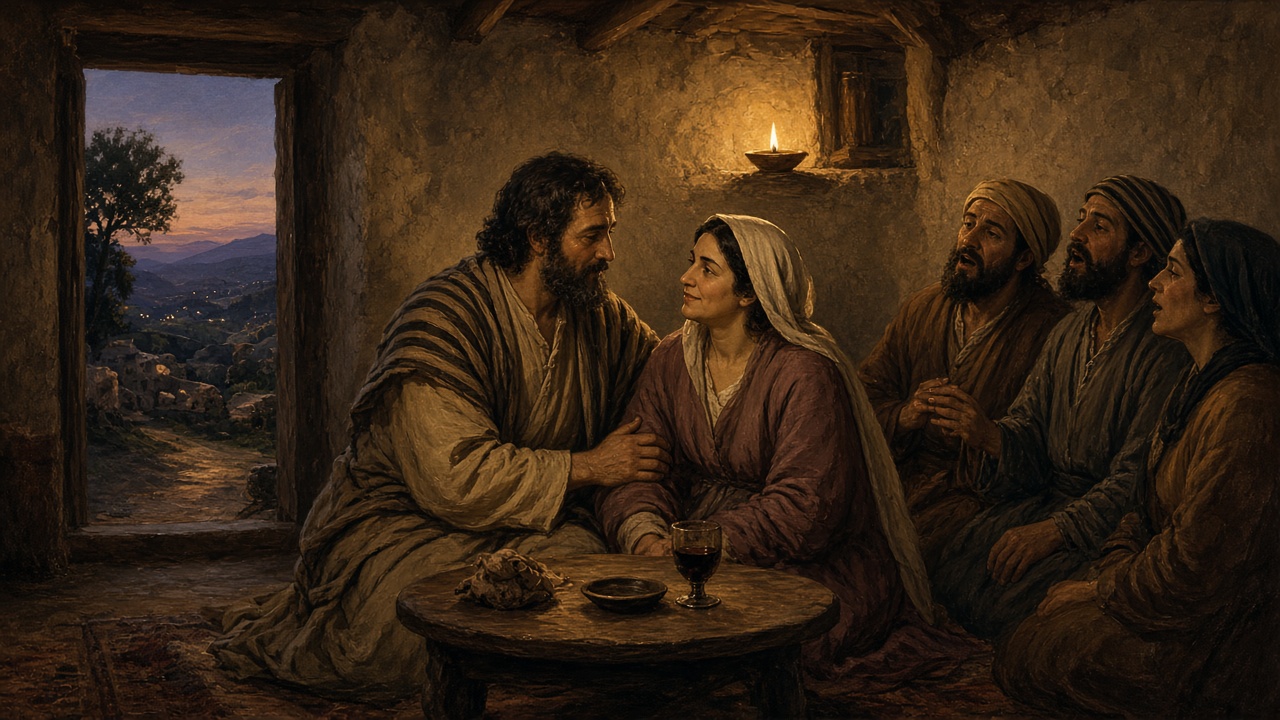
¿Sabías que…?
Amor, luz y el hogar
- Efesios 5 comienza llamando a los lectores a imitar a Dios como hijos amados y a andar en amor, así como Cristo los amó y se entregó por ellos como ofrenda sacrificial de aroma agradable a Dios.Fuentes: el propio texto bíblico
- El capítulo dice que sus lectores antes eran tinieblas, pero ahora son luz en el Señor, y que el fruto de la luz consiste en toda bondad, justicia y verdad. También cita un dicho que llama al que duerme a despertar y levantarse de entre los muertos, prometiendo que Cristo brillará sobre esa persona.Fuentes: el propio texto bíblico
- Un llamado a someterse unos a otros por reverencia a Cristo introduce las instrucciones para esposas y esposos. A los esposos se les dice que amen a sus esposas como Cristo amó a la iglesia y se entregó por ella, y el capítulo llama a la unión de esposo y esposa un misterio profundo que concierne a Cristo y a la iglesia.Fuentes: el propio texto bíblico
Notas escritas con ayuda de IA a partir de fuentes abiertas (Theographic Bible Metadata, CC BY-SA 4.0; Easton’s Bible Dictionary, dominio público) y revisadas antes de publicarse.
Créditos y licencia de esta traducción
Abware̱se̱ŋ Wo̱re̱-ɔ
New Testament in Chumburung (GH:ncu:Chumburung)
copyright © 2010 Wycliffe Bible Translators, Inc.
Language: Chumburung
Translation by: Wycliffe Bible Translators, Inc.
Copyright Information
© 2010, Wycliffe Bible Translators, Inc. All rights reserved.
This translation text is made available to you under the
terms of the Creative Commons License: Attribution-Noncommercial-No Derivative Works.
( http://creativecommons.org/licenses/by-nc-nd/3.0/ )
In addition, you have permission to port the text to different file formats, as long as you
do not change any of the text or punctuation of the Bible.
You may share, copy, distribute, transmit, and extract portions
or quotations from this work, provided that you include the above copyright
information:
You must give Attribution to the work.
You do not sell this work for a profit.
You do not make any derivative works that change any of the actual words or punctuation of the Scriptures.
Permissions beyond the scope of this license may be
available if you contact
us with your request.
The New Testament
in Chumburung
© 2010, Wycliffe Bible Translators, Inc. All rights reserved.
This translation is made available to you under the terms of the
Creative Commons Attribution-Noncommercial-No Derivatives license 4.0.
You may share and redistribute this Bible translation or extracts from it in any format, provided that:
You include the above copyright and source information.
You do not sell this work for a profit.
You do not change any of the words or punctuation of the Scriptures.
Pictures included with Scriptures and other documents on this site are licensed just for use with those Scriptures and documents.
For other uses, please contact the respective copyright owners.
2025-05-16
Fuente: http://ebible.org/ncuNT/ · eBible.org