Hechos 9
Abware̱se̱ŋ Wo̱re̱-ɔ · Toca un versículo para ver sus referencias cruzadas.
Ane̱ŋ ne̱ Sɔɔl a kyurowi mò̱ mfɛɛre̱ bɔye̱‑ɔ
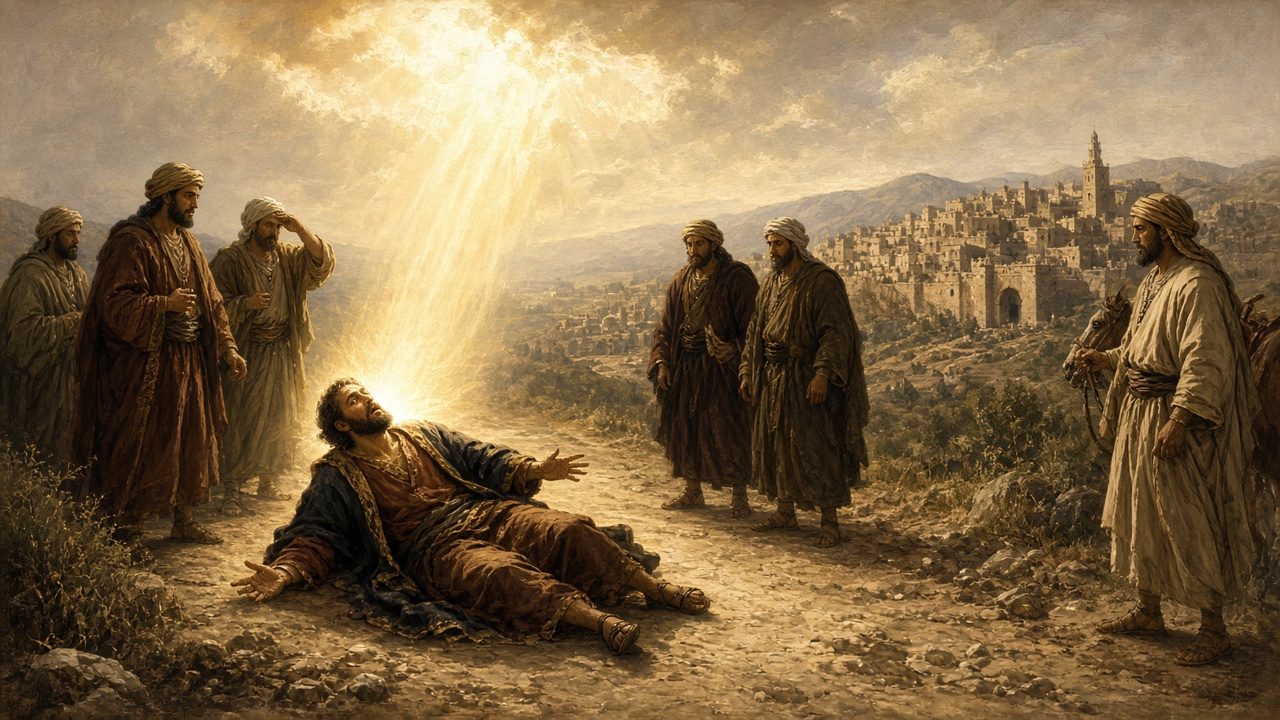
1Bo̱ fo̱ mbe̱yɔmɔ‑ɔ, Sɔɔl saŋ ɔ ye̱re̱‑rɔ keŋkeŋ ɔ kpa e̱kpa ne̱ ɔ nya na ɔ bo̱ mɔɔ bamo̱ ne̱ bo̱ gya ane̱ nyaŋpe̱ Yeesuu a e̱kpa‑ɔ se̱‑ɔ. Amo̱se̱‑ɔ ne̱ ɔɔ yɔ Wuribware̱ ɔlɔŋŋɔpo̱ bre̱sɛ‑ɔ ase̱ ya kpa e̱wo̱re̱ ne̱ e̱e̱ sa mò̱ kpa a ɔ yɔ Damasikus maŋ‑nɔ ya lwee ke̱bware̱ko̱re̱ akyaŋ‑nɔ mfe̱ŋ‑ɔ. Saŋ‑ɔ, mò̱ ya lweero ya ŋu akye̱e̱ bɛɛɛ anyare̱ ne̱ bo̱ gya Yeesuu a e̱kpa‑ɔ se̱ mfe̱ŋ‑ɔ, ɔ taare̱ a ɔ kra bamo̱ yaa Yɛro̱salɛm maŋ‑nɔ ya tii.
3Sɔɔl a yɔ ɔ tɔ Damasikus maŋ‑nɔ‑ɔ, kaluwa ko̱ŋko̱ ne̱ ke̱laŋŋe̱rɔ ko̱ fe̱yɛ e̱lɛɛlɛɛ‑ɔ a le̱e̱ awo̱re̱‑rɔ bo̱ we̱e̱ mò̱ se̱. 4Mfe̱ŋ ne̱ ɔɔ le̱e̱ da swe̱e̱re̱, ne̱ oo nu bo̱re̱ ko̱ a tɔwe̱ o gywii mò̱ fe̱yɛ, “Sɔɔl, nte̱tɔ ne̱e̱ ne̱ fo̱ e̱ tɔɔraa mo̱ ane̱ŋ?”
5Ne̱ Sɔɔl a bise fe̱yɛ, “Mo̱ nyaŋpe̱, fo̱ nsɛ ne̱e̱?” Ne̱ bo̱re̱ amo̱ a be̱ŋŋaa ɛ, “Mo̱ e̱ gye̱ Yeesuu ne̱ fo̱ e̱ tɔɔraa mo̱‑ɔ. 6Amaa, ko̱so̱ yɔ maŋ‑ɔ‑rɔ na ɔko̱ kaapo̱ fo̱ ke̱tɔ ne̱ fo̱ waa mfe̱ŋ‑ɔ.”
7Amaa, ase̱sɛ ne̱ bamo̱ aa mò̱ naa kpa‑ɔ‑rɔ mo̱ŋ buŋŋi kanɔ, ne̱ baa sii ye̱re̱. Baa nu bo̱re̱‑ɔ, bamo̱ mɔ bo̱ mo̱ŋ ŋu ɔko̱. 8Ne̱ Sɔɔl a ko̱so̱ kyuwi‑ro, amaa mò̱ a buŋŋi akatɔ‑ɔ, ɔ mo̱ŋ lɛɛ ɔ ke̱e̱. Amo̱se̱‑ɔ ne̱ bamo̱ ne̱ mò̱ aa bamo̱ naa‑ɔ a kra mò̱ ke̱sare̱e̱‑rɔ yaa bo̱ lwee Damasikus maŋ‑nɔ. 9Amo̱ ŋke nsa na ɔ mo̱ŋ ke̱e̱, na ɔ mo̱ŋ gyi, ne̱ mò̱‑ɔ mò̱ mo̱ŋ nuu.
10Saŋ amo̱, bamo̱ ɔko̱ ne̱ ɔ gya Yeesuu a e̱kpa‑ɔ se̱‑ɔ mɔ bo̱ Damasikus mfe̱ŋ, ne̱ ba te̱e̱ mò̱ ɛ Ananiyas. Ne̱ ane̱ nyaŋpe̱ Yeesuu a te̱e̱ mò̱ dee‑ro‑o fe̱yɛ, “Ananiyas!” Ne̱ ɔɔ be̱ŋŋaa ɛ “Ke̱e̱ mo̱, mo̱ nyaŋpe̱.” 11Ne̱ ane̱ nyaŋpe̱ a tɔwe̱ gywii mò̱ fe̱yɛ, “Waa siraa na fo̱ yɔ kabo̱re̱ ne̱ ba te̱e̱ ɛ ‘Kabo̱re̱ kye̱rarasɛ’‑ɔ se̱ na fo̱ lwee ɔnyare̱ ko̱ ne̱ ba te̱e̱ mò̱ ɛ Yudas a lɔŋ‑ɔ‑rɔ bise ɔnyare̱ ko̱ ne̱ ɔɔ le̱e̱ Taasus maŋ‑nɔ ne̱ ba te̱e̱ mò̱ ɛ Sɔɔl‑ɔ se̱. Ɔ bo̱ mfe̱ŋ ɔ ko̱re̱ ke̱bware̱ko̱re̱. 12Ne̱ oo ŋu dee‑ro fe̱yɛ ɔnyare̱ ko̱ ne̱ ba te̱e̱ ɛ Ananiyas‑o a lweero bo̱ ba mò̱ ke̱sare̱e̱ bo̱ dɔŋŋɔ mò̱ se̱ a mò̱ akatɔ nya be̱e̱ buŋŋi.”
13Ne̱ Ananiyas a be̱ŋŋaa fe̱yɛ, “Mo̱ nyaŋpe̱, ase̱sɛ bwe̱e̱tɔ a tɔwe̱ ɔnyare̱ mɔ ase̱ŋ gywii mo̱, ne̱ mo̱ a nu awo̱re̱fɔɔ ne̱ ɔɔ bo̱ waa fo̱ ase̱sɛ ne̱ bo̱ bo̱ Yɛro̱salɛm maŋ‑nɔ‑ɔ ase̱ŋ. 14Ne̱ ɔɔ nya ke̱yaale̱ŋ bo̱ le̱e̱ Wuribware̱ alɔŋŋɔpo̱ abre̱sɛ ase̱ fe̱yɛ ɔ ba Damasikus mfe̱e̱ bo̱ kra ase̱sɛ pɛɛɛ ne̱ ba suŋ fo̱‑ɔ.”
15Ne̱ ane̱ nyaŋpe̱ Yeesuu a tɔwe̱ gywii mò̱ fe̱yɛ, “Yɔ, a le̱e̱ fe̱yɛ mo̱ a lee mò̱ fe̱yɛ ɔ waa mo̱ kusuŋ‑o, na ɔ tɔwe̱ ase̱ŋ ne̱ n de‑o na mo̱ ke̱yaale̱ŋ gywii nde̱ se̱ awuye‑o na bamo̱ awure na Yudaa awuye‑o pɛɛɛ. 16Na mo̱ fɔŋfɔŋ kaapo̱ mò̱ awo̱re̱fɔɔ ne̱ o kperi kusuŋ ne̱ ɔ waa a ɔ sa mo̱‑ɔ se̱ na o gyi‑o.”
17Amo̱se̱ se̱‑ɔ ne̱ Ananiyas a yɔ ya lwee lɔŋ ne̱ Sɔɔl bo̱ mò̱‑rɔ‑ɔ, ne̱ ɔɔ taa mò̱ asare̱e̱ bo̱ dɔŋŋɔ Sɔɔl se̱, ne̱ ɔ yɛ, “Mo̱ ko̱so̱bɛɛ Sɔɔl, ane̱ nyaŋpe̱ Yeesuu fɔŋfɔŋ ne̱ oo lee mò̱ e̱ye̱e̱ bo̱ kaapo̱ fo̱ saŋ ne̱ fo̱ bo̱ kpa‑rɔ fo̱ e̱ ba mfe̱e̱‑ɔ ya suŋ mo̱ fo̱ ase̱. Oo suŋ mo̱ fo̱ ase̱ ne̱e̱ a fo̱ akatɔ be̱e̱ nya buŋŋi fe̱yɛ saŋ‑ɔ ane̱ŋ ne̱ a du‑o, na Wuribware̱ a kufwiiŋe timaa‑o ywe̱e̱ fo̱ se̱.”
18Puri amo̱‑rɔ mfe̱ŋ ne̱ atɔ ko̱ fe̱yɛ ŋkiŋgyi agyafo̱‑ɔ a le̱e̱ Sɔɔl akatɔgyi‑ro le̱e̱ da, ne̱ mò̱ akatɔ a buŋŋi waa fe̱yɛ saŋ‑ɔ ane̱ŋ ne̱ a ke̱e̱‑ɔ, ne̱ ɔɔ ko̱so̱ ye̱re̱. Ne̱ ɔɔ bɔ asuu. 19Mò̱ a gyi ateese‑o kamɛɛ‑rɔ, ne̱ ɔɔ be̱e̱ waa ke̱yaale̱ŋ.
Ane̱ŋ ne̱ Sɔɔl a tɔwe̱ abware̱se̱ŋ Damasikus maŋ‑nɔ‑ɔ
Ne̱ Sɔɔl a gyi ŋke mfe̱ne̱ ko̱ Kristoo akɔɔre̱gyipo̱ ne̱ bo̱ bo̱ Damasikus maŋ‑nɔ‑ɔ ase̱. 20Ne̱ ɔɔ yɔ mfe̱ŋ a ke̱bware̱ko̱re̱ akyaŋ‑ɔ‑rɔ ya le̱e̱ ɔ tɔwe̱ abware̱se̱ŋ fe̱yɛ Yeesuu gye̱ Wuribware̱ mò̱ gyi‑o ne̱e̱. 21Ne̱ e̱ye̱e̱ a kpe̱ŋ bamo̱ ne̱ ɔɔ tɔwe̱ ase̱ŋ‑ɔ gywii bamo̱‑ɔ pɛɛɛ. Ne̱ bo̱ yɛ, “N gye̱ ɔnyare̱ ne̱ ɔ bo̱ Yɛro̱salɛm maŋ‑nɔ ɔ mɔɔ ase̱sɛ ne̱ ba suŋ Yeesuu‑o ne̱e̱ e̱e̱e̱? Ɔ mo̱ŋ ba mfe̱e̱ ne̱e̱ fe̱yɛ ɔ ba ɔ bo̱ kra Yeesuu asuŋpo̱ ne̱ bo̱ bo̱ mfe̱e̱‑ɔ na o kiŋŋaa bamo̱ yaa Wuribware̱ alɔŋŋɔpo̱ abre̱sɛ‑ɔ ase̱ ne̱e̱ e̱e̱e̱?” 22Amaa kake ke̱maa mɔ na Sɔɔl a ke̱kaapo̱‑ɔ‑rɔ e̱ waa le̱ŋ ki tii si. Mò̱ a kaapo̱‑rɔ nɛɛnɛɛ ke̱tɔ se̱ ne̱ Yeesuu e̱ gye̱ Kristoo ne̱ Wuribware̱ a suŋ bo̱ kyo̱ŋwe̱ kaye̱‑rɔ a ase̱sɛ‑ɔ fe̱yɛ ɔ mo̱rɔwe̱ bamo̱‑ɔ, Yudaa awuye ne̱ bo̱ bo̱ Damasikus mfe̱ŋ‑ɔ mo̱ŋ taare̱ lee kanɔ ko̱.
23Amo̱ a kyee, ne̱ Yudaa awuye‑o a gyaŋŋe̱ kra ane̱ŋ ne̱ ba waa a bo̱ mɔɔ Sɔɔl‑ɔ. 24Amaa oo nu ke̱tɔ ne̱ Yudaa awuye‑o a kra‑ɔ. Ne̱ ŋkee mpase̱ na kanye bo̱ ye̱re̱ maŋ kideŋbee a abunogyi‑o‑ro ba kpa Sɔɔl a bo̱ mɔɔ. 25Amaa ŋke ŋko̱ kanye ne̱ bamo̱ ne̱ bo̱ gya Sɔɔl se̱‑ɔ a taa mò̱ yaa ke̱baŋso̱ro̱o̱ ke̱kyaŋ ko̱ ne̱ baa pwɛɛ bo̱ me̱raa maŋ a kideŋbee‑o so̱so̱, ne̱ ɔɔ bo̱rɔ mfaŋse̱re̱e̱ ko̱‑rɔ ne̱ baa taa mò̱ waa kike dabe̱ ko̱‑rɔ, ne̱ baa ba ife bo̱ da‑rɔ, ne̱ baa kra ife‑o‑ro yɔwe̱ mò̱‑rɔ bɔye̱ baa bo̱ ywe̱e̱ swe̱e̱re̱. Ne̱ ɔɔ se̱re̱ le̱e̱ mfe̱ŋ be̱e̱ yɔ Yɛro̱salɛm maŋ‑nɔ.
Ane̱ŋ ne̱ Sɔɔl a kiŋŋi yɔ Yɛro̱salɛm maŋ‑nɔ‑ɔ
26Sɔɔl a fo̱ Yɛro̱salɛm maŋ‑nɔ‑ɔ, ne̱ ɔ kpa a o tii bamo̱ ne̱ baa kɔɔre̱ Yeesuu gyi‑o si. Amaa bo̱ mo̱ŋ kɔɔre̱ mò̱ gyi fe̱yɛ ŋkee o tii bamo̱ se̱, ne̱ kufu a nya bamo̱ pɛɛɛ. 27Ne̱ Bar‑Nabas a ba bo̱ yaa mò̱ Yeesuu ayaa‑rɔ aye̱re̱po̱‑ɔ ase̱. Ne̱ ɔɔ kaapo̱ bamo̱‑rɔ ane̱ŋ ne̱ Sɔɔl a ŋu ane̱ nyaŋpe̱ Yeesuu kpa‑rɔ‑ɔ na ane̱ŋ ne̱ Yeesuu a sa se̱ŋsa gywii mò̱‑ɔ, na ane̱ŋ ne̱ Sɔɔl a nya kakpo̱nɔ kaapo̱ abware̱se̱ŋ Yeesuu ke̱nyare̱‑rɔ Damasikus maŋ‑nɔ‑ɔ. 28Amo̱se̱ se̱‑ɔ ne̱ Sɔɔl a sii bamo̱ ase̱, ne̱ ɔɔ nya kakpo̱nɔ tɔwe̱ abware̱se̱ŋ Yeesuu ke̱nyare̱‑rɔ Yɛro̱salɛm maŋ‑nɔ pɛɛɛ. 29Ne̱ ɔɔ be̱e̱ tɔwe̱ abware̱se̱ŋ gywii Yudaa awuye ne̱ ba sa Griiki se̱ŋsa‑ɔ, ne̱ mò̱ aa bamo̱ a gyiiri ikii bo̱ le̱e̱ abware̱se̱ŋ‑ɔ se̱. Amo̱se̱‑ɔ ne̱ ba buwi ba kpa e̱kpa a bo̱ mɔɔ mò̱. 30Saŋ ne̱ Yeesuu akɔɔre̱gyipo̱‑ɔ a ŋu ane̱ŋ‑ɔ, ne̱ baa yaa Sɔɔl Kaye̱sare̱ya maŋ‑nɔ, ne̱ baa ya ba mò̱ bo̱ kyo̱ŋwe̱ mò̱ aye̱ Taasus ne̱ ɔ bo̱ e̱fɔ‑ɔ. 31Ŋkee fe̱raa, bo̱ le̱e̱ ane̱ŋ ne̱ Sɔɔl a kii Kristoo ɔkɔɔre̱gyipo̱ ne̱ ɔ mo̱ŋ lɛɛ ɔ tɔɔraa Kristoo akɔɔre̱gyipo̱, asɔre̱e̱ awuye ne̱ bo̱ bo̱ Yude̱ya swe̱e̱re̱ se̱ na Galile̱ya swe̱e̱re̱ se̱ na Samariya swe̱e̱re̱ se̱‑ɔ pɛɛɛ e̱ye̱e̱ a yuri bamo̱. Ne̱ Wuribware̱ a kufwiiŋe timaa‑o a sa asɔre̱e̱ awuye‑o ke̱yaale̱ŋ na wɔre̱, ne̱ ase̱sɛ bwe̱e̱tɔ a bo̱ tii bamo̱ se̱, bo̱ le̱e̱ ane̱ŋ ne̱ baa bu ane̱ nyaŋpe̱ Yeesuu‑o si.
Ane̱ŋ ne̱ Peetroo a yɔ Lidaa na Yopaa e̱maŋ‑nɔ‑ɔ
32Ne̱ Peetroo a nare̱ maŋ ke̱maa ne̱ Yeesuu akɔɔre̱gyipo̱‑ɔ bo̱‑ɔ se̱ ɔ laa bamo̱. Ne̱ saŋ ko̱ ɔɔ yɔ bamo̱ ne̱ bo̱ bo̱ Lidaa maŋ‑nɔ‑ɔ ase̱ a ɔ ya laa bamo̱. 33Mfe̱ŋ ne̱ ɔɔ yɔ ŋu ɔnyare̱ ko̱ ne̱ ba te̱e̱ mò̱ ɛ Iniya, ne̱ mò̱ kayo̱wɔre̱ pɛɛɛ mɔ a wu, ne̱ ɔ maa taare̱ a ɔ ko̱so̱ le̱e̱ kraŋ se̱ nsu mburuwa‑o. 34Mfe̱ŋ ne̱ Peetroo a te̱e̱ mò̱ ke̱nyare̱ ɛ, “Iniya, Yeesuu Kristoo e̱ gye̱ ne̱ ɔ sa a fo̱ kpaare̱. Ko̱so̱ bɔɔ fo̱ kraŋ.” Puri‑ro mfe̱ŋ ne̱ Iniya a ko̱so̱ kyuwi‑ro. 35Ne̱ ase̱sɛ ne̱ bo̱ te Lidaa maŋ‑nɔ na Sarɔŋ ifuri si‑o pɛɛɛ a ŋu ɔnyare̱ amo̱ a kpaare̱‑ɔ, ne̱ baa kɔɔre̱ Yeesuu gyi, ne̱ baa bo̱ gya mò̱ e̱kpa‑ɔ se̱.
36Amɔ ɔkye̱e̱ ko̱ mɔ bo̱ Yopaa maŋ ne̱ mò̱ aa Lidaa mo̱ŋ bo̱ e̱fɔ bwe̱e̱tɔ‑ɔ‑rɔ, ne̱ ɔɔ kɔɔre̱ Yeesuu gyi bwe̱e̱tɔ. Mò̱ ke̱nyare̱ e̱ gye̱ Tabitaa. (Amaa Griiki‑ro mò̱ ke̱nyare̱ e̱ gye̱ Dɔɔkas, kaase̱ e̱ kaapo̱ fe̱yɛ Kyaŋkpo̱raŋ.) Ɔkye̱e̱ mɔ fe̱raa atiripo̱‑rɔ ke̱kya na ke̱dame̱naŋsɛ wo̱re̱ dooo ne̱ ɔ naa ɔ waa. 37Saŋ amo̱ mɔ, ɔɔ lɔ, ne̱ oo wu. Ne̱ baa gyee mò̱ taa mò̱ kifuniŋ‑o bo̱ be̱ya ke̱baŋso̱ro̱o̱ ke̱kyaŋ ko̱‑rɔ so̱so̱ na ba su kale. 38Amo̱se̱‑ɔ Yopaa awuye ne̱ baa kɔɔre̱ Yeesuu gyi‑o a nu Peetroo si fe̱yɛ ɔ bo̱ Lidaa maŋ‑nɔ‑ɔ, ne̱ baa suŋ abɛɛ anyɔ ko̱ mò̱ ase̱ fe̱yɛ bo̱ ya tɔwe̱ gywii mò̱ ɛ, “Ane̱ e̱ ko̱re̱ fo̱, waa me̱naŋ ba ane̱ ase̱.”
39Ne̱ Peetroo a waa siraa, ne̱ mò̱ aa abɛɛ anyɔ amo̱ a yɔ. Bamo̱ a fo̱‑ɔ, ne̱ baa yaa Peetroo ke̱baŋso̱ro̱o̱ ke̱kyaŋ ne̱ ɔkye̱e̱‑ɔ da ke̱mo̱‑rɔ‑ɔ. Ne̱ akpenlekye̱e̱ ye̱re̱ muruwaa kifuniŋ‑o na ba su. Ne̱ baa ba e̱kaare̱ ne̱ ɔkye̱e̱‑ɔ a baara sa atiripo̱ saŋ ne̱ o te‑o bo̱ kaapo̱ Peetroo ane̱ŋ ne̱ ɔkye̱e̱‑ɔ bware‑o.
40Ne̱ Peetroo a sa ne̱ bamo̱ pɛɛɛ a le̱e̱ ke̱kyaŋ‑ɔ‑rɔ, ne̱ oo kpuni aŋurii, ne̱ ɔɔ ko̱re̱ ke̱bware̱ko̱re̱, ne̱ oo kii ba kifuniŋ‑o ase̱, ne̱ ɔ yɛ, “Tabitaa, kyiŋŋi kye̱na.” Mfe̱ŋ ne̱ oo buŋŋi akatɔ. Mò̱ a ŋu Peetroo‑o, ne̱ oo kyiŋŋi kye̱na. 41Ne̱ Peetroo a tɔ mò̱‑rɔ, ne̱ ɔɔ kra mò̱‑rɔ kya mò̱‑rɔ, ne̱ ɔɔ ko̱so̱ ye̱re̱. Ne̱ Peetroo a te̱e̱ bamo̱ ne̱ baa kɔɔre̱ Yeesuu gyi‑o pɛɛɛ na akpenlekye̱e̱‑ɔ, ne̱ ɔɔ ba ɔkye̱e̱‑ɔ bo̱ kaapo̱ bamo̱. 42Ɔke̱maa ne̱ ɔ bo̱ Yopaa maŋ‑nɔ‑ɔ a nu ase̱ŋ mɔ. Ne̱ ase̱sɛ bwe̱e̱tɔ a kɔɔre̱ Yeesuu gyi. 43Ne̱ Peetroo a gyi ŋke kafwe̱e̱ ko̱ gbaŋse̱ba ne̱ ba te̱e̱ ɛ Simɔŋ‑ɔ ase̱ Yopaa mfe̱ŋ.
¿Sabías que…?
La conversión de Saulo y el ministerio de Pedro
- Al perseguidor de este capítulo se le llama Saulo, un hombre de Tarso. Saulo era el nombre que recibió en la circuncisión, su nombre hebreo en casa; el nombre Pablo probablemente también se le dio en la infancia, para usarlo en el mundo gentil. Tarso, capital de Cilicia, provincia romana en el sureste de Asia Menor, estaba a orillas del río Cidno, navegable hasta allí, se distinguía por la riqueza de su comercio con las tierras del Mediterráneo y con el centro de Asia Menor, y era sede de una famosa universidad, cuyas escuelas se describen como rivales de las de Atenas y Alejandría.Fuentes: Paul · Tarsus · el propio texto bíblico
- Damasco, la ciudad a la que Saulo se acercaba con cartas del sumo sacerdote para llevar a Jerusalén, como prisioneros, a hombres y mujeres del Camino, se describe como la más antigua de las ciudades de Oriente y la capital de Siria, a unas 133 millas al norte de Jerusalén. Ananías fue enviado a la casa de Judas, un judío de Damasco, en la calle llamada Derecha, una calle larga y ancha que corría de este a oeste por cerca de una milla y formaba la vía principal de la ciudad, distinta de las calles estrechas e irregulares habituales en las ciudades de Oriente. Esa calle se identifica con la calle de los bazares, donde se ha señalado una llamada casa de Judas.Fuentes: Damascus · Straight Gate · Judas (Jew of Damascus) · el propio texto bíblico
- Lida, donde Pedro encontró a Eneas, paralítico y encamado desde hacía ocho años, estaba a unas nueve millas al este de Jope, en el camino de ese puerto a Jerusalén. Jope estaba sobre un promontorio arenoso, a unas treinta millas al noroeste de Jerusalén, y era el principal puerto marítimo de Judea. Allí la discípula Tabita también se llama Dorcas, nombre griego que significa gacela; era conocida por obras de bondad y caridad, y las viudas le mostraron a Pedro las túnicas y las demás ropas que ella había hecho.Fuentes: Lydda · Joppa · Dorcas · el propio texto bíblico
Notas escritas con ayuda de IA a partir de fuentes abiertas (Theographic Bible Metadata, CC BY-SA 4.0; Easton’s Bible Dictionary, dominio público) y revisadas antes de publicarse.
Lugares de este capítulo
- Damascus · 33.511, 36.306 · versículos 2, 3, 8, 10, 19, 22, 27
- Jerusalem · 31.777, 35.234 · versículos 2, 13, 21, 26, 28
- Straight Street · 33.509, 36.311 · versículo 11
- Tarsus · 36.913, 34.892 · versículos 11, 30
- Caesarea · Hoy: Caesarea Maritima · 32.500, 34.892 · versículo 30
- Galilee · 32.760, 35.527 · versículo 31
- Judea · Hoy: Judea 1 · 31.777, 35.234 · versículo 31
- Samaria · Hoy: Samaria 2 · 32.276, 35.195 · versículo 31
- Lod · 31.950, 34.900 · versículos 32, 35, 38
- Sharon · Hoy: Sharon Plain · 32.400, 34.883 · versículo 35
- Joppa · Hoy: Jaffa · 32.054, 34.753 · versículos 36, 38, 42, 43
Solo aparecen lugares identificados con alta confianza (90 % o más según las fuentes académicas reunidas por OpenBible). Mapa de la época: DARE (Digital Atlas of the Roman Empire), CC BY 4.0; mapa actual: © colaboradores de OpenStreetMap; lugares: OpenBible.info (CC BY 4.0).
Créditos y licencia de esta traducción
Abware̱se̱ŋ Wo̱re̱-ɔ
New Testament in Chumburung (GH:ncu:Chumburung)
copyright © 2010 Wycliffe Bible Translators, Inc.
Language: Chumburung
Translation by: Wycliffe Bible Translators, Inc.
Copyright Information
© 2010, Wycliffe Bible Translators, Inc. All rights reserved.
This translation text is made available to you under the
terms of the Creative Commons License: Attribution-Noncommercial-No Derivative Works.
( http://creativecommons.org/licenses/by-nc-nd/3.0/ )
In addition, you have permission to port the text to different file formats, as long as you
do not change any of the text or punctuation of the Bible.
You may share, copy, distribute, transmit, and extract portions
or quotations from this work, provided that you include the above copyright
information:
You must give Attribution to the work.
You do not sell this work for a profit.
You do not make any derivative works that change any of the actual words or punctuation of the Scriptures.
Permissions beyond the scope of this license may be
available if you contact
us with your request.
The New Testament
in Chumburung
© 2010, Wycliffe Bible Translators, Inc. All rights reserved.
This translation is made available to you under the terms of the
Creative Commons Attribution-Noncommercial-No Derivatives license 4.0.
You may share and redistribute this Bible translation or extracts from it in any format, provided that:
You include the above copyright and source information.
You do not sell this work for a profit.
You do not change any of the words or punctuation of the Scriptures.
Pictures included with Scriptures and other documents on this site are licensed just for use with those Scriptures and documents.
For other uses, please contact the respective copyright owners.
2025-05-16
Fuente: http://ebible.org/ncuNT/ · eBible.org