Hechos 3
Abware̱se̱ŋ Wo̱re̱-ɔ · Toca un versículo para ver sus referencias cruzadas.
Ane̱ŋ ne̱ Peetroo a kya ke̱gyabɔɔ ko̱‑ɔ
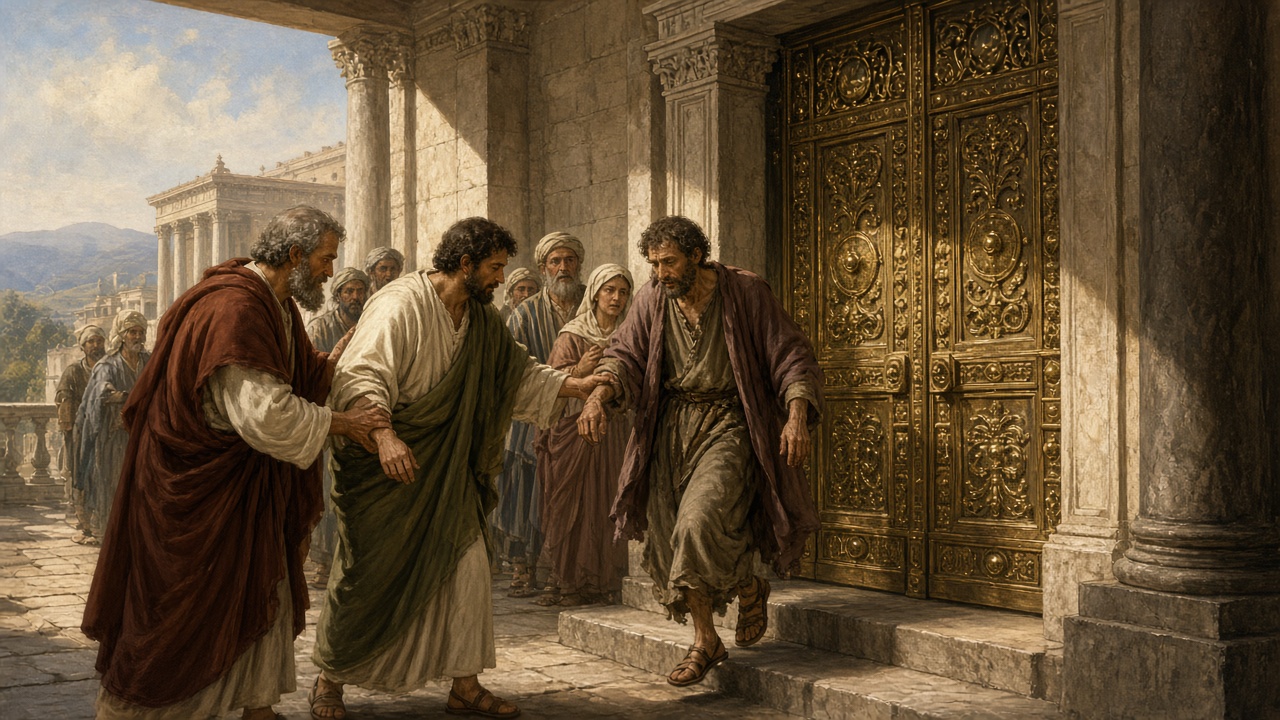
1Kake ŋko̱ kyɔwe̱ kikpeerebe̱e̱, ne̱ ke̱bware̱ko̱re̱ saŋ a fo̱‑ɔ, ne̱ Peetroo na Yohanee e̱ yɔ Wuribware̱ suŋkpa kabuno na bo̱ ya ko̱re̱ ke̱bware̱ko̱re̱. 2Saŋ amo̱ ɔnyare̱ ko̱ ne̱ hare̱e̱ le̱e̱ mò̱ ŋyaagyi‑ro oo kii ke̱gyabɔɔ‑ɔ mɔ te Wuribware̱ suŋkpa kibunogyi ne̱ ba te̱e̱ ke̱mo̱ ɛ “Kibunogyi dame̱naŋsɛ”‑ɔ kanɔ. Kake ke̱maa bo̱ so̱ mò̱ ba ba mfe̱ŋ, na o te ɔ ko̱re̱ bamo̱ ne̱ ba lwee suŋkpa kabuno a bo̱ ko̱re̱ ke̱bware̱ko̱re̱‑ɔ atanne̱. 3Amo̱se̱‑ɔ, saŋ ne̱ oo ŋu Peetroo na Yohanee i lweero‑o, ne̱ ɔɔ ko̱re̱ bamo̱ fe̱yɛ bo̱ sa mò̱ ko̱tɔko̱. 4Ne̱ baa de̱e̱re̱ mò̱ akatɔ‑rɔ, ne̱ Peetroo a tɔwe̱ gywii mò̱ fe̱yɛ, “De̱e̱re̱ ane̱!” 5Amo̱se̱‑ɔ, ne̱ ɔɔ de̱e̱re̱ bamo̱, na ɔ fa fe̱yɛ ɔ nya ko̱tɔko̱ a ɔ le̱e̱ bamo̱ ase̱. 6Amaa Peetroo a tɔwe̱ gywii mò̱ ne̱e̱ fe̱yɛ, “Mo̱ŋ de atanne̱, amaa mo̱ e̱ sa fo̱ ke̱tɔ ne̱ n de‑o. Yeesuu Kristoo Nasarɛte̱nyi‑o ke̱nyare̱‑rɔ, ŋ yɛ fo̱ ko̱so̱ nare̱!” 7Ne̱ ɔɔ kra mò̱ kigyisesare̱e̱‑rɔ kya mò̱‑rɔ bo̱ kyuwi‑ro. Puri amo̱‑rɔ mfe̱ŋ ne̱ ke̱gyabɔɔ amo̱ ayaa a waa le̱ŋ. 8Ne̱ oo fuwi ywe̱e̱, ne̱ ɔɔ ye̱re̱ mò̱ ayaa se̱, ne̱ ɔɔ le̱e̱ ɔ naa. Ne̱ mò̱ aa bamo̱ a lwee Wuribware̱ suŋkpa kabuno, na ɔ naa na o fuwi ɔ ywe̱e̱, na ɔ kyo̱rɔ Wuribware̱.
9Ase̱sɛ ne̱ bo̱ bo̱ mfe̱ŋ‑ɔ pɛɛɛ a ŋu mò̱ a naa na ɔ kyo̱rɔ Wuribware̱. 10Saŋ ne̱ baa pini fe̱yɛ ke̱gyabɔɔ ne̱ o te Kibunogyi dame̱naŋsɛ‑ɔ kanɔ ɔ ko̱re̱ atɔ‑ɔ, ne̱ e̱ye̱e̱ a kpe̱ŋ bamo̱ bo̱ le̱e̱ ke̱tɔ ne̱ kaa waa‑ɔ se̱.
Ane̱ŋ ne̱ Peetroo a tɔwe̱ abware̱se̱ŋ Wuribware̱ suŋkpa kabuno‑o
11Amɔ ke̱gyabɔɔ ne̱ Peetroo a kya‑ɔ maa lɛɛ kpa fe̱yɛ ɔ maye̱ Peetroo na Yohanee. Amo̱se̱‑ɔ, ase̱sɛ a ŋu fe̱yɛ ŋkee ɔɔ kpaare̱, ne̱ mò̱ aa Peetroo na Yohanee bo̱ Wuribware̱ suŋkpa mfe̱ŋ ne̱ ba te̱e̱ ɛ Solomɔŋ abraŋdaye̱‑ɔ, ne̱ e̱ye̱e̱ a kpe̱ŋ bamo̱, ne̱ baa ŋwɛɛnaŋ yɔ bamo̱ ase̱. 12Saŋ ne̱ Peetroo a ŋu ase̱sɛ amo̱‑ɔ, ne̱ ɔɔ tɔwe̱ gywii bamo̱ fe̱yɛ, “M bɛɛko̱‑ana Isireelii awuye, nte̱tɔ se̱ ne̱ e̱ye̱e̱ a kpe̱ŋ mo̱ne̱, ne̱ mo̱ne̱ e̱ de̱e̱re̱ ane̱ ane̱ŋ? Mo̱ne̱ e̱ fa fe̱yɛ ane̱ fɔŋfɔŋ ke̱yaale̱ŋ bɛɛɛ itimaa ne̱ ane̱ a bo̱ sa ne̱ ke̱gyabɔɔ mɔ a ko̱so̱ nare̱ bɛɛɛ? Yeesuu ke̱yaale̱ŋ‑nɔ ne̱ ane̱ a taare̱ sa ne̱ ɔɔ ko̱so̱ nare̱. 13Wuribware̱ ne̱ ane̱ i suŋ, ne̱ ane̱ ade̱daapo̱ Abraham na Isak na Yakubu a suŋ‑o dɛɛ ya taa mò̱ ke̱yaale̱ŋ bo̱ sa Yeesuu. Yeesuu mɔ dɛɛ ne̱ mo̱ne̱ a taa mò̱ bo̱ waa Gominaa Pilat ke̱sare̱e̱‑rɔ fe̱yɛ ɔ mɔɔ‑ɔ. Gominaa mɔ gbaa a kpa a ɔ yɔwe̱ mò̱ a ɔ nare̱ ya kyure. 14Ŋ yɛ Yeesuu mɔ dɛɛ ne̱ Wuribware̱ a lee suŋ bo̱ kyo̱ŋwe̱ ane̱ Isireelii awuye ase̱. Mò̱ dɛɛ e̱ gye̱ Wuribware̱ ke̱yaafɔre̱ ne̱ baa kyo̱rɛɛ waa abware̱se̱ŋ wo̱re̱‑ɔ‑rɔ fe̱yɛ ɔ mo̱ŋ de e̱bɔye̱, ne̱ mò̱ kakpo̱nɔ‑rɔ a fwiiri‑o. Amaa mo̱ne̱ mɔ mo̱ne̱ yɛ gominaa‑o sa a bo̱ mɔɔ mò̱, na ɔ yɔwe̱ ɔko̱ ne̱ ɔɔ waa ase̱ŋ bɔye̱, ne̱ ɔɔ mɔɔ ase̱sɛ, ne̱ baa tii mò̱‑ɔ bo̱ kyo̱ŋwe̱‑ɔ. 15Ne̱ mo̱ne̱ a mɔɔ mò̱ ne̱ ɔɔ kaapo̱ ane̱ kpa ne̱ ane̱ e̱ gya se̱, na ane̱ nya ŋkpa na kukyure ne̱ a mo̱ŋ de kɛɛ‑ɔ. Amaa Wuribware̱ a kyiŋŋi mò̱ le̱e̱ lowi‑ro, ne̱ ane̱ pɛɛɛ a ŋu. 16Ane̱ŋ ne̱ ane̱ a kɔɔre̱ Yeesuu gyi‑o si, ne̱ ke̱gyabɔɔ mɔ ne̱ mo̱ne̱ ke̱e̱ mbe̱yɔmɔ‑ɔ e̱ taare̱ a ɔ nare̱. Yeesuu ke̱nyare̱ ne̱ ane̱ a bo̱ kya mò̱. Yeesuu ne̱ ane̱ a kɔɔre̱ mò̱ gyi‑o ke̱nyare̱ ne̱ ane̱ a bo̱ kya mò̱ fe̱yɛ ane̱ŋ ne̱ mo̱ne̱ a ŋu mò̱ a kpaare̱ lo̱we̱‑ɔ.
17Mo̱ nyare̱‑ana, mbe̱yɔmɔ ŋ nyi fe̱yɛ mo̱ne̱ aa mo̱ne̱ agye̱ŋkpɛɛpo̱ pɛɛɛ mo̱ŋ nyi ke̱tɔ ne̱ mo̱ne̱ e̱ waa‑ɔ ne̱e̱ se̱ ne̱ mo̱ne̱ a waa Yeesuu ane̱ŋ. 18Kase̱ŋtiŋ si, ke̱tɔ ne̱ kaa ba‑ɔ ne̱ Wuribware̱ a sa ne̱ mò̱ akyaamɛɛ pɛɛɛ a tɔwe̱ hare̱e̱ le̱e̱ de̱daa‑ɔ fe̱yɛ ke̱ e̱ waa. Amo̱ e̱ gye̱ fe̱yɛ ɔko̱ ne̱ ba te̱e̱ mò̱ ɛ Kristoo‑o (kaase̱ e̱ kaapo̱ fe̱yɛ Wuribware̱ i suŋ mò̱ a ɔ bo̱ kyo̱ŋwe̱‑ɔ) e̱ ba kaye̱ mɔ‑rɔ, amaa kaye̱ mɔ‑rɔ a ase̱sɛ‑ɔ e̱ sa a o ŋu ase̱ŋ. Ne̱ ŋkee Wuribware̱ a sa ne̱ ke̱tɔ ke̱maa ne̱ baa tɔwe̱‑ɔ a ba‑rɔ kase̱ŋtiŋ. 19Amo̱se̱‑ɔ mo̱nꞌ nu mo̱ne̱ e̱ye̱e̱, na mo̱nꞌ kiŋŋi le̱e̱ mo̱ne̱ e̱bɔye̱‑rɔ, na mo̱nꞌ ba Wuribware̱ ase̱, na ɔ nya taa mo̱ne̱ e̱bɔye̱ bo̱ ke mo̱ne̱. 20Mo̱ne̱ ya waa amo̱‑ɔ, ane̱ nyaŋpe̱ Wuribware̱ e̱ sa a mo̱ne̱ ŋkpo̱nɔ yuri, na ɔ be̱e̱ suŋ Kristoo ne̱ oo lee fe̱yɛ ɔ ba mo̱ne̱ ase̱‑ɔ bo̱ kyo̱ŋwe̱. Kristoo mɔ e̱ gye̱ Yeesuu. 21O sii so̱so̱ mfe̱ŋ ne̱ ɔ bo̱‑ɔ bo̱ fo̱ saŋ ne̱ Wuribware̱ e̱ waa ke̱tɔ ke̱maa nɛɛnɛɛ, ane̱ŋ ne̱ mò̱ akyaamɛɛ timaa ne̱ baa dɛɛ kye̱na‑ɔ a tɔwe̱ hare̱e̱ le̱e̱ de̱daa‑ɔ. 22A le̱e̱ fe̱yɛ ane̱ ɔde̱daapo̱ Mosis a kyo̱rɛɛ fe̱yɛ,
‘Mo̱ne̱ nyaŋpe̱ Wuribware̱ i lee se̱sɛ ko̱
a ɔ le̱e̱ mo̱ne̱ ako̱we̱bɛɛ‑rɔ,
se̱sɛ ne̱ o du fe̱yɛ mo̱, Mosis‑o,
fe̱yɛ ɔ waa mò̱ kyaamɛɛ sa mo̱ne̱,
A bware fe̱yɛ mo̱nꞌ nu mò̱ ase̱ŋ tɔwe̱sɛ.
23Amaa Wuribware̱ i lee ɔke̱maa ne̱ ɔ maa nu
ane̱ŋ a kyaamɛɛ a kanɔ‑ɔ a ɔ le̱e̱ mò̱ ase̱sɛ‑rɔ,
na ɔ gya mò̱ bo̱ kyo̱ŋwe̱.’
24Akyaamɛɛ‑ɔ pɛɛɛ bo̱ tii Samuwɛl se̱ na bamo̱ ne̱ baa sii kamɛɛ ne̱ baa tɔwe̱ ke̱tɔ ne̱ Wuribware̱ a tɔwe̱ fe̱yɛ bo̱ tɔwe̱‑ɔ gbaa a tɔwe̱ atɔ ne̱ mbe̱yɔmɔ a waa mɔ‑ɔ pɛɛɛ ase̱ŋ.
25Ase̱ŋ ne̱ Wuribware̱ a tɔwe̱ bo̱ bo̱rɔ mò̱ akyaamɛɛ‑ɔ se̱ na amo̱ ne̱ ɔɔ tɔwe̱ gywii ane̱ ɔde̱daapo̱ Abraham‑ɔ gye̱ ko̱ko̱ŋko̱ ne̱e̱. Ke̱tɔ ne̱ ɔɔ tɔwe̱ gywii Abraham‑ɔ e̱ gye̱ fe̱yɛ,
‘Mo̱ e̱ bo̱rɔ fo̱ ananagyi‑o si a ŋ yure ase̱sɛ pɛɛɛ
ne̱ bo̱ bo̱ kaye̱‑rɔ‑ɔ.’
Ase̱ŋ mɔ ne̱ Wuribware̱ a tɔwe̱ bo̱ be̱ya‑ɔ pɛɛɛ gye̱ mo̱ne̱ ne̱ mo̱ne̱ te ndɔɔ‑ɔ lee ne̱e̱. 26Ne̱ mbe̱yɔmɔ Wuribware̱ ke̱yaafɔre̱ Yeesuu mɔ ne̱ ɔɔ gye̱ ŋkpɛɛ suŋ mò̱ bo̱ kyo̱ŋwe̱ mo̱ne̱ Isireelii awuye ase̱, na ɔ bo̱ yure mo̱ne̱ ɔke̱maa, na mo̱nꞌ nya yɔwe̱ bo̱ro̱kɔɔne̱ ne̱ mo̱ne̱ de‑o.”
¿Sabías que…?
Curación y predicación en el templo
- La puerta del templo llamada Hermosa, donde cada día ponían a mendigar a un hombre cojo de nacimiento, se nombra en este capítulo. Se supone que era la puerta que iba del atrio de los gentiles al atrio de las mujeres; era maciza y estaba cubierta con placas de latón corintio.Fuentes: Beautiful Gate · el propio texto bíblico
- Después de la curación, la multitud asombrada corrió hacia Pedro y Juan en el paseo llamado Pórtico de Salomón. Era una columnata, o claustro, probablemente en el lado oriental del templo; no se menciona en relación con el primer templo, pero Josefo menciona un pórtico de ese nombre en el templo de Herodes.Fuentes: Solomon's Portico · el propio texto bíblico
- En el discurso allí, Pedro dijo que el pueblo había entregado a Jesús y lo había rechazado ante Pilato, aunque Pilato había decidido soltarlo. Una entrada de diccionario identifica a Poncio Pilato como el sexto procurador romano de Judea, del 26 al 36 d.C., con sede en Cesarea, aunque subía con frecuencia a Jerusalén; su nombre cobra especial relieve en relación con el juicio de Jesús.Fuentes: Pontius Pilate · el propio texto bíblico
Notas escritas con ayuda de IA a partir de fuentes abiertas (Theographic Bible Metadata, CC BY-SA 4.0; Easton’s Bible Dictionary, dominio público) y revisadas antes de publicarse.
Lugares de este capítulo
- Beautiful Gate · Hoy: in Jerusalem · 31.777, 35.234 · versículos 2, 10
- Nazareth · 32.702, 35.298 · versículo 6
- Solomon’s Portico · Hoy: in Jerusalem · 31.777, 35.234 · versículo 11
Solo aparecen lugares identificados con alta confianza (90 % o más según las fuentes académicas reunidas por OpenBible). Mapa de la época: DARE (Digital Atlas of the Roman Empire), CC BY 4.0; mapa actual: © colaboradores de OpenStreetMap; lugares: OpenBible.info (CC BY 4.0).
Créditos y licencia de esta traducción
Abware̱se̱ŋ Wo̱re̱-ɔ
New Testament in Chumburung (GH:ncu:Chumburung)
copyright © 2010 Wycliffe Bible Translators, Inc.
Language: Chumburung
Translation by: Wycliffe Bible Translators, Inc.
Copyright Information
© 2010, Wycliffe Bible Translators, Inc. All rights reserved.
This translation text is made available to you under the
terms of the Creative Commons License: Attribution-Noncommercial-No Derivative Works.
( http://creativecommons.org/licenses/by-nc-nd/3.0/ )
In addition, you have permission to port the text to different file formats, as long as you
do not change any of the text or punctuation of the Bible.
You may share, copy, distribute, transmit, and extract portions
or quotations from this work, provided that you include the above copyright
information:
You must give Attribution to the work.
You do not sell this work for a profit.
You do not make any derivative works that change any of the actual words or punctuation of the Scriptures.
Permissions beyond the scope of this license may be
available if you contact
us with your request.
The New Testament
in Chumburung
© 2010, Wycliffe Bible Translators, Inc. All rights reserved.
This translation is made available to you under the terms of the
Creative Commons Attribution-Noncommercial-No Derivatives license 4.0.
You may share and redistribute this Bible translation or extracts from it in any format, provided that:
You include the above copyright and source information.
You do not sell this work for a profit.
You do not change any of the words or punctuation of the Scriptures.
Pictures included with Scriptures and other documents on this site are licensed just for use with those Scriptures and documents.
For other uses, please contact the respective copyright owners.
2025-05-16
Fuente: http://ebible.org/ncuNT/ · eBible.org