Hechos 19
Abware̱se̱ŋ Wo̱re̱-ɔ · Toca un versículo para ver sus referencias cruzadas.
Ane̱ŋ ne̱ Pɔɔl a le̱e̱ ɔ waa mò̱ kusuŋ‑o Ifisus
1Saŋ ne̱ Apolos a le̱e̱ Ifisus maŋ‑nɔ, ne̱ ɔɔ yɔ Akaya swe̱e̱re̱ se̱, ɔ bo̱ Korintoo maŋ‑nɔ‑ɔ, ne̱ Pɔɔl a kya se̱ bo̱rɔ Asiya swe̱e̱re̱ se̱ ya fo̱ Ifisus. Ne̱ ɔɔ ya ŋu Yeesuu ase̱ŋ agyase̱po̱ bo̱ko̱. 2Ne̱ oo bise bamo̱ fe̱yɛ, “Saŋ ne̱ mo̱ne̱ a kɔɔre̱ Yeesuu gyi‑o, Wuribware̱ a kufwiiŋe timaa‑o a ywe̱e̱ mo̱ne̱ se̱ aaa?”
Ne̱ baa be̱ŋŋaa mò̱ fe̱yɛ, “Ane̱ mo̱ŋ tɛɛ nu gbaa fe̱yɛ Wuribware̱ a kufwiiŋe timaa‑o bo̱‑rɔ.”
3Ne̱ Pɔɔl a be̱e̱ bise fe̱yɛ, “To, ne̱ ŋkee nte̱tɔ asuu ke̱bɔ ne̱ mo̱ne̱ a bɔ‑ɔ ne̱e̱.” Ne̱ bo̱ yɛ, “Asuu suyo ne̱ Yohanee a bɔ‑ɔ.”
4Ne̱ Pɔɔl yɛ, “Yohanee Osuubɔpo̱‑ɔ a tɔwe̱ gywii ase̱sɛ fe̱yɛ bo̱ bɔ asuu bo̱ kaapo̱ fe̱yɛ baa nu bamo̱ e̱ye̱e̱, ne̱ baa kiŋŋi le̱e̱ bamo̱ e̱bɔye̱‑rɔ. Ne̱ ɔɔ tɔwe̱ gywii Yudaa awuye‑o fe̱yɛ bo̱ kɔɔre̱ mò̱ ne̱ ɔ ba kamɛɛ‑rɔ‑ɔ gyi. Mò̱ e̱ gye̱ Yeesuu‑o.” 5Saŋ ne̱ baa nu amo̱‑ɔ, ne̱ baa bɔ asuu ane̱ nyaŋpe̱ Yeesuu ke̱nyare̱‑rɔ. 6Ne̱ Pɔɔl a ba mò̱ asare̱e̱ bo̱ dɔŋŋɔ bamo̱ se̱, ne̱ Wuribware̱ a kufwiiŋe timaa‑o a ywe̱e̱ bamo̱ se̱, ne̱ baa sa e̱se̱ŋsa ne̱ bamo̱ fɔŋfɔŋ maa nu e̱mo̱‑rɔ‑ɔ, ne̱ baa tɔwe̱ ase̱ŋ ne̱ Wuribware̱ a lee bo̱ kaapo̱ bamo̱‑ɔ. 7Anyare̱ amo̱ e̱ waa fe̱yɛ kudu anyɔ.
8Kukyure kake ke̱maa, ne̱ Pɔɔl a yɔ ke̱bware̱ko̱re̱kyaŋ‑ɔ‑rɔ, na waa aferi asa na ɔ kaapo̱ abware̱se̱ŋ o gywii ase̱sɛ‑ɔ, ne̱ baa gyaŋŋe̱ mfe̱ŋ‑ɔ, na kufu mo̱ŋ de mò̱. Ne̱ ɔɔ le̱ŋ e̱ye̱e̱ ɔ po̱pɔre̱ bamo̱ fe̱yɛ bo̱ kɔɔre̱ ke̱tɔ ne̱ ɔɔ tɔwe̱ bo̱ le̱e̱ Wuribware̱ a kuwure‑o si‑o gyi. 9Amaa bamo̱ bo̱ko̱ a waa ke̱se̱bɔrɔle̱ŋ, ne̱ bo̱ mo̱ŋ sure si na bo̱ kɔɔre̱ ase̱ŋ‑ɔ gyi, ne̱ baa ye̱re̱ ngyaŋŋe̱ amo̱‑rɔ mfe̱ŋ tɔwe̱ ase̱ŋ bɔye̱ bo̱ kye ane̱ nyaŋpe̱ Yeesuu a e̱kpa‑ɔ. Amo̱se̱ se̱‑ɔ ne̱ Pɔɔl a le̱e̱ mfe̱ŋ taa bamo̱ ne̱ baa kɔɔre̱ Yeesuu gyi‑o yaa mò̱ ase̱. Na kake ke̱maa mò̱ aa bamo̱ e̱ gyaŋŋe̱ ɔnyare̱ ko̱ ne̱ ba te̱e̱ mò̱ ɛ Tiranus‑o sukuu‑ro, ne̱ ɔ kaapo̱ abware̱se̱ŋ‑ɔ‑rɔ, ne̱ ɔ po̱pɔre̱ ase̱sɛ fe̱yɛ bo̱ kɔɔre̱ mò̱ ase̱ŋ‑ɔ gyi. 10Ɔɔ me̱raa se̱ waa mfaanɛɛ nsu ŋnyɔ, amo̱se̱‑ɔ ase̱sɛ pɛɛɛ ne̱ bo̱ bo̱ Asiya swe̱e̱re̱ se̱‑ɔ, hare̱e̱ Yudaa awuye na Griiki awuye pɛɛɛ mɔ a nu ase̱ŋ timaa bo̱ le̱e̱ ane̱ nyaŋpe̱ Yeesuu si.
Ane̱ŋ ne̱ asibeŋ awuye bwe̱e̱tɔ a bo̱ kɔɔre̱ Yeesuu gyi‑o
11Na Wuribware̱ bɔ Pɔɔl se̱ ɔ waa akpe̱ŋe̱ye̱e̱tɔ dabe̱. 12Hare̱e̱ mò̱ aŋke̱te̱e̱ na mprakɛɛ ne̱ ɔ dɛɛ o de‑o gbaa, baa taa mmo̱ yaa bamo̱ ne̱ ba lɔ‑ɔ ase̱, ne̱ bamo̱ alɔ a lo̱we̱. Ne̱ ibrisi a ko̱so̱ bamo̱ ne̱ i te bamo̱ se̱‑ɔ se̱.
13Amɔ Yudaa awuye ko̱ bo̱‑rɔ ne̱ bamo̱ kusuŋ e̱ gye̱ fe̱yɛ bo̱ nare̱ de̱e̱ gya ibrisi bo̱ ko̱so̱ ase̱sɛ se̱. To, ase̱sɛ asunoo ko̱ bo̱‑rɔ ne̱ bo̱ gye̱ Wuribware̱ ɔlɔŋŋɔpo̱ bre̱sɛ ko̱ ne̱ ba te̱e̱ mò̱ ɛ Sikeeba‑o mò̱ gyi‑ana, ne̱ ba waa ane̱ŋ a kusuŋ‑o. Bamo̱ a ŋu Pɔɔl e̱ gya ibrisi ɔ ko̱so̱ ase̱sɛ‑ɔ se̱‑ɔ, ne̱ baa le̱ŋ e̱ye̱e̱ fe̱yɛ bo̱ ba ane̱ nyaŋpe̱ Yeesuu ke̱nyare̱ bo̱ waa ane̱ŋ ne̱ Pɔɔl e̱ waa‑ɔ. Ne̱ baa tɔwe̱ gywii ibrisi ne̱ i te ɔnyare̱ ko̱ se̱‑ɔ ne̱e̱ fe̱yɛ, “Mo̱ a sa fo̱ kanɔ Yeesuu ne̱ Pɔɔl e̱ tɔwe̱ mò̱ ase̱ŋ‑ɔ ke̱nyare̱‑rɔ, ko̱so̱ ɔnyare̱ mɔ se̱.” 15Amaa ibrisi‑o a tɔwe̱ gywii bamo̱ ne̱e̱ fe̱yɛ, “Ŋ nyi Yeesuu, ne̱ ŋ nyi Pɔɔl ase̱ŋ, ne̱ mo̱ne̱ nsɛ‑ana e̱ gye̱ mo̱ne̱?” 16Ne̱ ɔnyare̱ ne̱ ibrisi te mò̱ se̱‑ɔ a lwee bamo̱‑rɔ, ne̱ ɔɔ da bamo̱ keŋkeŋ kyaŋŋe̱ bamo̱ atɔ buŋsɛ‑rɔ. Ne̱ baa se̱re̱ le̱e̱ mò̱ lɔŋ‑ɔ‑rɔ mfe̱ŋ, na bamo̱ ŋyo̱wɔre̱ se̱ a swɛɛ swɛɛ na n le̱e̱ mbo̱gya na bo̱ko̱ mɔ a le̱e̱ ke̱te̱bɔŋburoŋ.
17Ne̱ ase̱sɛ ne̱ bo̱ bo̱ Ifisus maŋ‑nɔ‑ɔ a nu amo̱‑ɔ, ne̱ kufu a nya bamo̱ pɛɛɛ, ne̱ baa bu ane̱ nyaŋpe̱ Yeesuu ke̱nyare̱ bwe̱e̱tɔ. 18Ne̱ bamo̱ ne̱ baa kɔɔre̱ Yeesuu gyi‑o bwe̱e̱tɔ a ba lamaŋ‑nɔ bo̱ tɔwe̱ e̱bɔye̱ ne̱ baa waa bo̱ fo̱ kake amo̱‑ɔ. 19Bamo̱ ne̱ bo̱ de asibeŋ ne̱ bo̱ de ba lee atɔ ba kaapo̱ ase̱sɛ bwe̱e̱tɔ‑ɔ a swii bamo̱ e̱wo̱re̱ ne̱ baa kyo̱rɛɛ asibeŋse̱ŋ waa‑rɔ, ne̱ bo̱ de ba kya ase̱sɛ‑ɔ. Ne̱ baa baa e̱mo̱, ne̱ baa kywɛɛ e̱mo̱ lamaŋ‑nɔ. Bamo̱ a taa e̱wo̱re̱‑ɔ yawo̱ bo̱ tii abɛɛ se̱‑ɔ a gye̱ siidii ŋkpe̱ŋ alafa anuu (GHC 500,000). 20Bo̱ le̱e̱ mfaanɛɛ a atɔ dabe̱ mɔ se̱‑ɔ, ane̱ nyaŋpe̱ Yeesuu ase̱ŋ a ye̱re̱ keŋkeŋ, ne̱ aa saŋŋe̱‑rɔ yɔ to̱ŋ ke̱maa.
Ase̱ŋ ne̱ aa ba Ifisus maŋ‑nɔ‑ɔ
21Amo̱‑ɔ pɛɛɛ kamɛɛ‑rɔ‑ɔ, ne̱ Pɔɔl a waa mò̱ mfɛɛre̱ fe̱yɛ ɔ bo̱rɔ Makedoniya na Akaya e̱swe̱e̱re̱ se̱, na ɔ kyo̱ŋ yɔ Yɛro̱salɛm maŋ‑nɔ. Ne̱ ɔ yɛ, “Mo̱ ya yɔ mfe̱ŋ, ke̱mo̱ kamɛɛ‑rɔ na ŋ yɔ Roma maŋ‑nɔ.” 22Amo̱se̱‑ɔ ne̱ oo suŋ mò̱ akyarɔpo̱ anyɔ Timotii na Irasitus bo̱ kyo̱ŋwe̱ Makedoniya, ne̱ mò̱‑ɔ mò̱ a sii Asiya swe̱e̱re̱‑ɔ se̱ kafwe̱e̱.
23Saŋ mɔ dɛɛ ne̱ ase̱ŋ dabe̱ a ba Ifisus bo̱ le̱e̱ Yeesuu a e̱kpa‑ɔ se̱‑ɔ se̱. 24To, maŋ amo̱‑rɔ mɔ suŋkpa dabe̱ ko̱ bo̱‑rɔ, ne̱ ba suŋ kisikye̱e̱ ko̱ ne̱ ba te̱e̱ ke̱mo̱ ɛ Aatimis. Ne̱ ɔnyare̱ ko̱ bo̱‑rɔ ne̱ baa te̱e̱ ɛ Demeetriyus. Ɔ gye̱ bwaye̱po̱ ne̱e̱. Ne̱ mò̱ kusuŋ e̱ gye̱ fe̱yɛ ɔ de̱e̱re̱ kisikye̱e̱ a suŋkpa‑ɔ se̱ o de atanne̱ fufuri ɔ waa kisi akyaŋ ngyingyii o fe. Kusuŋ amo̱ a sa mò̱ aa mò̱ bɛɛko̱‑ana abwaye̱po̱ to̱nɔ bwe̱e̱tɔ. kisikye̱e̱ Aatimis|src="HK00286b.tif" size="col" ref="Ayaa‑rɔ aye̱re̱po̱‑ɔ asuŋ 19.24–41" 25Amo̱se̱ se̱‑ɔ ne̱ ɔɔ te̱e̱ mò̱ bɛɛko̱‑ana abwaye̱po̱ na bamo̱ ne̱ bamo̱ kusuŋ du fe̱yɛ mò̱ lee‑o bo̱ gyaŋŋe̱, ne̱ ɔɔ tɔwe̱ gywii bamo̱ fe̱yɛ, “Mo̱ bɛɛko̱‑ana, mo̱ne̱ nyi fe̱yɛ ane̱ kibaare a le̱e̱ kusuŋ mɔ‑rɔ ne̱e̱. 26Mbe̱yɔmɔ, mo̱ne̱ fɔŋfɔŋ a ŋu, ne̱ mo̱ne̱ a nu ke̱tɔ ne̱ Pɔɔl amo̱ e̱ waa‑ɔ. Ɔ yɛ ikisi ne̱ se̱sɛ fɔŋfɔŋ a waa‑ɔ mo̱ŋ de ke̱yaale̱ŋ pɛɛɛ. Ne̱ ɔɔ taare̱ kyurowi ase̱sɛ bwe̱e̱tɔ mfɛɛre̱ Ifisus maŋ‑nɔ mfe̱e̱ na Asiya swe̱e̱re̱ se̱ pɛɛɛ. 27Amo̱se̱‑ɔ kufu bo̱‑rɔ fe̱yɛ ane̱ kusuŋ mɔ e̱ nya ke̱nyare̱ bɔye̱. N gye̱ ane̱ŋ wo̱re̱, kufu be̱e̱ ko̱ bo̱‑rɔ fe̱yɛ ane̱ kisi dabe̱ Aatimis a suŋkpa dabe̱‑ɔ maa lɛɛ ba a ɔ bo̱ kii sɛye̱, na ane̱ kisi dabe̱ mɔ ne̱ ɔke̱maa ne̱ ɔ bo̱ Asiya swe̱e̱re̱ se̱ na kaye̱‑rɔ pɛɛɛ i suŋ‑o ma lɛɛ nya ke̱nyare̱!”
28Ase̱sɛ amo̱ a nu ase̱ŋkpare̱gyi mɔ‑ɔ, ne̱ bamo̱ iduŋ a fwii, ne̱ baa le̱e̱ ba fɛɛ‑rɔ fe̱yɛ, “Ane̱ Ifisus kisi Aatimis gye̱ kisi dabe̱.” 29Ne̱ e̱lawo̱ amo̱ a kɔɔre̱ se̱ maŋ amo̱ pɛɛɛ‑rɔ. Ne̱ bamo̱ ne̱ bo̱ naa ba waa ase̱ŋ amo̱‑ɔ a gyiiri Makedoniya awuye anyɔ ko̱ ne̱ ba te̱e̱ bamo̱ ɛ Gayus na Aristaakus, ne̱ bamo̱ aa Pɔɔl naa‑ɔ, ne̱ baa yaa bamo̱ mfe̱ŋ ne̱ maŋ‑ɔ‑rɔ ase̱sɛ pɛɛɛ e̱ gyaŋŋe̱‑ɔ. 30Ne̱ Pɔɔl fɔŋfɔŋ e̱ kpa fe̱yɛ ɔ yɔ lamaŋ amo̱ akatɔ‑rɔ mfe̱ŋ ya sa se̱ŋsa gywii ase̱sɛ‑ɔ, amaa bamo̱ ne̱ ba kɔɔre̱ Yeesuu ba gyi‑o mo̱ŋ sure. 31Ne̱ swe̱e̱re̱ amo̱ se̱ a ayaale̱ŋpo̱‑ɔ bo̱ko̱ ne̱ bo̱ gye̱ mò̱ nyare̱‑ana‑ɔ a ba ŋkra bo̱ kyo̱ŋwe̱ mò̱, ko̱re̱ mò̱ fe̱yɛ ɔ ma kaŋ yɔ lamaŋ e̱gyaŋŋe̱kpa amo̱ mfe̱ŋ, a le̱e̱ fe̱yɛ kufu de bamo̱ fe̱yɛ bo̱ko̱ e̱ mɔɔ mò̱.
32Na ngyaŋŋe̱‑ɔ‑rɔ pɛɛɛ de e̱lawo̱ bwe̱e̱tɔ. Bamo̱ bo̱ko̱ e̱ fɛɛ‑rɔ ba tɔwe̱ ase̱ŋ ko̱, ne̱ bo̱ko̱ mɔ e̱ fɛɛ‑rɔ ba tɔwe̱ bamo̱ lee, a le̱e̱ fe̱yɛ bamo̱ bo̱ko̱ gbaa mo̱ŋ nyi ke̱tɔ se̱ ne̱ baa gyaŋŋe̱‑ɔ. 33Yudaa awuye ne̱ bo̱ te maŋ amo̱‑rɔ‑ɔ a lee bamo̱‑rɔ ɔko̱ ne̱ ba te̱e̱ ɛ Alɛsanda‑ɔ fe̱yɛ ɔ ye̱re̱ ase̱sɛ‑ɔ akatɔ‑rɔ sa se̱ŋsa. Ase̱sɛ amo̱ bo̱ko̱ a te̱e̱ mò̱ fe̱yɛ ɔ ba‑ɔ, ne̱ ɔɔ ya bamo̱ ke̱sare̱e̱ fe̱yɛ bamo̱ pɛɛɛ laatɔ. Ne̱ ɔɔ le̱e̱ ɔ sa se̱ŋsa o gywii lamaŋ‑ɔ na bo̱ nya ŋu fe̱yɛ mò̱ aa mò̱ bɛɛko̱‑ana Yudaa awuye mo̱ŋ gyi bɔye̱. 34Amaa bamo̱ a pini fe̱yɛ ɔ gye̱ Yudaanyi‑o, ne̱ bamo̱ pɛɛɛ mɔ a kpo̱ra faa‑rɔ tɔwe̱ ase̱ŋ ko̱ŋko̱ dɔŋhwe̱re̱e̱ e̱nyɔ fe̱yɛ, “Ane̱ Ifisus kisi Aatimis gye̱ kisi dabe̱!”
35Ne̱ ŋkee maŋ‑ɔ krakye̱e̱ bre̱sɛ a bo̱ yuri lamaŋ‑ɔ. Ne̱ ɔ yɛ, “Mo̱ ko̱so̱bɛɛ‑ana Ifisus awuye, ɔke̱maa nyi fe̱yɛ ane̱ maŋ mɔ e̱ gye̱ kisi dabe̱ Aatimis na mò̱ suŋkpa dabe̱ a ɔde̱e̱re̱se̱po̱‑ɔ, mò̱ aa mò̱ ke̱fo̱re̱ ne̱ kaa le̱e̱ so̱so̱ le̱e̱ da‑ɔ‑rɔ‑ɔ. 36Ɔke̱maa maa taare̱ a o gyiiri amo̱‑ɔ ikii. Amo̱se̱ se̱‑ɔ mo̱nꞌ yuri e̱ye̱e̱, na mo̱ne̱ ma waa ke̱bɔye̱ ko̱. 37Mo̱ne̱ a baa anyare̱ mɔ mfe̱e̱, a mo̱ŋ gye̱ fe̱yɛ baa ywii le̱e̱ ane̱ suŋkpa dabe̱‑ɔ‑rɔ ne̱e̱ bɛɛɛ baa tɔwe̱ ase̱ŋ bɔye̱ ko̱ bo̱ kye ane̱ kisi‑o ne̱e̱. 38Amo̱ e̱ gye̱ fe̱yɛ Demeetriyus na mò̱ bɛɛko̱‑ana abwaye̱po̱ i de ɔko̱ ase̱ŋ, ane̱ de igominaa na ŋke ne̱ ane̱ de bo̱ gyi ase̱ŋ‑ɔ, amo̱se̱‑ɔ ase̱ŋ ke̱maa ne̱ bo̱ de‑o, bo̱ taa baa mfe̱ŋ. 39Amaa ke̱tɔ ko̱ e̱ bo̱‑rɔ na ko̱ kyɔ ne̱ mo̱ne̱ e̱ kpa fe̱raa, amɔ mo̱nꞌ lɔŋŋɔ mfe̱ŋ ne̱ maŋ agyi e̱ gyaŋŋe̱ ba waa mbraa ba sa maŋ‑ɔ. 40Bo̱ le̱e̱ ke̱tɔ ne̱ kaa waa ndɔɔ‑ɔ se̱‑ɔ, kufu bo̱‑rɔ fe̱yɛ ba tɔwe̱ fe̱yɛ ane̱ a baa ase̱ŋ maŋ‑nɔ. Na ane̱ mo̱ŋ de kpa fe̱yɛ ane̱ a waa ane̱ŋ a ase̱ŋ‑ɔ, na ane̱ mɔ ane̱ maa taare̱ a ane̱ tɔwe̱ ke̱tɔ se̱ ne̱ ane̱ a waa ane̱ŋ‑ɔ na ane̱ bo̱ kuŋ ane̱ e̱ye̱e̱.” 41Mò̱ a tɔwe̱ amo̱‑ɔ lo̱we̱‑ɔ, ne̱ ɔɔ sa ne̱ ase̱sɛ‑ɔ pɛɛɛ mɔ a brawe̱‑rɔ. kisikye̱e̱ Aatimis a suŋkpa‑ɔ|src="IP06.tif" size="span" ref="Ayaa‑rɔ aye̱re̱po̱‑ɔ asuŋ 19.24–41"
¿Sabías que…?
Pablo, el Camino y Artemisa en Éfeso
- Éfeso era la capital del Asia proconsular, la provincia romana que abarcaba la parte occidental de Asia Menor, y en tiempos romanos llevaba el título de primera y más grande metrópoli de Asia. La ciudad se distinguía por el templo de Artemisa, a quien los romanos llamaban Diana, construido fuera de las murallas y contado entre las siete maravillas del mundo antiguo. En el centro había una imagen antigua de la diosa, de la que se decía que había caído del cielo.Fuentes: Ephesus · Diana · Asia
- Demetrio, un platero de Éfeso, hacía santuarios de plata de Artemisa, modelos del templo o de la estatua de la diosa, que se vendían con facilidad a los visitantes llegados de toda Asia Menor. Hechos dice que ese oficio era la fuente de prosperidad de los artesanos y que Demetrio les advirtió del peligro para el negocio y para el honor del templo de Artemisa, la diosa que, según él, era adorada en toda la provincia de Asia y en el mundo entero.Fuentes: Demetrius · el propio texto bíblico
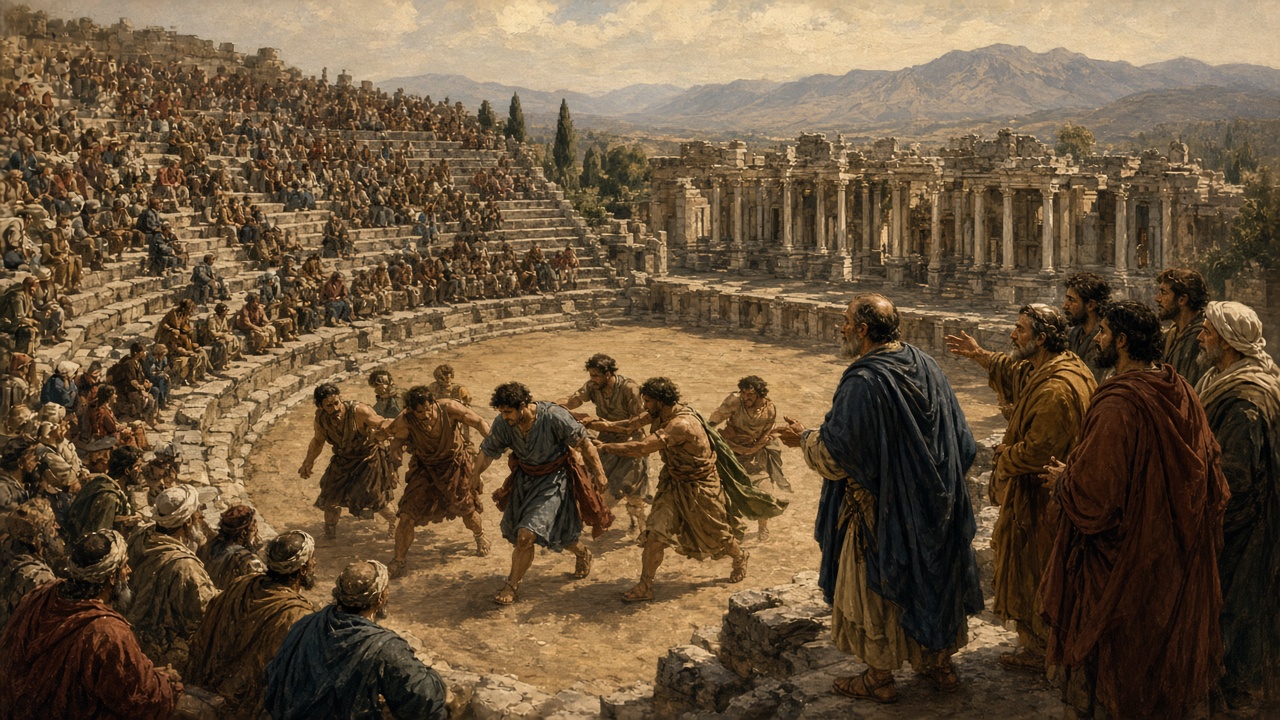
- La multitud se lanzó al teatro de Éfeso, que el Diccionario Bíblico de Easton (1897) describe como el más grande del mundo, a cielo abierto y capaz de albergar a 50.000 espectadores. Amigos de Pablo entre los jefes de Asia, ciudadanos ricos elegidos cada año para presidir los juegos y las fiestas religiosas de sus ciudades, le rogaron que no entrara. El secretario de la ciudad recordó entonces a la asamblea que Éfeso era guardiana del templo de la gran Artemisa y de su imagen, de la que se decía que había caído del cielo.Fuentes: Ephesus · Asia · el propio texto bíblico
Notas escritas con ayuda de IA a partir de fuentes abiertas (Theographic Bible Metadata, CC BY-SA 4.0; Easton’s Bible Dictionary, dominio público) y revisadas antes de publicarse.
Lugares de este capítulo
- Corinth · 37.906, 22.879 · versículo 1
- Ephesus · 37.939, 27.341 · versículos 1, 17, 23, 26, 35
- Asia · 38.400, 28.300 · versículos 10, 22, 26, 27, 31
- Achaia · 38.720, 22.540 · versículo 21
- Jerusalem · 31.777, 35.234 · versículo 21
- Macedonia · 41.600, 22.540 · versículos 21, 22, 29
- Rome · 41.892, 12.485 · versículos 21, 40
Solo aparecen lugares identificados con alta confianza (90 % o más según las fuentes académicas reunidas por OpenBible). Mapa de la época: DARE (Digital Atlas of the Roman Empire), CC BY 4.0; mapa actual: © colaboradores de OpenStreetMap; lugares: OpenBible.info (CC BY 4.0).
Créditos y licencia de esta traducción
Abware̱se̱ŋ Wo̱re̱-ɔ
New Testament in Chumburung (GH:ncu:Chumburung)
copyright © 2010 Wycliffe Bible Translators, Inc.
Language: Chumburung
Translation by: Wycliffe Bible Translators, Inc.
Copyright Information
© 2010, Wycliffe Bible Translators, Inc. All rights reserved.
This translation text is made available to you under the
terms of the Creative Commons License: Attribution-Noncommercial-No Derivative Works.
( http://creativecommons.org/licenses/by-nc-nd/3.0/ )
In addition, you have permission to port the text to different file formats, as long as you
do not change any of the text or punctuation of the Bible.
You may share, copy, distribute, transmit, and extract portions
or quotations from this work, provided that you include the above copyright
information:
You must give Attribution to the work.
You do not sell this work for a profit.
You do not make any derivative works that change any of the actual words or punctuation of the Scriptures.
Permissions beyond the scope of this license may be
available if you contact
us with your request.
The New Testament
in Chumburung
© 2010, Wycliffe Bible Translators, Inc. All rights reserved.
This translation is made available to you under the terms of the
Creative Commons Attribution-Noncommercial-No Derivatives license 4.0.
You may share and redistribute this Bible translation or extracts from it in any format, provided that:
You include the above copyright and source information.
You do not sell this work for a profit.
You do not change any of the words or punctuation of the Scriptures.
Pictures included with Scriptures and other documents on this site are licensed just for use with those Scriptures and documents.
For other uses, please contact the respective copyright owners.
2025-05-16
Fuente: http://ebible.org/ncuNT/ · eBible.org