1 Pedro 2
Abware̱se̱ŋ Wo̱re̱-ɔ · Toca un versículo para ver sus referencias cruzadas.
Mo̱ne̱ gye̱ Wuribware̱ ase̱sɛ ne̱e̱
1Amo̱se̱ se̱‑ɔ mo̱nꞌ yɔwe̱ e̱bɔye̱ na mpe̱nna na nnɔ ŋnyɔ ŋnyɔ na ko̱kwe̱e̱ na tɔkyii na e̱se̱ŋsa ke̱sa bo̱ kye mo̱ne̱ ko̱so̱bɛɛ‑ana. 2Fe̱yɛ ane̱ŋ ne̱ ŋyaagyi po̱pwɛɛ e̱ kpa ke̱nyapo̱ timaa‑o, mo̱ne̱ gbaa mo̱nꞌ taa abware̱se̱ŋ bo̱ kii mo̱ne̱ ateese, na mo̱nꞌ nya daŋ fe̱yɛ ase̱sɛ ne̱ Wuribware̱ a mo̱rɔwe̱‑ɔ. 3Abware̱se̱ŋ wo̱re̱‑ɔ yɛ, “Fo̱ ya taa fo̱ e̱ye̱e̱ sa mò̱, fo̱ i nu kɔne̱ fɛɛ.” Mo̱ e̱ kɔɔre̱ a n gyi fe̱yɛ ane̱ŋ ne̱ mo̱ne̱ du‑o. 4Mo̱nꞌ ba ane̱ nyaŋpe̱ Yeesuu ase̱. Mò̱ e̱ gye̱ mò̱ ne̱ Wuribware̱ e̱ te̱e̱ ɛ, “Ke̱fo̱re̱ ne̱ ke̱ de ŋkpa‑ɔ.” Ase̱sɛ a kine mò̱ tɔwe̱ fe̱yɛ ɔ mo̱ŋ de ke̱tɔ waasɛ timaa ko̱. Amaa ne̱ Wuribware̱ fe̱raa a lee mò̱ tɔwe̱ fe̱yɛ o de to̱nɔ sa mò̱. 5Ane̱ŋ dɛɛ ne̱ mo̱nꞌ sa a Wuribware̱ taa mo̱ne̱ fe̱yɛ afo̱re̱ ne̱ a de ŋkpa‑ɔ, na ɔ bo̱ pwɛɛ mò̱ lɔŋ mfe̱ŋ ne̱ mò̱ kufwiiŋe timaa‑o e̱ kye̱na‑rɔ‑ɔ. Mo̱nꞌ sa a ɔ ba mo̱ne̱ bo̱ kii mo̱ alɔŋŋɔpo̱ ne̱ oo lee fe̱yɛ bo̱ suŋ mò̱‑ɔ. Ko̱lɔŋŋɔ ne̱ ɔ kpa‑ɔ e̱ gye̱ itimaa na ŋkpo̱nɔfwiiri ne̱ mo̱ne̱ bɔ Yeesuu Kristoo si mo̱ne̱ e̱ sa Wuribware̱‑ɔ. Ane̱ŋ a ko̱lɔŋŋɔ‑ɔ e̱ pre̱ mò̱. 6Fe̱yɛ ane̱ŋ ne̱ baa kyo̱rɛɛ waa abware̱se̱ŋ wo̱re̱‑ɔ‑rɔ‑ɔ,
“Wuribware̱ yɛ,
‘Mo̱nꞌ ke̱e̱, n de ke̱fo̱re̱ mo̱ e̱ be̱ya Yɛro̱salɛm maŋ‑nɔ,
ke̱fo̱re̱ yawo̱ le̱ŋle̱ŋsɛ ne̱ mo̱ a lee‑o, ke̱po̱re̱‑rɔ ke̱fo̱re̱,
ne̱ ke̱ e̱ nya a ke̱ bo̱ da talii kase̱ŋtiŋ‑o.
Ɔke̱maa ne̱ ɔ kɔɔre̱ ke̱mo̱ a o gyi‑o,
ipeere maa gyi mò̱, daa.’ ”
7Mbe̱yɔmɔ, ane̱ŋ a ke̱fo̱re̱ mɔ gye̱ atɔ mumwii mo̱ne̱ ne̱ mo̱ne̱ gye̱ akɔɔre̱gyipo̱‑ɔ ase̱, a le̱e̱ fe̱yɛ a gye̱ Kristoo kuŋu si ase̱ŋ ne̱ ɔ tɔwe̱‑ɔ. Amaa bamo̱ ne̱ bo̱ maa kɔɔre̱ Kristoo ba gyi‑o nu fe̱yɛ,
“Ke̱fo̱re̱ serisɛ ko̱ ne̱ apwɛɛpo̱ de bo̱ pwɛɛ,
ne̱ baa kine ke̱mo̱ bo̱ twe̱e̱‑ɔ,
ya ko̱ŋ bo̱ kii ke̱mo̱ ne̱ kaa le̱ŋ lɔŋ‑ɔ pɛɛɛ bo̱ ye̱ra‑ɔ.”
8Ne̱ baa be̱e̱ kyo̱rɛɛ fe̱yɛ,
“Kaa kii ke̱fo̱re̱ ne̱ ase̱sɛ e̱ da ayaa ke̱mo̱ se̱‑ɔ ne̱e̱,
ba le̱e̱ a bo̱ le̱e̱ da gyɛɛ e̱ye̱e̱‑rɔ.”
Ke̱tɔ se̱ ne̱ ba daye̱ ayaa‑ɔ e̱ gye̱ fe̱yɛ bo̱ maa bu Wuribware̱ a ase̱ŋ‑ɔ. Amo̱ e̱ kaapo̱ ne̱e̱ fe̱yɛ ke̱tɔ ne̱ ke̱ e̱ waa bamo̱ ne̱ bo̱ maa kɔɔre̱ Kristoo ba gyi‑o e̱ gye̱ fe̱yɛ o gyiiri bamo̱ ke̱se̱bɔ.
9Amaa mo̱ne̱ fe̱raa, mo̱ne̱ gye̱ ase̱sɛ ne̱ Wuribware̱ a lee sa mò̱ e̱ye̱e̱‑ɔ ne̱e̱. Mo̱ne̱ gye̱ alɔŋŋɔpo̱ ne̱ mo̱ne̱ i suŋ ane̱ owure Wuribware̱. Mo̱ne̱ gye̱ ase̱sɛ ne̱ mo̱ne̱ de ŋkpo̱nɔfwiiri mo̱ne̱ i suŋ Wuribware̱. Ne̱ ŋkee mo̱ne̱ gye̱ Wuribware̱ ase̱sɛ ne̱e̱. Mo̱ne̱ kusuŋ e̱ gye̱ fe̱yɛ mo̱nꞌ tɔwe̱ Wuribware̱ ne̱ oo lee mo̱ne̱ le̱e̱ kibugyii‑ro baa bo̱ kye̱na mò̱ ke̱laŋŋe̱rɔ‑rɔ‑ɔ a asuŋ dabe̱‑ɔ gywii bo̱ko̱. 10Saŋ‑ɔ mo̱ne̱ mo̱ŋ gye̱ Wuribware̱ ase̱sɛ, amaa mbe̱yɔmɔ fe̱raa, mo̱ne̱ gye̱ mò̱ lee. Ane̱ŋ dɛɛ ne̱ saŋ‑ɔ mo̱ne̱ dɛɛ mo̱ne̱ mo̱ŋ nyi ane̱ŋ ne̱ Wuribware̱ i ŋu ase̱sɛ e̱wɛɛ‑ɔ, amaa mbe̱yɔmɔ fe̱raa, mo̱ne̱ a ŋu fe̱yɛ Wuribware̱ a ŋu mo̱ne̱ e̱wɛɛ.
11Mo̱ anyare̱ timaa, mo̱ e̱ ko̱re̱ mo̱ne̱ ne̱e̱ fe̱yɛ mo̱nꞌ ŋu fe̱yɛ mo̱ne̱ gye̱ afɔ ne̱e̱, ne̱ mo̱ne̱ a ba kaye̱ mɔ‑rɔ mo̱ne̱ te. Amo̱se̱ se̱‑ɔ mo̱ne̱ ma kaŋ sa a mfɛɛre̱ bɔye̱ ne̱ m bo̱ mo̱ne̱ ŋkpo̱nɔ‑rɔ‑ɔ, ne̱ ŋ kpa a ŋ nye̱ra mo̱ne̱ e̱kra‑ɔ kɔ gyi mo̱ne̱ se̱. 12Mo̱nꞌ sa a mo̱ne̱ atɔ waasɛ ke̱maa waa daŋ mo̱ne̱ aa bamo̱ ne̱ bo̱ maa suŋ Wuribware̱‑ɔ mbo̱ŋtɔ‑rɔ, na bo̱ ma taare̱ po̱rɔ mo̱ne̱ fe̱yɛ mo̱ne̱ gye̱ e̱bɔye̱ awaapo̱, amaa bo̱ ŋu mo̱ne̱ atɔ waasɛ timaa‑o, na bo̱ ye̱re̱ amo̱ se̱ kyo̱rɔ Wuribware̱ kake nsi amo̱ ne̱ ɔ ba‑ɔ.
Mo̱nꞌ bu bamo̱ ne̱ bo̱ de ke̱yaale̱ŋ kaye̱ mɔ‑rɔ‑ɔ
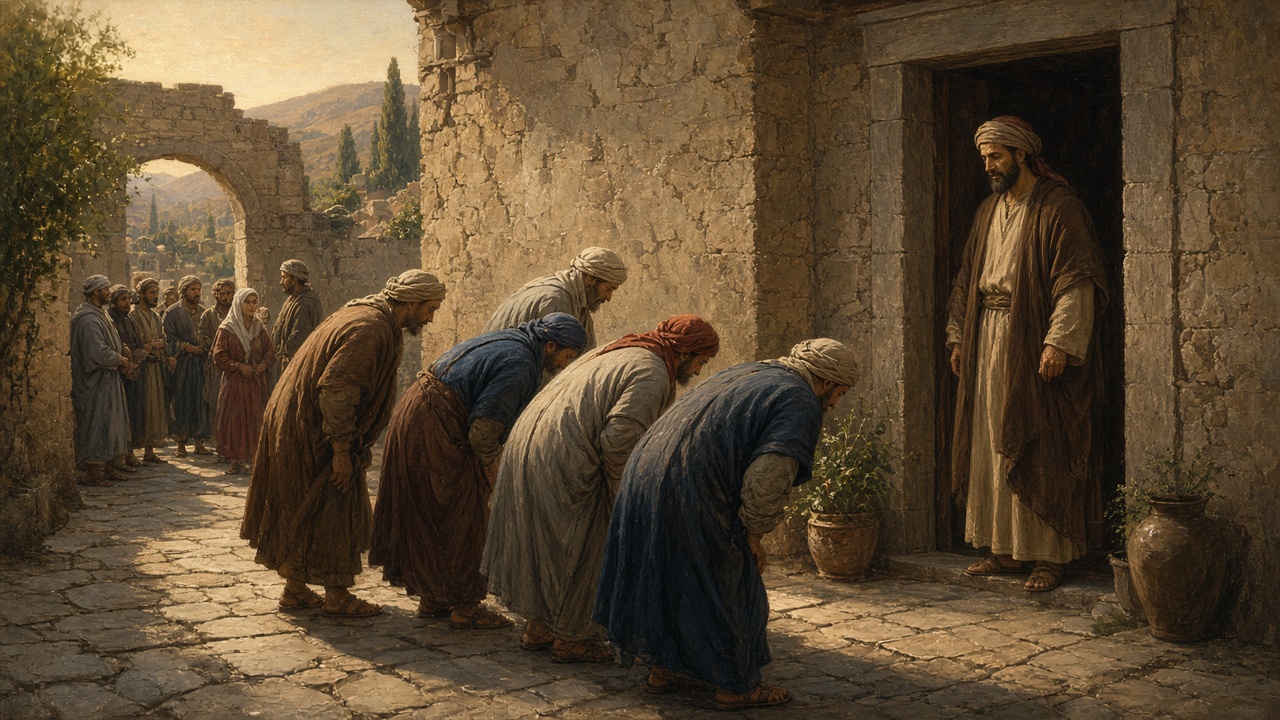
13Amo̱se̱ se̱ ne̱ ane̱ nyaŋpe̱ se̱, mo̱nꞌ bu se̱sɛ ke̱maa ne̱ baa sa mò̱ ke̱yaale̱ŋ‑ɔ hare̱e̱ owure dabe̱ ne̱ ɔ kyɔ ɔke̱maa‑ɔ ne̱e̱ ooo, 14bɛɛɛ mò̱ gominaa ne̱ oo suŋ bo̱ kyo̱ŋwe̱ fe̱yɛ o gyiiri e̱bɔye̱ awaapo̱ ke̱se̱bɔ, na ɔ kyo̱rɔ bamo̱ ne̱ ba waa itimaa‑o ne̱e̱ ooo. 15A gye̱ Wuribware̱ ke̱kpa ne̱e̱ fe̱yɛ mo̱ne̱ itimaa ko̱waa‑ɔ duŋ bamo̱ ne̱ bo̱ maa sa se̱ŋsa kanyiase̱ŋ‑nɔ‑ɔ nnɔ. 16Mo̱nꞌ kye̱na fe̱yɛ agyi‑o, na saŋ ko̱ŋko̱ amo̱‑rɔ dɛɛ mo̱ne̱ te fe̱yɛ Wuribware̱ anya‑ɔ. Amo̱se̱ se̱‑ɔ mo̱ne̱ ma kaŋ tɔwe̱ fe̱yɛ mo̱ne̱ a gye̱ agyi‑o si, mo̱ne̱ de kpa fe̱yɛ mo̱nꞌ waa bɔye̱. 17Mo̱nꞌ bu atɔ. Mo̱nꞌ kpa mo̱ne̱ abɛɛko̱ akɔɔre̱gyipo̱‑ana pɛɛɛ ase̱ŋ. Mo̱nꞌ se̱re̱ Wuribware̱, na mo̱nꞌ bu owure dabe̱‑ɔ.
Anya waa kanyite awo̱re̱fɔɔ kigyi‑ro
18Mo̱ne̱ ne̱ mo̱ne̱ gye̱ anya bɛɛɛ ayaafɔre̱‑ɔ, mo̱nꞌ se̱re̱ mo̱ne̱ nyaŋpe̱‑ana, na mo̱nꞌ bu bamo̱ nɛɛnɛɛ. N gye̱ anyaŋpe̱ ne̱ bo̱ bware, ne̱ bo̱ gye̱ ase̱sɛ timaa‑o wo̱re̱, amaa bamo̱ ne̱ bamo̱ ase̱ŋ bo̱ le̱ŋ, ne̱ bo̱ de ase̱ŋ bɔye̱ na daa bɔye̱‑ɔ pɛɛɛ mɔ ane̱ŋ dɛɛ ne̱ mo̱nꞌ bu bamo̱. 19Fo̱ nyaŋpe̱ ya gyiiri fo̱ ke̱se̱bɔ, na fo̱ mo̱ŋ ŋu bɔye̱ ko̱ ne̱ fo̱ a waa‑ɔ, amo̱ fe̱raa sa a fo̱ mfɛɛre̱ yɔ Wuribware̱ ase̱, mò̱ e̱ gye̱ ne̱ ɔ kyo̱rɔ fo̱. 20Fo̱ nyaŋpe̱ ya da fo̱ bo̱ le̱e̱ bɔye̱ ne̱ fo̱ a waa‑ɔ se̱, ne̱ fo̱ a nya ke̱mo̱ kanyite, e̱me̱ne̱ ne̱ fo̱ e̱ waa na fo̱ nya fo̱ kanyite‑o nkyo̱rɔ? Amaa fo̱ ya waa itimaa, ne̱ mò̱ ya da fo̱, ne̱ fo̱ ya nya kanyite, Wuribware̱ e̱ gye̱ ne̱ ɔ kyo̱rɔ fo̱. 21A le̱e̱ fe̱yɛ ane̱ŋ a kakye̱na mɔ se̱ ne̱ ɔɔ te̱e̱ mo̱ne̱ fe̱yɛ mo̱nꞌ bo̱ ŋu ase̱ŋ. Mo̱nꞌ ke̱e̱ ane̱ŋ ne̱ Kristoo a gyi awo̱re̱fɔɔ sa mo̱ne̱‑ɔ, ne̱ ɔ kaapo̱ mo̱ne̱ awo̱re̱fɔɔ suyo ne̱ oo gyi‑o, na mo̱nꞌ ye̱re̱ mò̱ ayaa‑rɔ gyi amo̱ ane̱ŋ dɛɛ. 22Fe̱yɛ ane̱ŋ ne̱ baa kyo̱rɛɛ bo̱ le̱e̱ Yeesuu kuŋu si abware̱se̱ŋ wo̱re̱‑ɔ‑rɔ‑ɔ,
“Ɔ mo̱ŋ waa bo̱ro̱kɔɔne̱ ko̱,
ne̱ ɔko̱ mo̱ŋ nu mò̱ kanɔ‑rɔ ke̱se̱ŋ bɔye̱ ko̱.”
23Bamo̱ a saare̱ mò̱‑ɔ, mò̱ fe̱raa mo̱ŋ saare̱ bamo̱ bo̱ teere. Bamo̱ a waa mò̱ awo̱re̱fɔɔ‑ɔ, ɔ mo̱ŋ tɔwe̱ gywii bamo̱ fe̱yɛ ɔ waa bamo̱ awo̱re̱fɔɔ a ɔ bo̱ teere. Amaa ɔɔ taa mò̱ ase̱ŋ waa Wuribware̱ ne̱ o gyi ase̱ŋ pɛɛɛ nɛɛnɛɛ‑ɔ asare̱e̱‑rɔ ne̱e̱.
24Yeesuu fɔŋfɔŋ a so̱rɔ ane̱ e̱bɔye̱ saŋ ne̱ oo wu kiyii kpare̱-abɛɛ‑rɔ se̱‑ɔ, na e̱bɔye̱ ko̱waa ma lɛɛ waa ane̱ kɔne̱, na wɔre̱ nya ane̱ itimaa ko̱waa‑rɔ. Fe̱yɛ ane̱ŋ ne̱ baa be̱e̱ kyo̱rɛɛ waa abware̱se̱ŋ wo̱re̱‑ɔ‑rɔ‑ɔ,
“Mò̱ kayo̱wɔre̱ ko̱waa e̱lɔ‑ɔ a baa ane̱ alaŋfiya.
25Mo̱ne̱ du ne̱e̱ fe̱yɛ e̱sanne̱ ne̱ baa fo̱‑ɔ,”
amaa mbe̱yɔmɔ fe̱raa mo̱ne̱ a kiŋŋi ba mo̱ne̱ e̱sanne̱ ɔde̱e̱re̱se̱po̱ Yeesuu ne̱ ɔ de̱e̱re̱ mo̱ne̱ e̱kra se̱‑ɔ ase̱.
¿Sabías que…?
Piedras vivas y un pueblo escogido
- Este capítulo cita la Escritura acerca de una piedra angular escogida y preciosa puesta en Sion: quien cree en ella jamás será avergonzado. Sion era la colina del sureste de Jerusalén, una de las alturas sobre las que se construyó la ciudad, rodeada de valles profundos por todos lados excepto el norte.Fuentes: el propio texto bíblico · Zion
- David tomó Sion de los jebuseos, construyó allí una ciudadela y un palacio, y la colina llegó a conocerse como la ciudad de David. La carta usa ese nombre de lugar al citar la Escritura acerca de una piedra angular puesta en Sion, y describe a los lectores como piedras vivas edificadas como casa espiritual y sacerdocio santo.Fuentes: Zion · el propio texto bíblico
- El capítulo exhorta a someterse, por causa del Señor, a toda institución humana: al rey, como autoridad suprema, y a los gobernadores enviados para castigar a los que hacen el mal y elogiar a los que hacen el bien. Dice a los siervos que respeten incluso a los amos que actúan sin razón, y presenta el sufrimiento de Cristo —sin pecado, sin engaño, sin amenazas y sin represalias— como modelo para soportar el dolor injusto.Fuentes: el propio texto bíblico
Notas escritas con ayuda de IA a partir de fuentes abiertas (Theographic Bible Metadata, CC BY-SA 4.0; Easton’s Bible Dictionary, dominio público) y revisadas antes de publicarse.
Lugares de este capítulo
- Zion · Hoy: Jerusalem · 31.777, 35.234 · versículo 6
Solo aparecen lugares identificados con alta confianza (90 % o más según las fuentes académicas reunidas por OpenBible). Mapa de la época: DARE (Digital Atlas of the Roman Empire), CC BY 4.0; mapa actual: © colaboradores de OpenStreetMap; lugares: OpenBible.info (CC BY 4.0).
Créditos y licencia de esta traducción
Abware̱se̱ŋ Wo̱re̱-ɔ
New Testament in Chumburung (GH:ncu:Chumburung)
copyright © 2010 Wycliffe Bible Translators, Inc.
Language: Chumburung
Translation by: Wycliffe Bible Translators, Inc.
Copyright Information
© 2010, Wycliffe Bible Translators, Inc. All rights reserved.
This translation text is made available to you under the
terms of the Creative Commons License: Attribution-Noncommercial-No Derivative Works.
( http://creativecommons.org/licenses/by-nc-nd/3.0/ )
In addition, you have permission to port the text to different file formats, as long as you
do not change any of the text or punctuation of the Bible.
You may share, copy, distribute, transmit, and extract portions
or quotations from this work, provided that you include the above copyright
information:
You must give Attribution to the work.
You do not sell this work for a profit.
You do not make any derivative works that change any of the actual words or punctuation of the Scriptures.
Permissions beyond the scope of this license may be
available if you contact
us with your request.
The New Testament
in Chumburung
© 2010, Wycliffe Bible Translators, Inc. All rights reserved.
This translation is made available to you under the terms of the
Creative Commons Attribution-Noncommercial-No Derivatives license 4.0.
You may share and redistribute this Bible translation or extracts from it in any format, provided that:
You include the above copyright and source information.
You do not sell this work for a profit.
You do not change any of the words or punctuation of the Scriptures.
Pictures included with Scriptures and other documents on this site are licensed just for use with those Scriptures and documents.
For other uses, please contact the respective copyright owners.
2025-05-16
Fuente: http://ebible.org/ncuNT/ · eBible.org