Efesios 5
Abureni NT Portions · Toca un versículo para ver sus referencias cruzadas.
Orugh d̠a̠ E̠b̠alab̠al
1O̠ku̠a a̠d̠ighi be̠le̠ni̠, i̠ta ma̠ ed̠ighiom i̠di̠ar ta̠ A̠zib̠a̠ ma̠ agu̠o̠ inyin u̠ro̠ ma̠ anwi̠i̠ny ed̠ighologi d̠o̠yo̠ bho̠. 2Irughe ma̠ a̠ma̠rugh etula̠n agu̠o̠ Akrai̠st a̠tula̠n i̠yar bho̠, sa̠ a̠nigha̠ ma̠ ozu d̠o̠yo̠ ma̠ o̠ro̠ abar alu̠kpe̠, ola̠ u̠kpe̠ unigha̠ ma̠ A̠zib̠a̠ sa̠ a̠bhur ed̠u e̠nu̠nu̠. 3Agu̠o̠ inyin u̠ro̠ ma̠ a̠nwunom ta̠ A̠zib̠a̠ bho̠, o̠ro̠ d̠o̠ ma̠ ola̠ ta̠ o̠gba ma̠a̠, odi o̠ni̠ inyin na̠ a̠d̠e ma̠ e̠ma, bo̠d̠o̠ na̠ a̠pesi ma̠ a̠d̠ien kere kere ipesi, bo̠d̠o̠ na̠ a̠kori ma̠ i̠di̠ar na̠ a̠bhin. A̠ghud̠um i̠nye̠n ibhon d̠o̠ ma̠ a̠nwunom ta̠ A̠zib̠a̠ ma̠ orugh. 4Bo̠d̠o̠ osenegi isenegi, ofugh a̠fugh iya̠ i̠te̠i̠, bo̠d̠o̠ okue ikue ya̠ osora̠n d̠o̠. Ado̠l i̠nye̠n ibhon d̠o̠, kpe̠le̠me̠ni̠ bha̠ i̠se̠bhe̠ ma̠ ali̠se̠bh. 5Iloghome ma̠a̠, od̠e ma̠ e̠ma, bo̠d̠o̠ opesipesi, bo̠d̠o̠ okorikori (wa̠ aro̠ ma̠ o̠ko̠l ma̠ eru bho̠), ko od̠igh d̠o̠ d̠a̠ a̠de onwuna̠ e̠ma ta̠ Akrai̠st na̠ A̠zib̠a̠.
6O̠ni̠ ko oma̠ra̠ ma̠ o̠ni̠ ma̠ obhin ibhelebhel o̠nu̠ oru ra̠ ogelemeni inyin. Ezin bho̠, A̠zib̠a̠ ta̠ a̠din o̠kpo̠ ya̠ o̠ko̠no̠n agam ibom i̠gam a̠gboloma̠ ma̠ ogbo ya̠ na̠ e̠b̠agh e̠mu̠ bho̠. 7O̠ni̠ ko od̠igh awa ma̠ egir a̠d̠ien i̠d̠i̠ar ya̠ awa na̠ egir bho̠. 8Ezin bho̠, obhel aro̠ ma̠ ola̠ inyin u̠ro̠ d̠a̠ azi̠m, ya̠a̠ i̠se̠n inyin na̠ oten a̠nwunom ta̠ Wa̠nwuna̠ ya̠ od̠i d̠a̠ e̠b̠alab̠al bho̠, bha̠, irughe ma̠ a̠ma̠rugh ya̠ i̠gu̠b̠an ogbo ya̠ od̠i d̠a̠ e̠b̠alab̠al. 9Ezin bho̠, e̠b̠alab̠al onon wa̠ od̠i na̠ inyin bho̠, na̠ amu̠ na̠ a̠mutiom ib̠eb̠i, na̠ igielake̠, na̠ a̠gia̠ga̠i, 10ma̠ agu̠o̠ inyin na̠ owia̠n ogir ya̠ i̠kpe̠ d̠a̠ a̠misigh ta̠ A̠zib̠a̠ bho̠. 11O̠ni̠ ko od̠igh ani̠ ma̠ egir i̠d̠i̠ar obhobho i̠kpo̠ i̠ye̠ ya̠ igboloma̠ ma̠ azi̠m bho̠, kpe̠le̠me̠ni̠ bha̠ i̠gba ma̠ emutiom agu̠o̠ igurom i̠te̠i̠. 12O̠kpo̠ i̠ye̠ ya̠ awa na̠ egir d̠a̠ e̠wo̠gi̠na bho̠, iya̠ ari̠ghe̠l nyen ma̠ ofugh ogboloma̠. 13Ya̠a̠, ka̠ umutiom eb̠la̠ o̠kpo̠ i̠ye̠ d̠a̠ e̠b̠alab̠al, sa̠ ta̠ ologhom agu̠o̠ obhin od̠i. 14Ezin bho̠ e̠b̠alab̠al na̠ a̠leriom kabar kabar, agu̠o̠ A̠d̠ire E̠tu̠tu̠ bho̠ agba ma̠a̠,
“B̠etina̠ d̠a̠ adi̠la d̠oyom,
b̠etina̠ d̠a̠ omugh,
sa̠ Akrai̠st ta̠ a̠nigha̠ nyam amu̠gho̠nyan.”
Orugh d̠a̠ a̠limon E̠mu̠gh E̠tu̠tu̠ bho̠
15O̠ku̠a a̠d̠ighi be̠le̠ni̠ ikpona̠, o̠ni̠ ko orugh agu̠o̠ rema̠ a̠nwunom, ya̠ i̠ro̠ ma̠ agu̠o̠ iloghodi̠ar a̠nwunom. 16I̠mare̠ ma̠ egir i̠di̠ar ya̠ i̠kpe̠ inyin ogir d̠a̠ obhel bho̠, ezin bho̠ ra̠d̠a̠ma̠ i̠nye̠n i̠karabh. 17Ebula̠ o̠ku̠a, o̠ni̠ ko o̠ro̠ ma̠ rema̠, ya̠a̠ iwia̠ne ma̠ o̠mu̠gho̠nyan i̠to̠ ta̠ A̠zib̠a̠. 18O̠ni̠ ko o̠d̠a ma̠ a̠min e̠te̠i̠ esi ola̠ ta̠ epuru inyin, b̠o̠ka̠ i̠ye̠me̠ni̠ inyin. Kpe̠le̠me̠ni̠ bha̠ E̠mu̠gh bho̠ a̠muzo d̠a̠ a̠ruzu d̠inyin. 19Ibhine ma̠ raso̠r ya̠ od̠i d̠a̠ A̠d̠ire E̠tu̠tu̠ bho̠, na̠ raso̠r ya̠ a̠nwunom ima̠ra̠, na̠ raso̠r ya̠ E̠mu̠gh E̠tu̠tu̠ bho̠ ta̠ a̠nigha̠ inyin, ma̠ e̠mo̠r d̠a̠ esa̠d̠io d̠inyin, ma̠ etutumeni ma̠ A̠zib̠a̠ d̠a̠ rologi d̠inyin. 20I̠se̠bhe̠ ma̠ A̠zib̠a̠ O̠we̠de̠ bho̠ kigiel kigiel ma̠ egboloma̠ ma̠ eb̠la̠ i̠di̠ar, d̠a̠ a̠d̠ien ta̠ Wa̠nwuna̠ i̠yar A̠zizo̠s Akrai̠st.
A̠kikiom ya̠ Ani̠ na̠ Owolom
21Odi a̠zuruna̠ ma̠ eghoi a̠nigha̠ ma̠ odi d̠a̠ ebula̠ oghila̠n Akrai̠st. 22Inyin anwani̠, izuruna̠ ma̠ eghoi ma̠ enigha̠ ma̠ a̠siwolom d̠inyin, ma̠ a̠d̠ien agu̠o̠ inyin na̠ ogir na̠ onigha̠ ma̠ Wa̠nwuna̠ bho̠. 23Ezin bho̠, owolom we̠mu̠ ani̠ d̠o̠yo̠, ma̠ onin agu̠o̠ Akrai̠st aro̠ ma̠ we̠mu̠ na̠ Witenemeni aso̠si̠ bho̠, wa̠ aro̠ ma̠ ozu d̠o̠yo̠ bho̠. 24O̠ku̠a a̠d̠ighi be̠le̠ni̠, a̠d̠ien agu̠o̠ aso̠si̠ bho̠ na̠ a̠zuruna̠ ma̠ eghoi na̠ a̠nigha̠ ma̠ Akrai̠st bho̠, anwani̠ eka̠ ezuruna̠ ma̠ eghoi enigha̠ ma̠ a̠siwolom d̠awa d̠a̠ eb̠la̠ i̠di̠ar. 25Inyin a̠siwolom, itula̠ne ma̠ anwani̠ d̠inyin, ma̠ onin agu̠o̠ Akrai̠st a̠tula̠n aso̠si̠ bho̠, sa̠ a̠nigha̠ ma̠ a̠ghud̠um d̠o̠yo̠ a̠dinom. 26I̠na a̠gir o̠ku̠a b̠o̠ka̠ i̠na a̠bhin o̠nu̠o̠kpe̠ d̠o̠yo̠ a̠wur amu̠m ma̠ aso̠si̠ bho̠ a̠guri d̠a̠ e̠b̠ab̠ala. 27Akrai̠st a̠gir o̠ko̠no̠n b̠o̠ka̠ i̠na ate̠i̠ aso̠si̠ ola̠ edim, ola̠ onwuna̠ d̠o̠ bebina̠ abar ola̠ o̠li̠o̠m, bo̠d̠o̠ ipa̠n i̠di̠ar ya̠ na̠ e̠pi̠e̠ ma̠ a̠nwunom. Kpe̠le̠me̠ni̠ bha̠ aso̠si̠ bho̠ aro̠ d̠a̠ e̠b̠ab̠ala na̠ ola̠ ko o̠bi̠gh d̠o̠ o̠pi̠e̠. 28Onin agu̠o̠ bho̠ a̠siwolom e̠kpe̠ ma̠ otula̠n anwani̠ d̠awa ma̠ agu̠o̠ awa itula̠n a̠ruzu d̠awa bho̠. I̠na o̠ni̠ wa̠ a̠tula̠n ani̠ d̠o̠yo̠ bho̠, bha̠ a̠tula̠n ozu d̠o̠yo̠ nyen. 29Ezin bho̠, bebina̠ o̠ni̠ ola̠ asu̠a ma̠ ozu d̠o̠yo̠ bo̠. Kpe̠le̠me̠ni̠ bha̠ o̠ni̠ bho̠ na̠ amar na̠ a̠d̠e ma̠ ed̠ia̠n na̠ a̠kponom ozu d̠o̠yo̠, onin agu̠o̠ bho̠ Akrai̠st na̠ a̠gir na̠ a̠gboloma̠ ma̠ aso̠si̠ bho̠, 30ezin bho̠ i̠yar a̠risisi ozu d̠o̠yo̠. 31Onin agu̠o̠ A̠d̠ire E̠tu̠tu̠ bho̠ agba ma̠a̠, “Olobho̠ro̠ni̠ ta̠ awe̠le̠man onweni na̠ o̠we̠de̠ d̠o̠yo̠ ka̠ akpabhan ani̠ d̠o̠yo̠, sa̠ i̠wal awa ta̠ eten onin ozu.” 32Onon obom e̠wo̠gi̠na, ya̠a̠ ami̠ na̠ agba na̠ a̠gboloma̠ ma̠ Akrai̠st na̠ aso̠si̠ bho̠. 33Ku̠ku̠m eka̠, id̠ighi ma̠ agu̠o̠ ola̠ ko̠ni̠ ko̠ni̠ inyin ta̠ a̠tula̠n ani̠ d̠o̠yo̠ ma̠ agu̠o̠ i̠na a̠tula̠n ozu d̠o̠yo̠ bho̠, ani̠ a̠zuruna̠ ma̠ eghoi a̠nigha̠ ma̠ owolom d̠o̠yo̠.
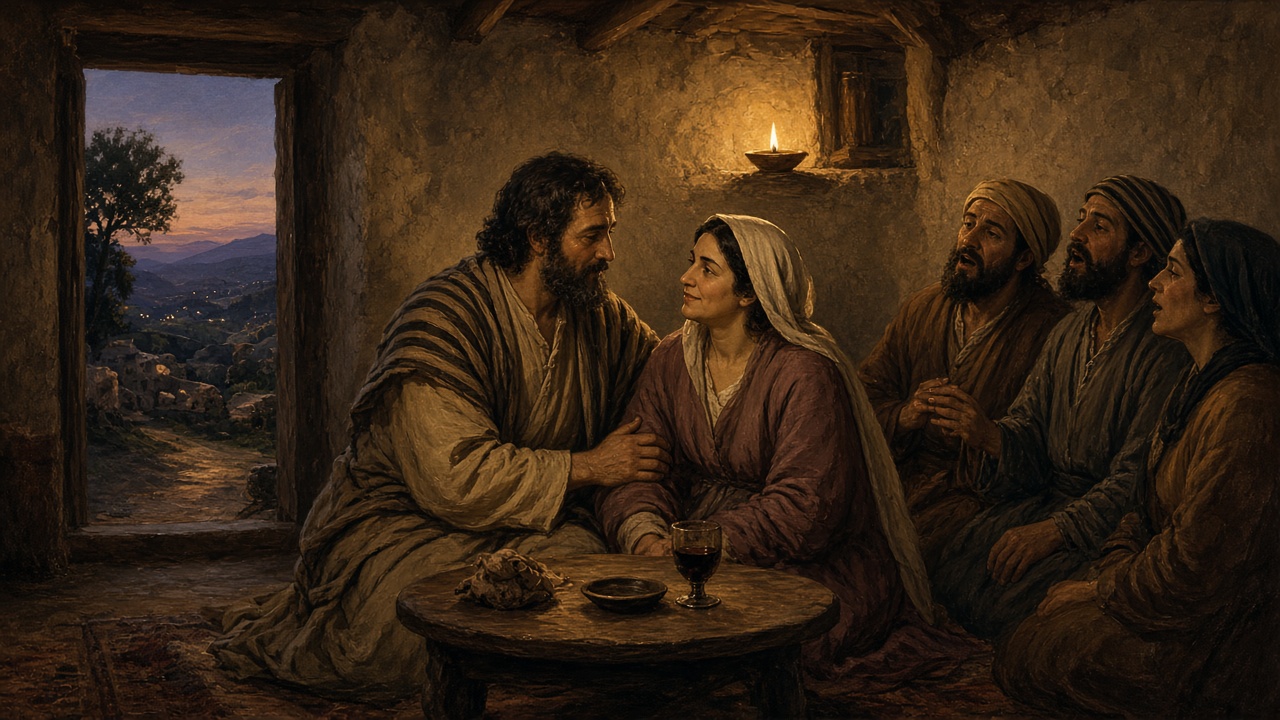
¿Sabías que…?
Amor, luz y el hogar
- Efesios 5 comienza llamando a los lectores a imitar a Dios como hijos amados y a andar en amor, así como Cristo los amó y se entregó por ellos como ofrenda sacrificial de aroma agradable a Dios.Fuentes: el propio texto bíblico
- El capítulo dice que sus lectores antes eran tinieblas, pero ahora son luz en el Señor, y que el fruto de la luz consiste en toda bondad, justicia y verdad. También cita un dicho que llama al que duerme a despertar y levantarse de entre los muertos, prometiendo que Cristo brillará sobre esa persona.Fuentes: el propio texto bíblico
- Un llamado a someterse unos a otros por reverencia a Cristo introduce las instrucciones para esposas y esposos. A los esposos se les dice que amen a sus esposas como Cristo amó a la iglesia y se entregó por ella, y el capítulo llama a la unión de esposo y esposa un misterio profundo que concierne a Cristo y a la iglesia.Fuentes: el propio texto bíblico
Notas escritas con ayuda de IA a partir de fuentes abiertas (Theographic Bible Metadata, CC BY-SA 4.0; Easton’s Bible Dictionary, dominio público) y revisadas antes de publicarse.
Créditos y licencia de esta traducción
Abureni NT Portions
Abureni: Abureni NT Portions (New Testament)
copyright © 2022 Luke Initiative for Scripture Translationand The Seed Company
Language: (Abureni)
Contributor: The Seed Company
This translation is made available to you under the terms of the
Creative Commons Attribution Share-Alike license 4.0.
You have permission to share and redistribute this Bible translation in any format and to make reasonable revisions and adaptations of this translation, provided that:
You include the above copyright and source information.
If you make any changes to the text, you must indicate that you did so in a way that makes it clear that the original licensor is not necessarily endorsing your changes.
If you redistribute this text, you must distribute your contributions under the same license as the original.
Pictures included with Scriptures and other documents on this site are licensed just for use with those Scriptures and documents.
For other uses, please contact the respective copyright owners.
Note that in addition to the rules above, revising and adapting God's Word involves a great responsibility to be true to God's Word. See Revelation 22:18-19.
2025-07-02
Fuente: http://ebible.org/mgj/ · eBible.org