Josué 1
Biblica® Kiugo Gĩtheru Kĩa Ngai Kĩhingũre · Toca un versículo para ver sus referencias cruzadas.
Acerca de este libro
Acerca de Josué
- El Diccionario Bíblico de Easton (1897) explica el nombre de Josué como "Jehová es su ayuda" o "Jehová el Salvador". Era hijo de Nun, de la tribu de Efraín, nacido en Egipto, y sucesor de Moisés como líder de Israel; las guerras de conquista que dirigió quedan registradas en el libro que lleva su nombre. Ese artículo no nombra al autor del libro ni da una fecha para su composición.Fuentes: Easton: Joshua · Joshua
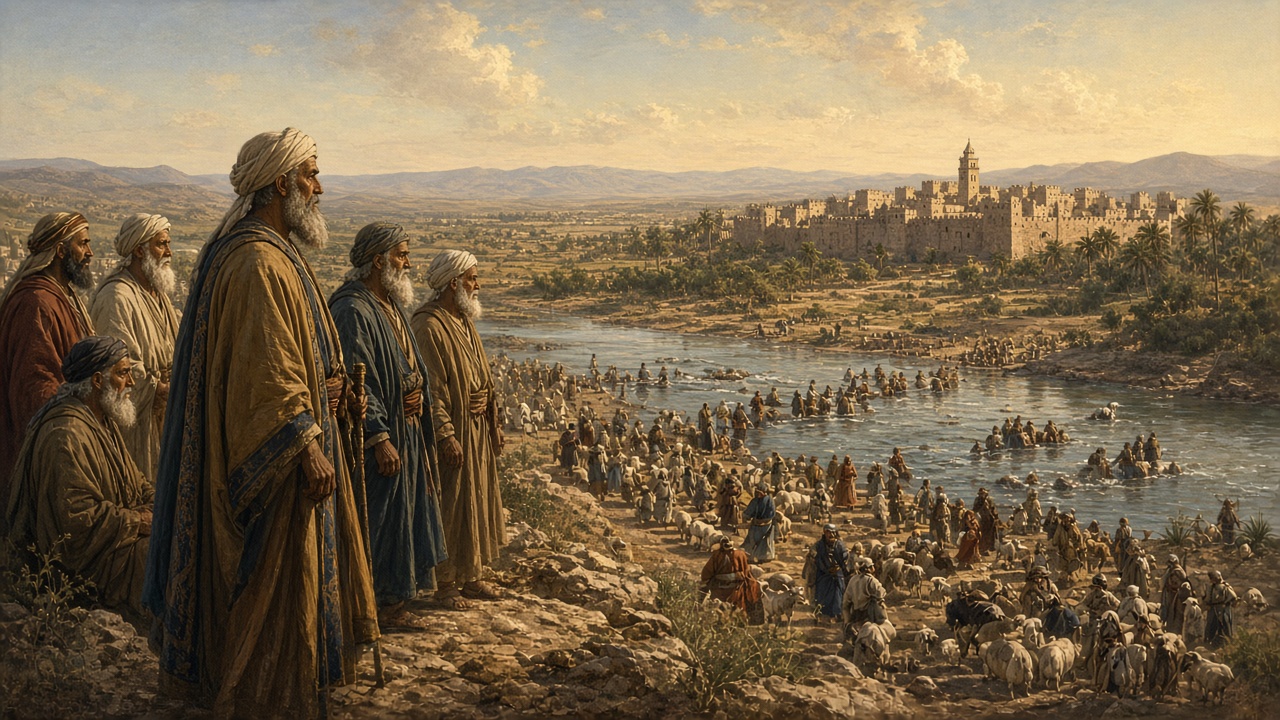
- Cuando Josué asumió el mando, el pueblo estaba acampado en Sitim. Cruzaron el Jordán y acamparon en Gilgal, donde, según Easton, circuncidó al pueblo y celebró la Pascua. Jericó, ciudad fortificada entre palmeras, a unas cinco millas al oeste del Jordán, se describe como la fortaleza más fuerte de Canaán y la llave de la Palestina occidental; Hai, al este de Betel, fue la segunda ciudad cananea tomada, después de una derrota inicial.Fuentes: Easton: Joshua · Jericho · Ai
- El Diccionario Bíblico de Easton (1897) dice que Josué conquistó seis naciones y treinta y un reyes, y luego repartió la tierra entre las tribus, quedándose Timnat-sera, en el monte Efraín, como herencia propia. Al este del Jordán, Galaad se describe como una región montañosa ocupada por las tribus de Gad y Rubén y por la parte sur de Manasés.Fuentes: Easton: Joshua · Gilead
- Citando a Edersheim, el diccionario dice que el nombre de Josué fue cambiado de Oshea, "ayuda", a Jehoshua, "Jehová es ayuda", y señala que se le llama Jesús en Hechos 7:45 y Hebreos 4:8. Afirma que murió a los ciento diez años, veinticinco años después de cruzar el Jordán, y que fue sepultado en su propia ciudad, Timnat-sera; de su padre, Nun, no se registra nada más que el hecho de que era el padre de Josué.Fuentes: Easton: Joshua · Joshua · Nun
- Antes de dirigir la conquista, Josué comandó el ejército de Israel contra los amalecitas en Refidim, sirvió como ministro de Moisés y fue uno de los doce enviados a explorar Canaán; solo él y Caleb trajeron un informe alentador. Tal como Easton describe el libro, este va desde el cruce del Jordán y la toma de Jericó, a través de años de guerra, hasta el reparto de la tierra y el último discurso de Josué.Fuentes: Easton: Joshua
Notas escritas con ayuda de IA a partir de fuentes abiertas (Theographic Bible Metadata, CC BY-SA 4.0; Easton’s Bible Dictionary, dominio público) y revisadas antes de publicarse.
Jehova Gwatha Joshua
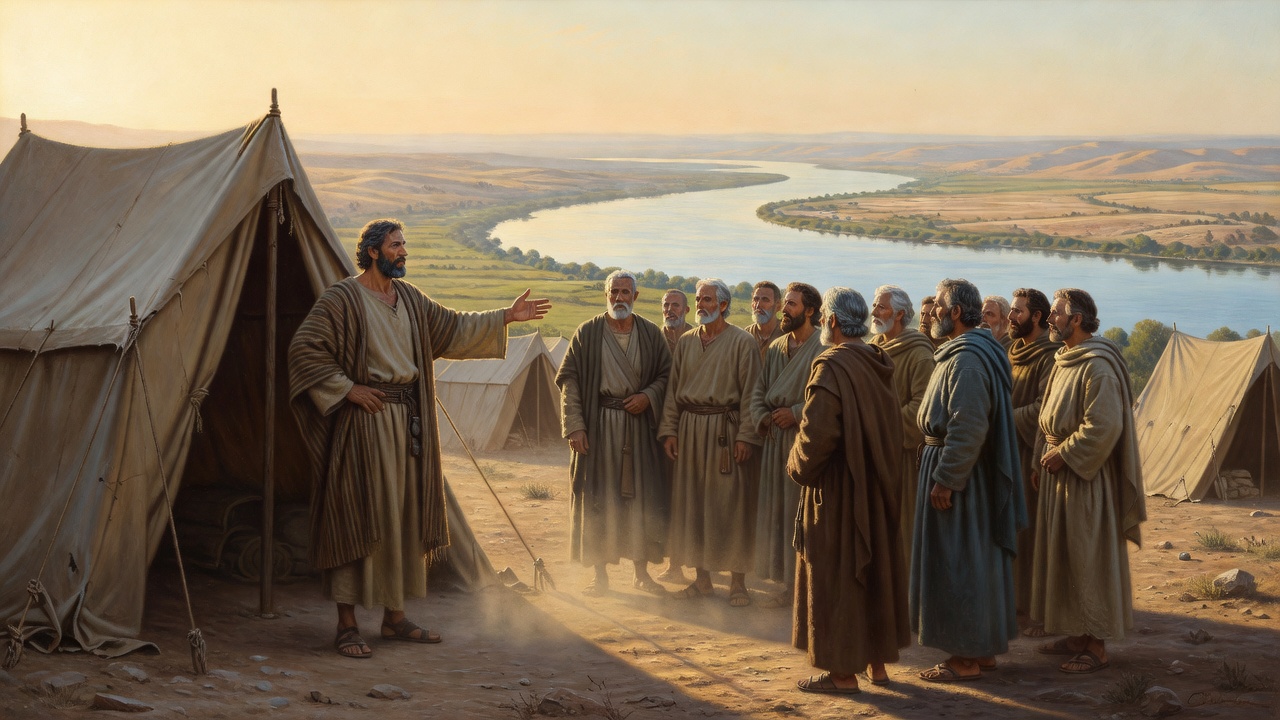
1Na rĩrĩ, thuutha wa gĩkuũ kĩa Musa ndungata ya Ngai, Jehova akĩĩra Joshua mũrũ wa Nuni, ũrĩa watungatagĩra Musa, atĩrĩ: 2“Musa ndungata yakwa nĩakuĩte. Na rĩrĩ, wee na andũ aya othe, mwĩhaarĩriei kũringa Rũũĩ rwa Jorodani mũtoonye bũrũri ũrĩa ngũmũhe, o ũcio ngũhe andũ a Isiraeli. 3Na rĩrĩ, handũ o hothe harĩa mũgaakinya na makinya manyu nĩngamũhe, o ta ũrĩa ndeerire Musa. 4Bũrũri wanyu ũgaatambũrũka kuuma werũ-inĩ o nginya Lebanoni, na kuuma rũũĩ rũrĩa rũnene rwa Farati, nĩguo bũrũri wothe wa Ahiti, o nginya Iria-inĩ rĩrĩa Inene rĩa mwena wa ithũĩro. 5Gũtikagĩa mũndũ ũkaahota gũgwĩtiiria matukũ mothe ma muoyo waku. O ta ũrĩa ndaarĩ na Musa, ũguo noguo ngũkorwo hamwe nawe; ndigagũtiganĩria kana ngũtirike.
6“Gĩa na hinya na ũũmĩrĩrie, nĩgũkorwo nĩwe ũgũtongoria andũ aya mathiĩ makagae bũrũri ũrĩa ndehĩtire na mwĩhĩtwa kũrĩ maithe mao atĩ nĩngamahe. 7Gĩa na hinya na ũũmĩrĩrie mũno. Menyagĩrĩra gwathĩkagĩra watho wothe ũrĩa ndungata yakwa Musa aagwathire wĩkage; ndũkanagarũrũke na mwena wa ũrĩo kana wa ũmotho ũũtige, nĩgeetha ũgĩĩage na ũhootani kũrĩa guothe ũrĩthiiaga. 8Ciugo cia Ibuku rĩĩrĩ rĩa Watho itikanatige kwario nĩ kanua gaku; no wĩcũũranagie ũhoro warĩo mũthenya na ũtukũ, nĩgeetha ũmenyagĩrĩre gwĩka maũndũ marĩa mothe maandĩkĩtwo thĩinĩ warĩo. Hĩndĩ ĩyo nĩ ũkaagaacĩra, na ũgĩe na ũhootani. 9Githĩ ti-niĩ ngwathĩte? Wee gĩa o na hinya na ũũmĩrĩrie. Ndũkanetigĩre o na kana; ũũrwo nĩ hinya, nĩgũkorwo Jehova Ngai waku arĩ hamwe nawe kũrĩa guothe ũrĩthiiaga.”
10Nĩ ũndũ ũcio Joshua agĩatha anene arĩa maaroraga andũ atĩrĩ: 11“Tuĩkanĩriai kambĩ-inĩ mũkĩĩraga andũ atĩrĩ, ‘Haarĩriai rĩĩgu mũige, nĩ ũndũ mĩthenya ĩtatũ kuuma ũmũthĩ yathira nĩguo mũkaaringa Rũũĩ rwa Jorodani nĩgeetha mũthiĩ mũtoonye na mwĩgwatĩre bũrũri ũrĩa Jehova Ngai wanyu ekũmũhe ũtuĩke wanyu.’ ”
12Ningĩ Joshua akĩarĩria andũ a mũhĩrĩga wa Rubeni, na wa Gadi, na nuthu ya mũhĩrĩga wa Manase, akĩmeera atĩrĩ, 13“Ririkanai watho ũrĩa mwaheirwo nĩ Musa ndungata ya Jehova, akiuga atĩrĩ, ‘Jehova Ngai wanyu nĩamũheete ũhurũko na nĩamũheete bũrũri ũyũ.’ 14Atumia anyu, na ciana cianyu, na ũhiũ wanyu no maikare bũrũri ũrĩa mwaheirwo nĩ Musa mwena wa irathĩro rĩa Rũũĩ rwa Jorodani, no arũme othe anyu othe arĩa njamba cia ita meeohete indo cia mbaara, no nginya maringe mũrĩmo ũũrĩa ũngĩ matongoretie ariũ a ithe wanyu. No nginya mũgateithie ariũ a ithe wanyu. 15nginya rĩrĩa Jehova akaamahe ũhurũko o ta ũrĩa amũheete inyuĩ, na nginya rĩrĩa o nao makegwatĩra bũrũri ũrĩa Jehova Ngai wanyu ekũmahe. Thuutha ũcio, no mũcooke mũgaikare bũrũri wanyu inyuĩ ene, ũrĩa mwaheirwo nĩ Musa ndungata ya Jehova mwena wa irathĩro wa Jorodani, ũcio ũrorete mwena ũrĩa riũa rĩrathagĩra.”
16Hĩndĩ ĩyo magĩcookeria Joshua, makĩmwĩra atĩrĩ, “Nĩtũgwĩka ũrĩa wothe ũgũtwatha na nĩ tũgũthiĩ kũrĩa guothe ũgũtũtũma. 17O ta ũrĩa twaathĩkĩire Musa maũndũ-inĩ mothe-rĩ, ũguo noguo tũrĩgwathĩkagĩra. No rĩrĩ, Jehova Ngai waku arokorwo hamwe nawe o ta ũrĩa aarĩ hamwe na Musa. 18Mũndũ wothe ũkaaremera uuge waku na arege gwathĩkĩra maũndũ mothe marĩa ũkaamatha, no nginya mũndũ ũcio akooragwo. No rĩrĩ, gĩa na hinya na ũũmĩrĩrie!”
¿Sabías que…?
Josué asume el liderazgo
- Josué, hijo de Nun y de la tribu de Efraín, sirvió como asistente y comandante militar de Moisés antes de ser designado para sucederlo como líder de Israel. Su nombre significa "el Señor es su ayuda" o "el Señor el Salvador".Fuentes: Joshua · el propio texto bíblico
- El territorio descrito en el encargo a Josué abarcaba desde el desierto y la cordillera del Líbano, al norte, hasta el río Éufrates ("el gran río"), al este, y el mar Mediterráneo ("el gran mar"), al oeste.Fuentes: el propio texto bíblico · Lebanon · Euphrates · Great Sea
- Las tribos de Rubén, Gad y la media tribu de Manasés ya habían recibido tierras al este del río Jordán bajo el mando de Moisés. Aun así, sus hombres de guerra debían cruzar armados delante de las demás tribus para ayudarlas hasta asegurar toda la tierra.Fuentes: el propio texto bíblico · Manasseh (son of Joseph)
Notas escritas con ayuda de IA a partir de fuentes abiertas (Theographic Bible Metadata, CC BY-SA 4.0; Easton’s Bible Dictionary, dominio público) y revisadas antes de publicarse.
Lugares de este capítulo
- Jordan · Hoy: Jordan River · 31.761, 35.558 · versículos 2, 11, 14, 15
- Euphrates · Hoy: Euphrates River · 31.004, 47.442 · versículo 4
- Great Sea · Hoy: Mediterranean Sea · 31.805, 34.170 · versículo 4
- Lebanon · 33.540, 35.584 · versículo 4
- Negeb · 31.245, 34.841 · versículo 4
- Syria · Hoy: Aram · 33.511, 36.306 · versículo 4
Solo aparecen lugares identificados con alta confianza (90 % o más según las fuentes académicas reunidas por OpenBible). Mapa de la época: DARE (Digital Atlas of the Roman Empire), CC BY 4.0; mapa actual: © colaboradores de OpenStreetMap; lugares: OpenBible.info (CC BY 4.0).
Créditos y licencia de esta traducción
Biblica® Kiugo Gĩtheru Kĩa Ngai Kĩhingũre Gikuyu: Biblica® Kiugo Gĩtheru Kĩa Ngai Kĩhingũre (Bible) of Kenya copyright © 2013 Biblica, Inc. Language: Kikuyu (Gikuyu) Contributor: Biblica, Inc. Wĩra ũyũ ũheanĩtwo na ũndũ wa rũtha rwa biacara rwa Creative Commons Attribution-ShareAlike 4.0 International License (CC BY-SA). Ũngĩenda kuona kobĩ ya rũtha rũrũ rwa biacara, rora rũrenda-inĩ rwa: http://creativecommons.org/licenses/by-sa/4.0, kana ũtũme marũa kũrĩ: Creative Commons, PO Box 1866, Mountain View, CA 94042, USA. Biblica® nĩ mũhũri wa biacara wandĩkithĩtio nĩ Biblica, Inc., kũhũthĩra mũhũri wa biacara wa Biblica® kũbataraga marũa ma gwĩtĩkĩrio kuuma kũrĩ Biblica, Inc. Kuumana na rũtha rwa biacara rwa CC BY-SA, no ũkobie kana ũtambie wĩra ũyũ ũtarĩ mũgarũre, ĩndĩ ndũkagarũre rũri rwa biacara rwa Biblica®. Ũngĩgarũra kana ũkobie wĩra ũyũ, na tondũ wa ũguo ũtuĩke nĩ wĩra mwerũ uumanĩte na ũcio-rĩ, no nginya weheria mũhũri wa biacara wa Biblica®. Wĩra-inĩ ũcio mwerũ no nginya wonanie nĩ maũndũ marĩkũ ũgarũrĩte, na ũtarĩrie wĩra-inĩ ũcio ta ũũ: “Wĩra wa kĩhumo warĩ wa Biblica, Inc. na ũheanĩtwo tũhũ ng’enda-inĩ cia www.biblica.com na open.bible.” Kĩmenyitha kia Mwene-wĩra no nginya kĩandĩkwo iratathi rĩa kĩongo kĩa wĩra kana rĩa ũhoro wa Mwene-wĩra ta ũũ: Biblica® Kiugo Gĩtheru Kĩa Ngai Kĩhingũre™ Kĩmenyithia kĩa Mwene-wĩra © 2013 nĩ Biblica, Inc. Biblica® Open Kikuyu Holy Word of God™ Copyright © 2013 by Biblica, Inc. “Biblica” nĩ mũhũri wa biacara wandĩkithĩtio wabici-inĩ ya United States Patent and Trademark Office nĩ Biblica, Inc. Ũhũthĩrĩtwo na rũtha. “Biblica” is a trademark registered in the United States Patent and Trademark Office by Biblica, Inc. Used with permission. No nginya wĩtĩkĩrie wĩra ũcio mwerũ ũgarũrĩte ũheanwo na ũndũ wa rũtha rwa biacara rũu rwa CC BY-SA. Ũngĩenda kũmenyithia Biblica, Inc. ũhoro wĩgiĩ ũtaũri waku wa wĩra ũyũ-rĩ, twandĩkĩre rũrenda-inĩ rwa: https://open.bible/contact-us. This work is made available under the Creative Commons Attribution-ShareAlike 4.0 International License (CC BY-SA). To view a copy of this license, visit http://creativecommons.org/licenses/by-sa/4.0 or send a letter to Creative Commons, PO Box 1866, Mountain View, CA 94042, USA. Biblica® is a trademark registered by Biblica, Inc., and use of the Biblica® trademark requires the written permission of Biblica, Inc. Under the terms of the CC BY-SA license, you may copy and redistribute this unmodified work as long as you keep the Biblica® trademark intact. If you modify a copy or translate this work, thereby creating a derivative work, you must remove the Biblica® trademark. On the derivative work, you must indicate what changes you have made and attribute the work as follows: “The original work by Biblica, Inc. is available for free at www.biblica.com and open.bible.” Notice of copyright must appear on the title or copyright page of the work as follows: Biblica® Kiugo Gĩtheru Kĩa Ngai Kĩhingũre™ Kĩmenyithia kĩa Mwene-wĩra © 2013 nĩ Biblica, Inc. Biblica® Open Kikuyu Holy Word of God™ Copyright © 2013 by Biblica, Inc. “Biblica” nĩ mũhũri wa biacara wandĩkithĩtio wabici-inĩ ya United States Patent and Trademark Office nĩ Biblica, Inc. Ũhũthĩrĩtwo na rũtha. “Biblica” is a trademark registered in the United States Patent and Trademark Office by Biblica, Inc. Used with permission. You must also make your derivative work available under the same license (CC BY-SA). If you would like to notify Biblica, Inc. regarding your translation of this work, please contact us at https://open.bible/contact-us. This translation is made available to you under the terms of the Creative Commons Attribution Share-Alike license 4.0. You have permission to share and redistribute this Bible translation in any format and to make reasonable revisions and adaptations of this translation, provided that: You include the above copyright and source information. If you make any changes to the text, you must indicate that you did so in a way that makes it clear that the original licensor is not necessarily endorsing your changes. If you redistribute this text, you must distribute your contributions under the same license as the original. Pictures included with Scriptures and other documents on this site are licensed just for use with those Scriptures and documents. For other uses, please contact the respective copyright owners. Note that in addition to the rules above, revising and adapting God's Word involves a great responsibility to be true to God's Word. See Revelation 22:18-19. 2025-05-07
Fuente: http://ebible.org/kik/ · eBible.org