Juan 17
Bëngbe Bëtsa Cabëngaftaca Entsoyebuambna · Toca un versículo para ver sus referencias cruzadas.
Jesús chabe uatsjéndayëngbiama Bëngbe Bëtsábioye tbojanimpadá
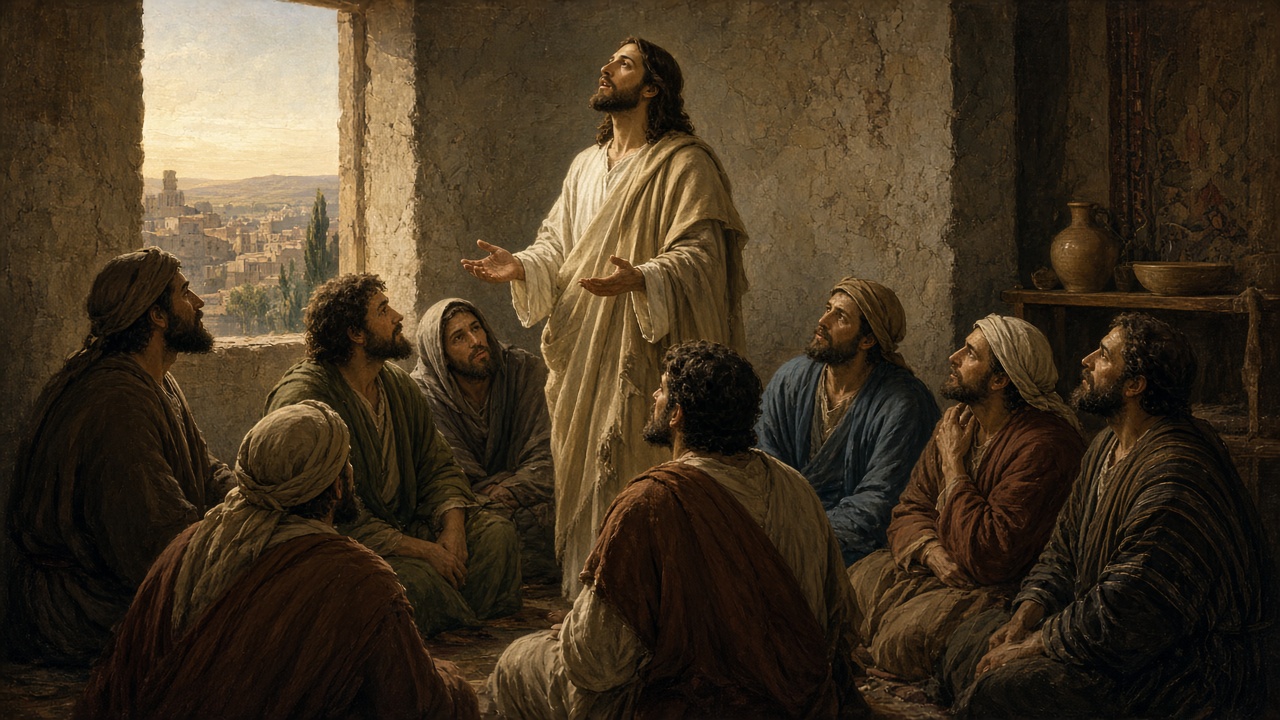
1Jesús chë soyënga tojánayanents̈ana, celoye tojanontjes̈é y Bëngbe Bëtsábioye tbojaniyana: “Taita, ats̈be te ya tocjobuache. Minÿanÿé, ats̈e acbe Uaquiñá, corente bëtsá y obená bétsemnama. As, ats̈e acbe Uaquiñá, aca corente bëtsá y obená comnama chainÿanÿema. 2Mora aca nÿets obenana s̈conjats̈etá nÿetsca ents̈ángbeñe, nÿetscanga chë ats̈biama tcojábacacanga chë nÿetsca tescama yomna ts̈abe vida chamotsebomnama ats̈e chaimama. 3Chë nÿetsca tescama yomna ts̈abe vida jtsebomnana endmëna aca, chë nÿe canÿe y ndegombre Bëngbe Bëtsá jtsabuatmana, y ats̈e Jesucristo, acbe ichmoná.
4“Lempe nts̈amo s̈conjamandacá ats̈e sënjapochocá, y chca quem luariñe sënjama aca corente bëtsá y obená comnama jinÿanÿiyama. 5Taita, quem luare cabá ndoñe quenjatsmëna ora, aca tconjaninÿanÿé ats̈e corente bëtsá y obená ácaftaca bétsemnama. Mora moma ats̈e cachcá ácaftaca chaitsemnama.
6“Aca quem luarents̈a ents̈anguents̈ana quem boyabásenga tconjabacacá y ats̈biama s̈conjinÿinÿé. Ats̈e chënga sënjanÿanÿé nts̈amo ndegombre aca comnama. Chënga acbe ents̈anga mondmëna; y acna, chë ats̈biama chënga s̈conjinÿinÿiyá. Chënga acbe palabra tmonjouena y ts̈abá tcmonjoyeuná. 7Chíyeca chënga mondë́tats̈ëmbo, lempe nts̈amo ats̈e tsbomncá ácbents̈ana tijóyëngacñama. 8Ats̈e chënga sënjáuyana nts̈amo aca s̈cojauyancá, y chënga montsos̈buaché chë ats̈e sënjauyaniñe. Chíyeca, chënga ndegombre mondë́tats̈ëmbo ats̈e acbiocana tijabama, y montsos̈buaché aca chë ats̈e s̈cojichmó cha comnama.
9“Ats̈e chëngbiama cbontseimpadana. Chë nÿe quem luarama enójuabnaye ents̈angbiama ndoñe quecbátsimpadana, pero aíñe chë ats̈biama s̈cojinÿinÿiyëngbiama, er chënga acbe ents̈anga mondmëna. 10Lempe nts̈amo ats̈e tsbomncá, acbiámnaca endmëna; y cachcá, lempe nts̈amo cobomncá, ats̈biámnaca endmëna. Acbengbe vidë́ngaca aca tcojinÿanÿé ats̈e corente bëtsá y obená bétsemnama.
11“Ats̈e ndoñe quem luarents̈e ques̈ocháisetotona, pero chënga aíñe cabá camuents̈e mochanjë́ftsemna. Ats̈e chantá ácaftaca jtsatsmënama. Uámana Taitá, chë ats̈biama s̈conjínÿinÿiyënga acbe obenánaca cochtsanÿena. Chca nts̈amo bëndata mo canÿacá bondmëna, chë́ngnaca cachcá chamotsemnama. 12Ats̈e chë́ngaftaca së́ntsemnëntscuana, chënga sëntsanÿena, aca s̈conjats̈etá obenánaca. Ats̈e chënga sëndánÿena, y ni canÿa queochátsmëna infiernoca pochocaná, nÿe chë infiernoca pochocaná jtsemnama ibomná chana aíñe, nts̈amo acbe uabemana palabrënguiñe endayancá, cachcá chaotsemnama.
13“Morna chë aca condmënoye chantá; pero ats̈e cabá quem luariñe së́ntsemnëntscuana chca chënga sëntsëtsëtsná, chca, chë ats̈e së́ntsebomna puerte bëtscá oyejuayana chë́ngnaca chamotsebomnama. 14Ats̈e chënga sënjáuyana nts̈amo aca s̈conjauyancá. Nts̈amo ats̈e ndoñe quetsátsmëna chë nÿe quem luarama enójuabnaye ents̈anguents̈á, cachcá, chënga cach ndoñe quemátsmëna. Chíyeca, chë nÿe quem luarama enójuabnaye ents̈anga chënga montsëbuayënja. 15Ats̈e ndoñe quecbátsimpadana, chënga quem luarents̈ana chacúbuacanama; pero aíñe, nÿetsca bacna soyënguents̈ana chacuatsebacama. 16Nts̈amo ats̈e ndoñe quetsátsmëna chë nÿe quem luarama enójuabnaye ents̈anguents̈á, cachcá, chënga cach ndoñe quemátsmëna. 17Cochjama chënga acbe ents̈anga chamuétsemnama, y chca, nÿe acbiama vida chamotsebomna. Chca cochjama, nts̈amo ndegombre yomncá chënga imoyenama. Nts̈amo aca condbetsichamcá, ndegombre endmëna. 18Nts̈amo aca quem luaroye s̈conjanichmocá, cachcá áts̈naca chënga sëntsachamná, quem luare ents̈anga jábuayenama. 19Chëngbiama ats̈e cachiñe mënts̈á cbëyana: Ats̈e nÿe acbiama sëndmëna. Y chca, chë́ngnaca, nts̈amo acbiama ndegombre yomncá jtsóyebuambnayëse acbe ents̈anga chamotsemna, y chca, nÿe acbiama vida chamuétsebomna, nts̈amo ndegombre yomncá chënga imoyenama.
20“Pero nÿe chëngbiama ndoñe quecbátsimpadana, sinó chë áts̈beñe mochtsos̈buáchiyëngbiamnaca, chë ats̈biama s̈conjínÿinÿiyënga, chë́ngbioye ats̈biama ínÿenga chamojtsabuayiyná ora; 21as chënga nÿetscanga cánÿiñe mo canÿacá chamotsemnama. Nts̈amo aca, Taita, áts̈eftaca cánÿiñe mo canÿacá bondmëna y áts̈naca ácaftaca, cachcá chë́ngnaca cánÿiñe mo canÿacá bëndátaftaca chamotsemnama cbontseimpadana. Y chca, quem luarents̈a nÿetsca ents̈anga, ats̈e s̈cojichmoma chamotsos̈buáchema. 22Nts̈amo chë obenana y uámanana s̈conjats̈etacá, cachcá áts̈naca chënga sënjats̈atá. As, nts̈amo bëndata cánÿiñe mo canÿacá bondmëna, chë́ngnaca cachcá cánÿiñe mo canÿacá chamotsemnama. 23Ats̈e chëngbe ainaniñe së́ntsemna, y aca áts̈eftaca cánÿiñe mo canÿacá bondmëna; as, chë́ngnaca nÿetsca soyënguiñe cánÿiñe mo canÿacá chamotsemnama. Y chca, quem luarents̈a ents̈anga chamotsetáts̈ëmbo aca s̈cojichmoma, y chamotsetáts̈ëmbo nts̈amo ats̈e s̈condbobonshancá, chë́ngnaca cachcá condábabuanÿeshanama.
24“Taita, ats̈biama chënga s̈conjínÿinÿiye. Ats̈e mënts̈á së́ntsebos̈e: chë ats̈e chántsemnoca, chë́ngnaca chamotsemna, y chents̈e, chë s̈conjats̈etá obenana y uámanana chënga chámuinÿe. Quem luare cabá ndoñe quenjatsmëna orscana, s̈conjánbobonshana; chíyeca, cachora tconjaninÿanÿé ats̈e corente bëtsá y obená bétsemnama. 25Taita, nÿetsca soyënguiñe ts̈abá amá, masque chë nÿe quem luarama enójuabnaye ents̈anga ndoñe quecmatábuatma, ats̈e aíñe cbonduábuatma, y quem boyabásenga montsetáts̈ëmbo, aca comna chë s̈cojichmó cha. 26Ats̈e chënga sënjinÿanÿé nts̈amo ndegombre aca comnama, y más chanjínÿanÿiye; chca, nts̈amo s̈condbobonshancá, chë́ngnaca cachcá chamotsenbobonshánama y ats̈e chëngbe ainaniñe chaitsemnama ca” —Jesús tojánayana.
¿Sabías que…?
Juan 17: ha llegado la hora
- La oración comienza cuando Jesús, después de haber dicho estas cosas, alza los ojos al cielo y dice que ha llegado la hora. Se asocia con el Discurso del Aposento Alto, indicado como un día, y con la Semana Santa, indicada como ocho días.Fuentes: el propio texto bíblico · Upper Room Discourse · Holy Week
- Aquí la vida eterna es conocer al único Dios verdadero y a Jesucristo, a quien el Padre envió. Jesús también habla de la gloria que tenía con el Padre antes de que existiera el mundo y del amor del Padre por él antes de la fundación del mundo.Fuentes: el propio texto bíblico
- Ora por quienes el Padre le dio del mundo, los que han guardado la palabra, y también por quienes creerán por medio del mensaje de ellos, pidiendo que sean uno. No pide que sean sacados del mundo, sino que sean guardados del maligno y santificados por la verdad, que identifica como la palabra del Padre.Fuentes: el propio texto bíblico
Notas escritas con ayuda de IA a partir de fuentes abiertas (Theographic Bible Metadata, CC BY-SA 4.0; Easton’s Bible Dictionary, dominio público) y revisadas antes de publicarse.
Créditos y licencia de esta traducción
Bëngbe Bëtsa Cabëngaftaca Entsoyebuambna
New Testament in Camsá
copyright © 2009 Wycliffe Bible Translators, Inc.
Language: Camsá
Translation by: Wycliffe Bible Translators, Inc.
Copyright Information
© 2009, Wycliffe Bible Translators, Inc. All rights reserved.
This translation text is made available to you under the
terms of the Creative Commons License: Attribution-Noncommercial-No Derivative Works.
( http://creativecommons.org/licenses/by-nc-nd/3.0/ )
In addition, you have permission to port the text to different file formats, as long as you
do not change any of the text or punctuation of the Bible.
You may share, copy, distribute, transmit, and extract portions
or quotations from this work, provided that you include the above copyright
information:
You must give Attribution to the work.
You do not sell this work for a profit.
You do not make any derivative works that change any of the actual words or punctuation of the Scriptures.
Permissions beyond the scope of this license may be
available if you contact
us with your request.
The New Testament
in Camsá
© 2009, Wycliffe Bible Translators, Inc. All rights reserved.
This translation is made available to you under the terms of the
Creative Commons Attribution-Noncommercial-No Derivatives license 4.0.
You may share and redistribute this Bible translation or extracts from it in any format, provided that:
You include the above copyright and source information.
You do not sell this work for a profit.
You do not change any of the words or punctuation of the Scriptures.
Pictures included with Scriptures and other documents on this site are licensed just for use with those Scriptures and documents.
For other uses, please contact the respective copyright owners.
2016-05-05
Fuente: http://ebible.org/kbh/ · eBible.org