Hechos 4
Bëngbe Bëtsa Cabëngaftaca Entsoyebuambna · Toca un versículo para ver sus referencias cruzadas.
Pedro y Juan Jerusalenents̈a mandadëngbe delante
1Pedro y Juan cabá ents̈anga imojtsë́tsëtsnaye; chorna chë chata ibojtsemnoye tmojánashjajna judiëngbe bachnanga, Bëngbe Bëtsabe bëts yebnents̈a soldadëngbe amëndayá y saduceo ca uabaina judiëngbe amë́ndayënga. 2Chatna ents̈ángbioye imojtsabuátambaye Jesús tojtanayenama y chë soye yojánayana obanënga ndegombre mochtayena ca. Chë causa, chë tmojánashjajna amë́ndayënga tojánetëna. 3As, Pedro y Juan tmojánishëche y ya jetiñe yojtsemna causa, cárceloye tojanëtame yëfsanëntscuana. 4Masque chca, banga ents̈anguents̈ana, nts̈amo Pedro y Juan tbojanayancá tmojanuenënga, aíñe Jesucrístbeñe imojtsos̈buáchiye. Chë tentscuana shachna uaranga Jesucrístbeñe os̈buáchiyënga imojtsemna, nÿe boyabásenga jacuéntase.
5Yëfsana, chë judiëngbe amë́ndayënga, judië́ngbeñe bëtsëjemëngcá amë́ndayënga y ley abuátambayënga Jerusalenents̈e tmojánenefjna. 6Chénts̈naca imojtsemna, chë bachnangbe más uámana amëndayá Anás ca uabainá, Caifás, Juan, Alejandro y chë bachnangbe más uámana amë́ndayëngbe nÿetsca pamíllangnaca. 7Chora chënga tmojanmandá Pedro y Juan junatsama, y chëngbe tsëntsaca tojanatsá y mënts̈á tmojanatjá: —¿Ndabe obenánaca chë soyënga s̈ojtsama, o, nda derecho tcmënjats̈atá chë soyënga chas̈otsamama ca?
8As Pedro, chë Uámana Espíritu chabe ainaniñe corente jtsemándayëse, mënts̈á tojanë́jua: —Israeloca mándayënga y bëtsëjémënga, 9mënté s̈conjatjá chë jama ndobenáftaca ts̈abe soye tifjamama y nts̈amo cha mora jama yojtsatobenama. 10Chcasna, nts̈amo tojopasama cbochanjabuayená, chca, ts̈ëngaftanga y nÿetsca Israeloca ents̈anga chë soyënga chas̈motsetats̈ëmbuama. Quem boyabása, chë ts̈ëngaftangbe tsëntsaca entsemná, Jesucristo chë Nazaretocabe bëts obenánaca chca ts̈abá entsatsmëna. Y Jesús endmëna nda ts̈ëngaftanga s̈monjancrucificá y ndabiama Bëngbe Bëtsá tojanma cháuatayenama. 11Jesusbiama Bëngbe Bëtsabe uabemana palabrënguiñe mënts̈á endayana: “Chë yebna jebuanënga tmontsanaboté ndëts̈bé, mora chë más bëts uashacuanës̈ents̈e entsejájona ca”. Ts̈ëngaftanga s̈mondmëna mo chë yebna jebuanëngcá, er Jesúsbioye s̈montsanaboté y mora cha chë más uamaná entsemna. 12Nÿe cha yobena ts̈ëngaftanga játsebacama. Bëngbe Bëtsá ndocna inÿe ents̈ábioye tbonjats̈etá chabe obenana chca jamama; chíyeca quem luarents̈e ndocná más quenátobena bënga játsebacama. Nÿe Jesucristbe obenánaca aíñe ca —Pedro tojánayana.
13Chënga imojenjnaná Pedro y Juan ts̈a añémoca ibojtsóyebuambnama tmojáninÿe ora, y chata tempo nduatsjínÿenata y librë́s̈a nduabuatmata bétsemnama tmojántats̈ëmbona ora. Chca chë mándayënga tmojántats̈ëmbona chata Jesúseftaca bayté ibojamnama. 14Y ents̈anga imojtsonÿaye chë tmojanshná cha chents̈e chátaftaca yojtsemnama; chë causa, chënga ndocá más tmonjanobená chatbe contra jatichámuana. 15As chora tmojanamëndá chents̈ana chábuaisebocnama y chents̈e tmojanoquedangna chë soyama imojtsenatsëtsnaye. 16Chënga imojtsentjanaye: “¿Ndayá chátaftaca mochjama ca? Jerusalenents̈e oyenënga montsetáts̈ëmbo chata chë bëts soye Bëngbe Bëtsabe obenánaca tbojamama; chë causa, bënga ndoñe quemuátobena jayanana chata chca ndoñe tbonjama ca. 17Pero ents̈anga chama ndoñe más chamondëtsencuéntamna, chata mochjáuyana: ‘Ndoñe más ents̈ángbeñe Jesús s̈mattsebáyana; y ndoñe chas̈monjouenëse, jabuache castigo s̈ochántsebomna ca.’ ”
18As chë mándayënga cachiñe chata tmojánachembo y tmojanamëndá ndoñe más Jesús jtsebáyanana, ni chabiama ents̈ángbeñe jtsabuátambayana. 19Pero Pedro y Juan tbojánayana: “¿Nts̈amo ts̈ëngaftanga s̈matjayana nts̈amo fchanjayanama ca? Ndegombre, Bëngbe Bëtsabe bominÿiñe ndoñe ts̈abá quenátsmëna ts̈ëngaftangbioye aíñe joyaunayana y chábioye ndoñe. 20Er bënga queftsátobena jtsajbanana oyebuambnayana chë tifjinÿe y tifjouena soyëngama ca.”
21Chë mandayëngna chátbioye tojtsanautatjá, pero chents̈ana tmojtanabáshejuana. Nÿetsca ents̈anga Bëngbe Bëtsá imojtsatschuanaye nts̈amo tojanopasama; chíyeca, chë mándayënga ndoñe tmonjanobená tondaye ntjinÿenana nts̈amo chata jácastigama. 22Chë boyabása, ndáftaca chata chë bëts soye Bëngbe Bëtsabe obenánaca tbojanma, inabomna canta bnë́tsana uatama más.
Jesucrístbeñe os̈buáchiyënga Bëngbe Bëtsá tmojanimpadá más añemo chauats̈atama
23Pedro y Juan ya tmojtanabáshejuana ora, tbojánata chë inÿe os̈buáchiyëngaftaca jateninÿenama y lempe nts̈amo chë bachnangbe amë́ndayënga y bëtsëjemëngcá mándayënga chátbioye tmojanëyancá, chë́ngbioye tmojanacuntá. 24Chënga chca tmojanuenents̈ana, nÿetscanga cánÿiñe tmojanonts̈é Bëngbe Bëtsáftaca mënts̈á jencuéntama: “Bëngbe Utabná, aca chë nda tojama celoca, fshantse, nÿetsca béjayënga y lempe nts̈amo chenache yomncá, 25chë Uámana Espíritbiajana tcojánayana y acbe oservená David, nts̈amo tcojanayancá tojanábema, mënts̈á:
¿Ndáyeca ents̈anga yapa imojtsets̈átjaye ca?
¿Ndáyeca imojtsejuabná nÿe bonamentiama soyënga jamana?
26Quem luarents̈a reyënga y amë́ndayënga imoprontánënga,
nÿetscanga tmojenoyeuná Bëngbe Bëtsá y chabe Uámana Uabuayaná chë Cristbe contra jtsemnama ca —cha tojanábema.
27“Ndegombre chca tonjopasá. Rey Herodes y Poncio Pilato, quem bëts pueblents̈e, ndoñe judië́ngaftaca y israelitë́ngaftaca tmonjánenefjna, jenóyeunayama nts̈amo jamana, Jesús chë acbe uámana oservená y chë Uámana Uabuayaná tcojabemábioye jóbama. 28Tempo, Bëngbe Bëtsá, acbe obenánaca y nts̈amo icnabos̈cá tcojanmandá nts̈amo mora chaotsemnama, y chënga chca Jesúseftaca tmonjama. 29Morna Bëngbe Bëtsá, mouena nts̈amo chënga montsichamo, bënga jasúfriama cas̈ojtsamna ca; chcasna, cochjama bënga fchayobená Jesusbe ts̈abe noticiënga bëts añémoca ents̈ángbeñe jtsóyebuambnayama, 30y cochjama acbe obenánaca s̈oquënga ts̈abá chamotsatsmënama y cochjama bënga fchayobená bëts soyënga jamama, Jesús chë uámana oservenabe obenánaca y cha jóts̈ëmbonëse ca” —chënga tmojánayana.
31Bëngbe Bëtsáftaca jencuéntama tmojanpochocá orna, chë tmojánenefjnents̈e tojanangmë́mana; y nÿetscangbe ainaniñe chë Uámana Espíritu tojanonts̈é más jtsemándayana, y chënga tmojanonts̈é más añémoca Bëngbe Bëtsabe soyëngama ents̈anga jábuayenama.
Nÿetsca bomna soyënga nÿetscangbiama yojtsemna
32Jesucrístbeñe os̈buáchiyënga, nÿetscanga canÿe juabna imojtsebomna y ainaniñe cach canÿe ebionana. Ndocná ntjatichamuana chabe soyënga nÿe chabiama yojtsemna ca, pero aíñe imojtsichamo, “ats̈e së́ndbomna soyënga nÿetscangbiama entsemna ca”. 33Chë Jesusbe ichmónëngna puerte obenánaca mënts̈á imojtsichamo: “Fsënjinÿe y fsë́ntsetats̈ëmbo Bëngbe Utabná Jesús obanënguents̈ana tojtayenama ca.” Y Bëngbe Bëtsá yojtsama chë ichmónënga bëtscá ts̈abe bendicionënga chamotsebomnama. 34Jesucrístbeñe os̈buachiyë́ngbeñe ndocná yonjamna ndayánaca uajabotá, er nÿetscanga fshantse o yebna bomnënga imojanamana jtsatobuíyana, y chë crocénana 35chë ichmónëngbioye jayents̈buáchiyana, nts̈amo tojtsëjabotcá nÿetscanga jujátayama. 36Chca tojanma canÿa Bëngbe Bëtsabe bëts yebnoca trabajayá, José ca uabainá; cha chë ichmónënga imojanábobuatma Bernabé ca (y chca iuayana “Añemuayá ca”). Bernabé yojamna Chipre luarocá. 37Chana, fshantse yojtsatobuiye, y chë crocénana Jesusbe ichmónëngbioye yojáyents̈buachiye, chë uajabótëngbiama chaoservema.
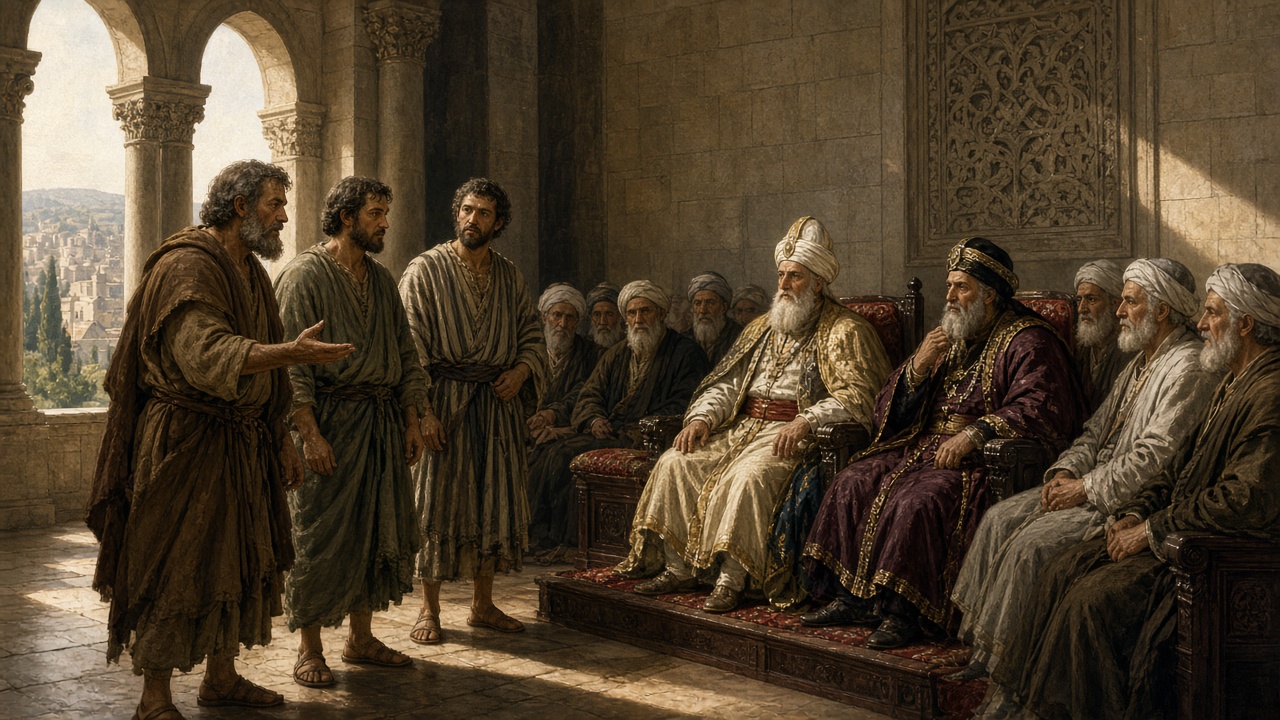
¿Sabías que…?
Pedro y Juan ante el Sanedrín
- Los sacerdotes, el capitán de la guardia del templo y los saduceos prendieron a Pedro y a Juan porque enseñaban al pueblo y proclamaban en Jesús la resurrección de los muertos. Caifás, que participó en la asamblea al día siguiente, pertenecía a los saduceos.Fuentes: el propio texto bíblico · Caiaphas
- Anás, llamado aquí sumo sacerdote, ocupó ese cargo del año 7 al 14 d.C., hasta que un procurador romano lo depuso. Caifás, que se había casado con la hija de Anás, fue elevado al cargo en el año 25 d.C.; aun así, algunos judíos podían seguir considerando a Anás el sumo sacerdote legal, pues la ley mosaica trataba el oficio como vitalicio, y Anás probablemente era presidente o auxiliar del Sanedrín. Juan y Alejandro, parientes del sumo sacerdote y por lo demás desconocidos, estaban sentados con ellos.Fuentes: el propio texto bíblico · Annas · John (Relative of the High Priest) · Alexander (Son of Simon)
- Pedro, pescador de Betsaida, y Juan, también pescador e hijo de Zebedeo, fueron llevados ante los gobernantes, los ancianos y los escribas. El concilio se maravilló de su valentía al darse cuenta de que eran hombres sin estudios y comunes, y notó que habían estado con Jesús.Fuentes: el propio texto bíblico · Simon Peter · John the Apostle
Notas escritas con ayuda de IA a partir de fuentes abiertas (Theographic Bible Metadata, CC BY-SA 4.0; Easton’s Bible Dictionary, dominio público) y revisadas antes de publicarse.
Lugares de este capítulo
- Jerusalem · 31.777, 35.234 · versículos 5, 16
- Nazareth · 32.702, 35.298 · versículo 10
- Cyprus · 35.000, 33.000 · versículo 36
Solo aparecen lugares identificados con alta confianza (90 % o más según las fuentes académicas reunidas por OpenBible). Mapa de la época: DARE (Digital Atlas of the Roman Empire), CC BY 4.0; mapa actual: © colaboradores de OpenStreetMap; lugares: OpenBible.info (CC BY 4.0).
Créditos y licencia de esta traducción
Bëngbe Bëtsa Cabëngaftaca Entsoyebuambna
New Testament in Camsá
copyright © 2009 Wycliffe Bible Translators, Inc.
Language: Camsá
Translation by: Wycliffe Bible Translators, Inc.
Copyright Information
© 2009, Wycliffe Bible Translators, Inc. All rights reserved.
This translation text is made available to you under the
terms of the Creative Commons License: Attribution-Noncommercial-No Derivative Works.
( http://creativecommons.org/licenses/by-nc-nd/3.0/ )
In addition, you have permission to port the text to different file formats, as long as you
do not change any of the text or punctuation of the Bible.
You may share, copy, distribute, transmit, and extract portions
or quotations from this work, provided that you include the above copyright
information:
You must give Attribution to the work.
You do not sell this work for a profit.
You do not make any derivative works that change any of the actual words or punctuation of the Scriptures.
Permissions beyond the scope of this license may be
available if you contact
us with your request.
The New Testament
in Camsá
© 2009, Wycliffe Bible Translators, Inc. All rights reserved.
This translation is made available to you under the terms of the
Creative Commons Attribution-Noncommercial-No Derivatives license 4.0.
You may share and redistribute this Bible translation or extracts from it in any format, provided that:
You include the above copyright and source information.
You do not sell this work for a profit.
You do not change any of the words or punctuation of the Scriptures.
Pictures included with Scriptures and other documents on this site are licensed just for use with those Scriptures and documents.
For other uses, please contact the respective copyright owners.
2016-05-05
Fuente: http://ebible.org/kbh/ · eBible.org