Romanos 15
Nuevo Testamento yin̈ abxubal · Toca un versículo para ver sus referencias cruzadas.
Haꞌojab iscꞌulal chicowatxꞌe xol macta ayxaco yul iskꞌab Comam
1Han̈on̈ ayxa yip janma yin̈ Comam machojabn̈etaj han̈on̈ chijaco coba yin̈ cocꞌul, wal xin yilal cocolwa yin̈ mac maẍto caw tꞌin̈ano yecoj. 2Hununon̈ tiꞌ haꞌojab iscꞌulal chicowatxꞌe yin̈ macta ayxaco yul iskꞌab Comam Dios, hac tuꞌ xin chitzala iscꞌul yin̈ Comam yeb yun̈e yikꞌni yip yanma yin̈ yet Comam. 3Hacaꞌ Comam Jesucristo, maẍtaj tzet yoche Comam iswatxꞌe, walxinto yij isba yin̈ Comam tzet tzꞌibn̈ebilcanoj bay chala: “Hayet habuchlaxi, haninan wabenan isyaꞌil,” ẍiayoj. 4Sunil tzet tzꞌibn̈ebilcano yul Yum Comam Dios yet payat, cocuybanil yu istzꞌibn̈elaxcanoj, chakꞌni isnimanil cocꞌul yeb yakꞌlobal janma, yun̈e janico Comam yipo janma. 5Haꞌojab Comam Dios, Comam chiakꞌni isnimanil cocꞌul yeb yakꞌlobal janma chicolwa teyin̈, haxinwal hunxan̈e tzet chiecꞌ yin̈ henabal hacaꞌ Comam Jesucristo. 6Hac tuꞌ xin hunxan̈e cheyute heba cat hebitn̈en isbi Comam Dios, Ismam Comam Jesucristo Jahawil.
Hallax Tzotiꞌ yet colbanile tet anma mach Israeloj
7Yuxin macta ayxaco yul iskꞌab Comam Dios chahwe texol, hacaꞌ yu quexischahni Comam Cristo yu heyanico ismay Comam Dios. 8Chiwalan huneꞌ tiꞌ teyet tato hul Comam Jesucristo yakꞌaco isba ischejabo anma Israel, yun̈e yijni isba tzet haltebilcano yu Comam Dios tet jichmaman̈. Hac tuꞌ yu isyenipaxilo Comam Cristo tato caw chij isba tzet chalte Comam Dios. 9Yeb xin hulpaxo Comam Cristo, yun̈e yanipaxico anma mach Israelo ismay Comam Dios yu iscꞌulchꞌanil iscꞌul Comam, hacaꞌ yalni yul Yum Comam bay chala:
Yuxin chiwalan cꞌulla tzotiꞌ tawin̈ yu yoc hamay yulaj con̈ob yu anma mach Israeloj, cat inbitn̈enan habi, ẍiayoj.
10Ay huneꞌ bay chalpaxo yul Yum Comam Dios:
Tzalahan̈we hex mach Israelo hex tiꞌ yinta iscon̈ob Comam Dios, ẍiayoj.
11Ay huneꞌxa bay chalpaxoj:
Sunil nimeta con̈ob yeb niẍte con̈ob bay ay anma mach Israeloj, bitn̈elaxojab Comam Dios yu, ẍi.
12Tzꞌibn̈ebilpaxcanayo yu naj Isaías:
Chipitzcꞌa huneꞌ naj chitit yin̈ yuninal naj Isaí, cat yoc yahawo yin̈ anma mach Israeloj. Yin̈ naj xin chicawxi iscꞌul anma tuꞌ, ẍi.
13Haꞌojab Comam Dios, Comam chꞌakꞌni iscawxobal janma, haꞌ chꞌakꞌni tzalahilal yeb akꞌancꞌulal teyet, hex cheyayto yul heyanma yin̈ Comam; cat cam yakꞌnipaxo Comam Espíritu Santo iscawxobal hecꞌul.
14Hex wuẍtaj hex wanab caw wohtajan sicꞌlebil ta caw cꞌulchꞌan hecꞌul teyin̈ hununex, yeb xin caw aypaxo hehelanil, caw xin heyohtapaxo hecuyni heba hununex. 15Yajaꞌ yin̈ huneꞌ carta tiꞌ ay huntekꞌan tzet ye tuꞌ ayayo wuhan chiwaltojan teyet yin̈ sunil wanmahan yun̈e mach chenahuln̈etoj. Chiwaltojan huntekꞌan tiꞌ teyet yuto haꞌ Comam Dios akꞌn̈e huneꞌ inmuniltiꞌan yu iscꞌulchꞌanil iscꞌul. 16Ischejab Comam Jesucristo wecojan xol anma mach Israeloj, haꞌ inmunilan xin haꞌ ton walnicꞌojan Tzotiꞌ cꞌul yet colbanile chalte Comam Dios, yun̈e yaltelax anma mach Israelo tet Comam hacaꞌ hunu xahanbal caw chitzala Comam yin̈, sajn̈ebilxa yu Comam Espíritu Santo.
17Wal xin yu caw ayinxacojan yul iskꞌab Comam Jesucristo yuxin caw chintzalahan yin̈ inmunilan akꞌbil yu Comam Dios. 18Mach chu walnihan yin̈ tzet chu ismunla hunuxa mac yin̈ ismunil Comam, to han̈cꞌan̈e yin̈ tzet chu quiniskꞌannihan Comam Cristo yin̈ inmunilan chiiniti anma mach Israelo yin̈ isyijen tzet chal Comam Dios, han̈e chiwalan. Huneꞌ tiꞌ yij isba yin̈ tzet walan yeb yin̈ tzet inwatxꞌehan, 19yeb yu yip tzettaj inyehan, yeb yu yip cꞌaybalcꞌule, yeb yu yip Comam Espíritu Santo; hac tuꞌ yu inyijenan yin̈ caw cꞌul walnicꞌojan Tzotiꞌ yet colbanile yin̈ Comam Cristo. Hata bey yul con̈ob Jerusalén quinichicojan walnicꞌojan; caw sunil bay quinecꞌan walaꞌcꞌojan masanta quinapnihan yul ismajul txꞌotxꞌ Iliria. 20Hac tuꞌ yu wanico yin̈ incꞌulan winitojan Tzotiꞌ yet colbanile bay maẍtoticꞌa chiabelax isbina isbi Comam Jesucristo, yun̈e machi hunu mac chihalni ta toxan̈e quinecꞌan inlahaꞌan munil tzabilxacoj. 21Yul Yum Comam Dios tzꞌibn̈ebilcanoj:
Chiyilaꞌ anma huneꞌ mac maẍtoticꞌa bay chiabelax iskꞌumal. Mac maẍtoticꞌa bay chabe istzotiꞌal chitxumchalo yu, ẍiayoj.
Yet yalnito naj Pablo ta chito naj ilwal yin̈ macta ayxaco yul iskꞌab Comam bey Roma
22Yuxin maẍtoticꞌa chu intohan quexwilaꞌan, waxan̈ca xin txꞌiꞌalxa el chiwochehan intohan. 23Yajaꞌ wal tinan̈ xin xalahwi inmunilan yul huntekꞌan con̈ob tiꞌ. Caw txꞌiꞌalxa habil yichi wochenan intohan quexwilnojan. 24Yuxin hayet chintohan yin̈ inbelan bey España cat wecꞌan quexwilnojan, lahwi istzala wanmahan quexwilnihan yin̈ hayebo tzꞌayic xin, chiwochehan tato chexcolwa win̈an inlahnihan inbeltuꞌan.
25Yajaꞌ wal tinan̈ xin chintohan bey Jerusalén wakꞌaꞌcanojan hanicꞌ chꞌen melyu chicolwa yin̈ ebnaj juẍta ay bey Jerusalén tuꞌ. 26Yuto ebnaj juẍta yeb ebix janab ay bey Macedonia yeb ay bey Acaya tiꞌ, el yin̈ iscꞌul iscutxbanayo hanicꞌ chꞌen melyu, cat yilaxto chꞌen tet anma mebaꞌ ayxaco yul iskꞌab Comam bey Jerusalén. 27Caw el yin̈ yanma ebnaj iscutxbanayo chꞌen; huneꞌ tiꞌ caw cꞌul yuto hacaꞌticꞌa yu yakꞌni ebnaj juẍta Israel iscꞌulal Comam tet ebnaj mach Israeloj, hac tuꞌ xin chu ispajtzen ebnaj yin̈ tzet ay tet ebnaj juẍta Israel tuꞌ. 28Yuxin chito yijcano isba huneꞌ inchejbaniltiꞌan intohan wakꞌnocanojan chꞌen melyu chicolwa yin̈ ebnaj juẍta tuꞌ, lahwi tuꞌ cat wecꞌan quexwilnojan yet chintohan bey España. 29Ayco yin̈ wanmahan ta hayet chinecꞌan texol, txꞌiꞌal iscꞌulal Comam Cristo chiyakꞌcano jet.
30Hex wuẍtaj hex wanab, caw chinkꞌanan teyet yin̈ isbi Comam Jesucristo yeb yu iscꞌulchꞌanil iscꞌul Comam Espíritu Santo tato cheyaco yin̈ hecꞌul hecolwa hetxahli win̈an tet Comam Dios. 31Kꞌanwe tet Comam Dios, haxinwal chiniscolan Comam tet ebnaj ah Judea mach chayto yul yanma yin̈ Comam, yebpaxo xin yun̈e cꞌul chu ischahni ebnaj juẍta ay bey Jerusalén huneꞌ colwal chiwitotiꞌan. 32Kꞌanwepaxo tet Comam haxinwal ta hac tuꞌ chiel yin̈ iscꞌul Comam chinapnihan quexwilaꞌan cat inxewninojan texol yin̈ tzalahilal. 33Haꞌojab Comam yahaw akꞌancꞌulal chioc heyetbihoj. ¡Hacojab tuꞌ!
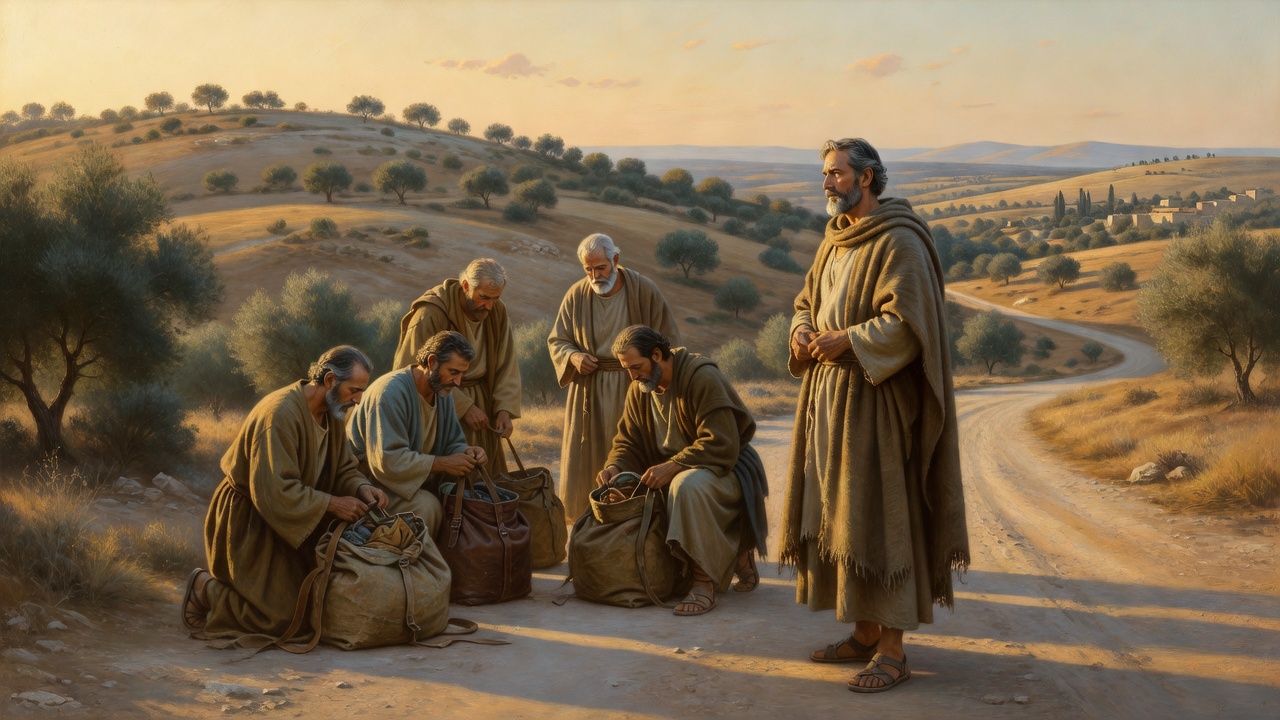
¿Sabías que…?
La esperanza de los gentiles y el camino hacia el oeste
- Pablo escribe que ha proclamado plenamente el evangelio de Cristo desde Jerusalén, dando toda la vuelta hasta Ilírico. El diccionario bíblico de Easton (1897) sitúa esa región al noroeste de Macedonia, en las costas orientales del Adriático, y la describe como entonces comprendida casi por completo en Dalmacia; dice que la recorrió en su tercer viaje misionero, que fue el distrito más lejano al que había llegado predicando, y que un viaje por Macedonia lo habría llevado hasta sus fronteras.Fuentes: el propio texto bíblico · Illyricum
- Espera ver a los creyentes de Roma de camino a España y, después de entregar en Jerusalén la contribución de Macedonia y Acaya, partir hacia España pasando por ellos. El diccionario bíblico de Easton (1897) registra esa intención, pero señala que no hay evidencia de que la haya llevado a cabo, aunque algunos piensan que probablemente lo hizo entre su primer y su segundo encarcelamiento.Fuentes: el propio texto bíblico · Spain
- Citando a Isaías, dice que la Raíz de Isaí aparecería y se levantaría para gobernar a los gentiles, y que los gentiles pondrían en él su esperanza. Isaí fue el padre de David, y el diccionario bíblico de Easton (1897) dice que la expresión raíz de Isaí se usa para el Mesías, mientras que tallo de Isaí se usa para la familia de David.Fuentes: el propio texto bíblico · Jesse
Notas escritas con ayuda de IA a partir de fuentes abiertas (Theographic Bible Metadata, CC BY-SA 4.0; Easton’s Bible Dictionary, dominio público) y revisadas antes de publicarse.
Lugares de este capítulo
- Illyricum · 43.539, 16.483 · versículo 19
- Jerusalem · 31.777, 35.234 · versículos 19, 25, 26, 27, 31
- Rome · 41.892, 12.485 · versículo 24
- Spain · Hoy: Hispania · 40.210, -4.350 · versículos 24, 28
- Achaia · 38.720, 22.540 · versículo 26
- Macedonia · 41.600, 22.540 · versículo 26
- Judea · Hoy: Judea 1 · 31.777, 35.234 · versículo 31
Solo aparecen lugares identificados con alta confianza (90 % o más según las fuentes académicas reunidas por OpenBible). Mapa de la época: DARE (Digital Atlas of the Roman Empire), CC BY 4.0; mapa actual: © colaboradores de OpenStreetMap; lugares: OpenBible.info (CC BY 4.0).
Créditos y licencia de esta traducción
Nuevo Testamento yin̈ abxubal
New Testament in Jakalteko Eastern; jac (GT:jac:Jakalteko)
copyright © 1997 Wycliffe Bible Translators, Inc.
Language: Jakalteko
Translation by: Wycliffe Bible Translators, Inc.
Copyright Information
© 1997, Wycliffe Bible Translators, Inc. All rights reserved.
This translation text is made available to you under the
terms of the Creative Commons License: Attribution-Noncommercial-No Derivative Works.
( http://creativecommons.org/licenses/by-nc-nd/3.0/ )
In addition, you have permission to port the text to different file formats, as long as you
do not change any of the text or punctuation of the Bible.
You may share, copy, distribute, transmit, and extract portions
or quotations from this work, provided that you include the above copyright
information:
You must give Attribution to the work.
You do not sell this work for a profit.
You do not make any derivative works that change any of the actual words or punctuation of the Scriptures.
Permissions beyond the scope of this license may be
available if you contact
us with your request.
The New Testament
in Jakalteko
© 1997, Wycliffe Bible Translators, Inc. All rights reserved.
This translation is made available to you under the terms of the
Creative Commons Attribution-Noncommercial-No Derivatives license 4.0.
You may share and redistribute this Bible translation or extracts from it in any format, provided that:
You include the above copyright and source information.
You do not sell this work for a profit.
You do not change any of the words or punctuation of the Scriptures.
Pictures included with Scriptures and other documents on this site are licensed just for use with those Scriptures and documents.
For other uses, please contact the respective copyright owners.
2016-05-05
Fuente: http://ebible.org/jacNT/ · eBible.org