Mateo 9
Nuevo Testamento yin̈ abxubal · Toca un versículo para ver sus referencias cruzadas.
Yakꞌ cawxo Comam Jesús huneꞌ naj mach chibili isnimanil
1Lahwi tuꞌ xin yocto Comam Jesús yul teꞌ barco, ismeltzoti Comam iskꞌaxepxacꞌti haꞌ lago tuꞌ, yapni Comam yul iscon̈ob. 2Yilaxto huneꞌ naj mach chibili isnimanil iscꞌatan̈ Comam sat batxteꞌ. Hayet yilni Comam xin tato caw ayco yanma ebnaj initi naj tuꞌ yin̈ Comam, yalni Comam tet naj yaꞌay tuꞌ:
—Hach wet anmahil aco yip hawanma, tinan̈ chiakꞌlaxcano nimancꞌulal yin̈ hamul, ẍi Comam tet naj.
3Ay xin huntekꞌan ebnaj cuywawom yin̈ isley naj Moisés, istxum hacaꞌ tiꞌ: “Huneꞌ naj tiꞌ caw txꞌoj istzotel naj yin̈ Comam Dios, yuto chaco isba naj Diosal,” ẍi ebnaj yul yet ischuquil. 4Wal Comam xin, yohta tzet chiecꞌ yin̈ isnabal ebnaj, yuxin yal Comam:
—¿Tzet yin̈ xin caw txꞌoj chiecꞌ yin̈ henabal? 5¿Baytet subuta walnihan heyalni, tom “chꞌakꞌlax nimancꞌulal yin̈ hamul,” mato “ahan̈wanoj cat hapaxtoj?” 6Tinan̈ xin chinyehan heyilaꞌ tato Hanin Akꞌbilintijan texol yu Comam Dios, ay wipan wakꞌnihan nimancꞌulal yin̈ ismul anma yul sat yiban̈kꞌinal tiꞌ, ẍi Comam. Yalni Comam tet naj yaꞌay tuꞌ:
—Ahan̈wanoj, ican̈ habatxteꞌ tiꞌ cat hapaxto hawatut, ẍi Comam tet naj.
7Yin̈n̈ena tuꞌ xin yahwano naj, ispaxto naj yatut. 8Hayet yilni anma huneꞌ tuꞌ caw xiwcanocan̈, yoc anma yakꞌno tzalaho iscꞌul yin̈ Comam Dios, yuto caw txꞌiꞌal yip Comam isye tet anma.
Yet yawten Comam Jesús naj Mateo iscuywomoj
9Lahwi tuꞌ isto Comam Jesús. Hayet yecꞌto Comam xin, yilni Comam huneꞌ naj ikꞌomilo tohlabal, Mateo isbi. Tzꞌon̈anayo naj bay chiel chꞌen tohlabal chialaxto bey Roma. Yalni Comam Jesús tet naj:
—Ocan̈ tzujno wintajan incuywomojan, ẍi Comam.
Hayet yaben naj huneꞌ tuꞌ, yahwano naj, yoc tzujno naj yinta Comam.
10Lahwi tuꞌ yawtelax Comam waꞌo yu naj yul yatut, yoc Comam sat meẍa yeb ebnaj iscuywom, yebpaxo xin huntekꞌanxa ebnaj ikꞌomilo tohlabal, yeb huntekꞌan anma txꞌoj isbeybal. 11Hayet yilni ebnaj fariseo huneꞌ tuꞌ, yalni ebnaj tet ebnaj iscuywom Comam:
—¿Tzet yin̈ xin chiwaꞌ naj hecuywawom tiꞌ xol ebnaj ikꞌomilo tohlabal, yeb xol ebnaj txꞌoj isbeybal? ẍi ebnaj.
12Hayet yaben Comam huneꞌ tuꞌ xin, yalni Comam tet ebnaj:
—Haꞌ anma mach yaꞌo ay, matzet chiocnico naj an̈lom yu, to haꞌ anma yaꞌay haꞌ chiocnico naj an̈lom yu. 13Yuxin chiwalan teyet, saywe yul Yum Comam Dios cat hetxumni yin̈ bay chal hacaꞌ tiꞌ: “Haꞌ huneꞌ chiwochehan ta chitzꞌay hecꞌul yin̈ heyet anmahil, maẍn̈etaj heyakꞌni hexahanbal wetan,” ẍiayoj. Mach hulnajojinan wawteꞌan anma chalni ta cꞌul yecoj, ¡machoj! Walxinto yu anma chistxumu ta mulum, yuxin hulnajinan, yun̈e isbejnicano yanico ismul, ẍi Comam.
Mach chischah isba payat beybale yeb acꞌ beybale
14Yet hunel apni ebnaj ischejab naj Juan anican̈ haꞌ iswiꞌ anma iscꞌatan̈ Comam Jesús, iskꞌamben ebnaj tet Comam:
—Han̈on̈tiꞌan̈ yeb ebnaj fariseo caw chicoyijehan̈ huneꞌ yet mach chon̈waꞌ cotxahli. Walpaxo ebnaj hacuywom xin, ¿tzet yin̈ xin mach chisyije ebnaj huneꞌ tuꞌ? ẍi ebnaj.
15Yalni Comam tet ebnaj:
—Kꞌinalo tato ay hunu mohyilal tinan̈, aypaxo xin anma awtebil yin̈ mohyilal tuꞌ. ¿Tom xin chioc anma tuꞌ yijle wahil yet aycꞌo naj mohyom tuꞌ? ¡Machoj! Wal xin hato yet chiapni istiempohal yilaxilo naj mohyom tuꞌ xol anma, catto yoc anma yin̈ yijlen wahil, ẍi Comam.
16Yalnipaxo Comam:
—Mach chu yalaxico hunu kꞌap kꞌap acꞌto isbujilo huno xilkꞌape xilxa, yuto hayet chitxꞌahlax kꞌap, chimoqꞌui kꞌap acꞌ ayco isbujilo kꞌap xilxa tuꞌ, cat xin istzilmocanto huneꞌ xilkꞌape tuꞌ. 17Hacpax tuꞌ xin, mach chu yalaxayto acꞌ vino yul noꞌ tzꞌum xilxa yuto chilin̈mo noꞌ cat ismalto vino tuꞌ, cat yetaxpaxcanto noꞌ tzꞌum tuꞌ. Wal xin yul noꞌ tzꞌum acꞌto chialaxayto acꞌ vino, hac tuꞌ xin mach chietaxto teꞌ vino yeb noꞌ tzꞌum, ẍi Comam Jesús tet ebnaj iscuywom naj Juan.
Hulcan̈ iscꞌul iscutzꞌin naj Jairo yeb xin an̈cha huneꞌ ix pitni xil iskꞌap Comam Jesús
18Hayet lan̈an yalni Comam Jesús huntekꞌan cuybanile tuꞌ, yapni huneꞌ naj yahawil yin̈ ebnaj Israel iscꞌatan̈ Comam, yalni naj tet Comam:
—Mamin, ay huneꞌ nichꞌan incutzꞌinan lan̈anto iscamayoj, yaj ta chachto wintajan cat hawanayo hakꞌab yiban̈ ix, chihulcan̈ iscꞌul ix, ẍi naj tet Comam.
19Lahwi tuꞌ yah lin̈no Comam, isto yinta naj yeb ebnaj iscuywom. 20Xol anma tzujan yinta Comam tuꞌ xin, ay huneꞌ ix yaꞌay, cablahon̈ebxa habil mach chilin̈i yay istxꞌahwobal ix. Yuxin hitzico ix iscꞌatan̈ Comam, ispitni ix istiꞌ xil iskꞌap Comam, 21yuto istxum ix hacaꞌ tiꞌ: “Walca han̈e istiꞌ xil iskꞌap Comam chinpitan cat incawxocan̈an,” ẍi ix. 22Wal Comam xin, ismeltzo isba Comam, yoc tꞌan̈no Comam yin̈ ix, yalni Comam hacaꞌ tiꞌ:
—Aco yip hawanma miyay. Macachcawxican̈ tinan̈ yuto maxawaco hawanma win̈an, ẍi Comam tet ix.
Yin̈n̈ena tuꞌ xin iscawxican̈ ix.
23Hayet yapni Comam Jesús bey yatut naj yahawil ebnaj Israel tuꞌ xin, yilni Comam tato ayxacꞌo ebnaj chianico teꞌ suꞌ yin̈ ismujubal ix nichꞌan iscutzꞌin naj Jairo tuꞌ, yebpaxo xin wejanxan̈e anma yokꞌi. 24Hayet yilni Comam huneꞌ tuꞌ, yalni Comam tet anma:
—Elan̈wetoj, ix nichꞌan tiꞌ mach camnajo ix, ton̈e chiway ix, ẍi Comam. Wal anma tuꞌ xin oc tzebo yin̈ tzet yal Comam. 25Lahwi ischejni Comam eloti sunil anma yul n̈a, yocto Comam iscꞌatan̈ ix nichꞌan tuꞌ. Yoc tzabno Comam yin̈ iskꞌab ix, yahwano ix. 26Sunil anma ay yul ismajul huneꞌ con̈ob tuꞌ, abenilo tzet yuhi.
Yakꞌ cawxo Comam Jesús cawan̈ ebnaj mach chu yilni
27Yet yel Comam bey tuꞌ, ay cawan̈ ebnaj mach chu yilni oc tzujno yinta Comam. Chi-xin-awito ebnaj tet Comam hacaꞌ tiꞌ:
—Mamin, iscꞌahol jichmam David, tzꞌayojab hacꞌul jin̈an̈, ẍi ebnaj.
28Hayet yapni Comam yul n̈a, yocpaxto ebnaj yul n̈a yinta Comam, yalni Comam tet ebnaj:
—¿Chimheyayto yul heyanma tato chu wakꞌni hajlojan hesat? ẍi Comam. Istakꞌwi ebnaj tet Comam:
—Hoꞌ Mamin, chijaytojan̈ yul janmahan̈, ẍi ebnaj.
29Yanico Comam iskꞌab yin̈ isbakꞌsat ebnaj, yalni Comam tet ebnaj:
—Yubojab hacaꞌ cheyoche yuto maxeyaco heyanma win̈an, ẍi Comam tet ebnaj.
30Hac tuꞌ xin yu ishajlo isbakꞌsat ebnaj, yalnicano Comam tet ebnaj:
—Tinan̈ xin, machi mac tet cheyalicꞌo huneꞌ tiꞌ, ẍi Comam.
31Yajaꞌ haniqꞌuixto chito ebnaj, yichico ebnaj yalni tet anma yin̈ tzet yu ishajlo isbakꞌsat ebnaj.
Tzotelcan̈ huneꞌ naj maẍticꞌa chu istzoteli
32Hayet caw lan̈an ispaxto ebnaj hajlo isbakꞌsat yu Comam Jesús tuꞌ, yapni huntekꞌan ebnaj yakꞌnocano huneꞌ naj iscꞌatan̈ Comam. Huneꞌ naj tuꞌ mach chu istzotel naj yuto ayco ischejab naj matzwalil yin̈ naj. 33Hayet ischejnilo Comam ischejab naj matzwalil yin̈ naj, yichico naj istzoteli. Wal anma ilni huneꞌ tuꞌ xin caw cꞌaycanocan̈ iscꞌul. Yalni anma hacaꞌ tiꞌ:
—Maẍto hunelo chijil yuni yul con̈ob Israel hacaꞌ huneꞌ tiꞌ, ẍi anma.
34Wal ebnaj fariseo xin yal ebnaj hacaꞌ tiꞌ:
—Huneꞌ naj tiꞌ chílo naj ischejab naj matzwalil yin̈ anma yu yip naj matzwalil, ẍi ebnaj yin̈ Comam.
Caw tzꞌay iscꞌul Comam Jesús yin̈ anma
35Caw sunil yulajla con̈ob yeb yulajla aldea bay ecꞌ Comam Jesús, iscuyni Comam anma yulaj iscapilla ebnaj Israel yul hunu con̈ob tuꞌ. Yalnicꞌo Comam yin̈ tzet chu yoc anma yul iskꞌab Comam Dios, yakꞌni cawxo Comam anma tzijxan̈e yabilal ayco yin̈. 36Hayet yilnico Comam yin̈ anma xin caw tzꞌaycan̈ iscꞌul yin̈ anma tuꞌ, yuto bejbilcanoj, mach chitxumcha yu tzet wal yuten isba. Hacaꞌ noꞌ meꞌ machi mac chitan̈eni, hac tuꞌ ye anma. 37Yuxin yal Comam tet ebnaj iscuywom:
—Huntekꞌan anma tiꞌ lahan hacaꞌ ixim trigo lan̈an iskꞌanbiloj. Caw hantan̈e munil, yajaꞌ haywan̈n̈e ebnaj munlawom. 38Yuxin kꞌanwe tet Comam Dios yahaw munil, haxinwal chati Comam ismunlawom xol anma, ẍi Comam tet ebnaj.
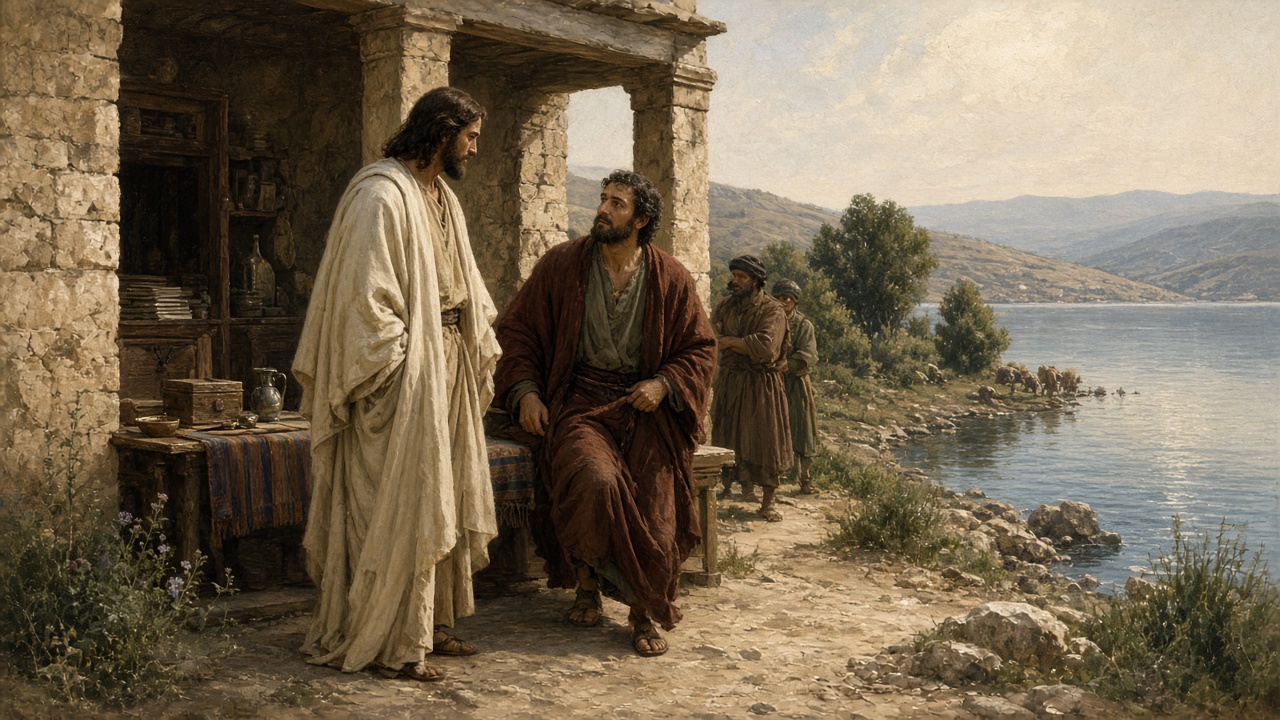
¿Sabías que…?
Misericordia, curación y vino nuevo
- Mateo, hijo de Alfeo, era publicano, es decir, recaudador de impuestos, en Cafarnaúm. Jesús, al subir desde la orilla del lago, pasó por el puesto de impuestos donde Mateo estaba sentado y le dijo: “Sígueme”. Antes se lo conocía como Leví; ese mismo día ofreció un gran banquete, descrito como una despedida, a Jesús, a los discípulos y, probablemente, a muchos de sus antiguos compañeros.Fuentes: Matthew · el propio texto bíblico
- Quienes preguntan por qué ellos y los fariseos ayunan tan a menudo, mientras los discípulos de Jesús no ayunan, son discípulos de Juan el Bautista. A Juan se lo llama el precursor; era de linaje sacerdotal, su padre Zacarías sacerdote del turno de Abías y su madre Elisabet una de las hijas de Aarón.Fuentes: John the Baptist · el propio texto bíblico
- Una cronología sitúa la curación del paralítico, el llamado de Mateo, la pregunta sobre el ayuno y la parábola de los odres en el año 28 d. C.Fuentes: Healing the Man with Palsy · Jesus Calls Matthew · Fasting Question · Parable of the Winseskins
Notas escritas con ayuda de IA a partir de fuentes abiertas (Theographic Bible Metadata, CC BY-SA 4.0; Easton’s Bible Dictionary, dominio público) y revisadas antes de publicarse.
Lugares de este capítulo
- Sea of Galilee · 32.819, 35.590 · versículo 1
Solo aparecen lugares identificados con alta confianza (90 % o más según las fuentes académicas reunidas por OpenBible). Mapa de la época: DARE (Digital Atlas of the Roman Empire), CC BY 4.0; mapa actual: © colaboradores de OpenStreetMap; lugares: OpenBible.info (CC BY 4.0).
Créditos y licencia de esta traducción
Nuevo Testamento yin̈ abxubal
New Testament in Jakalteko Eastern; jac (GT:jac:Jakalteko)
copyright © 1997 Wycliffe Bible Translators, Inc.
Language: Jakalteko
Translation by: Wycliffe Bible Translators, Inc.
Copyright Information
© 1997, Wycliffe Bible Translators, Inc. All rights reserved.
This translation text is made available to you under the
terms of the Creative Commons License: Attribution-Noncommercial-No Derivative Works.
( http://creativecommons.org/licenses/by-nc-nd/3.0/ )
In addition, you have permission to port the text to different file formats, as long as you
do not change any of the text or punctuation of the Bible.
You may share, copy, distribute, transmit, and extract portions
or quotations from this work, provided that you include the above copyright
information:
You must give Attribution to the work.
You do not sell this work for a profit.
You do not make any derivative works that change any of the actual words or punctuation of the Scriptures.
Permissions beyond the scope of this license may be
available if you contact
us with your request.
The New Testament
in Jakalteko
© 1997, Wycliffe Bible Translators, Inc. All rights reserved.
This translation is made available to you under the terms of the
Creative Commons Attribution-Noncommercial-No Derivatives license 4.0.
You may share and redistribute this Bible translation or extracts from it in any format, provided that:
You include the above copyright and source information.
You do not sell this work for a profit.
You do not change any of the words or punctuation of the Scriptures.
Pictures included with Scriptures and other documents on this site are licensed just for use with those Scriptures and documents.
For other uses, please contact the respective copyright owners.
2016-05-05
Fuente: http://ebible.org/jacNT/ · eBible.org