2 Corintios 7
U ak' Testamento tu kuyob'al · Toca un versículo para ver sus referencias cruzadas.
1As la qal sete, vitzꞌin vatzik uvaꞌ xoꞌn chit ex sve: As sqiꞌeꞌ kat talkat kan u Tiixheꞌ unqꞌa yoleꞌ. Estiꞌeꞌ qeesataj qibꞌ vatz u vaꞌlexheꞌ uvaꞌ la yansan u kuchiꞌoleꞌ tukꞌ u qaanxelaleꞌ. As kuyaꞌlutaj qibꞌ tiꞌ uvaꞌ jik chit u kutxumbꞌaleꞌ la ibꞌan vatz Tiixheꞌ tiꞌ kuxoꞌvat Aak.
Nichiibꞌ u Pablo tiꞌ uvaꞌ kat ijalpu unqꞌa aa Corinto vitxumbꞌaleꞌ
2As ekꞌultaj ok oꞌ tukꞌ etaanxelal, tan yeꞌl umaj ex nu kubꞌan vaꞌlexh sete. As yeꞌl umaj ex nu kuyansa etxumbꞌal. As yeꞌl ex nu kumaxtibꞌe ex.
3As echeꞌ in uvaꞌ in Pablo, as yeꞌle uvaꞌ epaav koj nunchukeꞌ tul ni val u yoleꞌ sete, tan alel chiteꞌ svaꞌn uvaꞌ xoꞌn chit ex sve, tan unvatzul kuxh veꞌt in setukꞌ tiꞌ u Cristo, kꞌuxh eela kukameꞌ as moj tul isleꞌl oꞌ.
4As kꞌujleꞌl chit unkꞌuꞌl setiꞌ. As nivoksa veꞌt unqꞌii setiꞌ. As aal chit niyakꞌin u vaanxelaleꞌ. As kꞌuxh nu kupalebꞌe unqꞌa kꞌaxkꞌoeꞌ setukꞌ, as yeꞌl iyaꞌtebꞌal u chiibꞌichileꞌ tu vaanxelaleꞌ setaꞌn.
5As tul kat ul veꞌt in tzitzaꞌ tu u Macedonia tukꞌ unqꞌa unmooleꞌ, as yeꞌ kat iꞌl vunchiꞌoleꞌ. As kalabꞌ kuxh kꞌaxkꞌo kat unpalebꞌe taꞌn unqꞌa uxhchileꞌ uvaꞌ yeꞌ ni niman u Jesús. As nikat ixaan veꞌt vaama setiꞌ unpajte.
6As aꞌ u Tiixheꞌ uvaꞌ ni yakꞌinsan u qaanxelaleꞌ tul uvaꞌ nixaan qaama, as Aakeꞌ kat yakꞌinsan u qaanxelaleꞌ tukꞌ unqꞌa unmooleꞌ, tul uvaꞌ kat kukꞌul qibꞌ tukꞌ u Tito.
7As jit kuxh tiꞌ kukꞌulat qibꞌ tukꞌ u Tito kat yakꞌinkat qaama. Pet tiꞌ uvaꞌ kat ul tal u Tito sqe uvaꞌ ayaꞌl chit ekꞌuꞌl nesaꞌ etilat unvatz unpajte, as kat eyakꞌinsa veꞌt vaama. As kat tal u Tito sve unpajte uvaꞌ vaꞌlik chit etxumuneꞌ tiꞌ unqꞌa vaꞌlexheꞌ uvaꞌ ni tuch sexoꞌl. As nik etoksa etaama tiꞌ enimat unqꞌa yoleꞌ uvaꞌ kat val sete. As tul kat vabꞌi unqꞌa yoleꞌ, as aal chit kat chiibꞌ veꞌt in staꞌn.
8As tul uvaꞌ kat vabꞌi uvaꞌ kat untxumunsa veꞌt etaama taꞌn u yoleꞌ uvaꞌ kat untzꞌibꞌa bꞌen sete bꞌaxa, as kat unkꞌaxa veꞌteꞌ tiꞌ uvaꞌ kat unbꞌana. Pet ech koj cheel, tan yeꞌ nunkꞌaxa veꞌteꞌ tiꞌ untzꞌibꞌat bꞌen unqꞌa yoleꞌ sete,
9tan tul kat esikꞌle unqꞌa yoleꞌ, as kat txumun ex taꞌn vepaaveꞌ. As kat ekꞌaxa veꞌt etibꞌ. Estiꞌeꞌ uvaꞌ nuntxuqꞌtxun veꞌteꞌ. As jit tiꞌ uvaꞌ kat untxumunsa etaama taꞌn unqꞌa yoleꞌ uvaꞌ kat untzꞌibꞌa bꞌen sete. Pet nunchiibꞌeꞌ tiꞌ uvaꞌ kat txumun ex taꞌn vepaaveꞌ. As kat ekꞌaxa veꞌt etibꞌ. Estiꞌeꞌ ni val sete uvaꞌ jit umaj vaꞌlexh kat unbꞌan sete tukꞌ vunyoleꞌ,
10tan tul uvaꞌ kat txumun ex taꞌn vepaaveꞌ echeꞌ uvaꞌ nisaꞌ u Tiixheꞌ uvaꞌ la ebꞌaneꞌ, as aꞌeꞌ kat lochon ex tiꞌ uvaꞌ la ekꞌaxa etibꞌ vatz Aak. As kat isotzsa veꞌt Aak vepaaveꞌ. As yeꞌl in nuntxumun veꞌteꞌ tiꞌ uvaꞌ kat untxumunsa etaama, tan kat ekꞌaxal veꞌt etibꞌ tiꞌ vepaaveꞌ. As aal nunchiibꞌ stiꞌ cheel. Pet ech koj nibꞌan unqꞌa uxhchileꞌ uvaꞌ vatz txꞌavaꞌilla txumbꞌal kuxh vitxumbꞌaleꞌ, tan aꞌ kuxh nitxumeꞌ kam uvaꞌ nipalebꞌe taꞌn vipaaveꞌ. As yeꞌl itiichajil at kꞌatz u Tiixheꞌ, tan yeꞌ nikꞌaxa tibꞌ tiꞌ vipaaveꞌ.
11As kat pal ex stuul uvaꞌ kam ibꞌaꞌnil u txumuneꞌ uvaꞌ kat ibꞌan veꞌt sete taꞌn u Tiixheꞌ, tan aal kat ok veꞌt ex ilil tiꞌ elochat in, tan kat txumun veꞌt ex as kat chꞌixvu veꞌt ex taꞌn u vaꞌlexheꞌ uveꞌ nik ebꞌaneꞌ. As kat ejaj veꞌt sotzbꞌal epaav, as ayaꞌl chit veꞌt ekꞌuꞌl nesaꞌ uvaꞌ vatzul veꞌt oꞌ setukꞌ la ibꞌaneꞌ. Tan kat xoꞌv veꞌt ex taꞌn u yoleꞌ uvaꞌ kat untzꞌibꞌa bꞌen sete. As kat ekꞌucha uvaꞌ yeꞌl etaama netoksa tiꞌ u vaꞌlexheꞌ.
12As la val sete, tul kat untzꞌibꞌa bꞌen unqꞌa yoleꞌ sete, as jit tiꞌ unyaat bꞌen u uxhchileꞌ uveꞌ kat bꞌanon u vaꞌlexheꞌ. As mitaꞌn tiꞌ unbꞌanat isuuchil u uxhchileꞌ uvaꞌ kat bꞌanax u vaꞌlexheꞌ ste. Pet vatz u Tiixheꞌ kat untzꞌibꞌakat bꞌen unqꞌa yoleꞌ sete, tiꞌ uvaꞌ la pal ex stuul uvaꞌ atoꞌk qaama setiꞌ.
13As niyakꞌin veꞌt qaama, tan ni qabꞌi uvaꞌ nenima veꞌt unqꞌa yoleꞌ uvaꞌ kat untzꞌibꞌa bꞌen sete. As jit kuxh tiꞌ enimat unqꞌa yoleꞌ niyakꞌinsan qaama. Pet vaꞌlik chit kutxuqꞌtxun veꞌteꞌ, tul kat qil itxuqꞌtxun veꞌt u Tito, tan kat eyakꞌinsa taama tul kat oon sexoꞌl.
14As maꞌtik valat te u Tito uvaꞌ nunchiibꞌ veꞌt setiꞌ, tan nunkꞌujbꞌaꞌ unkꞌuꞌl setiꞌ. As kat ebꞌana echeꞌ uveꞌ kat val te u Tito. As yeꞌl chuli yol nunbꞌaneꞌ. Pet isuuchil u yoleꞌ ni val sbꞌenameen. As echat kat unbꞌana tul kat val u yoleꞌ setiꞌ te u Tito, tan kat bꞌex til u Tito uvaꞌ jik chit u yoleꞌ uvaꞌ kat val te aak setiꞌ.
15As aal chit xoꞌn veꞌt ex te u Tito, tul uvaꞌ ni tulsa ex skꞌuꞌl, tan achaꞌv ikꞌulpu aak kat ebꞌana, tul kat oon sexoꞌl. As yeꞌl iqꞌii aak kat eteesa.
16As nuntxuqꞌtxun veꞌt setiꞌ, vitzꞌin vatzik, tan ootzimal svaꞌn uvaꞌ la uch unkꞌujbꞌaꞌt unkꞌuꞌl setiꞌ.
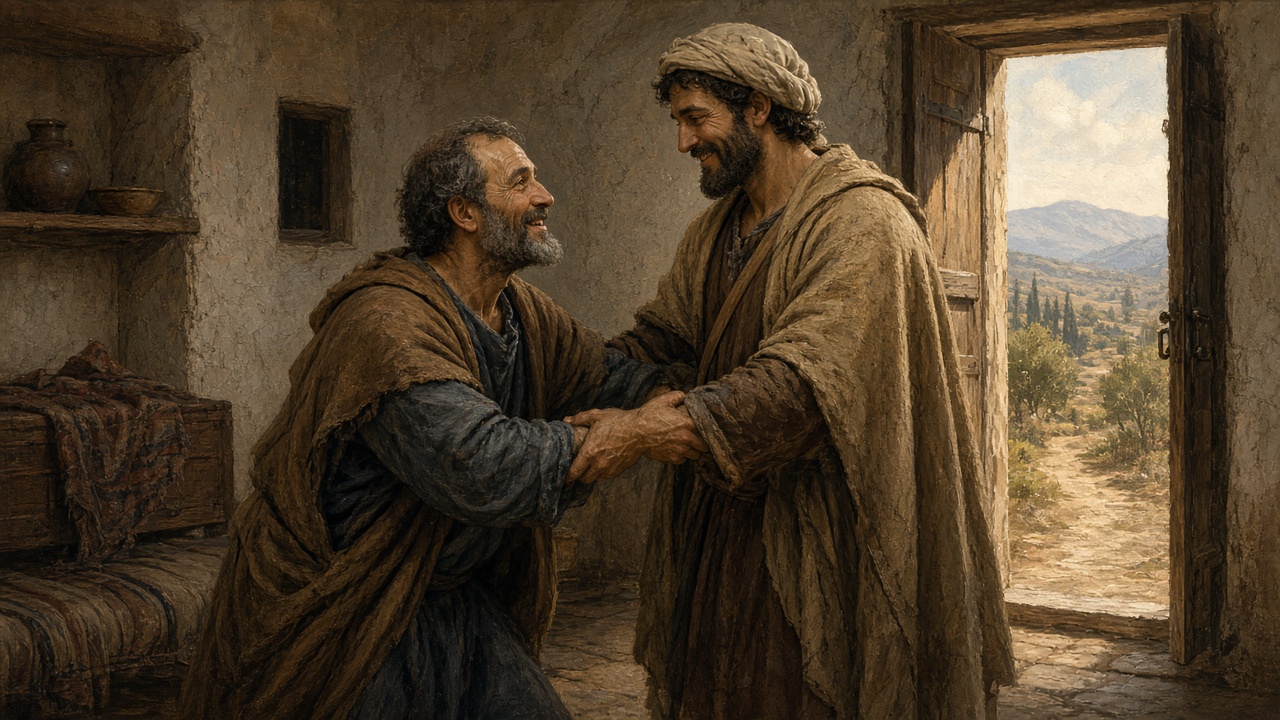
¿Sabías que…?
Consuelo después de una carta dolorosa
- Macedonia, donde Pablo dice que llegó sin descanso en el cuerpo —conflictos por fuera y temores por dentro—, era una provincia romana al norte de Grecia. Allí, escribe, el Dios que consuela a los abatidos lo consoló con la llegada de Tito.Fuentes: Macedonia · el propio texto bíblico
- Pablo habla de una carta que los entristeció, pero solo por poco tiempo. Ahora se alegra no porque se hayan entristecido, sino porque esa tristeza los llevó al arrepentimiento; dice que sintieron la tristeza que Dios había dispuesto, que no fueron perjudicados por él y que mostraron empeño, celo e inocencia en aquel asunto.Fuentes: el propio texto bíblico
- Un breve relato describe a Tito como compañero de Pablo, al parecer un gentil que se dedicaba sobre todo a ministrar a los gentiles. En este capítulo Pablo dice que la llegada de Tito lo consoló, que Tito contó su añoranza, su llanto y su celo, y que recibieron a Tito con temor y temblor.Fuentes: Titus · el propio texto bíblico
Notas escritas con ayuda de IA a partir de fuentes abiertas (Theographic Bible Metadata, CC BY-SA 4.0; Easton’s Bible Dictionary, dominio público) y revisadas antes de publicarse.
Lugares de este capítulo
- Macedonia · 41.600, 22.540 · versículo 5
Solo aparecen lugares identificados con alta confianza (90 % o más según las fuentes académicas reunidas por OpenBible). Mapa de la época: DARE (Digital Atlas of the Roman Empire), CC BY 4.0; mapa actual: © colaboradores de OpenStreetMap; lugares: OpenBible.info (CC BY 4.0).
Créditos y licencia de esta traducción
U ak' Testamento tu kuyob'al
New Testament in Ixil Nebaj; ixl (GT:ixl:Ixil)
copyright © 2008 Wycliffe Bible Translators, Inc.
Language: Ixil
Dialect: Nebaj
Translation by: Wycliffe Bible Translators, Inc.
Copyright Information
© 2008, Wycliffe Bible Translators, Inc. All rights reserved.
This translation text is made available to you under the
terms of the Creative Commons License: Attribution-Noncommercial-No Derivative Works.
( http://creativecommons.org/licenses/by-nc-nd/3.0/ )
In addition, you have permission to port the text to different file formats, as long as you
do not change any of the text or punctuation of the Bible.
You may share, copy, distribute, transmit, and extract portions
or quotations from this work, provided that you include the above copyright
information:
You must give Attribution to the work.
You do not sell this work for a profit.
You do not make any derivative works that change any of the actual words or punctuation of the Scriptures.
Permissions beyond the scope of this license may be
available if you contact
us with your request.
The New Testament
in Ixil
© 2008, Wycliffe Bible Translators, Inc. All rights reserved.
This translation is made available to you under the terms of the
Creative Commons Attribution-Noncommercial-No Derivatives license 4.0.
You may share and redistribute this Bible translation or extracts from it in any format, provided that:
You include the above copyright and source information.
You do not sell this work for a profit.
You do not change any of the words or punctuation of the Scriptures.
Pictures included with Scriptures and other documents on this site are licensed just for use with those Scriptures and documents.
For other uses, please contact the respective copyright owners.
2014-12-07
Fuente: http://ebible.org/ixlNNT/ · eBible.org