Mateo 7
Viakʼla txumbʼal u tioxh · Toca un versículo para ver sus referencias cruzadas.
U kunachtu jeꞌ qibꞌ bꞌaxa
1Yeꞌ koꞌxh eyol paal u aanima oj niyolpu sevatz. Ech yeꞌk sakuꞌ vikꞌaꞌnal u Tioxh setiꞌ, tiꞌ veyolpu majte. 2Tan kaniꞌch itxꞌolax inujul qꞌu aanima sebꞌaneꞌ, echat chit itxꞌolax enujul siꞌan u Tioxh majte. Utz kam chit vaꞌl sebꞌan tu qꞌu aanima, echat chit sabꞌanax sete majte. 3Pek ¿kam tokeꞌ aas taꞌxh tii nesaji u tal yeꞌxtxojla kam niꞌan emol sevatz utz, yeꞌxhat niꞌenku sete aas paalchu vebꞌanon siiꞌ? Ela koꞌxh tuchꞌ siil maꞌl tal juy chꞌis tu bꞌaqꞌ iatz amol; loqꞌ aꞌ yeꞌ niileꞌ aas mam tzeꞌ vaꞌl atil tu bꞌaqꞌ aatz. 4Ela koꞌxh tuchꞌ siil maꞌl tal juy chꞌis tu bꞌaqꞌ iatz amol; loqꞌ aꞌ yeꞌ niileꞌ aas mam tzeꞌ vaꞌl atil tu bꞌaqꞌ aatz. Yeꞌk saveeti aas setoksa maꞌl aanima tu jik tiꞌ koꞌxh maꞌl u tal yeꞌxtxoj niꞌaneꞌ oj, tuul aatz ex, paalchu vepaav siatz. Tan ela koꞌxh tuchꞌ setal te ech tzaꞌ atziꞌ: «Aqꞌ tzii saveesa eluꞌl maꞌl u juy chꞌis taatz tziꞌ.» Chajex te. Tuul aatz ex, aal maꞌl mam tzeꞌ at okoꞌp tevatz utz, yeꞌ veet esajin taqꞌo. 5¡Kaꞌvatz, yaꞌsataj qꞌu mamaj paav bꞌaxa! Ech nal saꞌtekveeti setal tu vemol aas siyaꞌsa qꞌu talaj kam niꞌaneꞌ. Eesataj eluꞌl u mam tzeꞌ xeꞌ bꞌaqꞌ evatz bꞌaxa tziꞌ. Utz aatz bꞌaꞌn tek etiloneꞌ, ech nal seꞌneteesa eluꞌl u juy chꞌis xeꞌ bꞌaqꞌ iatz vemol. 6Yeꞌ koꞌxh etal veꞌt u yolbꞌal Tioxh tu qꞌuꞌl echaꞌ txꞌiꞌ tiꞌ paav. Utz yeꞌ etal tu qꞌu bꞌoch xichin majte qꞌuꞌl tiira yeꞌ nitabꞌi yol tan, kam koj itxaꞌk te. Nikoꞌntaqꞌka eloꞌp echil tziꞌ utz; noj koꞌn iꞌan sete.
U Tioxh niaqꞌon qꞌu kam kajayil
7Uncheeꞌ jajtaj tu u Tioxh kam nesavsa utz, saꞌaqꞌax sete. Choktaj utz, sechabꞌa. Sichꞌinojex vatz jubꞌal utz, sajajaxex. 8Tan abꞌil qꞌuꞌl kam nijaj tu u Tioxh, nikꞌuleꞌ. Abꞌil qꞌuꞌl nichokoneꞌ, nichabꞌa. Utz abꞌil qꞌuꞌl nisichꞌin vatz jubꞌal, nijajaxeꞌ. 9Echaꞌ ex, ¿oj tzik sivan koꞌn setaqꞌ tekꞌaol emeꞌal oj sijaj ikaxhlaan txꞌix sete? 10Utz echat koꞌxhtuꞌ oj sijaj maꞌj ichiꞌo txay sete. ¿Tzꞌoj tzik txꞌiꞌla txokop setaqꞌ te? 11Tan kꞌuxh yeꞌxtxoj chit etxumbꞌal, etootzajle kam bꞌaꞌnla chaj kam netaqꞌ tu qꞌul enitxaꞌa utz, aꞌ chixh u kuTat tu Amlika nenacheꞌ tziꞌ, yeꞌ koꞌxh sataqꞌ bꞌaꞌnla chaj kam tu qꞌuꞌl kam nijaj te. 12Ech tokeꞌ kajay qꞌu bꞌaꞌnil esaꞌ siꞌan qꞌu aanima sete, echat sebꞌan te majte. Tan ech nital u oꞌtla mantaar. Utz ech alelka tu qꞌu alol tetz u yolbꞌal Tioxh majte.
Kaꞌvaꞌl qꞌu bꞌey atile
13Aꞌ soꞌokkꞌex tu u okebꞌal vaꞌl chꞌoo ivatz; u tal bꞌey vaꞌl siꞌiqꞌon opon uchchil tu bꞌenqꞌii bꞌensaj utz, vaꞌl kaꞌxvaꞌl koꞌn aanima nichabꞌan. Okiꞌchꞌex tu u mam jankin okebꞌal, vaꞌl yak tu u choobꞌal paav. Tan nim ivatz u bꞌey yak tuul. Utz mamala tenam atoꞌk tiꞌ.
U tootzajil qꞌu aanimatu qꞌul ibꞌanoneꞌ
15Kuentaꞌex tiꞌ qꞌu chulin alol tetz u yolbꞌal Tioxh qꞌuꞌl tul texoꞌl. Suula niman Tioxh tiloneꞌ, pek jolol eesanal tu bꞌey. Ech tuleꞌ maanxhola karneꞌl. Loqꞌ aatz tu taanima tan, echaꞌ vaꞌynajla lobo. 16Pek loqꞌ nimnaꞌl tan, tu koꞌxh qꞌul ibꞌanoneꞌ toj etilva. Echaꞌ qꞌu bꞌaꞌnla chaj vatzomla tzeꞌ, bꞌaꞌn ivatz nitaqꞌeꞌ. Pek aatz qꞌu yeꞌxtxojla chaj vatzomla tzeꞌ, yeꞌxtxoj ivatz nitaqꞌeꞌ. Tan saꞌkojiꞌaneꞌ aas sachee uuva tiꞌ qꞌu chꞌiꞌx. Utz saꞌkojiꞌan majte sachee viikuxh tiꞌ u paal chꞌiꞌx. 18Yeꞌxh bꞌoj siꞌaneꞌ aas yeꞌxtxoj ivatz u bꞌaꞌnla vatzomla tzeꞌ sataqꞌeꞌ. Utz yeꞌxh bꞌoj siꞌan majte aas bꞌaꞌn ivatz u yeꞌxtxojla vatzomla tzeꞌ sataqꞌeꞌ. 19Tan aatz qꞌu vatzomla tzeꞌ qꞌuꞌl yitꞌ bꞌaꞌn koj ivatz nitaqꞌeꞌ, nitzokꞌax el. Utz nikꞌachax ok tu xamal. 20Ech tokeꞌ tu koꞌxh qꞌul ibꞌanoneꞌ setilva oj chulin alol tetz u yolbꞌal Tioxh. Echaꞌ u tzeꞌ, nimnaꞌl tu vivatz bꞌaꞌn tzik oj yitꞌ bꞌaꞌn koj.
Kajay koj soꞌokoꞌp tu Amlika
21Tan yitꞌ kajay koj qꞌuꞌl: «unBꞌaal, unBꞌaal,» chu ve, soꞌokoꞌp tu viQꞌesalail u Tioxh tu Amlika. Pek taꞌxh soꞌokoꞌp qꞌuꞌl nibꞌanon vitxumbꞌal vunTat tu Amlika. 22Utz sibꞌal koꞌxh toj alon ve tu maꞌl u qꞌii siꞌaneꞌ, ech tzaꞌ: «unBꞌaal, vetqal paal u yolbꞌal Tioxh tabꞌii. Vetqojcheꞌl qꞌu tioxhil txꞌiꞌliꞌinaj tabꞌii. Utz sibꞌ koꞌxh txaichil vetkubꞌan tu vabꞌii majte.» Chaj.
23Pek aatz in tan, sakoꞌnuntzaqꞌbꞌe ech tzaꞌ: «Tiira yeꞌ ootzajimalex vaqꞌo. Elojbꞌenex sunvatz aa paavla chaj aanima.» Chajin te.
Viyaꞌebꞌal qꞌuꞌl niniman u Jesuus utz, qꞌuꞌl yeꞌ niniman
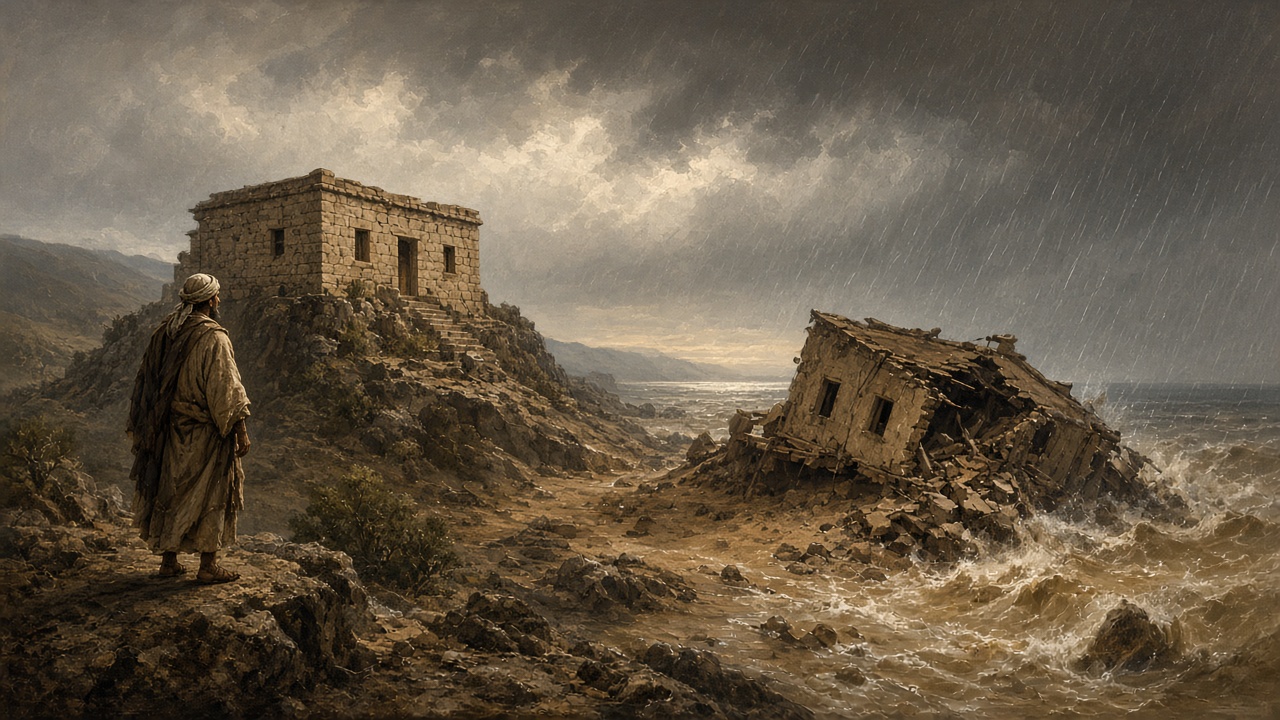
24Uncheeꞌ abꞌil niabꞌin qꞌu yol nivaleꞌ tzaꞌ utz, niꞌaneꞌ kam nitaleꞌ, ela tuchꞌ u tzakꞌkin vinaj atziꞌ aas aꞌ taqꞌvu jeꞌ totzotz viꞌ sivan. 25Ech kꞌuxh kuꞌ mam jabꞌal, yeꞌt kuꞌ taqꞌo. Utz kꞌuxh el nimaꞌ utz, ipaqꞌoꞌk tibꞌ mam kajiqꞌ tiꞌ, yeꞌt kuꞌi. Tan viꞌ sivan taqꞌvu jeꞌ. 26Pek abꞌil paj vaꞌl niabꞌin qꞌul unyol tzaꞌ utz, yeꞌ niꞌaneꞌ kam nitaleꞌ, ela tuchꞌ u txoxkin vinaj atziꞌ vaꞌl vatz txꞌavaꞌ koꞌn iꞌanvu jeꞌ totzotz. 27Ech aatz kuꞌ mam jabꞌal, el nimaꞌ utz, paal mam kajiqꞌ. Ipaqꞌoꞌk tibꞌ tiꞌ, yakich kuꞌoj taqꞌo. Ech bꞌoono isotz sotzi.— Texh u Jesuus.
28Uncheeꞌ aatz tek tzojpu u Jesuus tiꞌ talax kajay qꞌu yol tziꞌ, tiira vaꞌlich motx itzꞌejx ikꞌuꞌl qꞌu aanima tu vichusuneꞌ. 29Tan, atil tijleꞌm tu vichusuneꞌ. Txayoꞌm niꞌan tu qꞌul iyol. Yitꞌeꞌch koj aꞌ qꞌu aa txumbꞌal tiꞌ u oꞌtla mantaar.
¿Sabías que…?
El juicio, el camino angosto y un fundamento firme
- El registro del acontecimiento fecha el inicio del Sermón del Monte en el año 28 d. C. y su duración en un día. Este capítulo termina con las multitudes asombradas de la enseñanza de Jesús, porque él enseñaba como quien tiene autoridad, y no como sus escribas.Fuentes: Sermon on the Mount · el propio texto bíblico
- Jesús advierte que el juicio que alguien pronuncia, y la medida que esa persona usa, se volverán contra ella. Describe a alguien que nota la paja en el ojo de su hermano, pero no advierte la viga en el propio, y dice que la viga debe quitarse primero.Fuentes: el propio texto bíblico
- El capítulo llama esencia de la Ley y los Profetas hacer a los demás lo que uno querría que le hicieran. Contrasta una puerta ancha y un camino espacioso que lleva a la destrucción, por el que entran muchos, con una puerta pequeña y un camino angosto que lleva a la vida, que pocos hallan, y compara oír estas palabras y ponerlas en práctica con una casa edificada sobre la roca y no sobre la arena.Fuentes: el propio texto bíblico
Notas escritas con ayuda de IA a partir de fuentes abiertas (Theographic Bible Metadata, CC BY-SA 4.0; Easton’s Bible Dictionary, dominio público) y revisadas antes de publicarse.
Créditos y licencia de esta traducción
Viakʼla txumbʼal u tioxh
New Testament in Ixil Cotzal; ixl (GT:ixl:Ixil)
copyright © 2001 Wycliffe Bible Translators, Inc.
Language: Ixil
Dialect: Cotzal
Translation by: Wycliffe Bible Translators, Inc.
Copyright Information
© 2001, Wycliffe Bible Translators, Inc. All rights reserved.
This translation text is made available to you under the
terms of the Creative Commons License: Attribution-Noncommercial-No Derivative Works.
( http://creativecommons.org/licenses/by-nc-nd/3.0/ )
In addition, you have permission to port the text to different file formats, as long as you
do not change any of the text or punctuation of the Bible.
You may share, copy, distribute, transmit, and extract portions
or quotations from this work, provided that you include the above copyright
information:
You must give Attribution to the work.
You do not sell this work for a profit.
You do not make any derivative works that change any of the actual words or punctuation of the Scriptures.
Permissions beyond the scope of this license may be
available if you contact
us with your request.
The New Testament
in Ixil
© 2001, Wycliffe Bible Translators, Inc. All rights reserved.
This translation is made available to you under the terms of the
Creative Commons Attribution-Noncommercial-No Derivatives license 4.0.
You may share and redistribute this Bible translation or extracts from it in any format, provided that:
You include the above copyright and source information.
You do not sell this work for a profit.
You do not change any of the words or punctuation of the Scriptures.
Pictures included with Scriptures and other documents on this site are licensed just for use with those Scriptures and documents.
For other uses, please contact the respective copyright owners.
2014-04-25
Fuente: http://ebible.org/ixlCNT/ · eBible.org