Juan 10
Viakʼla txumbʼal u tioxh · Toca un versículo para ver sus referencias cruzadas.
Vikꞌamtu tiꞌ xeen karneꞌlu Jesuus tu vichusuneꞌ
1Uncheeꞌ tal paj u Jesuus ech tzaꞌ: —Niꞌxhtekꞌval sete, abꞌil aꞌ yitꞌ aꞌ koj niokkoꞌp tu u okebꞌalop tu u tatibꞌal qꞌu karneꞌl, elqꞌom atziꞌ. Subꞌul atziꞌ. Tan paarten nichokvu tokoꞌp. 2Tan aꞌ u xeen tetz qꞌu karneꞌl vaꞌl aꞌ niokkoꞌp tu u okebꞌalop. 3Ech nijajax okoꞌp tu u taqꞌonom. Utz ootzajimal iviꞌ u xeen karneꞌl tu qꞌul ikarneꞌl majte. Tan nisikꞌle qꞌu karneꞌl tibꞌii utz, nitiqꞌo eluꞌl. 4Utz aatz maꞌt tiqꞌot eluꞌl kajay qꞌu tetz, nibꞌaxabꞌ siatz. Utz nixambꞌoꞌk qꞌu karneꞌl tiꞌ. Tan tootzaj iviꞌ. 5Tan saꞌkojxambꞌoꞌk qꞌu karneꞌl tiꞌ vaꞌt aanima. Pek aal satꞌaspu siatz. Tan yeꞌ tootzaj iviꞌ paartenla aanima qꞌu karneꞌl.— Texhtuꞌ. 6Aꞌ qꞌu kꞌamich yol tal u Jesuus tziꞌ. Loqꞌ yeꞌt paal itxumbꞌal qꞌu aanima tuul kam vaꞌl nichtal te.
U okebꞌalop xeꞌ Tioxh
7Uncheeꞌ tal paj u Jesuus te: —Niꞌxhtekꞌval sete aas in u tokebꞌalop qꞌu karneꞌl. 8Utz jolol elqꞌom qꞌuꞌl bꞌaxal ul sunvatz; subꞌul atziꞌ. Utz yeꞌt motx nimal tu qꞌu karneꞌl. 9In u okebꞌalop. Ech abꞌil vaꞌl sapaaloꞌk tuul, sakolaxi. Echaꞌ karneꞌl soꞌokoꞌp saeluꞌl utz, sichabꞌa titza taqꞌo. 10Aatz nitul u elqꞌom, elaqꞌ, yatzꞌoꞌm utz, yuchꞌuꞌm ul iꞌaneꞌ. Pek aatz in, vetꞌulin tiꞌ taqꞌax etiichajil. Ech tiira yeꞌk iyaꞌebꞌal vetatin siꞌaneꞌ. 11In u bꞌaꞌnla xeen karneꞌl. Tan aatz u bꞌaꞌnla xeen karneꞌl, nitaqꞌ tibꞌ sakam tiꞌ qꞌul ikarneꞌl. 12Pek aatz vaꞌl aqꞌonom kuꞌen taꞌxh nitiloꞌk vijaꞌmel, nitꞌaspeꞌ nitil tul u lobo. Nitaqꞌka qꞌu karneꞌl tan, yitꞌ ibꞌaal koj. Ech aatz u lobo, niqini eluꞌl qꞌu karneꞌl. Utz nitilun ibꞌen tereꞌn taqꞌo. 13Nitooj u lochol xeen karneꞌl. Tan axhibꞌi vijaꞌmel koꞌn nitiloꞌk. Yeꞌxh koꞌxh kam itxaꞌk qꞌu karneꞌl te.
14In u bꞌaꞌnla xeen karneꞌl. Utz kam echaꞌ tootzajitꞌin vunTat, echat vootzajit vunTat majte. Utz kam echaꞌ vootzajit vunTat, echat vootzajit qꞌul unkarneꞌl majte. Utz tootzajin. Tan savaqꞌ vibꞌ tu kamchil tiꞌ qꞌu karneꞌl. 16Utz atil unjot unkarneꞌl aas paarten atilka. Yitꞌ atil koj xoꞌl qꞌu vetz tzaꞌ. Loqꞌ saꞌnalimolo tibꞌ sunkꞌatza. Satabꞌi vunviꞌ atziꞌ. Ech untanul tekoꞌn karneꞌl saꞌatini. Utz maꞌl koꞌn xeen tetz saꞌatini. 17Ech tokeꞌ tii vunTat viꞌ. Tan savaqꞌ vibꞌ tu kamchil. Loqꞌ saqꞌaavitzꞌpꞌin. 18Jik chit in savaqꞌ vibꞌ tu kamchil. Tan yeꞌxhabꞌil soꞌoleꞌ tiꞌ tel u vatz unqꞌii unsaj. Pek atil tunqꞌabꞌ savaqꞌ vibꞌ tu kamchil utz, atil tunqꞌabꞌ saqꞌaavitzꞌpꞌin. Aꞌ u vijleꞌm unkꞌul xeꞌ vunTat tziꞌ.— Texhtuꞌ.
19Ech qꞌaavpajok ixoꞌl qꞌu qꞌesal uqꞌaybꞌal tu qꞌu yol tziꞌ. 20Tan sibꞌal nichalon tiꞌ ech tzaꞌ: —Txꞌiꞌliꞌinaj atoꞌk kꞌatza. Elnaj tu bꞌey atziꞌ. ¿Kantuꞌ netabꞌi ok?— Chia.
21Utz at unjot nichalon ech tzaꞌ: —¿Abꞌil sayolon ech tziꞌ oj atoꞌk tioxhil txꞌiꞌliꞌinaj kꞌatza? Utz saꞌkojoleꞌ tioxhil txꞌiꞌliꞌinaj sijajpixsa ivatz maꞌj moy.— Chia.
U teesal iqꞌii u tijleꞌm Jesuustu qꞌu aa uqꞌaybꞌal
22Uncheeꞌ aatz titiempoich cheꞌv, nichipaasal u nimla qꞌii tu Jerusaleen tetz u totztioxh. 23Utz nichipaal u Jesuus tu viqꞌanalil u totztioxh vatz u okebꞌal vaꞌl Salomoon. 24Ech sutil tiꞌ tu qꞌu qꞌesal uqꞌaybꞌal utz, tal te ech tzaꞌ: —¿Jatu tek sayaꞌ kukaꞌtziiun saaqꞌo? Untzꞌoj axh viTxaaom u Tioxh, al inujul qe; vatzsaj saaleꞌ.— Texh te.
25Tzaqꞌbꞌel tu u Jesuus ech tzaꞌ: —Vetvallu sete abꞌil in. Utz yeꞌ nenima. Tan aatz qꞌu kam nunbꞌan tibꞌii vunTat, aꞌ techlal abꞌil in. 26Pek yeꞌ nenima. Kꞌuxh alel nal sete vaqꞌo. Axhibꞌi antu koj ex xoꞌl qꞌul unkarneꞌl. 27Tan nitabꞌi unviꞌ qꞌul unkarneꞌl. Utz jolol vootzajle majte. Ech nixambꞌu viꞌ. 28Utz savaqꞌ itiichajil tu bꞌenqꞌii bꞌensaj. Ech jatu koj samotxsotzi. Utz abꞌil koj saeesan tunqꞌabꞌ majte. 29Tan aatz vunTat vaꞌl vetaqꞌon ve, paalchu vatz u koontra. Ech yeꞌxhabꞌil koꞌxh samaaon el tiqꞌabꞌ vunTat. 30Aatz in tuchꞌ vunTat, maꞌl koꞌn oꞌ.— Texhtuꞌ.
31Uncheeꞌ motx itxay isivan qꞌu qꞌesal uqꞌaybꞌal; siꞌchipaqꞌoꞌk tiꞌ tala.
32Loqꞌ tal Jesuus te ech tzaꞌ: —Sibꞌal bꞌaꞌnla chaj kam tetz vunTat vetunbꞌanlu sevatz. Pek ¿abꞌiste tiꞌ sepaqꞌvu sivan in?— Texhtuꞌ.
33Utz tzaqꞌbꞌu qꞌu qꞌesal uqꞌaybꞌal ech tzaꞌ: —Saꞌkojkupaqꞌ sivan axh tiꞌ bꞌaꞌnla kam, pek tiꞌ vayoqꞌoneꞌ. Tan axh koꞌn vinaj utz, naaqꞌ bꞌen iibꞌs Tioxh.— Texh te.
34Tzaqꞌbꞌel tu u Jesuus ech tzaꞌ: —Tzꞌibꞌamalka tu vemantaar ech tzaꞌ: «Alel sete vaqꞌo aas jolol tioxh etatin vaqꞌo.» Chia. 35Utz oj: «Tioxh tatineꞌ.» Chu u Tioxh tiꞌ qꞌu aanima, tiꞌ vitenam qꞌuꞌl kꞌulun viyolbꞌal, uncheeꞌ ¿kam tatin vatz u Tioxh u Vinaj nenacheꞌ vaꞌl iTxaaom u Tioxh, ichajuꞌl tu u vatz amlika txꞌavaꞌ tzaꞌ? ¿Kantuꞌ yeꞌk tatin sevatz? Nikoꞌneteesa iqꞌii. Netal tiꞌ aas: «Niyoqꞌ Tioxh.» Cheꞌex. Tiꞌ tan, nivaleꞌ aas: «In viKꞌaol u Tioxh.» Chiꞌin. Utz aal ex qꞌuꞌl niqelon u Yolbꞌal Tioxh kꞌuxh nenima netaleꞌ. 37Aal bꞌaꞌn yeꞌ senimaꞌin oj yeꞌxhkam nunbꞌan qꞌu txaichil qꞌuꞌl nital vunTat. 38Pek kꞌuxh yeꞌ senimaꞌin, nimataj aas atil vunTat sunkꞌatza utz, atilin kꞌatz vunTat tiꞌ qꞌu kam qꞌuꞌl nunbꞌaneꞌ.— Texhtuꞌ.
39Ech siꞌchpajmotxitxayeꞌ tala, pek el u Jesuus siatz. 40Ech bꞌen u Jesuus sala bꞌen u Jordaan tu vaꞌl nichiꞌanvu vautisaar aanima u Xhan bꞌaxa. Utz atin tziꞌ. 41Utz sibꞌal aanima nichtul tzixeꞌ. Nichtal ech tzaꞌ: —Kꞌuxh yeꞌxh maꞌj txaichil iꞌan u Xhan, nojchit inujul qꞌu kam tal tiꞌ u vinaj tziꞌ.— Chia. 42Ech sibꞌal aanima niman u Jesuus latziꞌ.
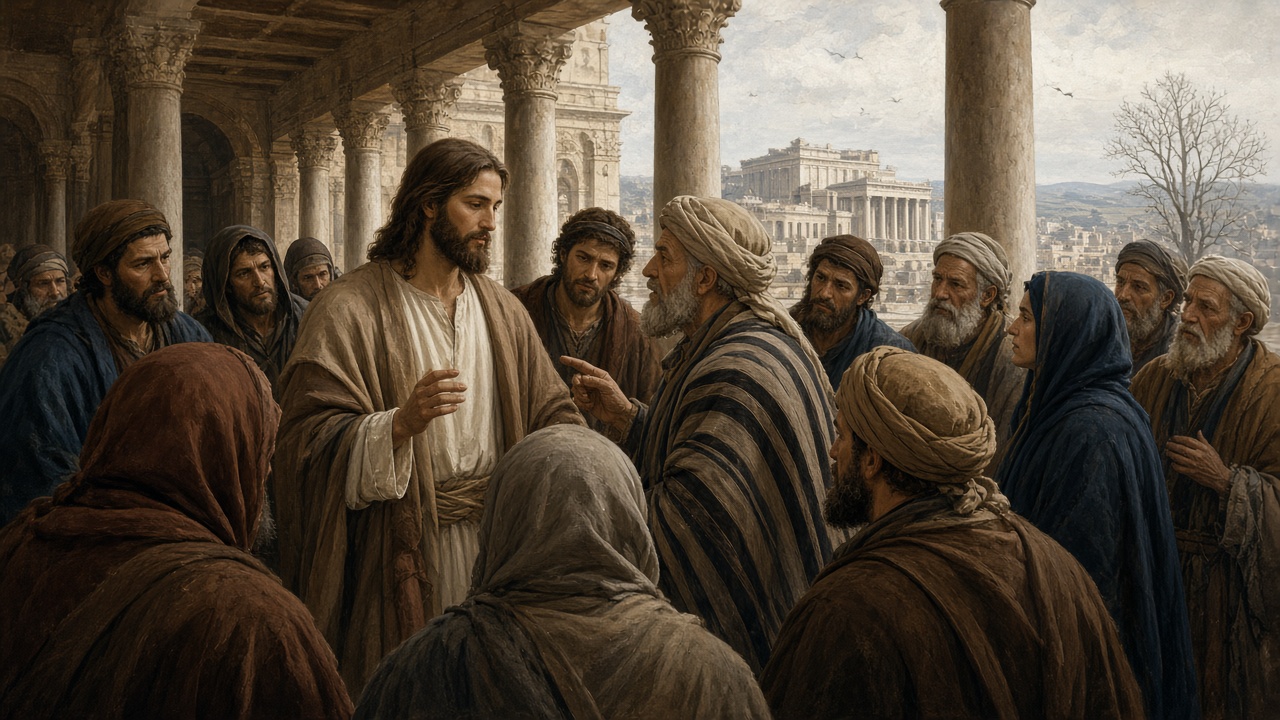
¿Sabías que…?
El Buen Pastor
- En la Fiesta de la Dedicación, en Jerusalén, era invierno, y Jesús caminaba por los atrios del templo, en el Pórtico de Salomón. El nombre Jerusalén, en forma dual, significa "posesión de la paz" o "fundación de la paz"; esa forma probablemente se refiere a los montes Sión y Moriah o, como algunos suponen, a la ciudad alta y la ciudad baja. El nombre hebreo de Salomón, Shelomoh, significa "pacífico".Fuentes: el propio texto bíblico · Jerusalem · Solomon
- Una cronología de los episodios evangélicos sitúa la enseñanza del Buen Pastor en el año 29 d.C. y un tiempo de enseñanza y curación, de Perea a Jerusalén, en el año 30 d.C.Fuentes: The Good Shepherd Teaching · Teaching and Healing in Perea to Jerusalem
- Jesús volvió entonces al otro lado del Jordán, al lugar donde Juan había comenzado a bautizar, y muchas personas allí creyeron en él. Juan era de linaje sacerdotal: su padre, Zacarías, era sacerdote del turno de Abías, y su madre, Elisabet, era de las hijas de Aarón. Su nacimiento, seis meses antes que el de Jesús, fue anunciado por un ángel; quienes acudían decían que Juan nunca hizo ninguna señal, pero que todo lo que había dicho acerca de Jesús era verdad.Fuentes: el propio texto bíblico · John the Baptist
Notas escritas con ayuda de IA a partir de fuentes abiertas (Theographic Bible Metadata, CC BY-SA 4.0; Easton’s Bible Dictionary, dominio público) y revisadas antes de publicarse.
Lugares de este capítulo
- Jerusalem · 31.777, 35.234 · versículo 22
- Solomon’s Portico · Hoy: in Jerusalem · 31.777, 35.234 · versículo 23
- Jordan · Hoy: Jordan River · 31.761, 35.558 · versículo 40
Solo aparecen lugares identificados con alta confianza (90 % o más según las fuentes académicas reunidas por OpenBible). Mapa de la época: DARE (Digital Atlas of the Roman Empire), CC BY 4.0; mapa actual: © colaboradores de OpenStreetMap; lugares: OpenBible.info (CC BY 4.0).
Créditos y licencia de esta traducción
Viakʼla txumbʼal u tioxh
New Testament in Ixil Cotzal; ixl (GT:ixl:Ixil)
copyright © 2001 Wycliffe Bible Translators, Inc.
Language: Ixil
Dialect: Cotzal
Translation by: Wycliffe Bible Translators, Inc.
Copyright Information
© 2001, Wycliffe Bible Translators, Inc. All rights reserved.
This translation text is made available to you under the
terms of the Creative Commons License: Attribution-Noncommercial-No Derivative Works.
( http://creativecommons.org/licenses/by-nc-nd/3.0/ )
In addition, you have permission to port the text to different file formats, as long as you
do not change any of the text or punctuation of the Bible.
You may share, copy, distribute, transmit, and extract portions
or quotations from this work, provided that you include the above copyright
information:
You must give Attribution to the work.
You do not sell this work for a profit.
You do not make any derivative works that change any of the actual words or punctuation of the Scriptures.
Permissions beyond the scope of this license may be
available if you contact
us with your request.
The New Testament
in Ixil
© 2001, Wycliffe Bible Translators, Inc. All rights reserved.
This translation is made available to you under the terms of the
Creative Commons Attribution-Noncommercial-No Derivatives license 4.0.
You may share and redistribute this Bible translation or extracts from it in any format, provided that:
You include the above copyright and source information.
You do not sell this work for a profit.
You do not change any of the words or punctuation of the Scriptures.
Pictures included with Scriptures and other documents on this site are licensed just for use with those Scriptures and documents.
For other uses, please contact the respective copyright owners.
2014-04-25
Fuente: http://ebible.org/ixlCNT/ · eBible.org