Gálatas 5
Viakʼla txumbʼal u tioxh · Toca un versículo para ver sus referencias cruzadas.
U atinchil tu u chitpichilvatz u paav
1U Cristo vetchitpunoꞌ tan, aꞌ isaꞌ aas qꞌalpinaj qatineꞌ. Echixeꞌat tii etatin kꞌatza. Utz qꞌaaviꞌch tereꞌn etoksa etibꞌ jaqꞌ u oꞌtla mantaar. Echaꞌ yugo tiqul aqꞌonomla vaakaxh.
2Abꞌitaj vaꞌl nivaleꞌ tzaꞌ, in Pablo. Yeꞌk itxaꞌk vikam u Cristo sete atziꞌ untzꞌoj saꞌpajenima u oꞌtla mantaar utz, satzokꞌax el bꞌiil echiꞌl. 3Utz nunkaꞌpaju talax tu qꞌu aanima qꞌuꞌl ninima u mantaar tiꞌ itzokꞌax el bꞌiil ichiꞌl, aas ministeer sinima kajay u oꞌtla mantaar oj echi. Yitꞌ taꞌxh koj sinima vaꞌl tziꞌ. 4Utz abꞌiste ex nialon aas tiꞌ vinimal u oꞌtla mantaar sabꞌenex bꞌaꞌn vatz Tioxh, xaanyeꞌlex kꞌatz u Cristo. Elyex kꞌatz vibꞌaꞌnil. 5Pek aatz oꞌ, qootzajle tu u Tioxhla Espiiritu aas sataqꞌbꞌenoꞌ jikom vatz u Tioxh tiꞌ vikꞌujeꞌ kukꞌuꞌl tiꞌ u Jesuus. 6Tan aatz tu u atinchil kꞌatz u Cristo Jesuus, yeꞌk tokebꞌal vaꞌl kꞌuxh tzokꞌel el bꞌiil chiꞌl oj yeꞌka. Pek aꞌ ibꞌoꞌqꞌol vikꞌujeꞌ kukꞌuꞌl tiꞌ u Cristo utz, tii tzik oꞌ qibꞌilaj taqꞌo.
7Bꞌaꞌnich ex bꞌanel. Pek ¿abꞌil chaj vetmajonex tiꞌ inimal vinujul? 8Aatz u txumbꞌal okyu teviꞌ tziꞌ, yitꞌ u Tioxh koj vetoksan sekꞌatza, vaꞌl sikꞌlenex tu u bꞌaꞌnil. 9Pek bꞌoyelex vetbꞌanaxi. Echaꞌ u qꞌota aas tuchꞌ koꞌxh bꞌiil txꞌamla qꞌota seꞌen tixoꞌl, satxꞌamtu kajayil. 10Loqꞌ kꞌujlel unkꞌuꞌl tiꞌ u kuBꞌaals Amlika aas yitꞌ u yeꞌxtxojla chusbꞌal koj soꞌok teviꞌ tziꞌ. U Tioxh saꞌaqꞌon kuꞌ choobꞌal paav tiꞌ vaꞌl nieesanex tu bꞌey, abꞌil chetz koꞌxhtuꞌ.
11Pek aatz in hermanos, yeꞌxhkam nunyaꞌlu qꞌu puera aanima tiꞌ inimal u oꞌtla mantaar, echaꞌ tiꞌ itzokꞌax el bꞌiil chiꞌl. Tan nikojunyaꞌlu, yeꞌxhkam nitojchaꞌin qꞌu Israeel koj atziꞌ. Pek nivojchaleꞌ tan, aꞌ nunchus u bꞌaꞌnla chusbꞌal tiꞌ vikam u Jesuus vatz kurus. Utz aꞌ vaꞌl yeꞌxtxoj niꞌenku te. 12¡Aal tek bꞌaꞌn tiira koj nitzokꞌeꞌl kajayil vichiꞌl qꞌuꞌl nieesanex tu bꞌey tziꞌ!
Vilochtu tibꞌ qꞌu niman tetzu Jesuus tiꞌ ibꞌanax u bꞌaꞌnil
13Aatz ex hermanos, u Tioxh vetsikꞌlenex kꞌatza tiꞌ etel jaqꞌ u oꞌtla mantaar. Utz yeꞌkan tek ex tikuenta cheel. Pek loqꞌ yitꞌ tiꞌ koj chitpiꞌex kam texh paav sebꞌan tuchꞌ vechiꞌl. Pek aꞌ seloch etibꞌ tiꞌ u bꞌaꞌnil. Sebꞌan tii setibꞌilaj. 14Tan ninimal kajay u oꞌtla mantaar atziꞌ oj sabꞌanax vaꞌl nitaleꞌ: —Tiiꞌaxh tiꞌ vamol echaꞌ aꞌantu tii saiꞌ.— Chia. 15Echixeꞌat yeꞌk samotxechiꞌ etibꞌ utz, yeꞌk sechiꞌkꞌula etibꞌ. Yaꞌsataj tan, bꞌaꞌn siꞌaneꞌ, saꞌtexhmotxesotzsa jeꞌ etibꞌ setibꞌilaj.
Vimajax qꞌu yeꞌxtxojla tachaꞌvu chiꞌl
16Pek nival sete, aal bꞌaꞌn aꞌ tii senima vitxumbꞌal u Tioxhla Espiiritu utz, ech yeꞌk senima u tachaꞌv vechiꞌl. 17Tan aatz qꞌu tachaꞌv u chiꞌl, yiꞌsaꞌ vitxumbꞌal u Tioxhla Espiiritu. Utz aatz u Tioxhla Espiiritu majte, yiꞌsaꞌ qꞌu tachaꞌv u chiꞌl. Yeꞌ nimotxikꞌul tibꞌ. Ech yeꞌ nebꞌan taqꞌo kam vaꞌl esaꞌ. 18Tan oj aꞌ netoksa tetz u Tioxhla Espiiritu, yeꞌk ex jaqꞌ u oꞌtla mantaar atziꞌ.
19Tan vatzsaj ootzajili abꞌiste qꞌu paav niꞌan u chiꞌl. Utz ayaꞌ qꞌuꞌl tzaꞌ: qꞌu eesaibꞌ tu bꞌey tuchꞌ aanima yitꞌ ikꞌulel koj, qꞌu tzuꞌkinil, qꞌu tzꞌejxichil tiꞌ ibꞌanax yeꞌxtxojla chaj kam, 20u nima bꞌanich tioxh, u istanil, u chiꞌkꞌulaibꞌ, u chꞌaꞌo, u nachoj suyel, u kꞌaꞌnal, u yaayoliꞌbꞌ, u oksa xoꞌl, u nima yeꞌxtxojla chusbꞌal, 21u chiꞌnaꞌnkꞌuꞌlil, u yatzꞌiꞌbꞌ, u qꞌabꞌaꞌm, tuchꞌ vaꞌl yeꞌk chit nooebꞌal tiꞌ echbꞌuꞌm utz, tuchꞌ tereꞌn qꞌu paav ech tziꞌ. Ech niꞌxhval sete aas ebꞌanch etetz, echaꞌ alel sete vaqꞌo. Tan aatz qꞌu aanima bꞌanol tetz qꞌu kam tziꞌ, saꞌkojetzan tiꞌ viQꞌesalail u Tioxh.
22Pek aꞌ saqoksa tetz qꞌu txumbꞌal nicheesa u Tioxhla Espiiritu sukukꞌatza, qꞌuꞌl echaꞌ bꞌaꞌnla vatz tzeꞌ. Utz ayaꞌ qꞌuꞌl tzaꞌ: u kubꞌantu tiiꞌoꞌ qibꞌilaj, u chiꞌbꞌichil, u paas, u paciensia, u jikil, u bꞌano bꞌaꞌnil, u kꞌujeꞌich kꞌuꞌlal tiꞌ Tioxh, 23u maanxhoil utz, tuchꞌ u majoꞌibꞌ tiꞌ ibꞌanax qꞌu yeꞌxtxoj. Tan yeꞌk mantaar samajonoꞌ tiꞌ ibꞌanax qꞌu kam tziꞌ. 24Tan aatz oꞌ, niman tetz u Cristo, yaꞌsamal tek qꞌu tachaꞌv kuchiꞌl qaqꞌo. Ech antu kamnaj u tachaꞌv u kuchiꞌl tuchꞌ u Cristo vatz kurus. 25Aꞌ itzꞌpixsanoꞌ u Tioxhla Espiiritu tu u qatin kꞌatz u Tioxh. Ech tokeꞌ aꞌ chit noj qoksa tetz.
26Ech yeꞌ koꞌxh kutꞌanbꞌaꞌ qibꞌ. Yeꞌ koꞌxh ilak tibꞌ kuviꞌ qibꞌilaj. Utz sakoꞌnkoxhkuchiꞌkꞌula qibꞌ majte.
¿Sabías que…?
La libertad, la ley y el Espíritu
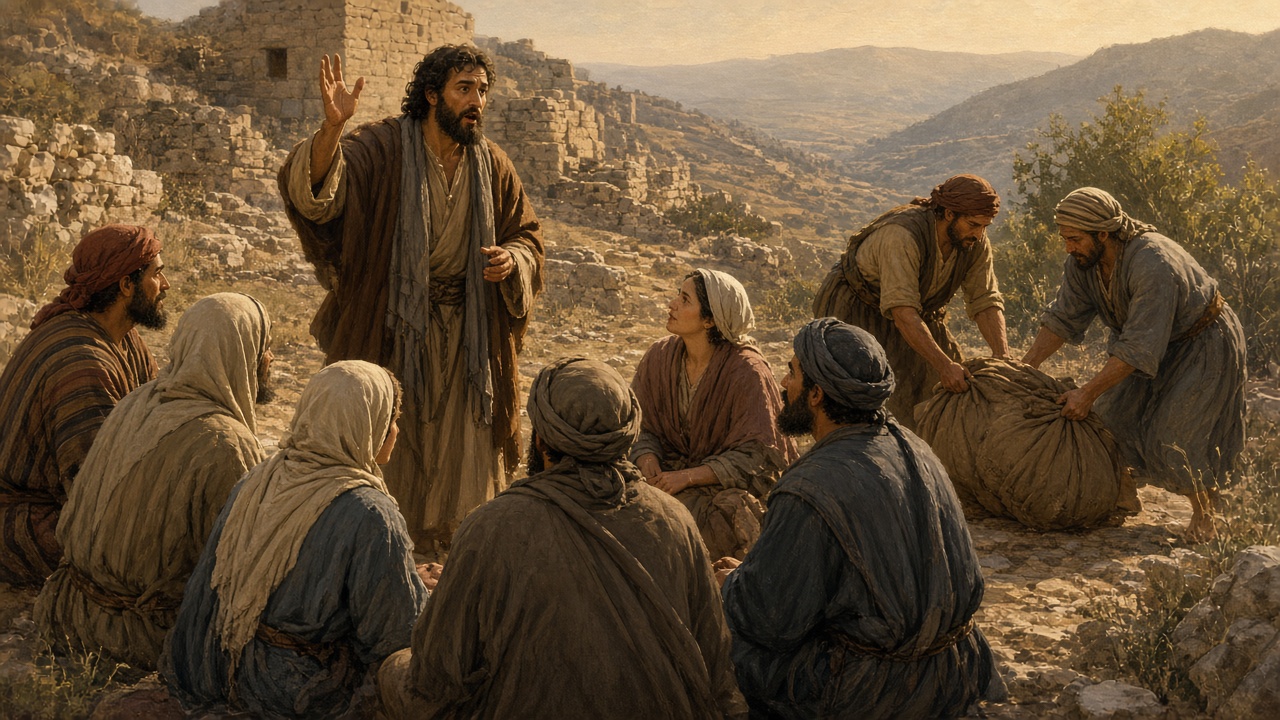
- Quien habla se identifica como Pablo y advierte que, si aquellos a quienes se dirige se dejan circuncidar, Cristo no les valdrá de nada, y que todo hombre que se hace circuncidar queda obligado a cumplir toda la ley. Un relato biográfico dice que el nombre de circuncisión de Pablo era Saulo y que el nombre Pablo probablemente le fue dado en la infancia para usarlo en el mundo de los gentiles, mientras que Saulo sería el nombre hebreo que usaría en casa.Fuentes: el propio texto bíblico · Paul
- La libertad se contrapone a un yugo de esclavitud: el capítulo dice que Cristo los ha libertado y les manda mantenerse firmes y no volver a quedar cargados con ese yugo. Fueron llamados a la libertad, no como una oportunidad para la carne, sino para servir unos a otros en amor, y toda la ley se cumple en el único precepto de amar al prójimo como a uno mismo.Fuentes: el propio texto bíblico
- Andar por el Espíritu se contrasta con satisfacer los deseos de la carne, que se oponen entre sí. Si las personas son guiadas por el Espíritu, no están bajo la ley; el capítulo enumera las obras de la carne y el fruto del Espíritu, y dice que contra tales cosas no hay ley.Fuentes: el propio texto bíblico
Notas escritas con ayuda de IA a partir de fuentes abiertas (Theographic Bible Metadata, CC BY-SA 4.0; Easton’s Bible Dictionary, dominio público) y revisadas antes de publicarse.
Créditos y licencia de esta traducción
Viakʼla txumbʼal u tioxh
New Testament in Ixil Cotzal; ixl (GT:ixl:Ixil)
copyright © 2001 Wycliffe Bible Translators, Inc.
Language: Ixil
Dialect: Cotzal
Translation by: Wycliffe Bible Translators, Inc.
Copyright Information
© 2001, Wycliffe Bible Translators, Inc. All rights reserved.
This translation text is made available to you under the
terms of the Creative Commons License: Attribution-Noncommercial-No Derivative Works.
( http://creativecommons.org/licenses/by-nc-nd/3.0/ )
In addition, you have permission to port the text to different file formats, as long as you
do not change any of the text or punctuation of the Bible.
You may share, copy, distribute, transmit, and extract portions
or quotations from this work, provided that you include the above copyright
information:
You must give Attribution to the work.
You do not sell this work for a profit.
You do not make any derivative works that change any of the actual words or punctuation of the Scriptures.
Permissions beyond the scope of this license may be
available if you contact
us with your request.
The New Testament
in Ixil
© 2001, Wycliffe Bible Translators, Inc. All rights reserved.
This translation is made available to you under the terms of the
Creative Commons Attribution-Noncommercial-No Derivatives license 4.0.
You may share and redistribute this Bible translation or extracts from it in any format, provided that:
You include the above copyright and source information.
You do not sell this work for a profit.
You do not change any of the words or punctuation of the Scriptures.
Pictures included with Scriptures and other documents on this site are licensed just for use with those Scriptures and documents.
For other uses, please contact the respective copyright owners.
2014-04-25
Fuente: http://ebible.org/ixlCNT/ · eBible.org