Hechos 3
Viakʼla txumbʼal u tioxh · Toca un versículo para ver sus referencias cruzadas.
Vibꞌantu bꞌaꞌn maꞌl u koꞌx
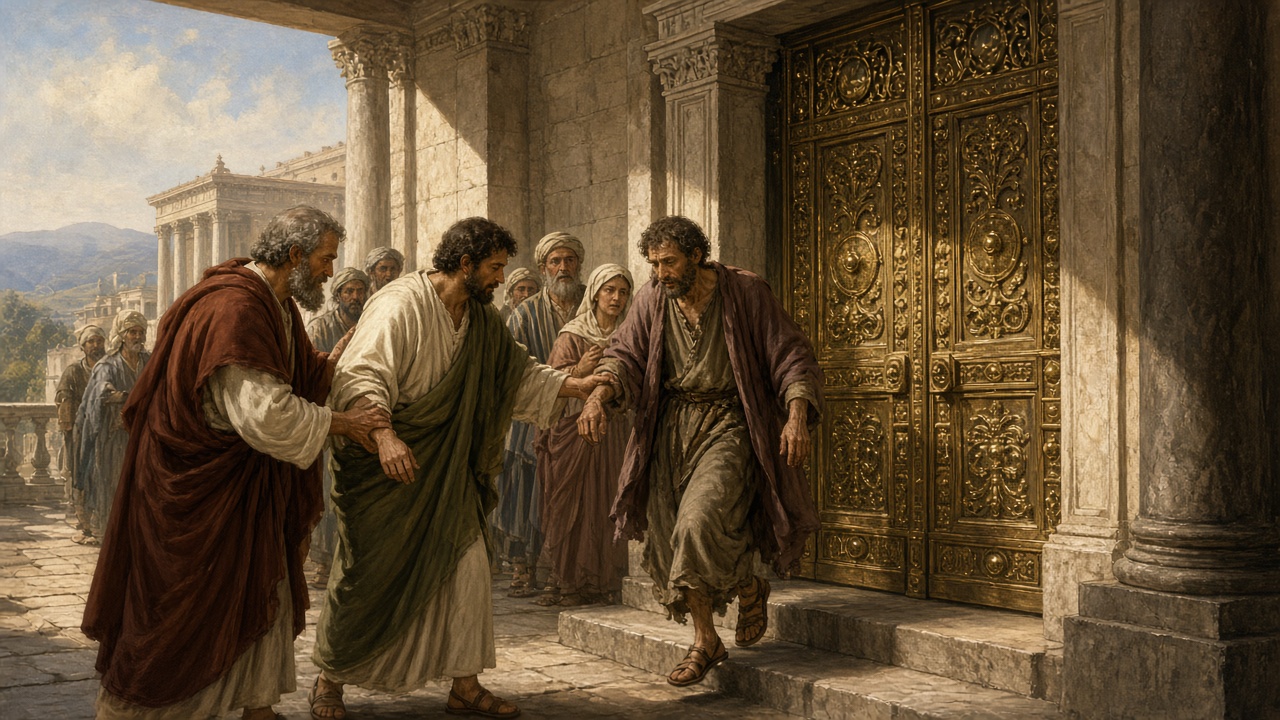
1Uncheeꞌ aatz u Luꞌ tuchꞌ u Xhan, motx bꞌen tu viqꞌanalil u totztioxh tiꞌ iqꞌilal isikꞌlel Tioxh alas 3 kuꞌqꞌii. Tan aꞌ u oora nituch oponchil tiꞌ iqꞌilal isikꞌlel Tioxh. 2Utz atich maꞌl u vinaj koꞌx tu titzꞌebꞌal. Jun qꞌii nichtiqꞌol opon tziꞌ u okebꞌalop vaꞌl “Txꞌanel” chu teꞌleꞌ. Nijoyon tu qꞌu aanima qꞌuꞌl nitopon tu viqꞌanalil u totztioxh. 3Ech taꞌxh til u koꞌx aas aalich tek tokoꞌp u Luꞌ tuchꞌ u Xhan tu viqꞌanalil u totztioxh, ijaj ipuaj te.
4Aatz u Luꞌ tuchꞌ u Xhan, tii isaji utz, tal te ech tzaꞌ: —Sajiꞌoꞌ.— Texh te. 5Ech tii sajil tu u koꞌx. Aꞌ nichtitzꞌa kam maꞌj tetz saꞌaqꞌaxi. 6Pek aatz u Luꞌ, tal te ech tzaꞌ: —Yeꞌk bꞌaꞌnla saj chꞌichꞌ puaj tzunxeꞌ. Nikoꞌxh bꞌaꞌnla qꞌan chꞌichꞌ puaj. Pek kam vaꞌl atil sunkꞌatza savaqꞌ eetz. Tibꞌii u Jesucristo aa Nazareet lakpen utz, xaan.— Texh te.
7Ech itxay sebꞌal iqꞌabꞌ u koꞌx. Ilak jeꞌ. Utz yakich cheeoj iyakꞌil qꞌu tajan tuchꞌ qꞌu chupbꞌal tibꞌ. 8Utz yuqꞌpu jeꞌ. Yakich txakeꞌoj. Ech xeꞌt ixaaneꞌ. Bꞌenoꞌk tiꞌ u Luꞌ tuchꞌ u Xhan tu viqꞌanalil u totztioxh. Xaaom tek ibꞌenoꞌk. Vaꞌlich iyuqꞌpeꞌ. Utz techal toksat iqꞌii u Tioxh.
9Ech til kajay qꞌu aanima atich opon, aas nitekixaaneꞌ utz, vaꞌl toksat iqꞌii u Tioxh. 10Tiira motx tzꞌejx ikꞌuꞌl utz, motx xoꞌv tu u kam tziꞌ. Tan til iatz aas aꞌ u koꞌx vaꞌl nichikꞌujeꞌ tiꞌ ijoyax ipuaj tziꞌ u okebꞌalop tu viqꞌanalil u totztioxh vaꞌl “Txꞌanel” chu teꞌleꞌ.
U talax u tijleꞌm u Jesuusiꞌan u Luꞌ
11Uncheeꞌ aatz u koꞌx, vaꞌl maꞌtich ibꞌantu bꞌaꞌn, tii techit txayelich u Luꞌ tuchꞌ u Xhan taqꞌo. Ech aatz qꞌu aanima qꞌuꞌl tzꞌejxinajich ikꞌuꞌl tiꞌ, motx imol tibꞌ. Motx opon kꞌatz qꞌu chusulibꞌ tu vaꞌl “Xoꞌl Piraal Tetz Salomoon”. 12Ech aatz til qꞌu aanima u Luꞌ, tal te ech tzaꞌ:
—Aanima Israeel, ¿kantuꞌ nitzꞌejx ekꞌuꞌl tiꞌ u kam tziꞌ? Utz ¿kantuꞌ aas tii nesajiꞌoꞌ tiꞌ. Ayaꞌl kala oꞌ tuchꞌ kuyakꞌil utz, tuchꞌ kubꞌaꞌnil vetkuxaansa u koꞌx tilon tu qꞌuꞌl nebꞌaneꞌ tziꞌ? 13Tan iqꞌaqꞌal u Jesuus atziꞌ, vaꞌl etoksa tiqꞌabꞌ u Pilato utz, yeꞌt koꞌn motx esaꞌa aas siꞌchchajpuli. Aꞌ viTxaaom u Tioxh vaꞌl taqꞌ tijleꞌm, vaꞌl nimamal tu qꞌu kukꞌuy kumam, u Abrahaam, u Isaac tuchꞌ u Jacoob. 14Yeꞌt koꞌn esaꞌa siꞌchchajpul u Tioxhla Vinaj, u Jikomla Vinaj. Utz taꞌn ejaj ichajpul maꞌl u yatzꞌol aanima. 15Ech ex yatzꞌon u aqꞌol tetz u vatz kuqꞌii kusaj vaꞌl qꞌaav itzꞌpixsali xoꞌl qꞌu kamnaj tu u Tioxh. Utz oꞌ texhtiigo aas itzꞌlel tek tikaꞌpaj.
16Utz tiꞌ koꞌn vikꞌujeꞌ kukꞌuꞌl tiꞌ vibꞌii u Jesuus kꞌuxh vetibꞌanlu bꞌaꞌn u koꞌx sevatz sekajayil tziꞌ, vaꞌl netileꞌ utz, etootzaj. Ech tiꞌ koꞌn inimal u Jesuus, tiira vetiꞌanlu bꞌaꞌn u vinaj tziꞌ.
17Loqꞌ vitzꞌin vatzik, ipaav yeꞌ etootzaj tuchꞌ qꞌu qꞌatol tzii kꞌuxh kam vetebꞌan tu u Jesuus. 18Tan ech chit itzojpu viyol u Tioxh tziꞌ vaꞌl bꞌaxabꞌsamal talax taqꞌo tu qꞌu alol tetz viyol, aas ministeer chit ikam viTxaaom u Tioxh.
19Echtzixeꞌt kꞌaxataj qꞌul epaav. Chꞌexputaj qꞌul etxumbꞌal. Ech sasotzsal qꞌul epaav. Ech laul u bꞌaꞌnla tiempo tzexeꞌ tu u Tioxh. Ech silochꞌoꞌ. 20Utz sichajuꞌl u Jesucristo tikaꞌpaj. Ayaꞌ vaꞌl alel nal taqꞌo, sauli. 21Loqꞌ ministeer taꞌn aꞌ saꞌatinku u Jesuus tu Amlika. Anal sauli aas saꞌtektoksa kajay qꞌu kam u Tioxh tu jik tu u vatz amlika txꞌavaꞌ. Echaꞌ vaꞌl tal titziꞌ qꞌu alol tetz viyol xaanaj el kꞌatz paav atich oꞌtene. 22Utz antu u Moisees alon tu qꞌu kukꞌuy kumam ech tzaꞌ:
«Saꞌnalicheesa maꞌl alol tetz viyolbꞌal u kuBꞌaal Tioxh texoꞌl echaꞌ in tzaꞌ.
Utz lamotxenima kajayil kam vaꞌl latala.
23Tan oj abꞌil yeꞌ laniman,
sotzchil siꞌan xoꞌl vitenam u Tioxh.»
Texhtuꞌ.
24Ech antu tereꞌn qꞌu alol tetz u yolbꞌal Tioxh taabꞌaul tzaꞌ, motx yolon tiꞌ qꞌu kam nituch cheel. Aꞌ bꞌaxal xeꞌt alon u Samueel. 25Utz ex vetilon itzojpu qꞌu kam tal qꞌu alol tetz u yolbꞌal Tioxh tiꞌ koꞌxtene. Ex vetilon iqꞌaqꞌal u nukꞌu vaꞌl iꞌan u Tioxh tuchꞌ qꞌu kukꞌuy kumam u Abrahaam. Tan tal te ech tzaꞌ:
«Kajay qꞌu aanima tu u vatz amlika txꞌavaꞌ,
sikꞌul u bꞌaꞌnil kꞌatz vatuꞌxh axalam.»
Texh te.
26Echtzixeꞌt aꞌ bꞌaxa vetichajvu kꞌasuꞌl viTxaaom tzexeꞌ aas maꞌtich qꞌaav titzꞌpeꞌ. Tan aꞌ isaꞌ ekꞌultu qꞌu mamaj bꞌaꞌnil. Ech junun ex sechꞌexpu qꞌul etxumbꞌal, setaqꞌka qꞌu onkonil.—
Texh u Luꞌ tu qꞌu aanima.
¿Sabías que…?
Curación y predicación en el templo
- La puerta del templo llamada Hermosa, donde cada día ponían a mendigar a un hombre cojo de nacimiento, se nombra en este capítulo. Se supone que era la puerta que iba del atrio de los gentiles al atrio de las mujeres; era maciza y estaba cubierta con placas de latón corintio.Fuentes: Beautiful Gate · el propio texto bíblico
- Después de la curación, la multitud asombrada corrió hacia Pedro y Juan en el paseo llamado Pórtico de Salomón. Era una columnata, o claustro, probablemente en el lado oriental del templo; no se menciona en relación con el primer templo, pero Josefo menciona un pórtico de ese nombre en el templo de Herodes.Fuentes: Solomon's Portico · el propio texto bíblico
- En el discurso allí, Pedro dijo que el pueblo había entregado a Jesús y lo había rechazado ante Pilato, aunque Pilato había decidido soltarlo. Una entrada de diccionario identifica a Poncio Pilato como el sexto procurador romano de Judea, del 26 al 36 d.C., con sede en Cesarea, aunque subía con frecuencia a Jerusalén; su nombre cobra especial relieve en relación con el juicio de Jesús.Fuentes: Pontius Pilate · el propio texto bíblico
Notas escritas con ayuda de IA a partir de fuentes abiertas (Theographic Bible Metadata, CC BY-SA 4.0; Easton’s Bible Dictionary, dominio público) y revisadas antes de publicarse.
Lugares de este capítulo
- Beautiful Gate · Hoy: in Jerusalem · 31.777, 35.234 · versículos 2, 10
- Nazareth · 32.702, 35.298 · versículo 6
- Solomon’s Portico · Hoy: in Jerusalem · 31.777, 35.234 · versículo 11
Solo aparecen lugares identificados con alta confianza (90 % o más según las fuentes académicas reunidas por OpenBible). Mapa de la época: DARE (Digital Atlas of the Roman Empire), CC BY 4.0; mapa actual: © colaboradores de OpenStreetMap; lugares: OpenBible.info (CC BY 4.0).
Créditos y licencia de esta traducción
Viakʼla txumbʼal u tioxh
New Testament in Ixil Cotzal; ixl (GT:ixl:Ixil)
copyright © 2001 Wycliffe Bible Translators, Inc.
Language: Ixil
Dialect: Cotzal
Translation by: Wycliffe Bible Translators, Inc.
Copyright Information
© 2001, Wycliffe Bible Translators, Inc. All rights reserved.
This translation text is made available to you under the
terms of the Creative Commons License: Attribution-Noncommercial-No Derivative Works.
( http://creativecommons.org/licenses/by-nc-nd/3.0/ )
In addition, you have permission to port the text to different file formats, as long as you
do not change any of the text or punctuation of the Bible.
You may share, copy, distribute, transmit, and extract portions
or quotations from this work, provided that you include the above copyright
information:
You must give Attribution to the work.
You do not sell this work for a profit.
You do not make any derivative works that change any of the actual words or punctuation of the Scriptures.
Permissions beyond the scope of this license may be
available if you contact
us with your request.
The New Testament
in Ixil
© 2001, Wycliffe Bible Translators, Inc. All rights reserved.
This translation is made available to you under the terms of the
Creative Commons Attribution-Noncommercial-No Derivatives license 4.0.
You may share and redistribute this Bible translation or extracts from it in any format, provided that:
You include the above copyright and source information.
You do not sell this work for a profit.
You do not change any of the words or punctuation of the Scriptures.
Pictures included with Scriptures and other documents on this site are licensed just for use with those Scriptures and documents.
For other uses, please contact the respective copyright owners.
2014-04-25
Fuente: http://ebible.org/ixlCNT/ · eBible.org