Hechos 12
Viakʼla txumbʼal u tioxh · Toca un versículo para ver sus referencias cruzadas.
Vichiꞌkꞌulal qꞌu niman tetzu Jesuus iꞌan u Herodes Agripa
1Uncheeꞌ aatz tu u tiempo tziꞌ, aatz u ijlenal Herodes, itxay unjolol qꞌu niman tetz u Jesuus. Motx chit tulebꞌe. 2Utz tal iyatzꞌax u Jacobo tu chꞌichꞌ, vitzaꞌqꞌ u Xhan. 3Utz tila aas bꞌaꞌn bꞌenku u kam tu qꞌu qꞌesal uqꞌaybꞌal tziꞌ, ech aꞌ tek itxay u Luꞌ. Aꞌ chit tuich u nimla qꞌii Txꞌaꞌbꞌal Kaxhlaan Txꞌix Yeꞌk Itxꞌamil. 4Itxaya utz, taqꞌ kuꞌ tu tzeꞌ. Utz toksaka tikuenta kaa tanul sol. Kaavaꞌl sol atoꞌk tunchaj tanul. Utz paalnalich u nimla qꞌii tiꞌ u Elchil Vatz Kamchil Tu Egipto siꞌchtiqꞌo eluꞌl nichtaleꞌ. Anal siꞌchtoksa vatz qꞌu tenam.
5Ech atich u Luꞌ tu tzeꞌ, bꞌoono ixeeleꞌ. Tuul tzukꞌel nichiqꞌila sikꞌle Tioxh qꞌu niman tetz u Jesuus tiꞌ.
U tel u Luꞌ tu tzeꞌtitxumbꞌal u Tioxh
6Uncheeꞌ aatz u Luꞌ, vatchich koꞌn tu aqꞌbꞌal. Aꞌ chit ech tek qꞌejal siꞌchiqꞌol eluꞌl vatz qꞌu tenam. Atich ok xoꞌl kaꞌvaꞌl sol, xeen tetz. Utz bꞌaꞌnla qitzel tu kaꞌvaꞌl kadeena. Utz atich paj xeenal vatz ijubꞌalil u tzeꞌ majte.
7Ech yeꞌk talcheꞌ chee maꞌl viaanjel u kuBꞌaal utz, yakich itxijtxu tuul u tzeꞌ. Ech itꞌok txala tuul u Luꞌ. Ikꞌassa utz, tal te ech tzaꞌ: —Lakpen cheel.— Texh te. Ech yakich chajpoj el qꞌu kadeena tiqꞌabꞌ u Luꞌ, u qitzbꞌal tetz. 8Utz tal u aanjel te ech tzaꞌ: —Bꞌan tok ooksaꞌm utz, oksa vapel xaabꞌ taajan tziꞌ.— Texh te.
Uncheeꞌ iꞌan u Luꞌ kam vaꞌl alax te.
Utz alax paj te tu u aanjel: —Oksa vachakeꞌt tziꞌ utz, xambꞌen viꞌ.— Texh te.
9Ech eluꞌl utz, xamich u Luꞌ tiꞌ. Loqꞌ yeꞌxh bꞌoj sikꞌuꞌl u Luꞌ aas oj nojchit vaꞌl nichiꞌan u aanjel. Kamal visioon nichtileꞌ aas tala. 10Pek paal vatz u bꞌaxa tuchꞌ vatz u kaꞌbꞌ xeenal. Ech opon tek vatz u chꞌichꞌ jubꞌal; ayaꞌ u elabꞌalul tu bꞌey. Utz jajpu koꞌxh u chꞌichꞌ jubꞌal sijunal. Ech motx ipaal eluꞌl. Utz taꞌxh maꞌtich ixaabꞌet maꞌl xoꞌl bꞌey, elabꞌelka tu u aanjel.
11Ech nal tek nachon u Luꞌ bꞌaꞌnil utz, tala: —¡Anal tek cheel elyu untxumbꞌal tuul aas nojchit u kuBꞌaal Jesuus vetchajon viaanjel tiꞌ ul veesal tiqꞌabꞌ u Herodes! Utz ¡vetteesalin vatz qꞌu kam majte qꞌuꞌl bꞌanich tek tiꞌ tu qꞌu qꞌesal uqꞌaybꞌal aas siꞌan ve!— Texhtuꞌ. 12Taꞌxh tek til u Luꞌ bꞌaꞌnil tziꞌ aas maꞌtich ichajpeꞌ, yakich tek bꞌen otzotz xeꞌ u Liꞌ, vinan u Xhan, vaꞌl Kuxh chu teꞌl majte. Sibꞌal qꞌu niman tetz u Jesuus molich tibꞌ latziꞌ tiꞌ iqꞌilal isikꞌlel Tioxh.
13Uncheeꞌ opon u Luꞌ vatz jubꞌal qꞌanal, sikꞌleni. Utz eluꞌl maꞌl u ixviak, Rode ibꞌii. Ul tileꞌ abꞌil. 14Utz taꞌxh tabꞌi aas iviꞌ u Luꞌ, tu tek txuqꞌtxunchil yeꞌt ijaj okoꞌp, pek tꞌaspi ibꞌenoꞌk toꞌotzotz. Ex tal okoꞌp aas atich u Luꞌ vatz jubꞌal.
15Pek alax koꞌn te ech tzaꞌ: —¡Kamal neel bꞌoj tu bꞌey!— Texh koꞌn teꞌleꞌ.
Pek aatz u ixviak tan, taꞌxh tala: —¡Nojchit aꞌ i!— Chia.
Pek alax te: —Viaanjel atziꞌ.— Texh teꞌleꞌ.
16Tuul nichkojiyaꞌ u Luꞌ tu sikꞌleꞌm. Ech ijajax okoꞌp. Utz tiira motx tzꞌejx ikꞌuꞌl aas motx tila. 17Ech iꞌan tek xheenya u Luꞌ te tiqꞌabꞌ aas samotxjutzeꞌi. Ech motx chit tal te kaniꞌch teesal eluꞌl tu tzeꞌ bꞌanax tu u kuBꞌaal Jesuus. Utz tal paj ech tzaꞌ: —Altaj qꞌu kam tu u Jacobo tzaꞌ tuchꞌ tu tereꞌn qꞌu niman tetz u Jesuus.— Texhtuꞌ. Ech ikꞌasuꞌl utz, bꞌen sunjalite.
18Uncheeꞌ aatz tek sajbꞌi, mam txabꞌkin uch xoꞌl qꞌu sol tan, yeꞌkanich u Luꞌ tu tzeꞌ. Yeꞌ tootzajich kan chaj vetiꞌana.
19Ech aatz u Herodes tan, tal ichokpu u Luꞌ. Loqꞌ yeꞌt cheei. Utz motx ichꞌoti itziꞌ qꞌu xeenal bꞌaꞌnil. Loqꞌ yeꞌxhabꞌil maꞌj tu qꞌu xeenal ootzajin tetz. Ech alax tek iyatzꞌpeꞌ.
Xamtel tek tiꞌ u kam tziꞌ, elbꞌen u Herodes tu Judea utz, bꞌen tu Cesarea. Aꞌ tek atinku tziꞌ.
Vikam u Herodes
20Uncheeꞌ aatz iꞌana tan, tiira lakpinajich iviꞌ u ijlenal Herodes tiꞌ qꞌu aanima tikuenta Tiro tuchꞌ u Sidoon. Pek aatz motx iꞌan qꞌu aanima tziꞌ, motx imolo ul tibꞌ vatz u Herodes tiꞌ ijajax tok ibꞌaꞌn tuchꞌ. Tan aatzich kaꞌvaꞌl qꞌu tenam tziꞌ, aꞌ nichmotxoponku techbꞌubꞌal tikuenta vitenam u ijlenal tziꞌ. Ech ichok maꞌl oksan iyol vatz u ijlenal, Blasto ibꞌii. Qꞌesal taqꞌonomich u ijlenal Herodes.
21Ech aatz iꞌan tu u qꞌii vaꞌl qꞌatich tekuꞌen, ayaꞌ u toponbꞌal qꞌu aanima, aatz u Herodes, toksa bꞌaꞌnla oksaꞌm tetz ijlenal utz, kꞌujeꞌ tu u bꞌanbꞌal topiisyo. Ech xeꞌt iyoloneꞌ. 22Utz maꞌl chit ijeꞌ iviꞌ qꞌu tenam tal ech tzaꞌ: —¡Iyolon tioxh niꞌaneꞌ, yitꞌ iyolon koj vinaj niꞌaneꞌ!— Texh qꞌu tenam tiꞌ u Herodes.
23Ech tu u muꞌkꞌul tziꞌ, ul maꞌl u aanjel tetz u kuBꞌaal. Toksa maꞌl yaabꞌil kꞌatza tan, yeꞌt toksa iqꞌii u Tioxh. Ech motx chee noꞌy tiꞌ utz, kam taqꞌo.
24Pek aatz u yolbꞌal u Tioxh tan, til chaj koꞌxh nichpaxk itziiul. Utz chꞌiichil chit nichiꞌaneꞌ.
25Uncheeꞌ taꞌxh motx tzojpu u Bernabee tuchꞌ u Saulo tiꞌ vichaj tu Jerusaleen, motx qꞌaavbꞌen tu Antioquia. Imolo bꞌen u Xhan tiꞌ, vaꞌl Kuxh chu teꞌleꞌ.
¿Sabías que…?
La huida de Pedro y la muerte de Herodes
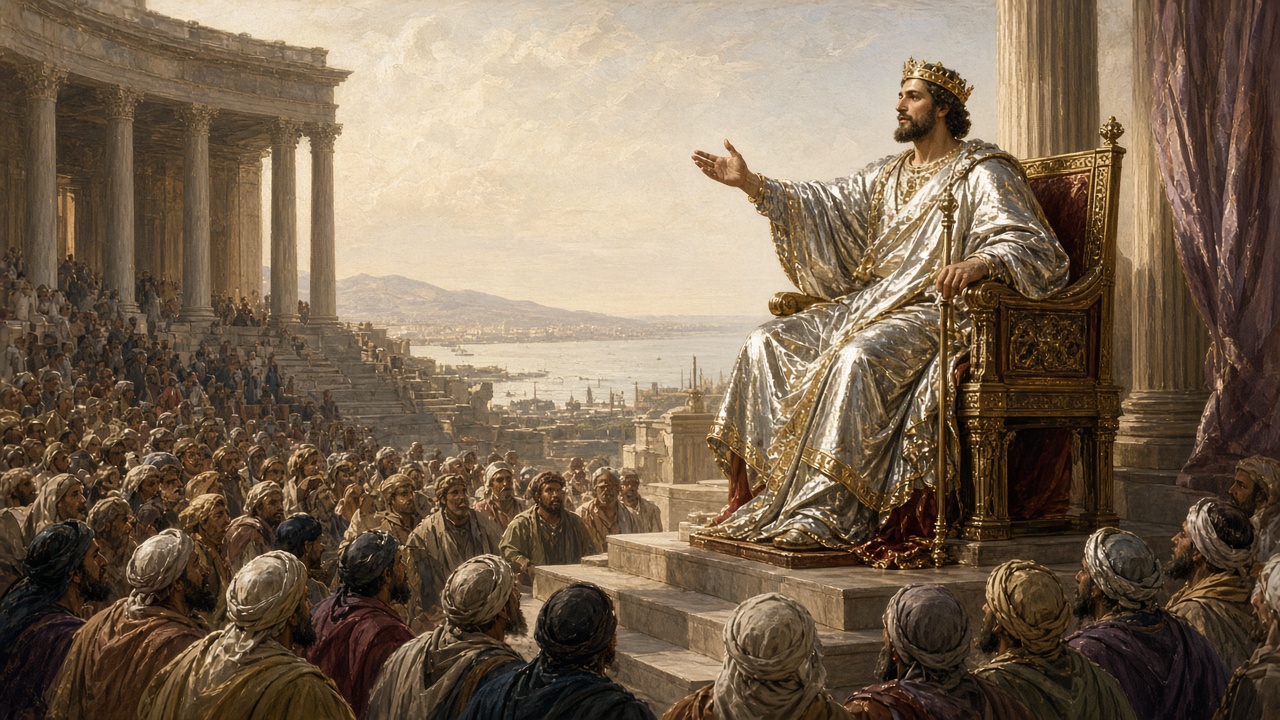
- El rey Herodes de este capítulo es Herodes Agripa I, nieto de Herodes el Grande, que con el tiempo llegó a poseer todo el reino de su abuelo y el título de rey. Hizo matar a Santiago y encarceló a Pedro. El Diccionario Bíblico de Easton (1897) dice que, en el segundo día de una fiesta en honor del emperador Claudio, Agripa apareció en el gran teatro de Cesarea con magníficas vestiduras de plata; era temprano, y los rayos del sol deslumbraban a quienes lo veían.Fuentes: Herod Agrippa I · el propio texto bíblico
- El Santiago muerto a espada era Santiago, hijo de Zebedeo, hermano del apóstolo Juan, un pescador que había trabajado como socio de Pedro. El Diccionario Bíblico de Easton (1897) lo presenta como el primero de los apóstoles en ser muerto y dice que Herodes Agripa lo hizo decapitar. El Santiago a quien Pedro pide que se avise a los creyentes es otro hombre: el mismo diccionario lo identifica como el Santiago que encabezaba la iglesia en Jerusalén.Fuentes: James (Son of Zebedee) · James (Brother of Jesus) · el propio texto bíblico
- Cuando comprendió que estaba libre, Pedro fue a la casa de María, madre de Juan Marcos, en Jerusalén, que el Diccionario Bíblico de Easton (1897) llama lugar habitual de reunión de los discípulos; mucha gente estaba reunida allí orando. La sirvienta que acudió a la puerta exterior se llamaba Rode, nombre que significa una rosa; llena de alegría al oír su voz, corrió adentro para anunciarlo y olvidó abrir la puerta. Juan, llamado también Marcos, era hijo de María —Marcos, su nombre romano, poco a poco reemplazó al nombre judío Juan— y más tarde salió de Jerusalén con Bernabé y Saulo.Fuentes: Mary (Mother of John Mark) · Rhoda · John Mark · el propio texto bíblico
Notas escritas con ayuda de IA a partir de fuentes abiertas (Theographic Bible Metadata, CC BY-SA 4.0; Easton’s Bible Dictionary, dominio público) y revisadas antes de publicarse.
Lugares de este capítulo
- Caesarea · Hoy: Caesarea Maritima · 32.500, 34.892 · versículo 19
- Judea · Hoy: Judea 1 · 31.777, 35.234 · versículo 19
- Sidon · Hoy: Sandikli archaeological site in Sidon · 33.561, 35.372 · versículo 20
- Tyre · 33.271, 35.196 · versículo 20
- Jerusalem · 31.777, 35.234 · versículo 25
Solo aparecen lugares identificados con alta confianza (90 % o más según las fuentes académicas reunidas por OpenBible). Mapa de la época: DARE (Digital Atlas of the Roman Empire), CC BY 4.0; mapa actual: © colaboradores de OpenStreetMap; lugares: OpenBible.info (CC BY 4.0).
Créditos y licencia de esta traducción
Viakʼla txumbʼal u tioxh
New Testament in Ixil Cotzal; ixl (GT:ixl:Ixil)
copyright © 2001 Wycliffe Bible Translators, Inc.
Language: Ixil
Dialect: Cotzal
Translation by: Wycliffe Bible Translators, Inc.
Copyright Information
© 2001, Wycliffe Bible Translators, Inc. All rights reserved.
This translation text is made available to you under the
terms of the Creative Commons License: Attribution-Noncommercial-No Derivative Works.
( http://creativecommons.org/licenses/by-nc-nd/3.0/ )
In addition, you have permission to port the text to different file formats, as long as you
do not change any of the text or punctuation of the Bible.
You may share, copy, distribute, transmit, and extract portions
or quotations from this work, provided that you include the above copyright
information:
You must give Attribution to the work.
You do not sell this work for a profit.
You do not make any derivative works that change any of the actual words or punctuation of the Scriptures.
Permissions beyond the scope of this license may be
available if you contact
us with your request.
The New Testament
in Ixil
© 2001, Wycliffe Bible Translators, Inc. All rights reserved.
This translation is made available to you under the terms of the
Creative Commons Attribution-Noncommercial-No Derivatives license 4.0.
You may share and redistribute this Bible translation or extracts from it in any format, provided that:
You include the above copyright and source information.
You do not sell this work for a profit.
You do not change any of the words or punctuation of the Scriptures.
Pictures included with Scriptures and other documents on this site are licensed just for use with those Scriptures and documents.
For other uses, please contact the respective copyright owners.
2014-04-25
Fuente: http://ebible.org/ixlCNT/ · eBible.org