Romanos 16
Ʉbhʉragɨ Ubhuhya Mʉkɨgambʉ chi Ikikiizʉ · Toca un versículo para ver sus referencias cruzadas.
Paaurʉ aratʉma amakeerenʼya kʉbhaatʉ bhʉbhʉʉsi
1Nereenda kotondya umusubhaati wɨɨtʉ Fibhi kwa niimwɨ. Ewe, ne‑mohocha wa risengerero rɨnʉ rɨrɨ mʉrʉbhɨri rwa Kɨnkireya. 2Nɨrasabha mumuginihyɨ bhwaheene, kʉ kʉbha wʉʉsi ni‑mwisirirya wʉ Ʉmʉkʉrʉ Yɨɨsu. Mumuginihyɨ chɨmbu ikwenderwa gatɨ wa abharɨndu bha Mungu. Na nɨrasabha, mʉmʉsakiryɨ na chʉchʉsi kɨnʉ akwenda, kʉ kʉbha wʉʉsi asakiiryɨ abhaatʉ bhaaru, na niinyɨ waku.
3Mokeerye Pirisiira na Akiira. Bhayo, nɨ‑bhahocha abhakɨndichanɨ momeremo ja Yɨɨsu Kiriisitʉ, 4na bhaarɨ haguhɨ kurimirya ubhwikari bhwabhʉ igʉrʉ waanɨ. Ɨtarɨ inyimwene wʉnʉ nikubhuga bhazʉmiryɨ, nawe na abhiisirirya bhanʉ bhatarɨ Abhayaahudi mʉmasengerero gʉʉsi, bharabhuga bhazʉmiryɨ bhʉkʉngʼu. 5Na mokeerye abhaatʉ bha risengerero bhanʉ bhari munyumba yaabhʉ.
Mokeerye ʉmʉsɨɨgwa waanɨ Ɨpaineeto. Ewe newe aakangatirɨ kwisirirya Kiriisitʉ mucharʉ cha Asiya.
6Mokeerye Mariyamu wʉnʉ aahʉchiryɨ emeremo kumucha igʉrʉ waanyu. 7Mokeerye Andurʉnikʉ na Yuniya. Bhayo, nɨ‑Bhayaahudi abhakɨndichanɨ bhanʉ bhaabhʉhirwɨ hamwɨmwɨ na niinyɨ. Bhakankangatɨra kwisirirya Kiriisitʉ, na bharasuukwa bhʉkʉngʼu gatɨ wa abhatumwa.
8Mokeerye ʉmʉsɨɨgwa waanɨ Ampuriyatʉ, umwisirirya wʉ Ʉmʉkʉrʉ Yɨɨsu Kiriisitʉ. 9Mokeerye Urubhanʉ, omohocha ʉmʉkɨndichɨtʉ momeremo ja Kiriisitʉ, nʉ ʉmʉsɨɨgwa waanɨ Sitakisi.
10Mokeerye Apeere. Ewe aarɨ moheene mubhitiimotiimo bhyaru na akiisiriribhwa na Kiriisitʉ. Na mokeerye abhaatʉ bha Arisitʉbhurʉ. 11Mokeerye Hɨrʉdiyʉni, Ʉmʉyaahudi ʉmʉkɨndichanɨ. Mokeerye abhaatʉ bha Narikisʉ bhanʉ bhakwisirirya Ʉmʉkʉrʉ Yɨɨsu Kiriisitʉ. 12Mokeerye Tirifaina na Tirifosa. Abhakari bhayo bharakaja bhʉkʉngʼu kokora emeremo jʉ Ʉmʉkʉrʉ Yɨɨsu Kiriisitʉ. Na mokeerye ʉmʉsɨɨgwa waanɨ Pɨrisiisi. Wʉnʉ wʉʉsi nɨ‑mʉkari wʉnʉ ikʉngʼɨɨrɨɨryɨ bhʉkʉngʼu kokora emeremo jʉ Ʉmʉkʉrʉ Yɨɨsu Kiriisitʉ.
13Mokeerye Ruufʉ, omorobhorwa wʉ Ʉmʉkʉrʉ Yɨɨsu Kiriisitʉ, hamwɨmwɨ na unina. Unina wuyo akansakirya ncha yiiya umwibhuri. 14Mokeerye na Asinkiritʉ, Furɨgʉni, Hɨrimɨ, Patirobha, Hɨrima na abhiisirirya bhʉʉsi bhanʉ bharɨ hamwɨmwɨ nabhʉ.
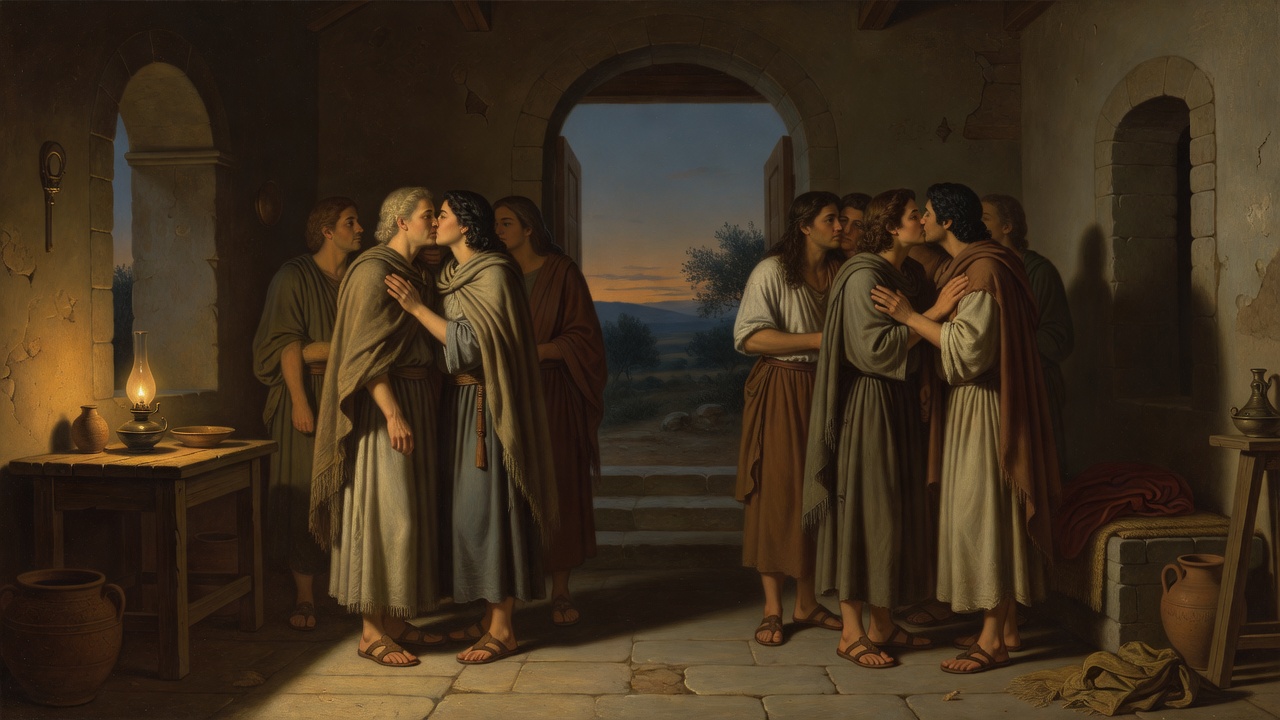
15Mʉtɨnɨrʉ, mokeerye Firorogo na Yuriya, Nereya nu umusubhaati waazɨ, na Ʉrimpa, hamwɨmwɨ na abharɨndu bha Mungu hʉʉsi bhanʉ bharɨ hamwɨmwɨ nabhʉ. 16Mwikeerye kʉbhʉsɨɨgi bhwa Kiriisitʉ. Abhaatʉ bha amasengerero gʉʉsi ga Kiriisitʉ, bharabhakeerya.
Paaurʉ arahama abhiisirirya
17Nangʉ, abhahiiri bhaanɨ, nɨrabhasabha, mʉbhɨ mɨɨsʉ na abhaatʉ bhanʉ bhakoreeta ʉbhʉtaamanʼya gatɨ wa abhiisirirya. Abhaatʉ bhayo bhareenda kʉsarya ubhwisirirya bhwa abhaatʉ, na kwanga amiija ganʉ mwijibhwɨ. Mwikarɨ kore nabhʉ! 18Abhaatʉ bhe eteemwa yiyo bhatakohokerya Kiriisitʉ, Ʉmʉkʉrʉ wɨɨtʉ, nawe kɨnʉ bhakwenda ni‑kutuna umwʉyʉ gwabhʉ abheene. Bharagamba amangʼana amazʉmu go okozomera, nawe bharakangirirya abhiisirirya bhanʉ bhatakwisega ʉbhʉbhɨ bhwʉbhwʉsi.
19Abhaatʉ bhʉʉsi bhiigwirɨ chɨmbu mukwigwa Ʉmʉkʉrʉ Yɨɨsu, ringʼana riyo rɨranzomera bhʉkʉngʼu. Nawe, nereenda mʉbhɨ nu ubhwʉbhʉʉri bhʉkʉngʼu ko kokora amangʼana amazʉmu, na mʉtabha ni isoro ryʉryʉsi ko kokora amabhɨ.
20Mungu wʉnʉ akʉbhaha omorembe, aramʉtazɨra haasɨ Shɨtaani haguhɨbhu, na kʉbhaha ubhuhiza igʉrʉ waazɨ. Ɨbhɨgʉngi bhyʉ Ʉmʉkʉrʉ wɨɨtʉ Yɨɨsu Kiriisitʉ bhɨbhɨ hamwɨmwɨ na niimwɨ. [Garamɨ.]
21Timoseo, omohocha ʉmʉkɨndichanɨ, arabhakeerya. Na Abhayaahudi abhakɨndichanɨ Rukiyʉ, Yasʉʉni na Sʉsipatirʉ, bharabhakeerya. 22Nʉʉrʉ inyɨ Tɨritiyʉ, umwandiki wa amangʼana gɨ ɨnyarʉbha yɨnʉ ya Paaurʉ, nɨrabhakeerya kuriina ryʉ Ʉmʉkʉrʉ Yɨɨsu. 23Gaayo wʉnʉ inyɨ Paaurʉ nikwikara ɨwaazɨ, na wa abhaatʉ bha risengerero bhanʉ bhari munyumba yaazɨ, arabhakeerya. Ɨraasitʉ, umubhiiki wa zimpirya zʉ ʉrʉbhɨri rʉnʉ, nu umwisirirya ʉmʉkɨndichɨtʉ Kwaritʉ bharabhakeerya.
[ 24Ʉrʉbhangʉ rwʉ Ʉmʉkʉrʉ wɨɨtʉ Yɨɨsu Kiriisitʉ rʉbhɨ hamwɨmwɨ na niimwɨ. Garamɨ.]
Paaurʉ arakumya Mungu
25Nangʉ, tukumyɨ Mungu! Ewe aratʉra kʉbhakora mʉbhɨ mʉranaga mubhwisirirya bhwanyu, kʉhɨtɨra Ɨngʼana Ɨnzʉmu igʉrʉ wa Yɨɨsu Kiriisitʉ yɨnʉ naarɨ nikurwaza kwa niimwɨ. Ɨngʼana yiyo yaarɨ yiibhisirɨ ɨkarɨ, 26nawe nangwɨnʉ, ɨtɨɨrwɨ habhwɨrʉ, na kʉhɨtɨra mʉMaandɨkʉ Amarɨndu ga abharʉʉtɨrɨri, ɨngʼana yiyo ɨmɨnyɨkɨɨnɨ kʉbhaatʉ bhi ibhyarʉ bhyʉsi mʉʉsɨ. Mungu wa kemerano newe aswajiryɨ ɨngʼana yiyo ɨraarikwɨ kʉbhaatʉ bhʉʉsi, korereke bhʉʉsi bhiisiriryɨ na kʉsʉʉka Ʉmʉkʉrʉ Yɨɨsu.
27Mungu umwene newe wu ubhwʉbhʉʉri bhwʉsi. Ewe newe akumibhwɨ kemerano, kʉnzɨra ya Yɨɨsu Kiriisitʉ! Garamɨ.
¿Sabías que…?
Saludos a la iglesia en Roma
- Pablo recomienda a Febe, sierva de la iglesia en Cencrea, y pide a los destinatarios en Roma que la reciban bien y la ayuden en lo que necesite, porque ha sido de gran ayuda para mucha gente, incluido él. Cencrea era el puerto oriental de Corinto, a unas nueve millas al este de la ciudad y la salida de su comercio con las costas asiáticas del Mediterráneo; el Easton's Bible Dictionary (1897) dice que ella probablemente fue quien llevó esta carta.Fuentes: el propio texto bíblico · Phebe · Cenchreae
- Pablo saluda a Prisca y a Aquila, sus colaboradores en Cristo Jesús, que arriesgaron la vida por él, y también a la iglesia que se reúne en su casa; dice que no solo él, sino todas las iglesias de los gentiles les están agradecidas. El Easton's Bible Dictionary (1897) la llama Priscila y describe a Aquila como fabricante de tiendas, natural del Ponto, que con su esposa dejó Roma a causa de un decreto de Claudio, en el año 50 d. C., que ordenaba a todos los judíos salir de la ciudad; el nombre de ella a veces aparece antes que el de él, como aquí.Fuentes: el propio texto bíblico · Priscilla · Aquila
- Cerca del final, Tercio, quien puso la carta por escrito, añade su propio saludo. Gayo, que ha hospedado a Pablo y a toda la iglesia, también envía saludos, al igual que Erasto, el tesorero de la ciudad, y Cuarto.Fuentes: el propio texto bíblico
Notas escritas con ayuda de IA a partir de fuentes abiertas (Theographic Bible Metadata, CC BY-SA 4.0; Easton’s Bible Dictionary, dominio público) y revisadas antes de publicarse.
Lugares de este capítulo
Solo aparecen lugares identificados con alta confianza (90 % o más según las fuentes académicas reunidas por OpenBible). Mapa de la época: DARE (Digital Atlas of the Roman Empire), CC BY 4.0; mapa actual: © colaboradores de OpenStreetMap; lugares: OpenBible.info (CC BY 4.0).
Créditos y licencia de esta traducción
Ʉbhʉragɨ Ubhuhya Mʉkɨgambʉ chi Ikikiizʉ
Ikizu: Ʉbhʉragɨ Ubhuhya Mʉkɨgambʉ chi Ikikiizʉ (New Testament+) for Tanzania
copyright © 2024 Wycliffe Bible Translators, Inc.
Language: (Ikizu)
Contributor: Wycliffe USA
This translation is made available to you under the terms of the
Creative Commons Attribution Share-Alike license 4.0.
You have permission to share and redistribute this Bible translation in any format and to make reasonable revisions and adaptations of this translation, provided that:
You include the above copyright and source information.
If you make any changes to the text, you must indicate that you did so in a way that makes it clear that the original licensor is not necessarily endorsing your changes.
If you redistribute this text, you must distribute your contributions under the same license as the original.
Pictures included with Scriptures and other documents on this site are licensed just for use with those Scriptures and documents.
For other uses, please contact the respective copyright owners.
Note that in addition to the rules above, revising and adapting God's Word involves a great responsibility to be true to God's Word. See Revelation 22:18-19.
2025-05-03
Fuente: http://ebible.org/ikz/ · eBible.org