Juan 17
Ʉbhʉragɨ Ubhuhya Mʉkɨgambʉ chi Ikikiizʉ · Toca un versículo para ver sus referencias cruzadas.
Yɨɨsu arasabha Mungu
1Hanʉ Yɨɨsu aamarirɨ kʉgamba gayo, akarangamɨra kwisaarʉ, akasabha, “Bhaabha, ribhaga rihikirɨ. Ʉgʉngyɨ Umwana waazʉ, korereke Umwana wʉʉsi akʉgʉngyɨ. 2Ʉmʉhɨɨrɨ ʉbhʉnaja bhwʉ ʉkʉkangata abhaatʉ, korereke bhʉʉsi bhanʉ ʉmʉhɨɨrɨ abhahɨ ʉbhʉhʉru bhwa kemerano. 3Ʉbhʉhʉru bhwa kemerano nebhwe bhʉnʉ, abhaatʉ bhakomenye awɨ, Mungu umwenebhu wa amaheene, na bhamenye Yɨɨsu Kiriisitʉ, wʉnʉ watumirɨ kwabhʉ. 4Inyɨ nikugungiryɨ kʉbhaatʉ bhʉʉsi kʉʉsɨ, kʉhɨtɨra momeremo gɨnʉ wangʼɨɨrɨ kokora. 5Bhaabha, nɨrasabha ungungyɨ, ʉbhʉgʉngʉ bhʉnʉ naarɨ nabhwɨ hanʉ twarɨ hamwɨmwɨ, ribhaga ɨɨsɨ ɨkɨɨrɨ kubhumbwa.
Yɨɨsu arasabhɨra abhɨɨga bhaazɨ
6“Bhaabha, nɨkʉrirɨ omenyekanɨ chɨmbu awɨ ʉrɨ kʉbhaatʉ bhanʉ wangʼɨɨrɨ kʉʉsɨ kʉnʉ. Bhaarɨ abhaazʉ, ʉkangʼa inyɨ. Na bhagwatirɨ ɨngʼana yaazʉ. 7Nangʉ bhʉʉbhʉʉrirɨ kʉbha, ebhegero bhyʉsi bhɨnʉ wangʼɨɨrɨ, bhiruurɨ kwa naawɨ. 8Nɨbhabhuuriirɨ ganʉ wambuuriirɨ, bhʉʉsi bhagasʉngʼaanirɨ. Bhɨɨzɨ amaheene kʉbha nɨkarwa kwa naawɨ, na bhiisiriiryɨ kʉbha, naawɨ wantumirɨ. 9Nɨrabhasabhɨra bhayo abheene. Nɨtakʉsabhɨra abhaatʉ bhʉʉsi, nawe nɨrabhasabhɨra bhanʉ wangʼɨɨrɨ, kʉ kʉbha nebho abhaazʉ. 10Abhaatʉ abhaanɨ bhʉʉsi na abhaazʉ, na abhaazʉ nɨ‑bhaanɨ. Ʉbhʉgʉngʉ bhwanɨ bhuhumbwirwɨ kʉbhaatʉ kʉhɨtɨra kwabhʉ. 11Inyɨ nɨraaza kwa naawɨ, nɨtakʉbha naatu mʉʉsɨ mʉnʉ. Nawe ebho bharabha mʉʉsɨ mʉnʉ. Bhaabha Ʉmʉrɨndu, nɨrakʉsabha ʉbhariibhɨ kʉhɨtɨra ʉbhʉnaja bhwi iriina ryazʉ rɨnʉ ʉngʼɨɨrɨ, korereke bhabhɨ kegero kɨmwɨ chɨmbu inyɨ na naawɨ tʉrɨ kegero kɨmwɨ. 12Hanʉ naarɨ hamwɨmwɨ nabhʉ nɨkabhariibha kʉbhʉnaja bhwi iriina ryazʉ rɨnʉ wangʼɨɨrɨ. Nɨbhaangariirɨ bhwaheene na atareeho nʉʉrʉ wʉmwɨ wʉnʉ aarimiirɨ, kuruushaku wʉnʉ akwenderwa kurichwa, korereke gabhɨ ganʉ gaandikirwɨ mʉMaandɨkʉ Amarɨndu.
13“Mmbe, nangʉ nɨraaza kwa naawɨ. Nɨragamba gʉʉsi gayo kwa abhɨɨga bhaanɨ nɨkɨɨrɨ nɨrɨ kʉʉsɨ, korereke obhozomerwa bhwanɨ bhuhikɨ mozekoro zaabhʉ. 14Nɨbhabhuuriirɨ Ɨngʼana yaazʉ. Nawe abhaatʉ bha kʉʉsɨ bharabhabhiihirirwa, kʉ kʉbha ebho bhatarɨ bha kʉʉsɨ, chɨmbu inyɨ nɨtarɨ wa kʉʉsɨ. 15Inyɨ nɨtakʉsabha ʉbharuushɨ mʉʉsɨ mʉnʉ, nawe ʉbhasabhʉrɨ kurwa kwa Shɨtaani. 16Bhatarɨ bhɨ ɨɨsɨ chɨmbu inyɨ nɨtarɨ wɨ ɨɨsɨ. 17Ʉbhakore kʉbha abhaatʉ bhaazʉ kɨmwɨkɨmwɨ koheene yaazʉ, kʉ kʉbha ringʼana ryazʉ neryo eheene. 18Chɨmbu wantumirɨ inyɨ kʉʉsɨ, ɨbhuɨbhu na niinyɨ nɨbhatumirɨ ebho kʉʉsɨ. 19Niihuruchiryɨ kokohokerya awɨ igʉrʉ waabhʉ, korereke bhʉʉsi bhabhɨ kwa naawɨ heeneheene.
Yɨɨsu arabhasabhɨra bhanʉ bhakumwisirirya
20“Nɨtakʉbhasabhɨra abheenebhu, nawe nɨrabhasabhɨra na bhʉʉsi bhanʉ bhakuuza kunyiisirirya, igʉrʉ wa ganʉ abhɨɨga bhaanɨ bhakwija. 21Nɨrasabha bhayo bhabhɨ kegero kɨmwɨ. Bhaabha, nɨrasabha bhabhɨ kwa niitwɨ, chɨmburya awɨ ʉrɨ kwa niinyɨ, na niinyɨ nɨrɨ kwa naawɨ. Bhʉʉsi bhabhɨ kwa niitwɨ, korereke abhaatʉ bhɨ ɨɨsɨ bhiisiriryɨ kʉbha naawɨ wantumirɨ. 22Ʉbhʉgʉngʉ bhʉnʉ wangʼɨɨrɨ, nɨbhahɨɨrɨ abhɨɨga bhaanɨ, korereke bhabhɨ kegero kɨmwɨ, chɨmbu inyɨ na naawɨ tʉrɨ kegero kɨmwɨ. 23Inyɨ nɨrɨ kwebho, na naawɨ ʉrɨ kwa niinyɨ, korereke bhanagɨ mukigwatani chabhʉ. Abhaatʉ bha kʉʉsɨ bhamenye kʉbha naawɨ wantumirɨ, na bhamenye kʉbha ʉbhasɨɨgirɨ chɨmbu ʉnsɨɨgirɨ.
24“Bhaabha, nereenda bhanʉ ʉngʼɨɨrɨ bhabhɨ hamwɨmwɨ na niinyɨ hʉhʉʉsi hanʉ nɨkʉbha, korereke bhabhorore ʉbhʉgʉngʉ bhwanɨ bhʉnʉ wangʼɨɨrɨ, kʉ kʉbha ʉkansɨɨga ʉkɨɨrɨ kʉbhʉmba ɨɨsɨ. 25Bhaabha we eheene, abhaatʉ bhɨ ɨɨsɨ yɨnʉ bhatakwɨzɨ. Nawe inyɨ nikwɨzɨ, na abhɨɨga bhaanɨ bhɨɨzɨ kʉbha naawɨ wantumirɨ. 26Inyɨ nibhiijiryɨ chɨmbu awɨ ʉrɨ, na nɨrakaja kokorabhu, korereke ʉbhʉsɨɨgi bhʉnʉ ʉnabhwɨ kwa niinyɨ, bhʉbhɨ kwabhʉ, na niinyɨ nɨbhɨ kwabhʉ.”
¿Sabías que…?
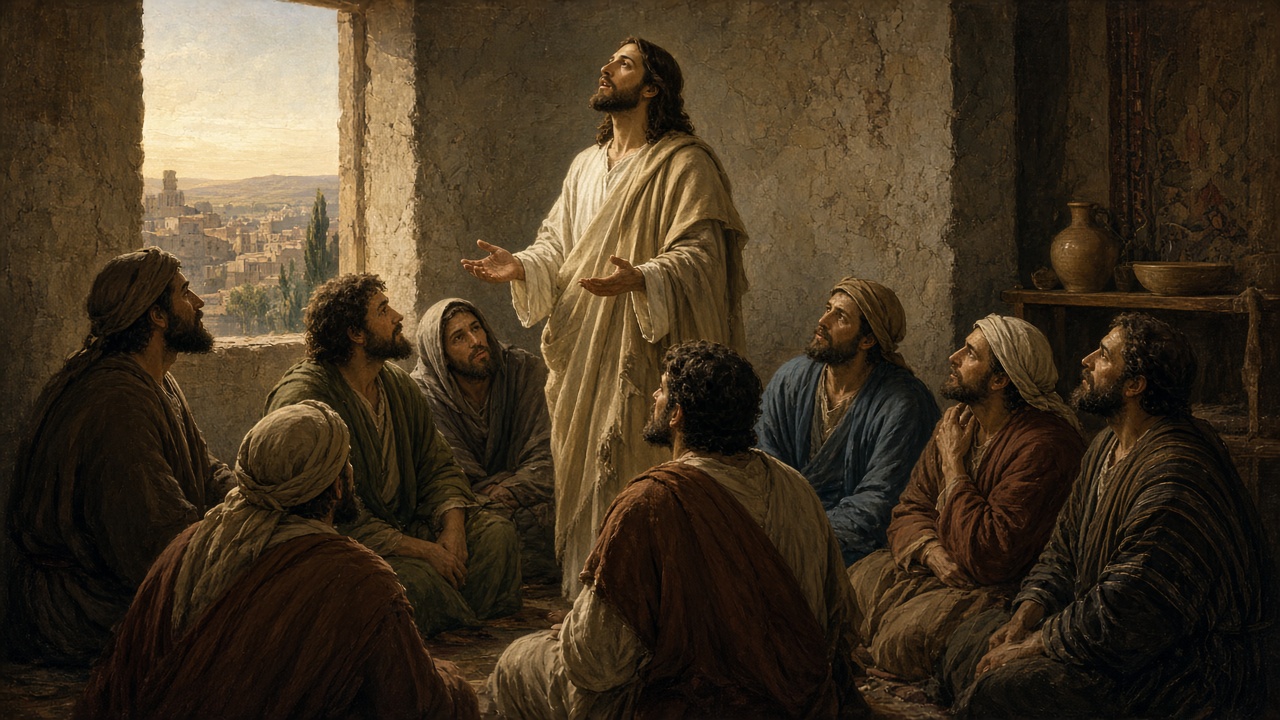
Juan 17: ha llegado la hora
- La oración comienza cuando Jesús, después de haber dicho estas cosas, alza los ojos al cielo y dice que ha llegado la hora. Se asocia con el Discurso del Aposento Alto, indicado como un día, y con la Semana Santa, indicada como ocho días.Fuentes: el propio texto bíblico · Upper Room Discourse · Holy Week
- Aquí la vida eterna es conocer al único Dios verdadero y a Jesucristo, a quien el Padre envió. Jesús también habla de la gloria que tenía con el Padre antes de que existiera el mundo y del amor del Padre por él antes de la fundación del mundo.Fuentes: el propio texto bíblico
- Ora por quienes el Padre le dio del mundo, los que han guardado la palabra, y también por quienes creerán por medio del mensaje de ellos, pidiendo que sean uno. No pide que sean sacados del mundo, sino que sean guardados del maligno y santificados por la verdad, que identifica como la palabra del Padre.Fuentes: el propio texto bíblico
Notas escritas con ayuda de IA a partir de fuentes abiertas (Theographic Bible Metadata, CC BY-SA 4.0; Easton’s Bible Dictionary, dominio público) y revisadas antes de publicarse.
Créditos y licencia de esta traducción
Ʉbhʉragɨ Ubhuhya Mʉkɨgambʉ chi Ikikiizʉ
Ikizu: Ʉbhʉragɨ Ubhuhya Mʉkɨgambʉ chi Ikikiizʉ (New Testament+) for Tanzania
copyright © 2024 Wycliffe Bible Translators, Inc.
Language: (Ikizu)
Contributor: Wycliffe USA
This translation is made available to you under the terms of the
Creative Commons Attribution Share-Alike license 4.0.
You have permission to share and redistribute this Bible translation in any format and to make reasonable revisions and adaptations of this translation, provided that:
You include the above copyright and source information.
If you make any changes to the text, you must indicate that you did so in a way that makes it clear that the original licensor is not necessarily endorsing your changes.
If you redistribute this text, you must distribute your contributions under the same license as the original.
Pictures included with Scriptures and other documents on this site are licensed just for use with those Scriptures and documents.
For other uses, please contact the respective copyright owners.
Note that in addition to the rules above, revising and adapting God's Word involves a great responsibility to be true to God's Word. See Revelation 22:18-19.
2025-05-03
Fuente: http://ebible.org/ikz/ · eBible.org