Gálatas 6
Ʉbhʉragɨ Ubhuhya Mʉkɨgambʉ chi Ikikiizʉ · Toca un versículo para ver sus referencias cruzadas.
Ukwiyangʉra na kokora amazʉmu
1Abhahiiri bhaanɨ, mʉrangʼurɨ ʉmʉkɨndichanyu asariryɨ, imwɨ bhanʉ mʉkʉkangatwa ne Ekoro Ɨndɨndu, momoreche na mʉmʉgaruchɨ kwa bhʉnyʉʉhu. Nawe mwiyangarɨrɨ, mʉtaaza imwʉsi kogemwa. 2Mwiyangʉrɨ imirigʉ, hayo neho mukuhicha imigirʉ ja Kiriisitʉ. 3Mmbe, ʉmʉʉtʉ wʉwʉʉsi wʉnʉ akwirora ane enzobhooro kʉkɨra abhakɨndichazɨ, wuyo ataana nzobhooro yʉyʉʉsi, ariikangirirya umwene. 4Itwʉsi torore zeteemwa zɨɨtʉ itubheene. Arɨɨbhɨ ʉmʉʉtʉ arakora amazʉmu, hayo aratʉra kwikumirya amangʼana amazʉmu ganʉ akʉrirɨ. Nawe atiirɨngʼaanʼya na amangʼana ganʉ ʉmʉʉtʉ ʉwʉndɨ akʉrirɨ, 5kʉ kʉbha itwʉsi tʉragega imirigʉ jɨtʉ itubheene.
6Ʉmʉʉtʉ wʉnʉ akwigibhwa ɨngʼana ya Mungu, amosondere umwija waazɨ ebhegero ɨbhɨzʉmu bhɨnʉ abhwɨnɨ. 7Mutiikangirirya, Mungu atahaaregwa. Kɨnʉ ʉmʉʉtʉ akʉhamba, necho araagese. 8Wʉnʉ akutuna isimʉka yʉ ʉbhʉbhɨ, aragesa ukurichwa kurwa kusimʉka yʉ ʉbhʉbhɨ. Nawe wʉnʉ akutuna Ekoro Ɨndɨndu, aragesa ʉbhʉhʉru bhwa kemerano kurwa kwe Ekoro Ɨndɨndu. 9Na tʉtaniha kokora amazʉmu, kʉ kʉbha turiigumiriryɨ kokora amazʉmu, ribhaga rɨraahikɨ tʉragesa bhwaheene. 10Mmbe, hanʉ toreebhone umweya, tokorere abhaatʉ bhʉʉsi amazʉmu, kɨnda abhiisirirya abhakɨndichɨtʉ.
Ameerekenʼyʉ gʉ ʉkʉmariirya
11Morore chɨmbu nandikirɨ amaandɨkʉ amakʉrʉ, kʉhɨtɨra okobhoko kwanɨ inyimwene. 12Abhaatʉ bhayo bhakʉbhahatɨka imwɨ mʉsaarwɨ, korereke bhasuukwɨ na Abhayaahudi. Nebho bhakwenda bhatanyaakibhwa igʉrʉ wu ukurwaza ɨngʼana yu uruku rwa Kiriisitʉ kʉmʉsarabha. 13Na bhanʉ bhasaarirwɨ abheene, bhatakugwata imigirʉ jʉsi. Kɨnʉ bhakwenda nɨ‑kʉbha imwɨ mʉsaarwɨ, korereke bhiikumiryɨ ɨsaarʉ yɨ ɨmɨbhɨrɨ janyu.
14Nawe inyɨ nɨtakwenda kwikumirya ingʼana ryʉryʉsi, kuruushaku uruku rwʉ Ʉmʉkʉrʉ wɨɨtʉ Yɨɨsu Kiriisitʉ kʉmʉsarabha. Kʉhɨtɨra uruku rwazɨ, amangʼana gʉʉsi gɨ ɨɨsɨ gataana nzobhooro kwa niinyɨ. Akuurɨ nu ubhwikari bhwanɨ bhwɨ ɨkarɨ kʉmʉsarabha. 15Kʉsaarwa hamwɨ kʉtama kʉsaarwa, ɨtaana nzobhooro yʉyʉʉsi. Ekegero ɨkɨkʉrʉ ni kubhumbwa bhuhya na Mungu. 16Omorembe nɨ ɨbhɨgʉngi bhɨbhɨ na abhaatʉ bhʉʉsi bhanʉ bhakokora amaheene gayo, bhayo nebho abharɨndu bha Mungu.
17Mmbe kwɨma nangwɨnʉ ʉmʉʉtʉ wʉwʉʉsi atanyaacha, kʉ kʉbha inyɨ nɨna zɨkaamʉ kʉmʉbhɨrɨ gwanɨ igʉrʉ wo okohokerya Yɨɨsu. 18Abhahiiri bhaanɨ, ɨbhɨgʉngi bhyʉ Ʉmʉkʉrʉ wɨɨtʉ Yɨɨsu Kiriisitʉ bhɨbhɨ hamwɨmwɨ na niimwɨ. Garamɨ.
¿Sabías que…?
Cargas, la cosecha y la cruz
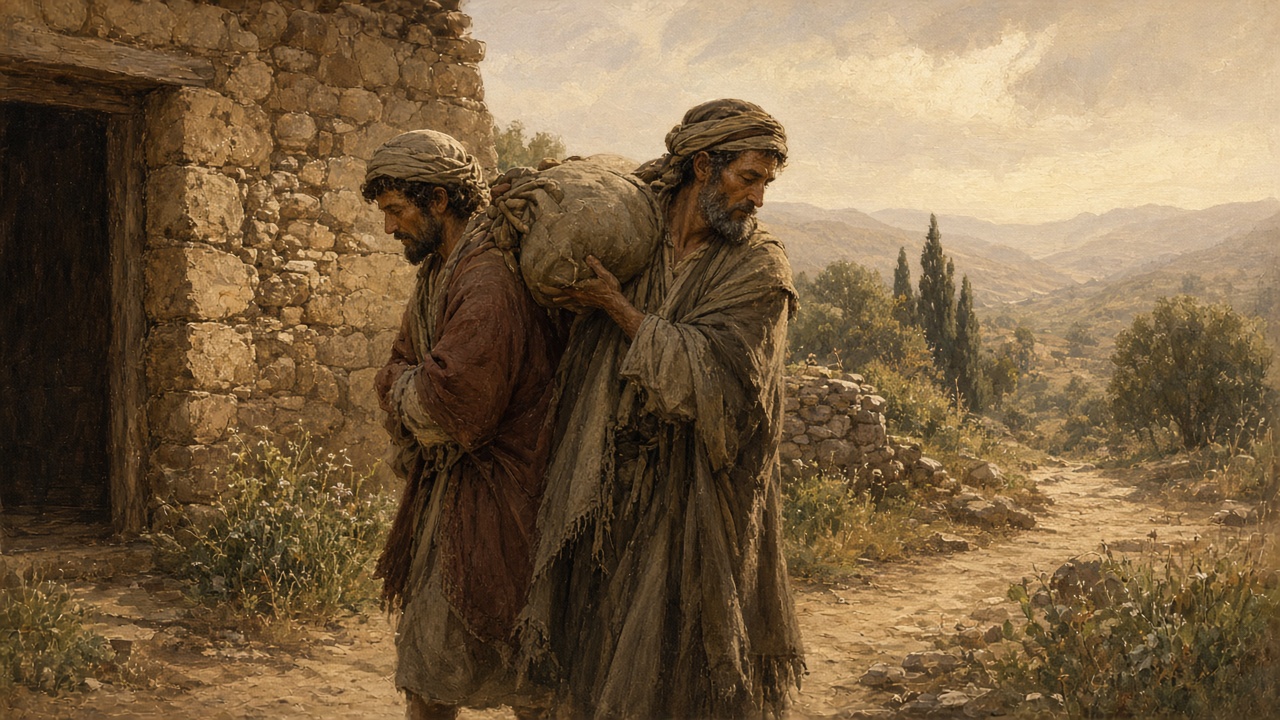
- El capítulo pone dos deberes uno al lado del otro. Los que son espirituales deben restaurar con mansedumbre a quien sea sorprendido en una transgresión y llevar las cargas unos de otros, lo que la carta llama cumplir la ley de Cristo. Cada uno, sin embargo, debe examinar su propia obra y llevar su propia carga, en lugar de creerse algo cuando no es nada y gloriarse por comparación con otra persona.Fuentes: el propio texto bíblico
- El autor usa la imagen de la siembra y la cosecha: Dios no se deja burlar, y cada uno cosecha lo que siembra. Quien siembra para agradar a la carne, de la carne cosecha destrucción; quien siembra para agradar al Espíritu, del Espíritu cosecha vida eterna. Se exhorta a los lectores a no cansarse de hacer el bien, pues a su debido tiempo cosecharán si no desisten, y a hacer el bien a todos, especialmente a la familia de la fe.Fuentes: el propio texto bíblico
- El autor llama la atención sobre las letras grandes que está usando al escribir de su propia mano. Dice que algunos intentan imponer la circuncisión para causar una buena impresión exterior, evitar la persecución por la cruz de Cristo y gloriarse en la carne de otros, aunque los circuncidados ni siquiera cumplen la ley. Pide no gloriarse jamás excepto en la cruz de nuestro Señor Jesucristo, afirma que ni la circuncisión ni la incircuncisión significan nada y que lo que importa es una nueva creación, y declara que lleva en su cuerpo las marcas de Jesús.Fuentes: el propio texto bíblico
Notas escritas con ayuda de IA a partir de fuentes abiertas (Theographic Bible Metadata, CC BY-SA 4.0; Easton’s Bible Dictionary, dominio público) y revisadas antes de publicarse.
Créditos y licencia de esta traducción
Ʉbhʉragɨ Ubhuhya Mʉkɨgambʉ chi Ikikiizʉ
Ikizu: Ʉbhʉragɨ Ubhuhya Mʉkɨgambʉ chi Ikikiizʉ (New Testament+) for Tanzania
copyright © 2024 Wycliffe Bible Translators, Inc.
Language: (Ikizu)
Contributor: Wycliffe USA
This translation is made available to you under the terms of the
Creative Commons Attribution Share-Alike license 4.0.
You have permission to share and redistribute this Bible translation in any format and to make reasonable revisions and adaptations of this translation, provided that:
You include the above copyright and source information.
If you make any changes to the text, you must indicate that you did so in a way that makes it clear that the original licensor is not necessarily endorsing your changes.
If you redistribute this text, you must distribute your contributions under the same license as the original.
Pictures included with Scriptures and other documents on this site are licensed just for use with those Scriptures and documents.
For other uses, please contact the respective copyright owners.
Note that in addition to the rules above, revising and adapting God's Word involves a great responsibility to be true to God's Word. See Revelation 22:18-19.
2025-05-03
Fuente: http://ebible.org/ikz/ · eBible.org