Romanos 15
Tẹsitamenti Ikne n'Ọnu Ikwere · Toca un versículo para ver sus referencias cruzadas.
Mee nhne jọoso ele berere // n'ọnu
1Aị ele zị rikne nụ ọkwnata mkpọma kwesiri o vuru ekperi ele zá rikne. Ọ bụ́o neeme nhne nọoso aị n'ọnu. 2Nye ọbula menu badnụ ibne a nhne bụru ọma, ke jọoso a n'ọnu, ma o wulizọ a olu lele ọro. 3Kwnornu nụ Karaịsi méne nhne jọoso ẹhni a n'ọnu, lele kpa be gbarụ a n'ọkwukwo nsọ, “Nhne iwhnerne ele naakpasị ị iwhnerne dnakwasịri m.” 4Kpakara nhne be gbarụ n'ọkwukwo nsọ n'ọbochi wheru ewhe zịnu aị, neezni aị nhne, ma a nwernu olile anya hite n'ndidi nụ ọgba inwe ke ọkwukwo nsọ nyernu aị.
5Chiokike ke neenye ndidi nụ ọgba inwe mee anụ nwernu enine ọziri n'otu kpa anụ noosno Karaịsi Jizọsi, 6ma kpakara anụ n'otu jeegweru otu ọnu znarnị Chiokike nụ Nda Nyenwe aị Jizọsi Karaịsi.
7Anụ kwubnanya ibne anụ lele kpa Karaịsi kwubnanyarnụ anụ ma anụ znarnị Chiokike. 8M naakanụ nụ Karaịsi ghọru nnwọ izi ele Ju ma o gesi ezi ọka Chiokike, mezu mkwna o kweru nda be ọknani, 9ma ele bụ́o ele Ju nyee Chiokike igwugwu kwnornu obirizi a, lele kpa be gbarụ a n'ọkwukwo nsọ,
“Ka bụ nhne me kwno znarnị ị n'esilawụru ele bụ́o ele Ju,
m jọogwnunu rẹwhna ị eri.”
10Ọ kaa, berere,
“Anụ snornu rụmu Chiokike nwụdna, anụ ele bụ́o ele Ju.”
11Ọ kaa, berere,
“Anụ ja Nyenwe aị, kpakara ele bụ́o ele Ju,
kpakara ele badnụ gwnụnu a eri ọznarni.”
12Berere kwno, Azaya karụ,
“Otu Badnụ jeehi n'ẹbnurnu Jesi va,
o jeelizọ chị kpakara mbam,
ele bụ́o ele Ju jeelekwasị a anya.”
13Kịtna, Chiokike ke olile anya gweru ovu ọso nụ udno mejite ọkwnata mkpọma anụ nụ rime a, ma olile anya anụ nooso oso hite nụ rikne Enine Nsọ.
Pọlu nye izi ele bụ́o ele Ju
14Rụmu nda m, m magwụ m nụ nhne ọma zị nụ mkpọma anụ. Anụ magwụ kpakara nhne ka nkarị nkarị, ke jeeme anụ nwernu rikne neeznitaru ẹhni anụ nhne. 15M ji m anya siri rikne gbanụ anụ ọkwukwo, ma anụ chenwanya agwna nhne, kwnornu nụ oru Chiokike nyernu m. 16Chiokike mernu m nye izi Karaịsi Jizọsi, nye nọornunu ele bụ́o ele Ju ẹrnu, nye naakwa arịohna, nọokpo okwo izi ọma Chiokike, ma ele bụ́o ele Ju bụru nhne arịohna Chiokike jeegweru, ke Enine Nsọ bịtaru nsọ.
17Kam kpayarụ, m ji m ẹrnu m naanya risi nụ rime Karaịsi Jizọsi nhne gbasịri Chiokike. 18M jóokwu nhne berere karụ nhne Karaịsi mernu hite n'aka m, o duru ele bụ́o ele Ju be bụru ele noobnonu Chiokike nsnị hite n'ikwu-ọnu m nụ ẹrnu m. 19Hite nụ rikne nhne ọgba akebne nụ ẹrnu ndu-ẹhni ke Enine Chiokike hite nụ Jerusẹlem du Ilirikom, m nọokpo okwo izi ọma gbasịri Karaịsi n'apna zuru ozu.
20Ọ bụ nhne zị nụ mkpọma m o zni izi ọma hne be nụ́na nhne gbasịri Karaịsi, ma m gharụ m o wu ọro n'olu ntụ-ẹli ọro nye berere. 21Lele kpa be gbarụ a n'ọkwukwo nsọ,
“Ele be kánnụ be nhne gbasịri a jọowhnurnu,
ele nụ́na nhne gbasịri a jọoghohia.”
22Kam kpayarụ, be kwéle me vakwnusi anụ.
Pọlu marnụ mmụma // o zne Rom
23Kọvu kịtna, ọ zá nhne me jọornu nụ kpakara ẹli ka, ọ nọogwnu m ọ whnụ anụ anya agịda awha ka. 24M jeeme kpam kịtna, m jọowhnu anụ kpa me neezne Sipeni. Anụ jeeyinu m aka n'izne m, ma me nụ anụ dazịkwole ige matị. 25Kọvu kịtna, m neezne Jerusẹlem kwnornu ele ke Chiokike zị pịi. 26Kwnornu nụ ọ masịri ọgbako Chiokike ke zị nụ Masidonia nụ Akaya o gweya nhne be jeekesi ele mboni zị n'esilawụru rụmu Chiokike ke zị nụ Jerusẹlem. 27Ọ masịri be o yinu be aka, kọvu ezi ọka zị a bụ ka, ọ bụ ẹrnu zịnu be o yinu ele mboni wam aka, kwnornu nụ ele Ju nụ ele bụ́o ele Ju neekerita ngọzi ke enine, ele bụ́o ele Ju kwesiri o kesi ele Ju ngọzi ke ẹkwnu be. 28Nga me rnụkparu ẹrnu ka, nyega be nhne be tụhiaru, m jọowhnu anụ nga me neezne Sipeni. 29M magwụ m nụ nga me jaava, m jeeji agịda ngọzi Karaịsi va.
30M naarịasno anụ, rụmu nda m, hite nụ Nyenwe aị Jizọsi Karaịsi nụ ọwhnun'anya ke Enine Nsọ, anụ snornu m kpesi okpukpe rikne nụ ruwhnu Chiokike kwnornu nhne me nọowhnu. 31Anụ kpe okpukpe ma be dọhia m n'aka ele kwé ekwe zị nụ Judiya, ma ele Chiokike zị nụ Jerusẹlem nabnarnụ ẹrnu m n'esilawụru be, 32ma hite n'echiche Chiokike, m jeeji snarnịma vakwnusi anụ, ma me nụ anụ dazịrikota nụ mkpọma ọma. 33Chiokike ke udno dazịnu kpakara anụ. Amịm.
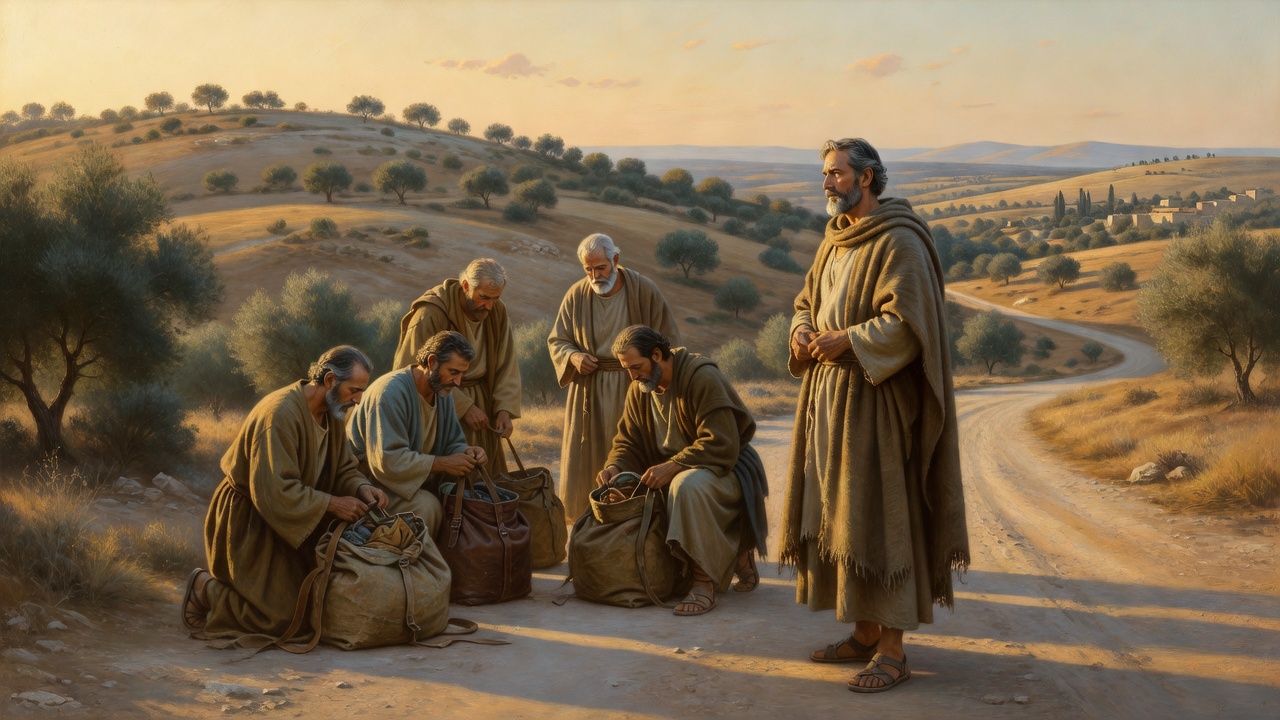
¿Sabías que…?
La esperanza de los gentiles y el camino hacia el oeste
- Pablo escribe que ha proclamado plenamente el evangelio de Cristo desde Jerusalén, dando toda la vuelta hasta Ilírico. El diccionario bíblico de Easton (1897) sitúa esa región al noroeste de Macedonia, en las costas orientales del Adriático, y la describe como entonces comprendida casi por completo en Dalmacia; dice que la recorrió en su tercer viaje misionero, que fue el distrito más lejano al que había llegado predicando, y que un viaje por Macedonia lo habría llevado hasta sus fronteras.Fuentes: el propio texto bíblico · Illyricum
- Espera ver a los creyentes de Roma de camino a España y, después de entregar en Jerusalén la contribución de Macedonia y Acaya, partir hacia España pasando por ellos. El diccionario bíblico de Easton (1897) registra esa intención, pero señala que no hay evidencia de que la haya llevado a cabo, aunque algunos piensan que probablemente lo hizo entre su primer y su segundo encarcelamiento.Fuentes: el propio texto bíblico · Spain
- Citando a Isaías, dice que la Raíz de Isaí aparecería y se levantaría para gobernar a los gentiles, y que los gentiles pondrían en él su esperanza. Isaí fue el padre de David, y el diccionario bíblico de Easton (1897) dice que la expresión raíz de Isaí se usa para el Mesías, mientras que tallo de Isaí se usa para la familia de David.Fuentes: el propio texto bíblico · Jesse
Notas escritas con ayuda de IA a partir de fuentes abiertas (Theographic Bible Metadata, CC BY-SA 4.0; Easton’s Bible Dictionary, dominio público) y revisadas antes de publicarse.
Lugares de este capítulo
- Illyricum · 43.539, 16.483 · versículo 19
- Jerusalem · 31.777, 35.234 · versículos 19, 25, 26, 27, 31
- Rome · 41.892, 12.485 · versículo 24
- Spain · Hoy: Hispania · 40.210, -4.350 · versículos 24, 28
- Achaia · 38.720, 22.540 · versículo 26
- Macedonia · 41.600, 22.540 · versículo 26
- Judea · Hoy: Judea 1 · 31.777, 35.234 · versículo 31
Solo aparecen lugares identificados con alta confianza (90 % o más según las fuentes académicas reunidas por OpenBible). Mapa de la época: DARE (Digital Atlas of the Roman Empire), CC BY 4.0; mapa actual: © colaboradores de OpenStreetMap; lugares: OpenBible.info (CC BY 4.0).
Créditos y licencia de esta traducción
Tẹsitamenti Ikne n'Ọnu Ikwere
New Testament in Ikwere
copyright © 2010 Wycliffe
Language: Ikwere
Translation by: Wycliffe
Ikwerre – (ikw) Nigeria
The Iwerre language of Nigeria can also be spelled Ikwere and Ikwerri. This language is spoken primarily by the Ikwerre people who live in the Rivers State of Nigeria and is one of the many ethnic groups in the Niger Delta. There were more than 23,000 speakers of this language in 1973. There is also a considerable local interest in literacy and grammar.
Copyright Information
© 2010, The Nigeria Bible Translation Trust. All rights reserved.
This translation text is made available to you under the
terms of the Creative Commons License: Attribution-Noncommercial-No Derivative Works.
( http://creativecommons.org/licenses/by-nc-nd/3.0/ )
In addition, you have permission to port the text to different file formats, as long as you
do not change any of the text or punctuation of the Bible.
You may share, copy, distribute, transmit, and extract portions
or quotations from this work, provided that you include the above copyright
information:
You must give Attribution to the work.
You do not sell this work for a profit.
You do not make any derivative works that change any of the actual words or punctuation of the Scriptures.
Permissions beyond the scope of this license may be
available if you contact
us with your request.
Printed book ISBN 9789789076369
New
The New Testament
in Ikwere
© 2010, The Nigeria Bible Translation Trust. All rights reserved.
This translation is made available to you under the terms of the
Creative Commons Attribution-Noncommercial-No Derivatives license 4.0.
You may share and redistribute this Bible translation or extracts from it in any format, provided that:
You include the above copyright and source information.
You do not sell this work for a profit.
You do not change any of the words or punctuation of the Scriptures.
Pictures included with Scriptures and other documents on this site are licensed just for use with those Scriptures and documents.
For other uses, please contact the respective copyright owners.
2019-08-09
Fuente: http://ebible.org/ikwNT/ · eBible.org